
Are you tired of buying bananas that are bruised and overripe? Why not grow your own potassium-rich bananas in your backyard? You’ll have fresh, nutritious fruits and feel proud of your garden.
Growing bananas at home can be rewarding. We’ll give you all the info you need. From choosing the right variety to harvesting and using your bananas. Get ready for a tropical delight in your backyard!
Key Takeaways:
- Growing your own bananas lets you have a fresh and plenty of potassium-rich fruits.
- With the right knowledge and techniques, growing bananas at home can be rewarding.
- This article will guide you through choosing the right banana variety, ideal climate and soil conditions, and proper planting and care techniques.
- Learn how to manage pests and diseases organically or chemically and discover delicious banana recipes to enjoy.
- Start your own banana garden and reap the benefits of homegrown bananas!
Table of Contents
Health Benefits of Bananas
Bananas are a top choice for nutrition. They are full of health benefits that add value to any diet.
High Potassium Content
Bananas are known for their high potassium levels. Potassium is key for heart and muscle health. It keeps blood pressure in check, supports the heart, and helps muscles work right.
A medium banana gives you about 400 milligrams of potassium. Eating bananas helps you get enough of this important mineral for good health.
Rich in Vitamins and Minerals
Besides potassium, bananas have many other vitamins and minerals. These are good for your health and well-being. They include:
- Vitamin B6 – Helps with brain development, immune health, and making hemoglobin. Hemoglobin carries oxygen in the body.
- Vitamin C – Boosts the immune system, helps make collagen, and improves iron absorption.
- Magnesium – Keeps bones strong, helps make energy, and supports a healthy immune system.
- Fiber – Good for digestion, blood sugar control, and weight management.
Eating bananas can increase your intake of these important nutrients.
Digestive Health Benefits
Bananas are good for your stomach too. They have natural sugars for quick energy. The fiber in them helps with digestion, eases constipation, and supports good gut bacteria.
You can eat bananas alone, blend them into smoothies, or use them in baking. They are a versatile fruit that helps your digestion.
Bananas are a key fruit in many homes for their health perks. They’re packed with potassium, vitamins, and minerals. Plus, their sugars and fiber are great for your digestive health.
Preparing to Grow Bananas in Your Garden
Before you start growing bananas in your garden, you need to prepare well. This guide will help you pick the best banana type, know the ideal climate and soil, and find the perfect spot to plant.
Choosing the Right Banana Variety
There are many banana tree types to pick from. Each type has its own special traits, like fruit size, taste, and toughness. Popular types include Cavendish, Williams, and Lady Finger. Think about what you like in taste, the size of fruit you want, and how your climate is when choosing.
Ideal Climate and Soil Conditions
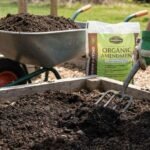
Climate and soil are key for banana trees to grow well. Bananas do best in warm places with temperatures between 75°F and 85°F. They need a place without frost and soil that drains well and has lots of organic stuff in it. Adding compost or well-rotted manure can make the soil better for your bananas.
Selecting the Perfect Planting Site
Finding the right spot for your banana trees is very important. Here are some things to think about:
- Sunlight Exposure – Bananas need a lot of sunlight, so pick a spot that gets at least 6 hours of direct sun a day. This helps them grow big and produce lots of fruit.
- Drainage – Don’t pick a spot where water stays too long because it can cause root rot. Choose a place with good drainage or make raised beds to help with drainage.
- Wind Protection – Strong winds can hurt banana plants and reduce fruit. Pick a spot that’s a bit protected from the wind, like near a wall or fence.
Planting Banana Trees
Planting banana trees right is key for their growth and fruit production. By using the best techniques, your banana trees will flourish and give lots of tasty fruits. We’ll talk about when to plant, how to plant, and tips on spacing and mulching to make a great home for your banana plants.
When to Plant Banana Trees
The best time to plant banana trees is when the soil is warm, over 60°F (15.6°C). This is usually in spring or early summer. Planting then helps the soil warm up for root growth and lets the trees get ready before the cold comes.

Proper Planting Techniques
- Pick a healthy banana tree from a trusted nursery or garden center. Look for one with bright leaves and a strong stem.
- Get the planting spot ready by digging a hole that’s two to three times the tree’s root ball width and depth.
- Put the tree in the hole, making sure it’s at the same level as before. Spread the roots out to help them grow outward.
- Fill the hole with a mix of rich compost and soil, keeping the tree upright.
- Water the tree well to settle the soil around the roots.
These steps give your banana tree a strong start and help it grow well.
Spacing and Mulching
It’s important to space banana trees correctly. The right distance depends on the type of banana, but usually, 10 to 15 feet apart is good. This lets the trees grow and spread without getting too close.
Mulching around the banana trees is also key. Mulch keeps soil moist, stops weeds, and controls soil temperature. Use organic mulch like straw or wood chips, but don’t pile it too high near the trunk to avoid rot.
Caring for Your Banana Trees
Proper care is key for your banana trees’ health and productivity. Knowing their needs and using the right techniques helps them grow well. This section will talk about watering, fertilizing, and pruning your banana trees.
Watering and Irrigation Needs
Water is crucial for banana trees. They need regular watering, especially when it’s dry. But, too much water can cause root rot. Check the soil often and water deeply, letting it dry a bit before the next watering.

Fertilization and Soil Management
Fertilizing your banana trees is vital for their growth. Use a balanced fertilizer with nitrogen, phosphorus, and potassium. Follow the label’s instructions and don’t over-fertilize. Keeping the soil’s pH between 5.5 and 7.0 helps with nutrient uptake.
Pruning and Training for Optimal Growth
Pruning and training your banana trees shape their growth and boost fruit production. Regular pruning removes dead or diseased leaves and suckers. This improves airflow and lowers the risk of pests and diseases. Trim long, discolored leaves and train the main stem upright to focus energy on fruiting.
Managing Pests and Diseases
Pests and diseases are big problems for banana tree growers. They can really hurt the health and how much bananas you get. Knowing about pests and diseases and how to fight them is key.
Common Pests Affecting Banana Trees
Many pests can harm banana trees. They can damage leaves, stems, and fruits. Here are some pests you might find:
- Aphids – These small bugs drink the sap, making leaves turn yellow and grow slow.
- Spider Mites – These tiny pests suck the sap, causing leaves to turn color and get webs.
- Banana Weevils – These beetles lay eggs in the trunk, hurting the plant’s structure.
Checking your trees often and catching problems early is important. Using barriers and natural enemies can help keep pests away.
Disease Prevention and Treatment
Many diseases can hit banana trees, like:
- Panama Disease – This deadly fungus attacks the roots, stopping water and nutrients from getting in. Use resistant plants and rotate crops to stop it.
- Sigatoka Leaf Spot – This fungus makes leaves turn brown and can’t make food. Clean up and use fungicides to fight it.
Stopping diseases before they start is the best way to keep banana trees healthy. Use plants that resist disease, make sure they get air and sunlight, and don’t overwater. If a tree gets sick, treat it with the right fungicides quickly.
Organic and Chemical Control Methods
Growers can pick between organic and chemical ways to fight pests and diseases.
Organic ways use natural stuff and good bugs to keep pests away. This means using ladybugs for aphids or neem oil to keep pests off.
Chemical ways use man-made stuff to fight pests and diseases. These can work fast but must be used carefully and safely.
Using both chemical and organic methods can help manage pests and diseases. This keeps banana trees healthy and productive.
Harvesting and Using Your Bananas
When your banana trees start to produce fruit, it’s key to know when and how to pick them. Look for color changes and firmness to know when they’re ready. This ensures you get the best taste and quality.
Recognizing Ripeness
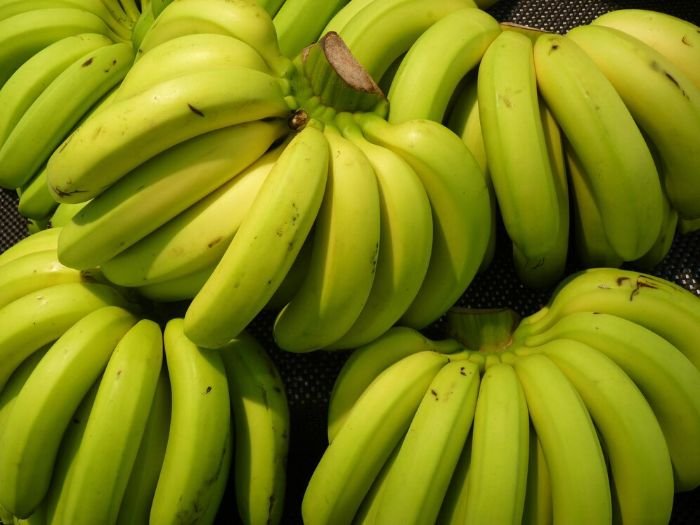
Bananas turn bright yellow when they’re ripe and ready. They should be firm but not too soft. Don’t pick green bananas as they won’t ripen off the tree. Look for slight black spots on the skin for sweetness and flavor.
Harvesting Techniques
Use a sharp knife or shears to cut the bunches from the tree. Cut at the stem, leaving a bit of stem on each bunch. This helps the tree grow back healthy and prevents damage.
Storing and Preserving Bananas
Store unripe bananas at room temperature to ripen. Once ripe, keep them in the fridge to slow ripening. Don’t store them with other fruits as they release gas that speeds up ripening.
Delicious Banana Recipes
Enjoy your ripe bananas with these tasty recipes:
- Banana Bread
- Banana Smoothie
- Banana Pancakes
- Grilled Bananas with Honey and Cinnamon
Try different recipes and be creative with your bananas. From breakfast to dessert, there are many ways to enjoy their sweet taste.
Conclusion – Enjoy the Health Benefits of Homegrown Bananas
Growing bananas in your garden lets you enjoy their health perks. Bananas are full of nutrients, making them great for a healthy diet. They’re especially good for your heart and muscles because of their potassium.
Homegrown bananas also have vitamins and minerals like vitamin C, B6, and manganese. These help keep your immune system strong, your skin healthy, and your brain working well. Adding bananas to your meals and snacks means you and your family get these important nutrients.
For garden lovers, growing banana trees is very rewarding. With the right knowledge and care, you can grow healthy banana trees at home. You’ll need to pick the best spot, water them well, and give them the right food for a good harvest.
Enjoying your bananas means tasting their sweet flavor and getting their health benefits. You can use them in smoothies, desserts, or even in breakfast or lunch. By gardening at home and eating bananas, you can improve your health and feel proud of your gardening skills.
FAQ
Can I grow bananas at home?
Yes, you can grow bananas in your own garden. Enjoy the taste of homegrown bananas.
What are the health benefits of bananas?
Bananas are full of potassium and vitamins. They help keep your heart, muscles, and digestive system healthy.
How do I prepare to grow bananas in my garden?
First, pick the right banana type. Then, learn about the best climate and soil for bananas. Finally, choose the perfect spot to plant.
When is the best time to plant banana trees?
Plant banana trees when it’s warm and the soil is over 60°F (15.6°C).
What care do banana trees require?
Banana trees need the right water, food, soil care, pruning, and training. This keeps them healthy and productive.
How do I manage pests and diseases affecting banana trees?
Use pest control, know about diseases, and take steps to prevent them. This keeps your banana trees safe.
When and how should I harvest bananas?
Harvest bananas when they’re ripe. Look for color changes and firmness. Harvesting right protects the tree.