




Want a natural way to boost your immune system and health? Look at vitamin C-rich citrus fruits! Oranges, lemons, and limes are tasty and refreshing. They also have many health benefits. Plus, you can grow them in your backyard.
This article will talk about the health perks of vitamin C. We’ll see why citrus fruits are great for getting this nutrient. You’ll learn how to grow citrus fruits at home. We’ll give tips on planting and caring for your trees.
We’ll also share ways to handle pests and diseases. There are tips for harvesting and using your citrus fruits. Finally, we’ll talk about the benefits of growing your own citrus.
Key Takeaways:
- Citrus fruits like oranges, lemons, and limes are full of vitamin C.
- Growing citrus fruits at home lets you enjoy their nutritional value and the joy of growing your own food.
- This article will cover the health benefits of vitamin C, why citrus fruits are a good choice, growing them at home, caring for your trees, handling pests and diseases, harvesting and using your fruits, and the benefits of growing your own citrus.
Table of Contents
Health Benefits of Vitamin C
Vitamin C, also known as ascorbic acid, is a key nutrient with many health benefits. It helps your body in many ways.
Boosting the Immune System
Vitamin C is known for making your immune system stronger. It helps by making more white blood cells. These cells fight infections and diseases.
This vitamin also makes immune cells work better. It helps your body fight off germs and lowers the chance of getting sick. Eating foods high in vitamin C can make your immune system stronger.
Antioxidant Properties
Vitamin C is also a strong antioxidant. Antioxidants protect your body from harmful free radicals. These are molecules that can harm cells and lead to diseases.
Vitamin C stops these free radicals, lowering the risk of heart disease, cancer, and dementia. Eating foods with a lot of vitamin C gives your body antioxidant support. This keeps you healthy and full of energy.
Enhancing Skin Health
Vitamin C is important for healthy skin. It helps make collagen, a protein that keeps skin looking young and elastic. Eating enough vitamin C helps make more collagen.
This reduces wrinkles and fine lines. It also protects skin from damage from pollution and UV rays. Vitamin C keeps your skin looking bright and young.
Improving Iron Absorption
Vitamin C helps your body absorb iron better. Iron is needed for making red blood cells and carrying oxygen. But iron from plants is harder to absorb than iron from animals.
Eating foods high in vitamin C with iron-rich plants can help absorb iron better. This prevents iron deficiency and keeps iron levels right.
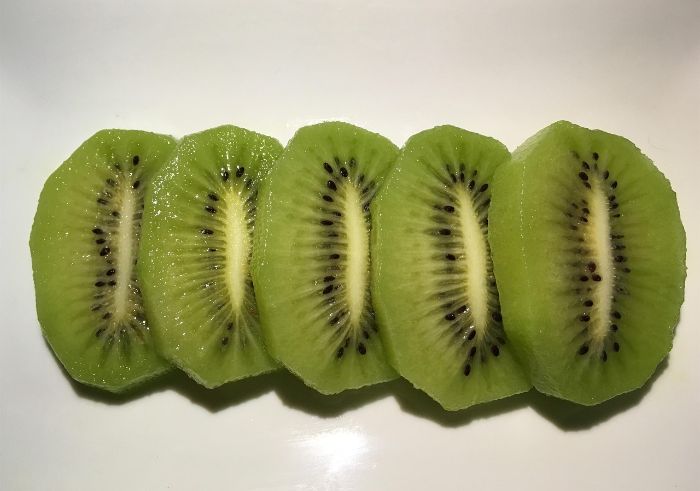
Vitamin C has many health benefits, like boosting the immune system and improving skin and iron levels. Eating foods with a lot of vitamin C is a great way to support your health. Add citrus fruits, strawberries, kiwis, and other vitamin C-rich foods to your meals for amazing benefits.
Why Choose Citrus Fruits for Vitamin C?
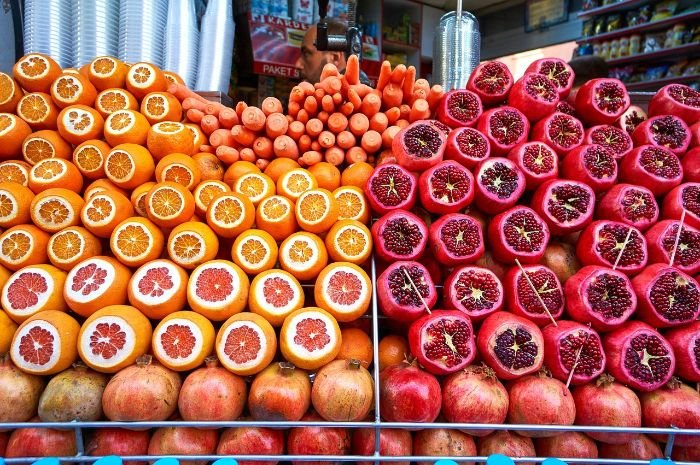
Citrus fruits like oranges, lemons, and limes are full of vitamin C. Eating these fruits can boost your health and meet your vitamin C needs. Let’s look at what makes oranges, lemons, and limes great for you.
Nutritional Profiles of Oranges, Lemons, and Limes
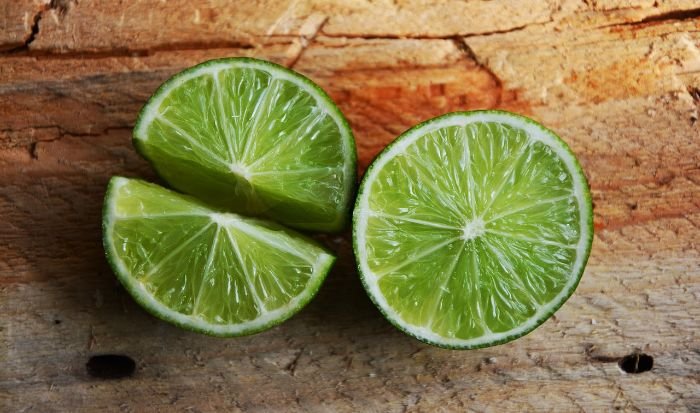
Citrus fruits are full of important nutrients. Oranges are sweet and tangy, packed with vitamin C, potassium, folate, and thiamin. Lemons are tart and refreshing, giving you lots of vitamin C, B-vitamins, and minerals like potassium and magnesium. Limes are zesty and full of vitamin C, fiber, and antioxidants.
Daily Vitamin C Requirements
Vitamin C is a vitamin we can’t make in our bodies. Adults need about 75-90 milligrams a day. Pregnancy, breastfeeding, smoking, and illness might raise your needs. Eating citrus fruits can help you get enough vitamin C for good health.
Comparisons with Other Vitamin C Sources
Citrus fruits are great for getting vitamin C naturally. They offer a form of vitamin C that’s easy for your body to use. Unlike supplements or fortified foods, citrus fruits give you vitamin C along with fiber, antioxidants, and phytochemicals.
Preparing to Grow Citrus Fruits at Home
Before you start growing citrus fruits at home, you need to prepare. This guide will help you with the key steps for successful growing.
Choosing the Right Varieties
Choosing the right citrus varieties is the first step. There are many types, each with its own taste, size, and growth. Think about what you like, the size of the fruit, and the tree size.
It’s key to pick varieties that fit your climate and area. Some citrus trees do well in warm places, while others can handle cold. Look at your area’s winter lows to pick the right trees.
Ideal Climate and Soil Conditions
Citrus trees need mild winters and long, warm summers. They need 6-8 hours of sunlight a day to grow well and produce lots of fruit. Make sure your yard gets enough sunlight all day.
Citrus trees like soil that drains well and has a pH of 6 to 7. If your soil is too clay or sandy, add organic matter to help it drain better and be more fertile. Test your soil’s pH to see if you need to make changes.
Container vs. Ground Planting
You can plant citrus trees in containers or in the ground. Containers let you move the tree for better sunlight or to protect it in the cold. It’s good for small spaces or cold areas.
Planting in the ground gives trees more room to grow. If you have enough space and live where citrus grows well, this is a good choice. Make sure the spot has good drainage and lots of sunlight.
Planting Citrus Trees
Planting citrus trees is exciting and can give you fresh, tasty fruits at home. To make sure your citrus garden does well, think about the best time to plant, where to put them, how far apart, and how to care for them at first. These steps will help your citrus trees grow strong and give you lots of fruit.
When to Plant
The best time to plant citrus trees is in late winter or early spring. This is when the weather is mild and there’s no frost. It lets the tree grow its roots before summer heat hits. If you live in a warm place, you can plant them any time, avoiding very hot or cold periods.
Site Selection and Spacing
Choosing the right spot for your citrus trees is key for their health and fruit production. They love full sun, so pick a spot that gets 6 to 8 hours of direct sunlight a day. The soil should drain well to prevent waterlogging, which can cause root rot.
Think about how big the trees will get when deciding how far apart to plant them. Standard trees need about 12 to 15 feet of space, while dwarf trees can be closer, around 6 to 8 feet apart. This spacing helps each tree get enough air and sunlight, which helps them grow well and produce more fruit.
Planting Techniques and Initial Care
Before planting, dig a hole that’s a bit wider and deeper than the root ball. Carefully take the tree out of its container without hurting the roots. Put the tree in the hole, making sure the bud union is above the soil.

Fill the hole with a mix of native soil and organic matter, pressing it down gently to get rid of air pockets. Water the tree well to help it settle and start growing roots. Add mulch around the tree to keep the soil moist, stop weeds, and keep the temperature right.
For the first few weeks, water the tree often to help it grow strong roots. Water deeply but don’t water too often, letting the soil dry a bit between times. Use a citrus tree fertilizer as the package says to help it grow even more.
With the right way of planting and early care, your citrus trees will do great and give you lots of juicy, healthy fruits. Keep reading to learn how to keep your citrus garden healthy and productive.
Caring for Your Citrus Trees
Proper care is key for your citrus trees’ health and fruit production. Let’s talk about watering, fertilizing, and soil care. We will also cover pruning to keep your trees healthy and full of fruit.
Watering Requirements
Watering your citrus trees right is very important. They need steady moisture but not too much or too little. The amount of water they need changes with the soil, climate, and size of the tree.
As a rule, water your trees deeply once or twice a week. Let the soil dry out a bit before watering again. But, adjust this based on your specific situation and check the soil’s moisture often.
Fertilization and Soil Management
Citrus trees need certain nutrients to grow well and produce fruit. Fertilizing them regularly is key. Use a citrus-specific fertilizer and follow the directions on the package.
Good soil care is also crucial. Make sure the soil drains well and has lots of organic matter. Test the soil to see if it lacks any nutrients. Then, add what it needs to make the soil better for your trees.
Pruning for Health and Productivity
Pruning is important for your citrus trees. It keeps them shaped right, lets sunlight get through, and removes dead or sick branches. Prune in late winter or early spring, before new growth starts.
Use sharp tools to make clean cuts. Remove branches that cross, grow too close together, or sprout water. Pruning also helps keep your tree the right size, making it easier to pick fruit and keep the tree healthy.
Dealing with Common Pests and Diseases
Keeping your citrus trees healthy means fighting pests and diseases. Spotting these problems early helps you use the right methods to keep your trees safe. This way, you can also increase the amount of fruit they produce.
Identifying Common Issues
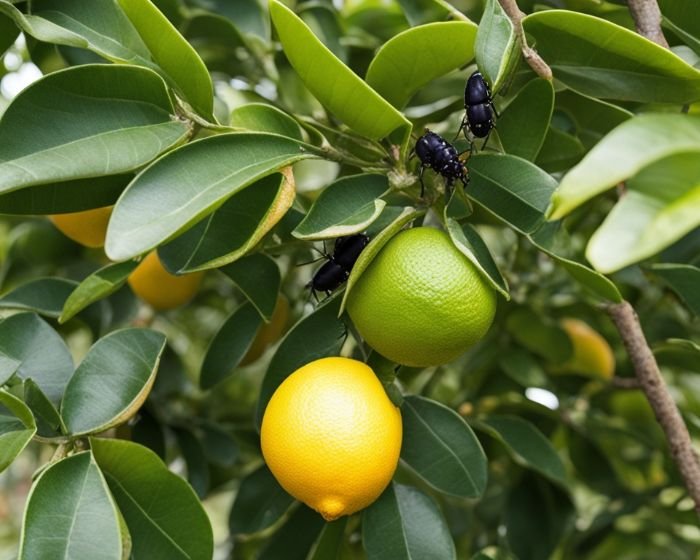
First, you need to know what pests and diseases your trees face. Aphids, scale insects, and citrus leafminers are common pests. They harm the leaves, slow growth, and spread diseases.
Diseases like citrus canker, greasy spot, and citrus scab can also hit your trees. They show up as spots or discoloration on leaves, fruit, or bark. Catching these problems early helps you treat them fast and stop more damage.
Natural and Chemical Control Methods
There are natural and chemical ways to fight pests and diseases. Natural methods include using ladybugs and lacewings to eat pests. You can also use neem oil or horticultural oils to kill pests. Plus, keep your trees clean and prune them regularly.
When natural methods don’t work, you might need chemicals. Use pesticides made for citrus pests and diseases. Always follow the directions and use them safely.
Preventative Measures
Stopping problems before they start is key to keeping your citrus trees healthy. Here are some ways to do that:
- Choose trees that can fight off diseases
- Keep your garden clean by removing leaves and fruit
- Check your trees often for pests and diseases
- Water and feed your trees right to keep them strong
- Make sure trees are far enough apart to prevent disease spread
- Clean your tools after each use
Using these steps in your tree care can help them grow well. It also lowers the chance of pests and diseases.
Harvesting and Using Your Citrus Fruits
Knowing when your citrus fruits are ripe is key. Harvesting them at their best flavor makes for a great taste. We’ll show you how to know when they’re ready and how to keep them fresh. Plus, we have tasty recipes to use your citrus fruits.
Signs of Ripeness
Every citrus fruit has signs it’s ready to pick. Here’s how to tell:
- Color: Look for bright colors like oranges or yellows, depending on the fruit.
- Texture: Ripe fruits feel firm but give a little when you squeeze them.
- Fragrance: They should smell strong and sweet.
- Weight: Ripe fruits are heavier because they have more juice.
- Taste Test: A small taste should be sweet and tangy, with good acidity.
Harvesting Techniques
Now you know when they’re ripe, it’s time to pick them. Here’s how to do it right:
- Use sharp shears or a pruning tool to cut the fruits carefully.
- Hold the fruit gently while cutting to avoid dropping it.
- Pick fruits one at a time to check their ripeness.
- Use a long tool or a ladder for fruits high up on the tree.
Storage and Preservation Tips
Storing your citrus fruits right keeps them fresh longer. Here’s how:
- Keep them in a cool, airy spot away from sunlight.
- Don’t stack the fruits to prevent bruising.
- Use a bag with holes in the fridge to keep humidity in.
- Eat them within a few weeks for the best taste.
Delicious Recipes to Try
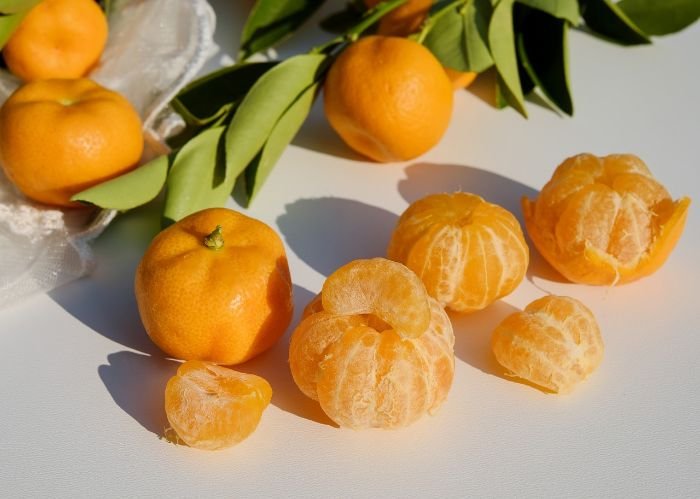
Now you have your citrus fruits, it’s time to enjoy them. Here are some tasty recipes to try:
- Citrus Salad with Honey-Lime Dressing
- Lemon-Garlic Roasted Chicken
- Orange-Ginger Glazed Salmon
- Key Lime Pie
These recipes are just the start. Citrus fruits can make your cooking amazing, from marinades to drinks.
Conclusion – Reaping the Benefits of Homegrown Citrus
Growing your own citrus fruits at home is rewarding. It gives you vitamin C and the joy of growing your own food. This article shows you how to start and enjoy the benefits.
Homegrown citrus fruits are full of health benefits. They have lots of vitamin C. This vitamin helps your immune system, fights off free radicals, makes your skin look good, and helps your body absorb iron. Eating fresh citrus fruits can make you healthier.
Growing your own citrus also makes you feel good. There’s joy in picking a ripe orange or cutting open a lemon you grew. It connects you with nature and makes you proud.
So, try growing your own citrus fruits. With the right types, climate, and care, you can have a citrus garden. You can make delicious juices, salads, desserts, and more with your citrus.
FAQ
What are the health benefits of vitamin C?
Vitamin C helps boost your immune system. It acts as an antioxidant. It also improves skin health and helps your body absorb iron better.
Why should I choose citrus fruits for vitamin C?
Citrus fruits like oranges, lemons, and limes are packed with vitamin C. They are nutritious and meet your daily needs. They offer natural and easy-to-use vitamin C.
How do I prepare to grow citrus fruits at home?
First, pick the right citrus types for your area. Learn what conditions they need. Decide if you’ll plant them in containers or in the ground.
When is the best time to plant citrus trees?
Plant citrus trees at the best time. Make sure you pick the right spot and space them well. Use the right planting and care methods for their health.
How can I deal with common pests and diseases in my citrus trees?
Spot common problems early. Use natural or chemical ways to control them. Take steps to prevent pests and diseases in your citrus trees.