






Ever thought about how much of your energy bill goes through your windows? Windows let in or out a lot of heat, making up 25%–30% of your home’s energy use. This makes energy-efficient windows key for green homes. They cut down on energy use and make your home more comfortable.
Nowadays, saving energy is very important. Getting energy-efficient windows is a big step in the right direction. They use special coatings and gas to keep your home warm in winter and cool in summer. This saves you money and helps the planet.
Key Takeaways
- Energy-efficient windows can cut energy consumption by up to 25%, offering significant savings on utility bills.
- Heat loss through standard windows plays a major role in high heating and cooling costs.
- Upgrading to energy-efficient windows enhances comfort while reducing your carbon footprint.
- Options like low-U-factor windows and gas-filled panes are recommended for improved efficiency.
- Proper installation is crucial for maximizing the benefits of energy-efficient windows.
- Properties with energy-efficient features often enjoy higher market appeal and value.
Table of Contents
Why Energy-Efficient Windows Matter in Home Renovations
Energy-efficient windows are key in home makeovers. They help save energy and make homes more comfortable. They also help us live more sustainably.
These windows are vital for today’s homeowners. They help keep our homes cool in summer and warm in winter. They also help reduce our carbon footprint.
Reducing Energy Consumption and Carbon Footprint
Old windows let a lot of energy escape. Up to 30% of heating and cooling energy is lost through them. Switching to energy-efficient windows can cut down on this loss.
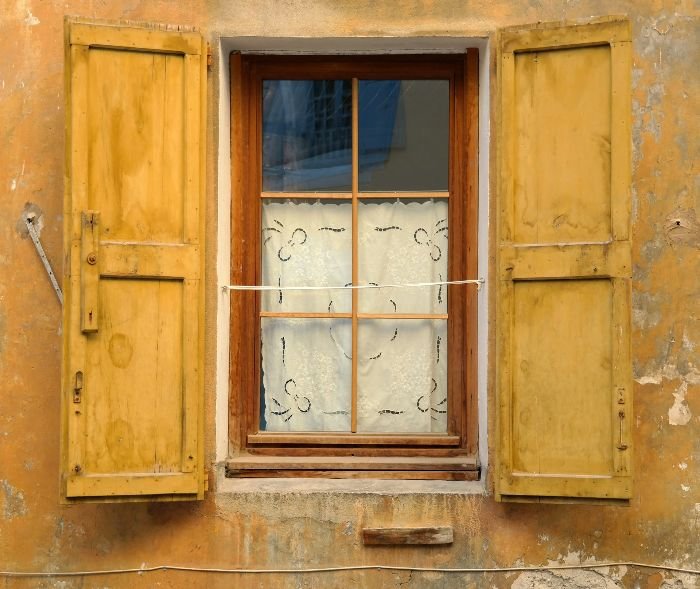
Low-E glass in these windows keeps homes warm in winter and cool in summer. This saves money on bills and cuts down on carbon emissions. It’s good for our planet.
Enhancing Home Comfort and Insulation
Energy-efficient windows make homes more comfortable all year. They help control indoor temperatures, saving energy. This means less need for heating or cooling.
These windows also keep moisture and UV rays out. They make homes cozy and inviting. Plus, they last a long time, making them a smart choice for renovations.
How Energy-Efficient Windows Work
Energy-efficient windows play a big role in keeping homes comfortable. They use insulation science to keep heat inside. This means homes stay warm in winter and cool in summer.
The Science Behind Insulation and Heat Retention
These windows resist heat exchange through special features. The U-Factor scale shows how well they keep heat in. A low U-Factor means less heat loss.
The R-Value is also important. It shows how well the window insulates. In colder areas, a higher R-Value is better.
Key Features to Look for in Energy-Efficient Windows
When picking energy-efficient windows, look for these features:
- Low-E Coatings – These coatings reflect sunlight and keep heat in. They block up to 90% of the sun’s rays.
- Argon Gas Fills – Argon gas in the panes stops heat from moving. This is great for very hot or cold weather.
- Multiple Panes – Double or triple-pane windows have more air or gas. This makes them better at keeping heat in.
- Super Spacer® Technology – This tech makes windows even more energy-efficient. It lowers the U-Value by .01.
- Vinyl Frame Materials – Vinyl windows last a long time and save money. They are better than aluminum or wood.
These features help energy-efficient windows keep your home at the right temperature. This saves energy and makes your home more comfortable.
Types of Energy-Efficient Windows
Homeowners often debate between double-pane and triple-pane windows. Each has its own benefits for saving energy. The choice also depends on the frame materials, which affect performance.
Double-Pane vs. Triple-Pane Windows – What’s Best for Your Home?
Double-pane windows are a favorite for their insulation. They have air or gas between two glass sheets, cutting down on heat transfer. Triple-pane windows add another layer, making them even more energy-efficient.
With five layers, triple-pane windows keep heat in better. They’re perfect for cold places. This makes them great for keeping your home warm.
Understanding Different Frame Materials: Wood, Vinyl, and Fiberglass
Choosing the right frame material is key for energy savings. Vinyl frames with insulation beat standard vinyl and wood in keeping warm. Fiberglass frames are even better, thanks to their thermal properties.
Metal frames might not be as good, but thermal breaks help. Composite frames are as good as wood, offering design flexibility without losing efficiency.
In short, picking the right windows and frames can make a big difference. It’s not just about saving energy. It’s about making your home more comfortable too.
Benefits of Installing Energy-Efficient Windows
Energy-efficient windows offer many benefits for homeowners. They help lower heating and cooling costs. They also make homes quieter and more comfortable. Plus, they increase a home’s value and appeal.
Lower Heating and Cooling Costs
Energy-efficient windows save a lot on heating and cooling bills. Homeowners can cut their energy costs by about 12% each year. This is key, as heating and cooling use half of a home’s energy.
Switching to double-pane windows stops air from escaping. This means less need for air conditioning and heating. It also cuts down on energy use.
Reducing Noise Pollution in Your Home
These windows also make homes quieter by blocking out noise. They can cut down on outside sounds by up to 75%. This is great for those in noisy cities or near busy areas.
It makes homes more comfortable and private. You can relax better without outside noise bothering you.
Increasing Home Value and Market Appeal
Adding energy-efficient windows makes a home more attractive and valuable. Homeowners can get back about 75% of what they spend when they sell. This makes it a smart financial choice.
As more people look for eco-friendly homes, these windows are a big plus. They show a home is modern and energy-smart. This is why they’re key in today’s home updates.
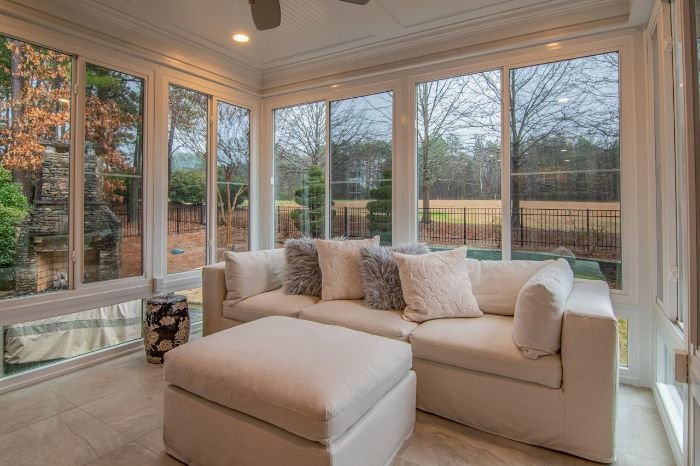
Choosing the Right Energy-Efficient Windows for Your Climate
Choosing the right energy-efficient windows is important. You need to think about your local climate. Different places need different types of windows to save energy.
Climate-Specific Window Options for Optimal Insulation
Every part of the United States has its own weather challenges. This affects what kind of windows you should pick:
- In cold areas, windows with special coatings and gas can keep warmth in. ENERGY STAR® certified windows can cut heating costs by 12%.
- In warm places, it’s key to pick windows that block summer heat. Special coatings let in light but keep heat out.
- Fiberglass frames are good for very hot or cold weather. They last long and keep the inside warm or cool.
Window Orientation and Its Impact on Energy Savings
Where you put your windows matters a lot:
- South-facing windows get sunlight in winter, keeping it warm. But, they need shades in summer to stay cool.
- Big windows on the east or west let in lots of light. But, they might need shades to keep cool.
- Installing windows right can stop air leaks. This saves energy and prevents damage from moisture.
Costs and Savings – Are Energy-Efficient Windows Worth the Investment?
Buying energy-efficient windows costs money upfront. But, the long-term benefits often make it worth it. Homeowners will spend different amounts based on the type of windows and how they’re installed. Looking at the long-term savings can show how valuable these upgrades are.
Initial Costs vs. Long-Term Savings
Energy-efficient windows cost between $150 to $6,500 each. Installation adds another $850 on average. For homes with many windows, the total cost can go over $8,500.
These windows can save 7% to 15% on energy bills each year. This means saving $71 to $501 annually. Over ten years, homeowners could save $710 to $5,000. This shows big savings over time compared to the initial cost.
Understanding Rebates and Tax Incentives for Energy Efficiency
There are ways to make energy-efficient windows more affordable. A federal tax credit gives 30% of the cost, up to $600, for Energy Star windows by 2032. Local utilities also offer rebates to help lower costs.
By using these incentives and saving on energy bills, energy-efficient windows are a smart choice.
Installation Tips for Maximizing Efficiency
Proper window installation is key to getting the most out of energy-efficient windows. How well the windows are fitted affects insulation performance. A careful installation can stop drafts and heat loss, saving on energy costs.
Importance of Proper Installation for Insulation and Performance
Windows not installed right can waste a lot of energy. This includes:
- Sealing issues that let air in, reducing insulation.
- Not fitting right with insulation systems, causing more heat loss or gain.
- Not using materials that keep heat in, especially in very hot or cold places.
Homeowners should choose professional installers for the best energy savings. Certified installers follow the best practices, saving on heating and cooling costs over time.
Working with Certified Installers and Warranties
Choosing certified installers has many benefits:
- They make sure the installation meets the manufacturer’s standards, keeping warranties valid.
- They have the knowledge to pick the right windows for your home and local weather.
- They increase the chance of a quality installation that boosts insulation.
Also, proper installation can help you get warranty benefits. These often cover problems caused by installation mistakes. Always check if your installers are certified for peace of mind when upgrading your windows.
Maintaining Energy-Efficient Windows for Longevity
To keep energy-efficient windows working well, regular care is key. Cleaning them often removes dirt and keeps them clear. This also stops them from getting damaged. Keeping up with window care can make your windows last longer.
Vinyl windows can last 20 to 40 years. Fiberglass windows, with the right care, can last over 60 years.
Regular Cleaning and Upkeep
Using good cleaning products, like Biokleen Glass Cleaner, helps keep windows clear. A cleaning schedule keeps your windows looking good and working well. This care stops harmful stuff from building up and hurting your home’s energy use.
Inspecting Seals and Frames to Maintain Efficiency
Checking seals often is important to spot any problems. Bad seals can make your windows lose energy, undoing the good of energy-efficient windows. By checking frames and fittings often, you can fix issues early. This helps save energy and makes your home more sustainable.
FAQ
What are energy-efficient windows and why are they important?
Energy-efficient windows help keep your home cool in summer and warm in winter. They cut down on heating and cooling costs by up to 30%. This makes your home more sustainable and lowers your carbon footprint.
How do energy-efficient windows improve home comfort?
These windows keep your home cozy by blocking drafts and keeping the temperature steady. They have special coatings and frames that work all year. This means you use less energy and save on bills.
What features should I look for in energy-efficient windows?
Look for Low-E coatings, Argon gas, and double or triple panes. These features help keep your home warm in winter and cool in summer. They make your home more comfortable and energy-efficient.
What are the cost benefits of installing energy-efficient windows?
Energy-efficient windows cost more upfront but save you money on bills. They can cut your heating and cooling costs by 12%. This leads to big savings over time.
How does local climate affect the choice of energy-efficient windows?
Your local weather affects which windows are best. In cold areas, choose windows with gas fills and Low-E coatings. In warm places, pick windows that block heat. Also, how you orient your windows affects their energy use.
What maintenance is needed for energy-efficient windows?
Keep your energy-efficient windows clean and well-maintained. Check seals and frames for damage. Clean surfaces prevent energy loss and damage.


