




Have you thought about how the right lighting can change your living room? A good lighting plan is key for comfort, function, and style in your favorite room. It can make your living room a cozy spot, a lively place for friends, or a perfect spot for reading or watching movies.
By mixing different lights like ambient, task, and accent, you can create layers. These layers help set the mood you want. Giving your living room the right lighting makes it more beautiful and functional. It makes sure every part of the room is well-lit.
Key Takeaways
- Incorporating layers of ambient, task, and accent lighting can create an optimal inspirational lighting solution.
- Two to three layers of light in each room can significantly enhance comfort and functionality.
- LED bulbs with varying brightness and color temperatures help customize your lighting experience.
- Mapping out light zones is crucial for achieving the desired ambiance in your living room.
- Optimal placement of lighting fixtures impacts both aesthetic appeal and functional efficiency.
- Trends indicate a growing interest in smart lighting solutions to enhance energy efficiency and comfort.
- General lighting should focus on even distribution to avoid eye strain and ensure a welcoming environment.
Table of Contents
Why a Lighting Plan Matters in the Living Room
A good lighting plan makes your living room cozy and useful. It’s key to have different lights for different times. This makes your space change easily, fitting any activity you want to do.
Enhancing Comfort and Functionality with Thoughtful Lighting
Adding many lights makes your room comfy and useful. You can light it up for relaxing, reading, or having friends over. A good room has at least eight lights.
These lights include ones for the whole room, for tasks, and to highlight special spots. This way, every part of the room works well.
- Ambient Lighting – Provides overall illumination
- Task Lighting – Focused light for specific activities
- Accent Lighting – Highlights important features and adds depth
For example, soft white LED bulbs give a warm feel, around 2700 kelvins. They make your space welcoming. Smart lights, like Philips Hue and Ikea, let you change these settings easily.
Setting the Right Mood for Different Activities
The mood of your room changes with the lighting. It can be lively for game nights or calm for talks. Dimmable lights are great for changing the mood fast.
Assessing Your Living Room’s Lighting Needs
Figuring out your living room’s lighting needs is key. It starts with knowing what you’ll do there, like reading or watching movies. The right lights make these moments better.
Identifying Key Activities in the Space (e.g., Reading, Entertaining)
Living rooms are for many things, which means different lights are needed. For example:
- Reading spots need bright, focused lights.
- Areas for fun should have soft, warm light.
- Places for parties might need lights that change mood.
Knowing what you’ll do helps plan the lighting. This makes your living room perfect for any activity.
Understanding How Natural Light Affects Your Lighting Choices
Natural light is very important. It changes how much artificial light you need. For example:
- Rooms with lots of natural light might need less artificial light.
- Places with little sunlight need brighter lights at night.
- Interior colors and finishes also affect light.
Understanding natural light helps choose the right lights. This makes your home bright and welcoming.
Ambient Lighting – Building the Foundation
Setting up the right ambient lighting makes your living room cozy and inviting. This layer of light helps you see and feel comfortable. It’s perfect for different activities and moods all day long. Choosing the right overhead lighting is key to making the space feel open and welcoming.
Choosing the Best Overhead Lighting for Even Illumination
Overhead lighting is important for setting the mood. Here are some good options:
- Chandeliers add elegance and spread light well.
- Recessed lighting looks modern and sleek.
- Flush-mounted lights are simple yet effective.
Warm light from these fixtures makes your living room relaxing. The color temperature, in Kelvin, affects the mood. Lower numbers mean warmer light, which is cozy and calming.
Using Dimmers to Adjust Ambient Light Levels
Dimmers let you change the light levels easily. They’re great for different times or activities. For example, bright light is good for daytime, while soft light is better for evenings. Dimmers make the lighting fit your needs perfectly.
Task Lighting – Adding Focused Light for Activities
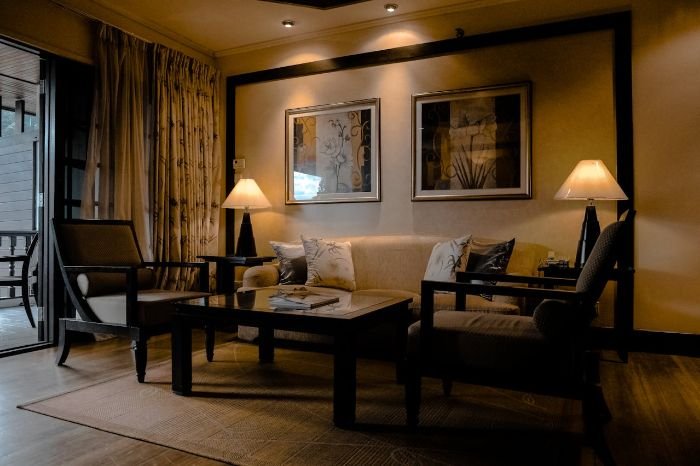
Task lighting is key for focused light in the living room. It makes reading and working better. Floor lamps and table lamps are great because they can be moved to where you need light.
Ideal Task Lighting for Reading Corners and Workspaces
Reading corners need special lighting. Adjustable table lamps give 250 to 1,100 lumens, making it cozy for books. It’s important to pick lamps that can be adjusted to avoid eye strain.
Flexible Lighting Options like Floor Lamps and Table Lamps
Floor lamps and table lamps are very flexible. They can be moved to fit different seating setups. They’re perfect for spaces that change from reading to parties. Today’s task lighting is both useful and stylish, adding to your room’s look.
Accent Lighting – Creating Depth and Visual Interest
Accent lighting is key in making living rooms stand out. It adds depth and interest. This lighting turns a simple room into a stunning space. It also makes the room feel more welcoming by focusing on important details.
Highlighting Artwork, Shelves, and Architectural Details
Accent lighting is great for showing off artwork, shelves, and special details. It makes these items pop. Spotlights and wall sconces are perfect for this job. They make the room’s story come alive.
Adjustable lights let you change the light’s direction. This way, you can highlight different things as the mood changes.
Adding Layers of Light with Wall Sconces and Spotlights
Layering light makes a room feel cozy and inviting. Wall sconces and spotlights add variety and interest. They work well with other lights to create a beautiful lighting plan.
Smart lighting systems make it easy to control these lights. You can change the lighting to fit any event or mood.
Balancing Warm and Cool Light for the Perfect Ambiance
Creating the perfect ambiance in a living room is all about balancing warm and cool light. Both types of lighting play a big role in setting the mood. Knowing about color temperature helps you choose the right lighting for your space.
Selecting Color Temperatures to Complement the Room’s Style
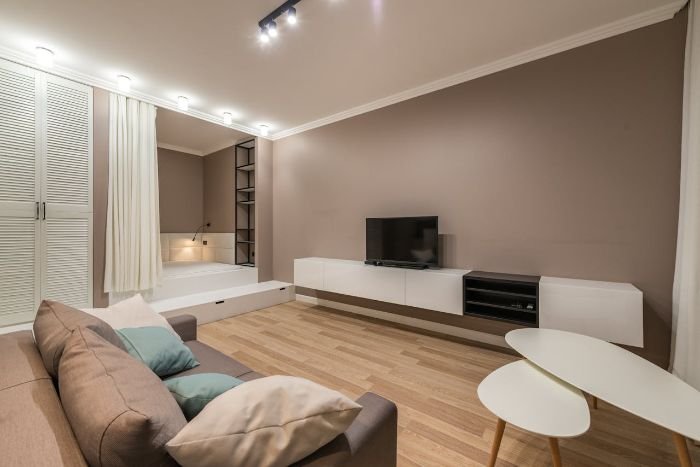
Choosing the right color temperatures is key for a cohesive look. Warm light, between 3000K and 3500K, gives off a golden glow. It makes your living room cozy and inviting, great for hanging out or relaxing.
Cool light, on the other hand, has a blue or white hue. It’s bright and helps you focus, making it perfect for reading or working.
Combining Warm and Cool Tones to Match Day and Night Moods
Using both warm and cool tones in your lighting makes your space more versatile. Warm light in the evening makes your room cozy for unwinding. Cool light in the morning or day boosts energy and productivity.
This way, your living room can change from a cozy spot at night to a lively area during the day. It’s all about finding the right balance.
Choosing Fixtures and Bulbs for Each Lighting Type
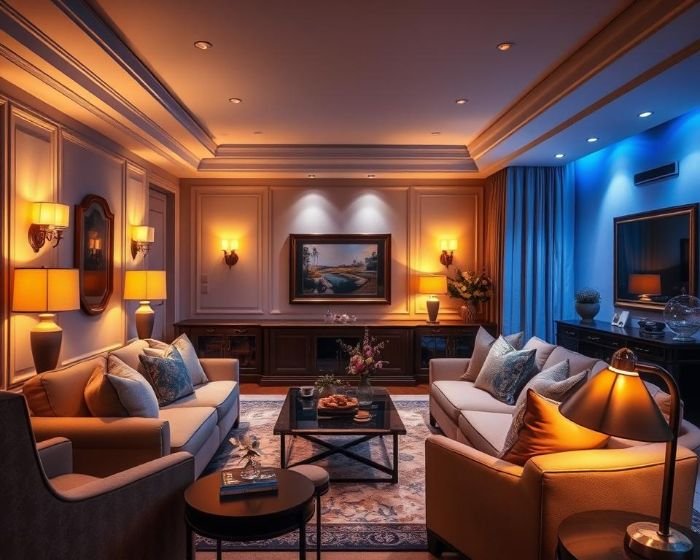
When planning your living room’s lighting, picking the right fixtures and bulbs is key. These choices boost function and decor. Think about the different bulb types, as they affect your space’s feel and efficiency.
Matching Fixture Styles with Living Room Decor
Fixtures are both useful and decorative. Pick styles that match your decor. Here are some tips:
- Choose fixtures that fit your room’s theme—like contemporary, rustic, or traditional.
- Go for different metal finishes like brass or polished nickel for interest without losing cohesion.
- Use various fixture types like chandeliers, wall sconces, and flush mounts. Make sure they look good together.
Energy-Efficient Bulbs for Lower Power Consumption and Longer Life
Choosing energy-efficient lighting is smart for today’s homes. LED bulbs are top picks for their long life and low energy use. Here’s what to know when picking bulbs:
- LEDs last from 10,000 to 25,000 hours, cutting down on bulb changes.
- Compact fluorescent lightbulbs (CFLs) are being replaced by 2025, so switch to LEDs for green living.
- Know your bulb bases: E26 and E27 are common, while E12 fits chandeliers.
- Energy-saving bulbs, like a 9-watt LED, can save you over $238 a decade compared to old bulbs.
Adding energy-efficient lighting to your living room makes it look good and helps the planet.
Arranging Lighting Zones in the Living Room
Creating different lighting zones makes your living room better. It lets you have the right light for each activity. This makes your space both comfy and useful.
Defining Zones for Different Activities and Adjusting Light Intensity
Think about what you do in your living room. You might have areas for:
- Reading nook with focused task lighting
- Entertainment area featuring ambient and accent lighting
- Dining space with adjustable light intensity for meals and gatherings
Changing light levels in these areas makes your space personal. You can switch between bright and soft light easily. This is thanks to multiple switches or smart systems.
Using Remote Control or Smart Lighting for Flexibility
Smart lighting lets you control your room’s mood. You can change lights with a remote. Features include:
- Customizable lighting schedules
- Ability to change color temperatures
- Integration with voice assistants for hands-free adjustments
Smart lighting makes changing your room’s feel easy. It’s perfect for moving from chill time to party time.
Tips for Maintaining and Adjusting Your Lighting Plan
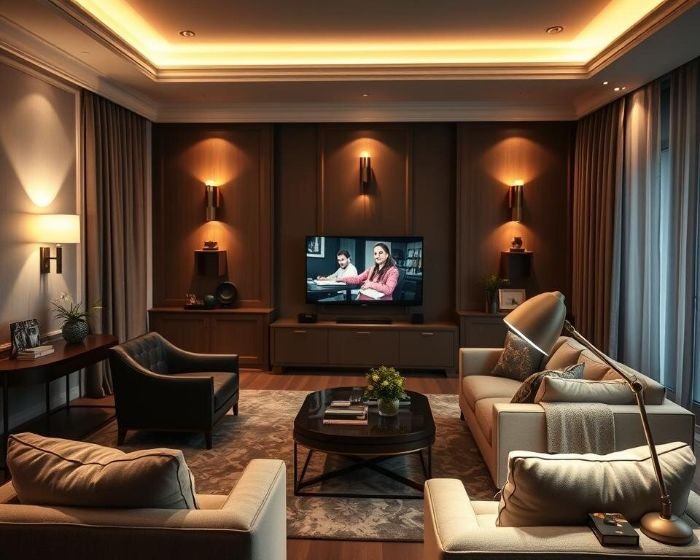
Keeping your lighting plan up to date makes your living room look and feel better. It’s key to clean your lights and change bulbs often. This keeps your room bright and your lights working well for a long time.
Even the best lighting can get dim over time. This is because of dust and old bulbs. Changing bulbs regularly helps keep your room’s mood right.
Regularly Cleaning and Replacing Bulbs for Optimal Brightness
Dust can make your lights less bright. So, clean your lights often. Also, switch to LED bulbs for less energy use and longer life.
By updating your lights, your room stays bright and inviting. It also stays stylish.
Updating the Lighting Plan as Room Use Changes Over Time
Your lighting needs change as your life does. You might need to update your lighting plan. This could be for new activities or a new look.
Adding smart lights with dimmers is a good idea. They let you change the mood for any occasion. This makes your room more than just a place to live.
FAQ
What is a lighting plan and why is it important for my living room?
A lighting plan makes your living room comfy and useful. It uses different lights for reading, hanging out, or just relaxing. This way, your space is perfect for any activity.
How do I assess the lighting needs of my living room?
To figure out your living room’s lighting needs, think about what you’ll do there. Like reading or having friends over. Also, know how natural light changes throughout the day. This helps pick the right artificial lights.
What are the different types of lighting needed for a well-designed living room?
A good living room has three kinds of lighting. Ambient lighting for overall light, task lighting for specific tasks, and accent lighting to show off special features.
What are some effective ambient lighting options for my living room?
Good ambient lighting includes ceiling lights, recessed lights, and wall lights. Adding dimmers lets you change the light level. This makes your room feel right for any time of day.
How can I incorporate task lighting in my living room?
Task lighting is about direct light for things like reading or working. Use table lamps and floor lamps that you can move. This makes your room flexible for different activities.
What are some ways to use accent lighting in my living room?
Accent lighting highlights special things like art or shelves. Use wall sconces and spotlights to add depth and interest. This turns simple things into eye-catching features.
How do I balance warm and cool lighting in my living room?
Balance warm and cool lights to match your room’s style. Warm lights are cozy for evenings, while cool lights are bright for days. Mixing them makes your room versatile for any time.
How can I define lighting zones in my living room?
Lighting zones mean different areas for different activities. Adjust the light level for each zone. Smart lights or remote controls make it easy to change the lighting as needed.