




Have you ever thought about how the air inside might be worse than outside? Indoor air quality (IAQ) pollutants can be 2-5 times worse than outside air. This is a big problem since we spend about 90% of our time indoors.
Good indoor air quality is key to our health. Many pollutants, like dust and chemicals, can harm us. Smart technology is helping by making air cleaner and safer. We’ll look at how these smart tools are making our homes and workplaces healthier.
Key Takeaways
- Indoor air quality (IAQ) significantly impacts overall health.
- Smart technology innovations enhance air purification processes.
- Pollutant levels can be 2-5 times higher indoors than outdoors.
- Individuals commonly spend up to 90% of their time indoors, stressing the importance of IAQ management.
- Effective monitoring systems can prevent health risks associated with indoor air pollutants.
Table of Contents
Why Indoor Air Quality Matters for Health and Well-being
Keeping indoor air clean is key for health and happiness. We spend about 90% of our time inside, where bad air can harm us. Bad air can cause breathing problems, allergies, and serious diseases like COPD.
These issues come from harmful particles and chemicals that build up inside. They can make us sick.
The Health Risks of Poor Indoor Air Quality
Studies show bad air inside can hurt our breathing. Dust, pet hair, smoke, and cleaning chemicals can cause allergies and breathing issues. They can also lead to serious diseases.
For people with asthma, these pollutants can make symptoms worse. They can even cause heart problems, strokes, and memory loss.
How Smart Technology Can Address Indoor Air Pollutants
Smart tech offers new ways to check and clean indoor air. IoT air quality monitors find bad pollutants and show us what’s happening. This lets us take steps to stay safe.
With smart tech, we can keep our air clean. This protects our breathing and makes our homes better places to live.
Types of Smart Devices for Monitoring Indoor Air Quality
Smart devices are key in keeping our homes air clean. They help us live in a healthier space. Air quality monitors and smart thermostats are top choices for their real-time data and comfort.
Air Quality Monitors – Real-Time Data on Air Conditions
Air quality monitors track pollutants like PM, CO2, and VOCs. They give us real-time data on our air. The Airthings 2930 Wave Plus tracks radon levels, a known carcinogen.
The AirKnight AK1000 9-in-1 air quality monitor checks many pollutants. It ensures we know our air quality well. Brands like Temtop offer energy-saving models, cutting energy use by up to 80%.
Smart Thermostats with Air Quality Features
Smart thermostats do more than control temperature. They also monitor air quality. They work with sensors to adjust HVAC systems.
Some smart thermostats turn on air purifiers or change vent settings. This improves comfort and health by cutting down on air quality issues. As tech gets smarter, these devices are more important for a healthy home.
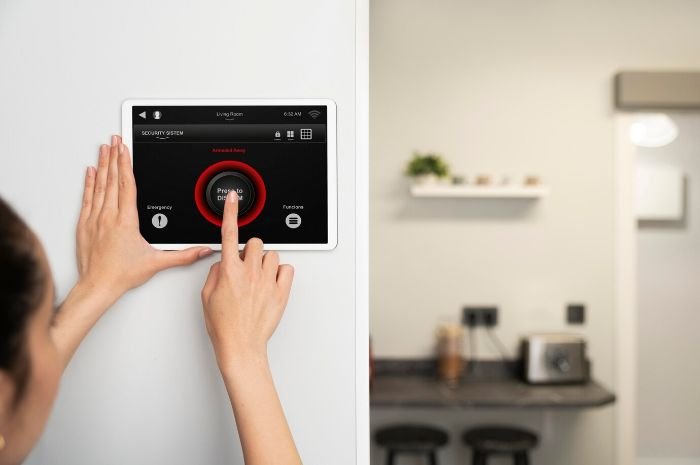
Smart Air Purifiers – A Key Tool for Cleaner Air
Smart air purifiers are key for better indoor air. They use advanced tech to clean the air. They remove harmful particles and smells from the air.
As we worry more about the environment, these smart tools are vital. They help keep people and places safe and healthy.
How Smart Air Purifiers Work
Smart air purifiers use special filters to clean the air. The H13 Grade HEPA filter is one example. It catches 99.97% of tiny particles, like allergens and germs.
These devices also watch the air quality in real-time. They adjust their settings to keep the air clean.
Features to Look for in a Smart Air Purifier
When picking a smart air purifier, look for these key features:
- Clean Air Delivery Rate (CADR) – This shows how well the purifier cleans the air.
- Smart Connectivity Options – Being able to control it from your phone or smart home is handy.
- Filter Replacement Alerts – Alerts when it’s time to change the filter keep it working well.
- Energy Optimization – Some models use less energy, saving you money.
- Automatic Adjustment – Some devices adjust on their own to fight pollution better.
Integrating Smart HVAC Systems for Better Air Flow and Filtration
Smart HVAC systems make indoor air much better. They use new tech to adjust settings automatically. This keeps homes comfy and saves energy.

These systems also make air flow better. They cut down on energy bills. Plus, they make system parts last longer.
Benefits of Smart HVAC for Air Quality Control
Smart HVAC systems bring health benefits. They clean the air well, cutting down on allergens and germs. The main benefits are:
- HEPA filters catch up to 99.97% of tiny particles like pollen and dust mites.
- Activated carbon filters get rid of bad smells and chemicals that regular filters miss.
- UV lights kill bacteria, viruses, and mold by breaking their DNA.
- They replace many devices, making upkeep easier and simpler.
Using Smart Filters and Automated Maintenance Alerts
Smart filters in HVAC systems watch their own performance. They send alerts when they need cleaning. This keeps the air clean and the system working right.
These alerts also stop problems before they start. They ensure:
- Filters are always checked to keep them working well.
- Systems run efficiently, keeping air quality high.
- Quick fixes keep the air healthy and safe.
Humidity Control with Smart Humidifiers and Dehumidifiers
Keeping the right humidity inside is key for good air quality. Too much or too little humidity can harm your health. Smart humidifiers and dehumidifiers help control this, making your home healthier.
Why Humidity Levels Matter for Air Quality
The ideal humidity is between 40-50% to avoid health problems. Low humidity can cause nosebleeds and skin issues. High humidity leads to mold and worsens allergies. Smart devices help keep these levels right, improving air quality.
Choosing the Right Smart Humidity Control Device
Choosing the right device means looking at its features. Find smart humidifiers and dehumidifiers with:
- Real-time humidity tracking that provides timely updates.
- Automated adjustments based on environmental changes.
- Energy-efficient designs that help reduce overall energy consumption.
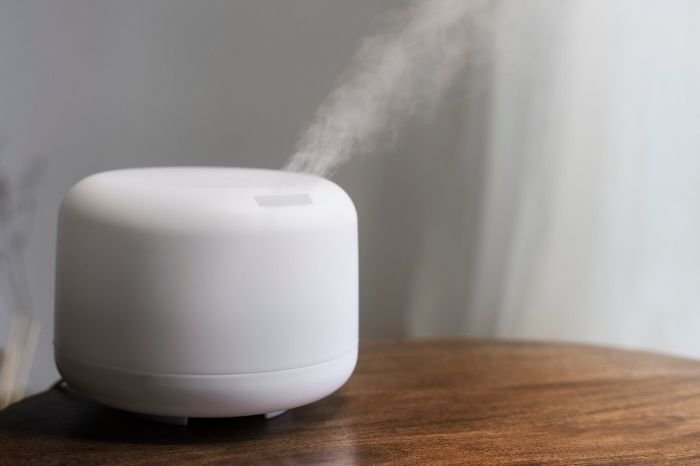
Whole-house humidifiers are great for cold, dry places. They keep humidity balanced. This makes your home more comfortable and healthier.
Advanced Smart Ventilation Systems
Smart ventilation systems are key to better indoor air. They make sure air moves well in homes and adjust to what’s happening around them. They use special sensors to check things like CO2, humidity, and temperature. This helps them figure out the best way to move air.
How Smart Ventilation Systems Improve Fresh Air Circulation
These systems are great for people with breathing problems or allergies. They have cool features like:
- Adjusting air flow based on who’s around and the air quality.
- Lowering pollutants inside, making the air healthier.
- Using less energy by slowing down fans when it’s okay.
- Keeping the air and temperature just right for everyone.
Automated Ventilation vs. Traditional Systems
Automated systems are different from old-school ones. Old systems just run on a set schedule. But smart systems change based on what’s happening right then.
- They keep an eye on air quality and adjust as needed.
- They cost less to keep up and last longer than old HVACs.
- They can close vents in empty rooms to save energy.
Getting a smart system might cost more upfront and be harder to set up. But, the long-term benefits are worth it. Choosing the right one means looking at your space, air goals, and what fits best.
Benefits of Using Smart Technology for Indoor Air Quality
Smart technology helps a lot with indoor air quality. It’s great for people with breathing problems and allergies. Since most of us are indoors, these devices are very helpful.
They watch for bad stuff in the air like dust and chemicals. This is especially good for kids and people who are already sick.
Improved Respiratory Health and Allergy Relief
Smart air quality tools find and get rid of bad air. They send alerts when the air is not good. This helps people breathe better and feel less sick.
So, everyone can enjoy a cleaner, healthier home.
Long-term Energy Efficiency and Cost Savings
Smart tech also saves energy and money. It works with smart HVAC systems to use less power. This keeps the air clean and saves money over time.
It’s a smart choice for a greener home. It helps the planet and your wallet.
FAQ
What is the significance of indoor air quality (IAQ)?
Indoor air quality is very important. People spend about 90% of their time inside. Bad air quality can cause health problems like breathing issues and allergies.
Good air quality is key for staying healthy.
How can smart technology improve indoor air quality?
Smart tech helps by using devices like air quality monitors. These devices find harmful pollutants and show data in real-time. This helps us act fast to keep the air clean.
What types of smart devices monitor indoor air quality?
There are many smart devices. These include air quality monitors, smart thermostats, and air purifiers. They give us updates on the air, like how clean it is.
This lets us manage the air quality better.
What are the benefits of using smart air purifiers?
Smart air purifiers clean the air well. They remove bad stuff like dust and chemicals. They also tell us when to change the filters.
How do smart HVAC systems contribute to better indoor air quality?
Smart HVAC systems make the air better by adjusting to the air quality. They also save energy. This keeps the air clean and saves money.
Why is humidity management important for indoor air quality?
The right humidity is key for good air quality. Too much moisture can grow mold. Too little can hurt our breathing. Smart humidifiers and dehumidifiers help keep the humidity right.
What role do smart ventilation systems play in enhancing air quality?
Smart ventilation systems bring in fresh air. They adjust based on the air quality. This means we get clean air all the time. It also saves energy and money.