




Have you thought about how changing your home’s lights can save money and help the planet? LED lighting is a big step forward in saving energy and being green. More people and businesses are choosing LEDs, which changes how we use energy, cuts costs, and helps the environment.
LED lights, especially ENERGY STAR ones, use 75% less energy and last 25 times longer than old bulbs. By 2035, most lights in the U.S. will be LEDs, saving up to 569 TWh of energy each year. This shows LEDs are becoming the top choice for lighting everywhere.
We’ll explore more about LED lighting’s benefits soon. We’ll see how they save energy, improve lighting, and help the planet. Learning about LEDs helps us move towards a greener, more energy-efficient world, one light at a time.
Key Takeaways
- LED lighting uses 75% less energy than traditional incandescent bulbs while providing the same brightness.
- Widespread adoption of LEDs could save up to 569 TWh of energy in the U.S. by 2035.
- LEDs last significantly longer, with lifespans of 25,000 to 50,000 hours compared to around 1,000 hours for incandescent bulbs.
- They emit very little heat, making them safer and more efficient than incandescent and CFL bulbs.
- Investing in LED lighting often yields a return on investment within a few years.
Table of Contents
Why LED Lighting is More Energy-Efficient
LED lighting excels in energy savings; combining it with intelligent lighting options further reduces power consumption and enhances overall ambiance. This makes LED lights great for homes and businesses.
LED vs Traditional Lighting: A Quick Comparison
LED lights are way better than old lights. They use up to 80% less electricity and still light up the room well. This means big savings on energy bills and less harm to the environment.
LEDs also last a lot longer than old lights. They can go up to 100,000 hours without needing to be replaced. This is much longer than incandescent and fluorescent bulbs.
How LEDs Use Less Power for the Same Brightness
LED lights are made to use energy wisely. They send light in one direction, not all over the place. This means they waste less energy.
Lighting uses a lot of energy in the US. Using LEDs can really help cut down on this. LEDs are 80% to 90% efficient. This makes them a smart choice for saving money and getting better lighting.
Benefits of Integrating LED Lighting with IoT
LED lighting with IoT brings numerous benefits for efficient power use, and pairing it with automated climate systems also helps maintain a healthier indoor environment. With smart tech, lights change with the environment and what you like.
Smart Controls for Automated Lighting
Automated lighting saves energy by adjusting itself. It turns on when you enter a room and dims when it’s bright outside. This helps a lot with saving energy.
Remote Access and Control via Smart Devices
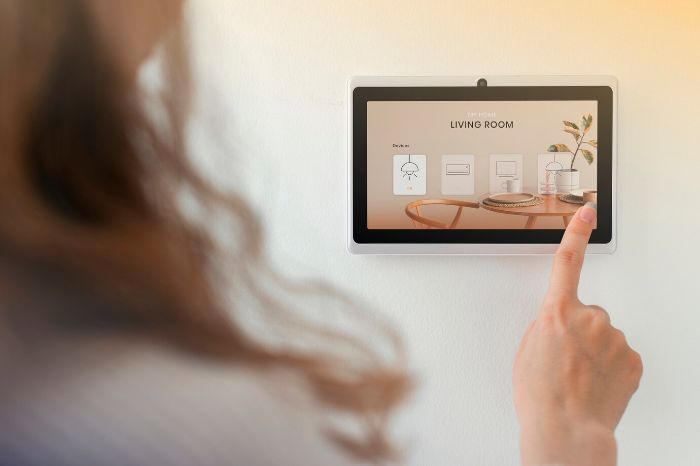
Using phones or tablets to control lights is super handy. You can change settings from anywhere. This means you can turn off lights you forgot to turn off.
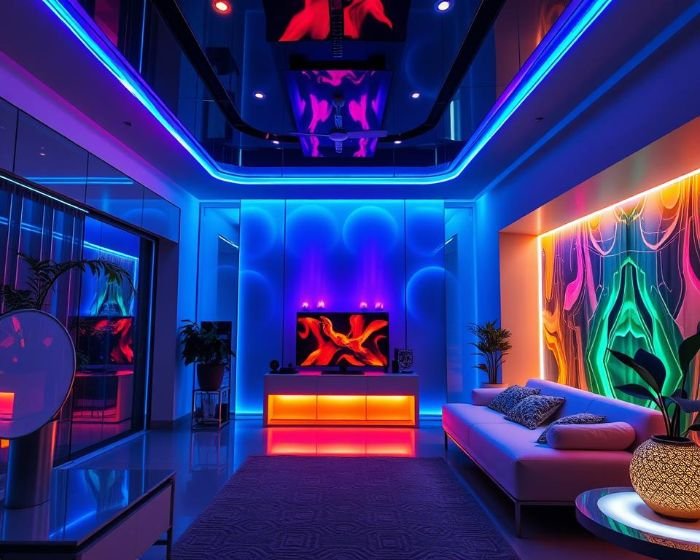
IoT Features that Enhance LED Lighting Efficiency
Modern tech like IoT makes LED lights more efficient. Features like motion sensors and adaptive lighting are essential; smart temperature controls can also sync with these systems for unified home energy management. They make lights better for users and save energy.
Motion Sensors to Minimize Unnecessary Lighting
Motion sensors are vital for saving energy. They turn lights on only when someone is there. This cuts down on how long lights are on, saving money on electricity.
Adaptive Lighting Based on Occupancy and Time of Day
Adaptive lighting adjusts brightness based on who’s there and the time of day. It uses data to light up spaces just right, saving energy. This makes spaces more comfortable and helps the planet.
How LED and IoT Integration Lowers Energy Bills
LED lighting and IoT technology change how we use energy at home and work. They allow real-time usage insights, aiding better decisions on energy costs; just as IoT devices in gardening optimize water and nutrients, similar principles apply to lighting adjustments indoors.
Real-Time Energy Monitoring and Usage Reports
Iot-enabled lighting systems track how much energy we use. This data shows us where we might be using too much. By watching this data, we can make our lighting use better, saving money on our bills.
Optimizing Lighting Based on Home Activity Patterns
LED IoT integration lets us create lighting that fits our lives. It can change how bright or dim our lights are based on if we’re home and the time. For example, lights can turn off in rooms we’re not using. This saves energy and makes our homes more comfortable.
Environmental Impact of Switching to LED and IoT Lighting
Switching to LED and IoT lighting is a big step towards using less energy. This change helps the environment a lot. It makes homes and businesses use less energy and helps fight climate change by cutting down on harmful gases.
Reducing Carbon Footprint through Lower Energy Consumption
Lighting uses about 15% of the world’s electricity and causes 5% of greenhouse gas emissions. LEDs use 50-90% less energy than old bulbs. This means they could cut 1,400 million tons of CO2 emissions every year.
Using LEDs saves money on energy bills and helps the planet. It’s a big step towards making our environment more sustainable.
Longevity of LEDs Reduces Waste and Replacement Costs
LEDs last a long time, over 30,000 hours, compared to 2,000 hours for old bulbs. This means they need to be replaced less often. This saves money and helps the environment by reducing waste.
By choosing LEDs, we can make a big difference. We save money and help the planet at the same time.
Best Practices for Setting Up LED IoT Lighting at Home
LED IoT lighting makes homes more energy-efficient and convenient. It’s important to pick the right smart hubs and set up efficient lighting zones. This makes sure your lights work well and meet your needs in each room.
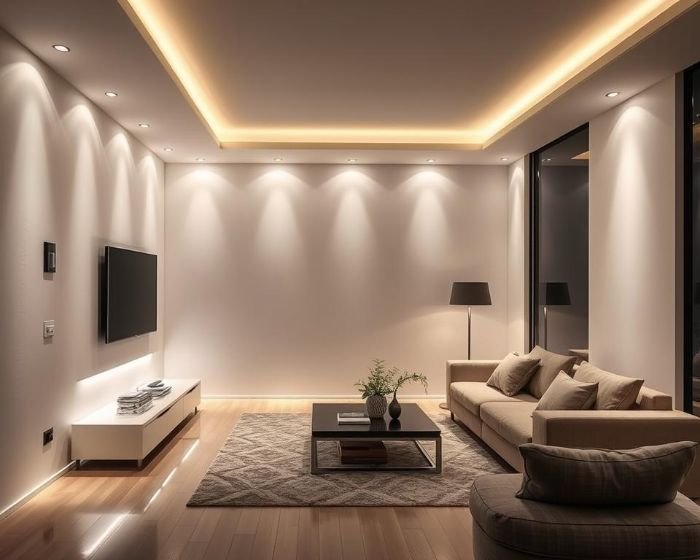
Choosing Compatible Smart Hubs and Devices
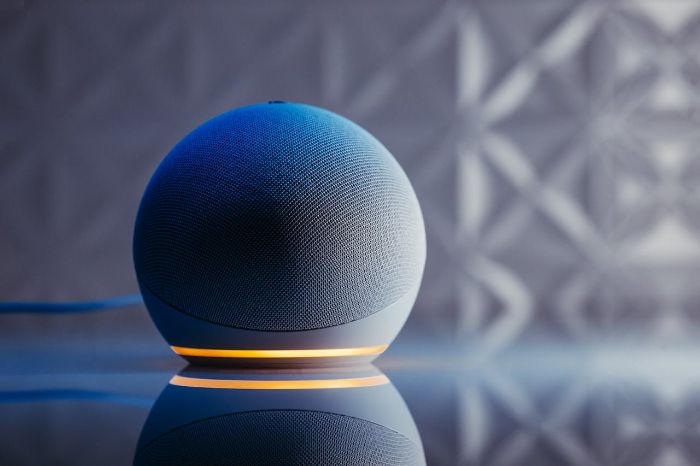
Choosing the right smart hub is key for LED lighting. There are three main smart-home systems: Google Home, Amazon Alexa, and Apple HomeKit. Each has its own benefits:
- Google Home – It’s great for voice commands and talking back.
- Amazon Alexa – It works with the most devices, making it very flexible.
- Apple HomeKit – It’s best for iPhone users because it’s secure and easy to use.
- Home Assistant – It’s open-source and focuses on local control and privacy.
Using hubs like the Philips Hue Bridge or Samsung SmartThings Hub can make your devices work better together. This lets you control your lights easily across your home.
Creating Efficient Lighting Zones in Each Room
Creating lighting zones helps save energy and makes your home more functional. Each room can have its own lighting setup:
- Living Room – Dimmers help set the mood for relaxing or watching movies.
- Kitchen – Bright, adjustable lights are great for cooking and cleaning.
- Bedroom – Soft, warm lights create a calm space for sleep.
- Home Office – Bright, focused lights help you stay focused and productive.
Smart switches and dimmers make controlling your lights easy and save energy. You’ll need tools like screwdrivers and voltage testers for installation. Always follow safety rules. Having physical switches on can help guests who don’t use voice commands.
Future of LED and IoT Lighting in Home Energy Savings
The future of lighting is changing fast with smart technology. Smart LED tech is getting better, saving more energy for homes. It can adjust to what you like and turn lights on and off for you.
Features like knowing when you’re not there help save even more energy. This shows how smart LEDs can really cut down on energy use.
Upcoming Innovations in Smart LED Technology
Smart LED systems are getting smarter by linking up with the Internet of Things (IoT). This could lead to huge savings on energy bills. In fact, we might save 569 TWh of energy every year by 2035.
Also, new tech like LiFi lets data travel through light at super-fast speeds. This shows how lighting can save energy and make homes better connected.
How LED IoT Systems Will Shape Sustainable Homes
LED and IoT systems are key for green homes that save energy and care for the planet. They let people keep an eye on how much energy they use, saving about $225 a year.
As lighting gets smarter, it can change with your life, helping you use less energy. This makes homes not just smart but also good for the planet.
FAQ
What are the main advantages of using LED lighting over traditional incandescent and fluorescent bulbs?
LED lighting uses much less energy than old bulbs. It can use up to 75% less energy. Plus, it lasts 25 times longer. This means you save money on bills and throw away less waste.
How do smart controls enhance the energy efficiency of LED lighting?
Smart controls change lighting based on who’s there or the time. This cuts down on waste. It also lets you track and manage your lights better, making them more efficient.
What role do motion sensors play in LED IoT lighting systems?
Motion sensors turn lights on only when someone is there. This saves a lot of energy in homes and businesses. It’s a big help in cutting down on energy use.
How does the integration of LED lighting with IoT affect household energy bills?
LED lighting with IoT lets you watch your energy use in real time. You can see how much you’re using and when. This helps you use less energy, which can really lower your bills.
In what ways does switching to LED lighting contribute to a reduced carbon footprint?
LED lighting uses less energy, which means less pollution from power plants. It also lasts longer, so you don’t need to replace bulbs as often. This means fewer bulbs end up in landfills, helping the environment.
What are the steps for effectively setting up LED IoT lighting at home?
First, pick smart hubs and devices that work well together. Then, set up different lighting zones for each area. This makes your lights work better and saves energy.
What future advancements can we expect in LED and IoT lighting technology for energy savings?
Soon, lighting will get even better. It will learn what you like and adjust itself. This will help us live more sustainably and use less energy.