






Ever wondered why you can’t sleep well, even after a long day? The answer might be in your bedroom’s temperature. Studies show a strong link between sleep quality and room temperature. Sleep expert Michelle Drerup, PsyD, says keeping your bedroom between 60 to 67°F is key for adults.
Temperatures over 70°F can make it hard to sleep. This can cause you to wake up often and feel restless.
Exploring the science behind sleep and body temperature can help you sleep better. By making small changes, you can turn your bedroom into a place of rest. Discover how the right bedroom temperature can make your nights peaceful and refreshing.
Key Takeaways
- The recommended bedroom temperature for optimal sleep is between 60 to 67°F.
- A temperature above 70°F is generally too hot and may disrupt sleep quality.
- Infants should sleep in a temperature range of 65 to 70°F for safe sleep conditions.
- Regulating bedroom temperature plays a significant role in maintaining REM sleep stability.
- As individuals age, adjustments in sleep temperature may be necessary due to natural bodily changes.
Table of Contents
Why Temperature Matters for Quality Sleep
Knowing how body temperature affects sleep is key to better sleep habits. The science shows that many body processes influence sleep stages. This knowledge can improve how we sleep.
The Science Behind Sleep and Body Temperature
The body’s temperature changes during sleep. It usually drops by 2 degrees Fahrenheit at night. This helps us fall asleep.
This cooling starts two hours before bed. It matches when melatonin, a sleep hormone, is released. Keeping the room between 60°F and 65°F is best for sleep.
How Temperature Affects Sleep Stages
Body temperature is important for good sleep. Too hot, over 70°F, can make it hard to sleep well. It can also reduce REM sleep, which is important for our brains.
Couples with different temperature needs can use cooling pillows. This helps both sleep better. It’s important to adjust the bedroom temperature and bedding with the seasons for the best sleep.
The Recommended Bedroom Temperature for Sleep
Finding the right bedroom temperature can really help you sleep better. Most people do best in a temperature range that promotes deep rest. Knowing what works best for you can make a big difference in your sleep.
Ideal Temperature Range for Most Sleepers
Experts say the best bedroom temperature is about 65 degrees Fahrenheit. This helps your body make melatonin, which is key for falling asleep and staying asleep. While 65°F is ideal for many, others might prefer a slightly warmer or cooler room.
Heat can make you wake up more and disrupt deep sleep. So, keeping your bedroom cool is important for good sleep.
Adjusting for Personal Preferences and Needs
Everyone is different when it comes to sleep. It’s important to make your bedroom comfortable for you. Here are some tips to get your bedroom just right:
- Invest in breathable cooling bedding.
- Consider a lukewarm bath before bed to cool down.
- Use air conditioning, fans, or open windows to keep air moving.
- Wear light, comfy cotton pajamas for better sleep.
For couples, sharing a bed but using separate blankets can be helpful. Older adults often prefer a warmer room, between 68°F and 77°F. This shows how important it is to make your sleep space just right for you.
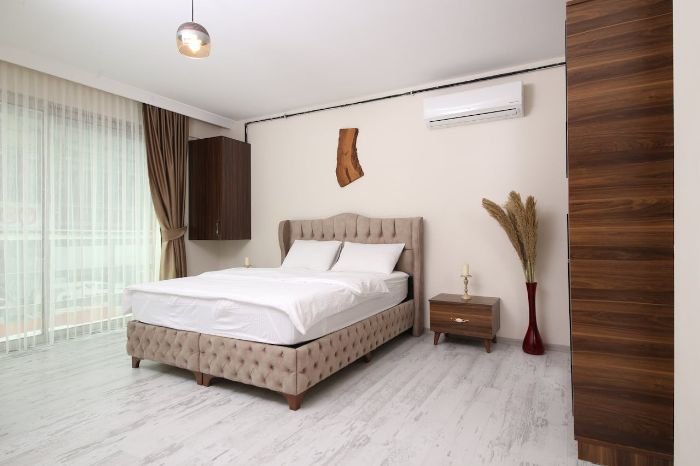
Achieving the Right Temperature in Different Seasons
Keeping your bedroom at the perfect temperature all year is key for good sleep. You need to adjust your approach for summer heat and winter cold. Using the right tips can make your bedroom comfy, no matter the season.
Cooling Tips for Warm Summer Nights
In summer, it’s important to keep your bedroom cool. This helps you sleep better as your body cools down. Here are some tips for staying cool:
- Use air conditioning or fans to circulate cool air throughout the bedroom.
- Close curtains, shades, or blinds during the day to minimize heat build-up.
- Opt for breathable bed linens made from cotton, linen, or silk to promote air circulation.
- Take a cool shower or bath before bed, which can help lower body temperature.
- Keep humidity in check since excessive moisture can disrupt sleep rhythms.
Warming Solutions for Chilly Winter Evenings
In winter, your bedroom needs to stay warm for comfort. Good winter solutions make your bedroom cozy. Here are some ideas:
- Layer bedding with warm materials such as quilts or comforters to retain heat.
- Insulate windows with thermal curtains to minimize cold drafts.
- Utilize a heated mattress pad to provide extra warmth without overheating.
- Ensure proper ventilation to balance air quality and temperature.
- Choose sleepwear made from wool or thermal fabrics to enhance warmth.
Tools and Technologies for Temperature Control
Keeping your bedroom cool or warm is easier with modern tech. Smart thermostats and other tools can make your sleep better. A good air conditioning plan helps keep your sleep area perfect all year.
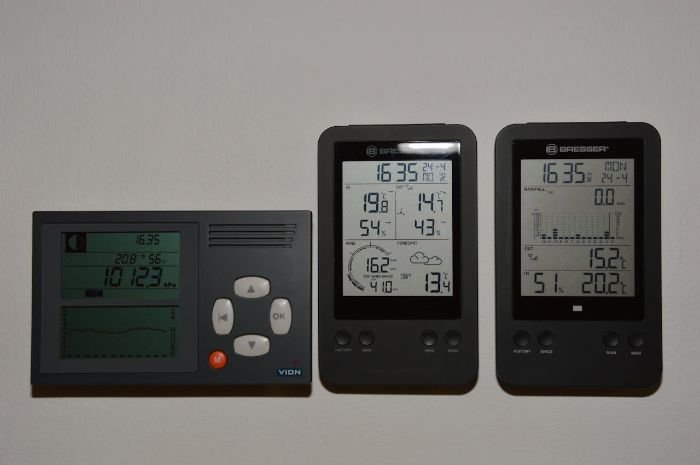
Smart Thermostats for Year-Round Comfort
Smart thermostats change how we control our home’s temperature. They let you set your own heating and cooling. Brands like Ecobee, Google Nest, and Honeywell Home offer features for easy control.
Prices start at $200, with sensors costing about $40 each. These devices are easy to use and save energy. This means lower bills and a cozy sleep area.
Using Fans, Heaters, and Air Conditioners Efficiently
Fans, heaters, and air conditioners are key for all-year comfort. Ceiling or oscillating fans help cool in summer. Portable heaters or central systems keep it warm in winter.
- Choose energy-saving models to cut costs.
- Smart vent systems, priced $80 to $130 per vent, offer room-by-room control.
- Use breathable pillows and sheets with active cooling systems like the Eight Sleep Pod 4 for the best temperature.
The Eight Sleep Pod 4 lets couples set their own temperatures. It cools or warms between 55 and 110 degrees Fahrenheit. This is great for those who sleep hot or have trouble with temperature at night.
Natural Ways to Regulate Bedroom Temperature
Finding the right sleep temperature is easy with simple methods. Using ventilation and the right window treatments helps. This makes your bedroom a peaceful place for sleep.

The Role of Ventilation and Window Treatments
Good air flow is key to a cool bedroom. Open windows at night for fresh air. Close them during the day to block sunlight and heat.
- Medium-colored drapes with plastic backing cut heat by 33%.
- Insulated cellular shades block 60% of solar heat.
- Window awnings stop 65% of solar heat.
These steps improve air flow and help you sleep better.
Choosing the Right Bedding and Sleepwear
The right bedding and sleepwear are crucial for comfort. Choose light, breathable fabrics for better air flow. This helps keep your body cool all night.
- Wear pajamas that breathe or wick moisture.
- Opt for cotton or linen bedding for better temperature control.
- Try different thicknesses of sleepwear to find what works best for you.
These tips help make your bedroom a cozy sleep spot. Use good ventilation and bedding that suits you. This way, you’ll sleep better and feel great.
Common Mistakes to Avoid
Getting good sleep depends on the right bedroom temperature. Some common actions can actually hurt your sleep. Knowing these mistakes can make your sleep better.
Overheating the Room in Winter
In winter, many people heat their rooms too much. This makes the room too hot, causing discomfort at night. It’s important to find the perfect temperature for sleep.

The Department of Energy suggests keeping the room at 68 degrees Fahrenheit. This not only helps you sleep better but also saves energy. Lowering the thermostat by just one degree can cut heating costs by 3% or more.
Using Improper Insulation Techniques
Insulation mistakes can also affect your sleep. Bad insulation lets in drafts and changes the room’s temperature too much. This makes it hard to sleep well.
Insulation that’s not good enough can also raise your energy bills. Using the right insulation materials and methods keeps your room at a steady temperature. Good window treatments and weather stripping can help fix these problems.
Final Tips for Maintaining Optimal Sleep Conditions
To get the best sleep, make your sleep area the same every night. Keep your bedroom cool, around 65 degrees Fahrenheit. This helps you sleep better. Also, having a regular sleep schedule and the right temperature makes your sleep deeper and less interrupted.
Consistent Sleep Environment Habits
Good sleep habits make your nights better. For example, change your sheets every two weeks to avoid dust mites. Also, avoid bright lights in the evening. This helps you sleep deeper and feel refreshed in the morning.
Combining Temperature Control with Other Sleep Enhancements
Using temperature control with other sleep tips makes your sleep even better. Try using lavender essential oil to relax and wake up feeling good. Also, exercise and drink caffeine wisely. This helps your body sleep better and feel more refreshed.
FAQ
What is the ideal bedroom temperature for optimal sleep?
The best bedroom temperature for sleep is between 60°F and 68°F. Many people find 65°F is perfect. But, it really depends on your sleep patterns and metabolism.
How does temperature affect sleep quality?
Temperature is key for good sleep. A cooler room helps your body cool down, which is good for sleep. Too warm a room can make you wake up more and hurt your sleep quality.
What should I do to keep my bedroom cool during summer?
To cool your bedroom in summer, use air conditioning and fans. Choose breathable bedding. Also, close curtains during the day to keep it cool.
How can I maintain warmth in my bedroom during winter?
To stay warm in winter, use layered bedding and insulated windows. Heated mattress pads can also help. Just make sure you don’t get too hot.
What tools can help manage bedroom temperature?
Smart thermostats are great for keeping the right sleep temperature. They let you set it automatically. Fans, air conditioners, and heaters also help by keeping the air moving and the temperature steady.
How can I naturally regulate bedroom temperature?
To naturally regulate temperature, use ventilation like opening windows. Use curtains to block sunlight. Choose lightweight, breathable bedding and sleepwear for comfort.
What common mistakes should I avoid regarding bedroom temperature?
Avoid overheating in winter by not setting the thermostat too high. Also, don’t let drafts in by not insulating well. Both can mess up your sleep.


