






Natural plant/essential oils can influence mood and help manage daily stress when used in a home setting. Scientific research supports the calming effects of specific oils, which act through scent receptors and gentle topical use. Lavender, chamomile, and frankincense are particularly valued for their ability to promote relaxation and restore a sense of peace after a demanding day. Integrating these oils into household routines may benefit sleep quality, support emotional balance, and create a restorative indoor atmosphere.
Key Takeaways
- Lavender oil reduces feelings of tension and supports deep, restful sleep.
- Chamomile oil calms irritability and helps the body unwind before bedtime.
- Frankincense oil aids in creating a peaceful space for quiet activities or meditation.
- Bergamot and ylang ylang oils elevate mood and help lessen emotional fatigue.
- Practical home uses involve diffusers, evening baths, pillow mists, and diluted blends for skin application.
Table of Contents
How Aromatic Compounds Influence Stress Responses in a Home Environment
Fragrance molecules released by plant oils interact directly with the olfactory system, triggering neural pathways that affect emotional and physiological states. In a domestic setting, certain scents can rapidly shift mood, ease mental fatigue, and facilitate the transition from alertness to relaxation. Scientific studies on aromatherapy highlight specific plant oils with the greatest impact on stress levels, providing actionable insights for those seeking natural stress management solutions at home.
Olfactory Pathways and Emotional Regulation
When inhaled, volatile molecules from lavender, chamomile, or frankincense bind to olfactory receptors located in the nasal cavity. Signals travel to the limbic system, the brain’s emotional center, where they influence mood, anxiety, and energy balance. Functional MRI studies show measurable reductions in amygdala activation and lower cortisol levels following exposure to calming scents. For many people, a few minutes of inhalation can create a perceptible shift toward calm, especially in familiar, safe environments.
Common Stressors at Home and the Role of Scent
Home environments are often shaped by unpredictable stressors – noise, unfinished tasks, and family dynamics all contribute to a baseline sense of tension. The regular introduction of soothing aromas offers an accessible method for managing these daily pressures. For example, diffusing lavender oil in the evening can support a peaceful wind-down routine, while frankincense provides grounding support during moments of overwhelm or transition. Personal routines that incorporate scent can become a reliable signal to the body that it’s time to relax, echoing the principles of mindful gardening.
Evidence from Home Use – Practical Observations
Households that integrate aromatherapy report improvements in quality of sleep, emotional stability, and conflict management. One observational study tracked families using lavender diffusers during evening hours; participants noted faster transitions to bedtime and fewer reports of restlessness in both children and adults. Another case involved individuals practicing guided meditation with frankincense aroma, who described a more rapid release of physical tension and improved ability to focus. Such real-world feedback reflects not only the direct biochemical impact of plant oils but also their value as cues for healthy routines.
Intentional use of natural scent in the home context can reshape emotional patterns, turning ordinary living spaces into havens of restoration. The choice of plant oil, timing, and method of introduction all determine the outcome. For many, building consistent aromatic rituals yields steady improvements in mood and resilience, providing a simple but effective tool for long-term stress management.
Essential Oils Proven to Reduce Stress and Enhance Relaxation Indoors
Research into the effects of plant-derived oils reveals clear differences in how individual scents influence stress recovery, mood stability, and restorative rest. Not every oil calms the mind or body in the same way. Results depend on each oil’s chemical composition and the context of use. For households seeking natural tools to create a peaceful atmosphere, a handful of oils stand out for their reliability, versatility, and supportive evidence base.
Lavender Oil – Sleep, Mood, and Tension Relief
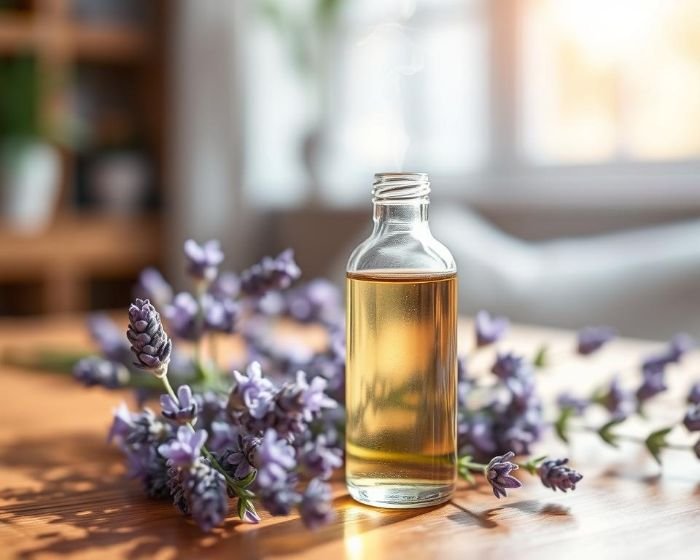
Lavender oil contains compounds such as linalool and linalyl acetate, which act directly on the nervous system. Several clinical studies report reductions in measured anxiety levels, improved sleep onset, and fewer nighttime awakenings when lavender is inhaled before bed. Many people find that a simple pillow mist or bedroom diffuser with lavender aroma encourages a sense of safety and quiet, turning evening routines into moments of genuine rest.
Chamomile Oil – Calming the Body and Mind
Chamomile, particularly Roman chamomile, carries apigenin and bisabolol among its main active ingredients. These compounds appear to interact with receptors involved in relaxation, helping to decrease irritability and physical tension. Households that use chamomile in baths or as part of a pre-bedtime routine often notice an easier transition into restful sleep and fewer complaints of muscle tightness or mental agitation.
Frankincense Oil – Promoting Stillness and Focus
Frankincense stands apart for its historical and contemporary use in rituals, meditation, and quiet practices. Its main component, alpha-pinene, is linked with a shift in brainwave patterns associated with relaxation and alertness. People using frankincense during yoga, reading, or meditation report greater ease in letting go of distracting thoughts and achieving a steady, focused presence. For home environments that value quiet time or mindful transitions, frankincense can be an effective addition.
Bergamot and Ylang Ylang – Restoring Emotional Balance
Bergamot, a citrus oil, has been shown to influence serotonin and dopamine pathways. Its scent often brings a feeling of lightness and optimism, making it popular during afternoon slumps or after stressful conversations. Ylang ylang offers a sweet, floral aroma linked with reductions in blood pressure and reports of improved mood. Using either of these oils in a living area or workspace supports a climate of emotional renewal and resilience.
A thoughtful selection of essential oils allows each scent to serve a clear function within the home. Lavender and chamomile work best for winding down in the evening or preparing for restful sleep. Frankincense encourages stillness during quiet activities or meditation. Bergamot and ylang ylang bring energy and balance to daytime routines. By integrating specific aromas into daily patterns, households gain practical, evidence-based strategies for supporting relaxation and emotional stability.
Practical Techniques for Applying Essential Oils in a Home Setting
Effective stress management with aromatic oils depends on more than scent selection. Method of use, dosage, and timing all influence outcomes. In a home environment, understanding how to safely and efficiently apply plant oils creates a clear path toward a calmer, more restorative atmosphere. Years of both clinical practice and home experimentation have produced reliable routines that balance safety, sensory enjoyment, and measurable benefits.
Diffusion – Filling Living Spaces with Calming Aromas
Diffusing essential oils distributes tiny scent molecules throughout a room. Ultrasonic or nebulizing diffusers both serve the same purpose, though each device varies in mist density and coverage. An optimal session lasts between 20 and 45 minutes, typically in the evening or after periods of activity. A few drops of lavender or bergamot oil introduced into the diffuser water create a subtle but persistent change in the room’s mood. For smaller spaces, reed diffusers deliver a slower, longer-lasting effect and require less supervision. Routine diffusion not only freshens the air but also helps establish a sensory cue for relaxation, signaling the body to unwind after daily demands.
Topical Application – Blending with Carrier Oils for Safe Use
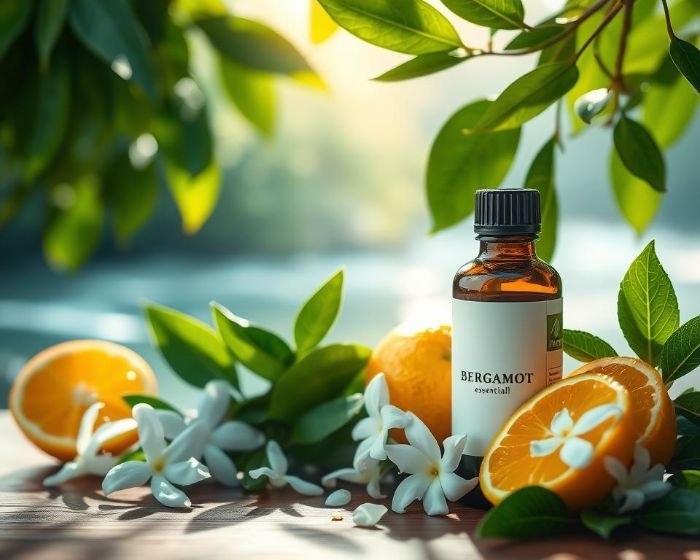
Direct skin contact with undiluted plant oils often causes irritation or allergic response. To avoid this, always combine aromatic oils with a carrier such as sweet almond, jojoba, or fractionated coconut oil. Standard dilution for general use is 2 percent, which means about 12 drops of plant oil per ounce of carrier. Apply the blend to pulse points, the back of the neck, or along the forearms. Massaging the diluted oil into the skin encourages deeper absorption and can amplify the calming effect, especially before rest or after exposure to household stressors.
Baths and Showers – Enhancing Water Routines for Relaxation
Adding aromatic oils to a warm bath offers a dual route for both inhalation and skin absorption. Before pouring into the tub, always mix the oil with a dispersant such as Epsom salt or a small amount of unscented bath gel. For best results, combine 5 to 10 drops of oil with a cup of salt, then dissolve under running water. This routine is particularly effective with chamomile and lavender, known for their ability to quiet restlessness and soothe muscle tension. Those with limited time often add a few drops of oil to a damp washcloth for use during a steamy shower, creating a momentary oasis in the midst of a busy day.
Homemade Sprays and Linen Mists – Subtle Ways to Reinforce Calm
Aromatic sprays offer another avenue for integrating calming scents into household rhythms. Blending plant oils with distilled water and a dash of alcohol produces a fine mist suitable for bedding, curtains, or living room fabrics. A typical formula involves 10 drops of oil per 100 milliliters of liquid. Linen mists are especially effective for reinforcing bedtime routines, as a gentle application to pillows or blankets creates an immediate sensory association with sleep and safety. For added freshness, use citrus or floral oils during daytime hours, reserving richer aromas like frankincense for evenings.
Every household develops its own set of preferences for integrating essential oils into daily life. By experimenting with diffusion, topical blends, water routines, and sprays, it becomes possible to identify the most effective strategy for each unique space and schedule. Attention to safety, dilution, and timing protects health while maximizing the restorative effects of natural scent. Over time, intentional routines built around aroma can reshape how stress is processed and managed within the home.
Creating Custom Aromatic Blends for Home Stress Relief
Single oils often address one aspect of stress, but combining scents can amplify both effect and enjoyment. A carefully designed blend takes into account individual triggers, preferences, and household routines. By mixing compatible oils, it becomes possible to target specific stressors, encourage better sleep, or promote a sense of stability throughout the day. The practice of blending allows for experimentation and personalization, aligning aromatic routines with the unique rhythm of each home.
Principles of Successful Blending
A well-balanced blend uses three types of aromas – top, middle, and base notes. Citrus oils such as sweet orange or lemon introduce a fresh first impression that fades quickly. Middle notes like lavender or Roman chamomile give each blend its core soothing quality and maintain the aroma’s presence over time. Base notes, including frankincense or sandalwood, contribute a steady, grounding effect that lasts longest in the air. Many home users begin with three parts top note, two parts middle, and one part base, then adjust to fit the occasion and personal preference.
Popular Blend Recipes for Everyday Stressors
Certain recipes have earned a place in home routines for their reliable effects. For evening relaxation, a mixture of four drops of lavender, three drops of Roman chamomile, and two drops of sandalwood supports both calm and sleep. To lift low mood on cloudy days, combine three drops of bergamot with two drops of ylang ylang and one drop of frankincense in a diffuser. Morning routines benefit from energizing blends, such as a mix of sweet orange, a touch of rosemary, and a hint of peppermint, which can sharpen focus and dispel sluggishness. Each blend is most effective when tailored to the situation and mood of the household.
Safety and Compatibility in Home Blending
Effective blending goes hand-in-hand with awareness of individual sensitivities. Always introduce new combinations gradually, starting with lower concentrations and monitoring for skin irritation or allergic response. Children, pets, and those with respiratory issues may require extra caution, as some oils can trigger adverse reactions. Consulting a trusted resource or qualified aromatherapist helps avoid incompatible pairings and maximizes both safety and enjoyment. Proper storage in dark glass bottles away from heat or sunlight preserves the strength and purity of each homemade blend.
Blending aromatic oils at home turns stress management into a creative process, allowing for adaptation as seasons, routines, and needs change. Each custom mixture carries both a practical and personal value, supporting well-being through scent while also reflecting the preferences and personalities of those who share the space.
Choosing the Right Aromatic Oil for Stress Relief: Direct Comparisons for Home Use
Selecting the most suitable oil for stress relief depends on more than personal preference. Distinct plant oils vary in their active compounds, speed of effect, ideal method of use, and safety for different age groups or household settings. By examining these qualities side-by-side, home users can confidently match each oil to a specific routine or need. Comparing main features also clarifies when to favor a single oil, a blend, or an alternating schedule.
Direct Comparison of Popular Stress-Relief Oils
Below is a structured comparison of widely used aromatic oils, highlighting their main calming effects, preferred application methods, onset time, and known cautions.
| Oil | Main Calming Effects | Best Home Use | Onset Time | Safety Notes |
|---|---|---|---|---|
| Lavender | Reduces tension, supports sleep | Diffuser, pillow spray | 5-15 minutes | Generally safe; dilute for skin |
| Roman Chamomile | Eases restlessness, soothes body | Bath, topical blend | 10-20 minutes | Avoid if allergic to ragweed |
| Frankincense | Promotes calm focus, stillness | Meditation, diffuser | 10-30 minutes | Rare skin sensitivity possible |
| Bergamot | Uplifts mood, reduces anxiety | Afternoon diffuser | 5-10 minutes | Phototoxic – avoid sunlight on skin |
| Ylang Ylang | Lowers blood pressure, relaxes | Evening diffuser, bath | 10-20 minutes | Can cause headache in high doses |
This table serves as a practical reference for deciding when and how to use each oil for maximum impact in a home setting.
Selecting Oils for Different Household Needs
Different spaces and times of day call for different approaches. Bedrooms benefit most from calming aromas such as lavender or chamomile in the hours before sleep. Family living areas often see better results from uplifting oils such as bergamot or sweet orange during busy afternoons. Spaces used for meditation or quiet work gain stability from deeper scents such as frankincense or sandalwood. By mapping oil selection to each activity, households can maintain a sense of calm and adaptability across changing routines.Customizing your essential oil blends lets you tailor them to your needs. For holiday stress, try a mix with Frankincense and Ylang Ylang. Make sure each oil works well with the others for the best results.
Comparing oils side by side reveals subtle strengths and limitations. With a clear overview of each oil’s profile, households can build a flexible, evidence-driven approach to stress management. Choosing wisely not only amplifies daily comfort but also reduces the risk of unwanted reactions or wasted product.
Safety Guidelines and Common Mistakes in Home Aromatherapy
Bringing plant-based oils into household routines offers comfort and mood support, but improper handling or use can undermine intended benefits. Sensitivity, improper dilution, and product quality often determine whether aromatherapy becomes a healthy support or an avoidable risk. Understanding practical safety guidelines and recognizing frequent pitfalls protects both well-being and investment.
Proper Dilution and Skin Safety
Direct application of undiluted plant oils can irritate skin or trigger allergic responses. A standard dilution for adults involves mixing no more than 12 drops of aromatic oil with one ounce of carrier, such as jojoba or sweet almond. Children, pregnant individuals, and those with sensitive skin require even lower concentrations – often just one or two drops per ounce. Always test new blends on a small patch of skin and wait 24 hours to rule out redness or discomfort. Washing hands after blending or application further reduces the risk of accidental contact with eyes or sensitive areas.
Recognizing and Avoiding Sensitization
Repeated use of the same oil in high concentration sometimes leads to sensitization, a condition where the skin develops an allergy over time. Rotating oils, maintaining lower concentrations, and observing breaks between applications reduce risk. Oils with a higher tendency to cause reactions, such as cinnamon or clove, should be reserved for rare use or heavily diluted when used in blends.
Product Purity, Sourcing, and Storage
Quality varies greatly across brands and suppliers. Look for oils sold in dark glass bottles, labeled as pure, and free from synthetic additives. Choose reputable vendors that provide batch-specific information or third-party testing when possible. Oils degrade when exposed to light, heat, or air; storing bottles in a cool, dark space preserves potency. Never use expired or oxidized oils, as they are more likely to irritate or trigger unwanted reactions.
Common Home Mistakes and How to Prevent Them
Overuse of diffusers in unventilated rooms can cause headaches or respiratory discomfort, especially for children or pets. Set limits on diffusion time, usually under 45 minutes, and ensure airflow by opening a window or door. Avoid adding oils to humidifiers, as the internal mechanics are not designed for oil dispersal and may break down or spread particles unevenly. For topical use, never apply oil to broken skin or mucous membranes, and avoid sensitive zones such as the eyes and inner ears.
Safe, informed use of plant-based oils maximizes comfort and relaxation while reducing avoidable risks. Attention to dilution, rotation, sourcing, and method of application forms the basis for healthy home routines. When in doubt, consulting a licensed aromatherapist or healthcare provider ensures practices remain both effective and safe for all household members.
Conclusion – Building a Calmer Home Through Thoughtful Use of Aromatic Oils
Aromatic oils offer a practical pathway for reducing stress and supporting emotional well-being in daily life. Choosing the right scent, applying safe methods, and paying attention to individual and household needs allows each routine to deliver measurable improvements in mood, sleep, and overall comfort. Reliable research and generations of home experience point to lavender, chamomile, frankincense, and selected florals as the most effective options for those seeking to manage stress naturally. With careful attention to quality, safety, and personal preference, any home can become a place of greater resilience and tranquility.
FAQ
What is the safest way to introduce aromatic oils to a household with children or pets?
Begin with low concentrations in well-ventilated spaces and select oils recognized for safety, such as lavender or Roman chamomile. Avoid oils known for higher toxicity to pets (e.g., tea tree or eucalyptus). Always observe for adverse reactions during initial uses and consult a veterinarian or pediatrician for tailored guidance.
Can aromatic oils interfere with prescription medications or medical conditions?
Certain oils, particularly those with strong bioactive compounds, may interact with medication metabolism or exacerbate some conditions. For example, people with epilepsy should avoid rosemary oil. Those taking anticoagulants should use oils with blood-thinning properties, such as wintergreen, only under medical supervision. Always inform your healthcare provider about any regular aromatherapy use.
How can I measure the purity and authenticity of an aromatic oil before purchase?
Purity is best verified through third-party laboratory testing. Request a GC/MS (gas chromatography/mass spectrometry) report from the supplier, which details the oil’s chemical profile. Prefer oils labeled with full botanical name, country of origin, and extraction method. Packaging in dark glass bottles and clear expiry dating further support product integrity.
Which aromatic oils should be avoided during pregnancy?
Some oils, such as clary sage, cinnamon, and basil, can stimulate uterine contractions or cause hormonal effects and should be avoided during pregnancy. Stick to milder options, including lavender and citrus oils, and always consult an obstetrician before starting any new aromatic practice during pregnancy.
What causes headaches or nausea after diffusing an oil?
Overexposure, poor ventilation, or the use of low-quality or oxidized oils often trigger headaches or nausea. Reduce diffusion time, ventilate the room, and switch to high-quality, unadulterated oils. Individual sensitivities vary; discontinue use if discomfort persists and seek medical advice if symptoms are severe.
Is there a difference between synthetic fragrance oils and pure plant-derived oils in terms of stress relief?
Synthetic fragrances lack the full spectrum of active compounds present in pure plant oils and generally do not produce the same physiological or psychological effects. Only pure, unadulterated oils retain the volatile molecules shown in studies to influence stress response and mood. Always confirm source and composition before purchase or use.
How should aromatic oils be stored to maintain potency and safety?
Store oils in tightly sealed, dark glass bottles, away from sunlight and heat sources. Ideal storage temperatures fall between 5°C and 20°C (41°F to 68°F). Keep bottles upright and minimize exposure to air. Proper storage slows oxidation and preserves both efficacy and safety over time.


