





Have you ever thought about how cleaning products affect the air and water? Traditional cleaners might seem safe, but they can harm the environment. They release toxic chemicals into the air and water, and their production and transport create a lot of carbon.
Using these products can make our homes unhealthy. Studies show that people who use them a lot are more likely to get asthma. Sadly, over 1,000 marine species are also harmed by water pollution from these cleaners.
Choosing eco-friendly products is better for our health and the planet. It helps keep our ecosystems safe and clean.
Key Takeaways
- Traditional cleaning products can harm indoor air quality, causing respiratory issues.
- Over 400,000 injuries occur annually due to exposure to cleaning chemicals.
- Many common cleaners contain non-biodegradable chemicals harmful to ecosystems.
- Switching to green cleaning alternatives helps mitigate health and environmental risks.
- One study linked the use of traditional cleaners to an increased risk of developing asthma.
- Green cleaning products are often biodegradable and come in eco-friendly packaging.
Table of Contents
Understanding the Environmental Impact of Traditional Cleaners
Household cleaning products often have toxic chemicals. These chemicals are bad for the environment and our health. They include volatile organic compounds (VOCs) that pollute the air.
These substances stay in the environment for a long time. This shows why we need to choose cleaner options. It’s good for us and the planet.
Common Chemicals Found in Household Cleaners
Many household cleaners have harmful chemicals. Some common ones are:
- Phosphates
- Chlorine bleach
- Fragrance compounds
- Ammonia
- VOCs
A study by the Environmental Working Group found over 2,000 cleaning products are toxic. This is scary, especially when we learn that detergent and disinfectants get into our water.
How These Chemicals Affect the Air, Water, and Soil
Traditional cleaners harm more than just our homes. A 2002 study found detergent in 69% of streams and disinfectants in 66%. This is bad for fish and plants.
Also, the Environmental Working Group found 250 chemicals in drinking water for 280 million people. Over 160 of these have no limits.
Using cleaners with VOCs can make indoor air worse than outside. This can cause breathing problems. Water contamination is also a big issue, with over 40,000 places reporting cancer-causing substances.
The Dangers of Chemical Cleaners for Aquatic Life
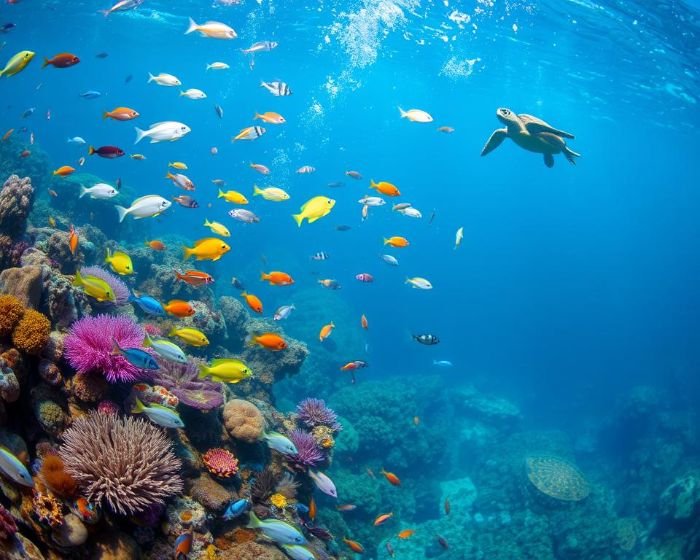
Chemical cleaners are bad for water life. They have harmful stuff like phosphates and nitrates. When we throw them away wrong, they pollute our waterways.
Phosphates in cleaners can make water very dirty. They cause too much algae to grow. This makes the water have less oxygen, hurting sea creatures.
The Role of Phosphates and Nitrates in Water Pollution
Phosphates and nitrates in cleaners and fertilizers pollute water. Too much phosphate makes algae grow too much. This harms the water and its creatures.
Studies show that phosphates in wastewater hurt our water. It makes the water worse for life in it.
Bioaccumulation and Its Effect on Marine Ecosystems
Bioaccumulation makes things worse for sea life. Harmful chemicals from cleaners build up in sea animals. This makes them toxic and harms the whole food chain.
This toxicity can come back to us when we eat polluted seafood. It’s important to keep our water clean for sea life and for us.
Health Risks of Chemical Cleaners on Human Health
Chemical cleaners are harmful, especially because they pollute indoor air. Many cleaning products have volatile organic compounds (VOCs). These can cause breathing problems over time.
A study found 530 unique VOCs in 30 cleaning products. 193 of these are hazardous. This shows the dangers of being around these chemicals while cleaning.
Indoor Air Pollution and Respiratory Issues
Indoor air pollution is a big problem, especially where cleaning products are used a lot. These products can make indoor air very bad. Workers in cleaning jobs are 50% more likely to get asthma and 43% more likely to get lung disease.
This shows a strong link between chemical cleaners and serious breathing problems.
Allergies, Skin Irritation, and Long-Term Health Risks
Exposure to harmful cleaning chemicals can also cause allergies and skin problems. Symptoms include eye irritation, skin rashes, and headaches. About 75% of cleaning products have irritants.
Using these products a lot can lead to serious health issues. For example, women in cleaning jobs are at higher risk of lung cancer. It’s important to protect yourself from these risks. Many cleaning supplies don’t list all their ingredients.

Benefits of Switching to Green Cleaning Alternatives
Choosing green cleaning has many benefits for the planet and your family’s health, as shown by
proven advantages of eco-friendly products over conventional alternatives. Eco-friendly products are made from biodegradable ingredients. This means they don’t harm the environment as much.
By using these products, you help keep your home and the planet clean. It’s a win-win for everyone.
Reducing Environmental Pollution with Green Products
Green cleaning fights pollution with safe and sustainable items. The main advantages are:
- Less waste from harmful chemicals.
- Cleaner air because of fewer VOCs in traditional cleaners.
- Effective cleaning without the dangers of allergens and irritants.
How Green Cleaning Products Are Safer for Your Family
Going green makes your home healthier, especially for kids and pets. The main benefits are:
- Less risk of breathing problems and skin issues from toxic chemicals.
- Better air inside, which means fewer sick days.
- Using packaging that breaks down easily, cutting down on plastic waste.
Choosing green cleaning makes your home safer and more eco-friendly. It’s good for your family’s health and the planet.
Key Ingredients to Look for in Eco-Friendly Cleaners
The move to eco-friendly cleaners is growing. It shows we care about our health and the planet. Looking for key ingredients helps us choose safer, effective cleaners.
Plant-based stuff and avoiding bad additives are key. These choices help us clean better and protect the environment.
Plant-Based Ingredients for Safe and Effective Cleaning
Ingredients like vinegar, baking soda, lemon, and essential oils are great. They clean well and have many benefits:
- Vinegar – It’s safe and kills germs.
- Lemon – It fights germs and smells good.
- Baking Soda – It gets rid of bad smells and stains.
- Essential Oils – They kill germs and smell nice.
Using these ingredients in DIY cleaners makes your home healthier; adding mood-enhancing essential oils can further boost freshness and well-being. Eco-friendly products often come in less packaging, which is good for the planet.
Avoiding Harmful Additives like Phthalates and Triclosan
Stay away from bad stuff in regular cleaners. Phthalates and triclosan are harmful. They can hurt us and the planet.
Choosing cleaners with safe ingredients makes your home cleaner. It also keeps you and your family healthy.
DIY Natural Cleaning Solutions as an Eco-Friendly Option
Making your own cleaning solutions at home is rewarding, and you can find simple homemade formulas that are both cost-effective and eco-friendly. DIY cleaners clean well and make your home healthier. You can use baking soda, vinegar, and lemon to make safe and cheap cleaners, or explore basic essential oil techniques to add natural fragrance without synthetic chemicals.
Easy Recipes Using Baking Soda, Vinegar, and Lemon
Here are simple recipes for natural cleaners:
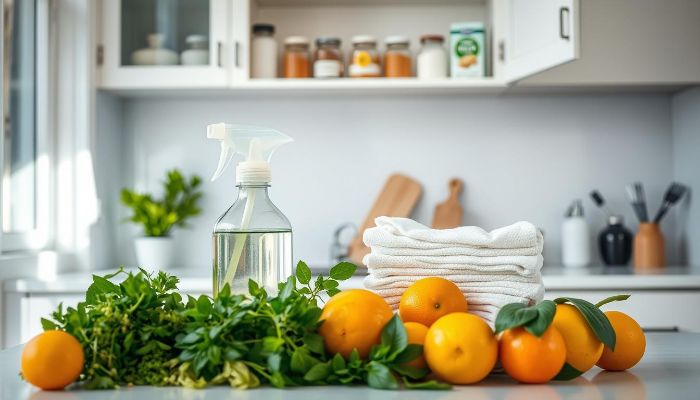
- All-Purpose Cleaner – Mix equal parts of distilled white vinegar and water in a spray bottle. This works on countertops, tables, and bathroom surfaces.
- Baking Soda Scrub – Mix baking soda with a bit of water to make a paste. It’s good for scrubbing tough stains in sinks and tubs.
- Lemon Freshener – Mix fresh lemon juice with water. It’s great for cutting grease on kitchen surfaces.
- Glass Cleaner – Mix one cup of vinegar, one cup of water, and a few drops of dish soap. It makes glass clean without streaks.
Benefits of Making Your Own Cleaners at Home
Using natural cleaners has many benefits. DIY cleaners avoid harmful chemicals found in commercial products. By choosing eco-friendly options, you can:
- Reduce waste by using reusable containers and ingredients.
- Control what goes into your cleaners, avoiding harmful additives.
- Save money since common household items are cheaper than store-bought cleaners.
- Improve indoor air quality, making your home healthier.
Creating your own cleaners with natural ingredients is affordable and eco-friendly. It keeps your home and the environment safe.
How to Make the Transition to Green Cleaning Products
Switching to green cleaning products is easy. First, check the labels of your cleaners for harmful chemicals. Look for brands that use eco-friendly ingredients and have certifications like Certified B Corp or EcoLogo. Choose products without VOCs, phthalates, and other toxins.
By picking biodegradable options, you help keep air and water clean. This is a big step towards a greener home.
Tips for Reading Labels and Choosing Sustainable Brands
Learn to read labels well to choose green cleaning. Look for products with plant-based and biodegradable ingredients. These are better for our oceans and ecosystems.
Many good brands, like Guests on Earth, list their ingredients and EWG scores. This helps you make smart choices. Even without labels, some brands are still eco-friendly.
Building a Greener Cleaning Routine for Your Home
Start by replacing one traditional cleaner with a green one. Try making your own cleaners with vinegar, baking soda, and lemon juice. This saves money and reduces plastic use.
Think about using eco-friendly cleaning services too. They make it easy to start using green cleaning. By choosing green products, you make your home cleaner and help the planet.
FAQ
What are the common environmental impacts of traditional household cleaners?
Traditional cleaners have toxic chemicals. These harm indoor air, water, and cause greenhouse gases. Making them uses a lot of resources, hurting both people and nature.
What chemicals are typically found in household cleaners, and why are they harmful?
Household cleaners often have VOCs and phosphates. VOCs make air worse, and phosphates pollute water. This harms both air and water.
How do cleaning chemicals affect aquatic ecosystems?
Chemicals like phosphates and nitrates cause eutrophication. This messes up water balance. It leads to bad algae, harming fish and other sea life.
What are the health risks associated with using chemical cleaners?
Chemical cleaners can make air bad, leading to breathing problems. Long-term use can also cause skin issues and other health problems.
Why should I consider switching to green cleaning products?
Green cleaners are better for the planet and people. They use safe, natural ingredients. Switching can make your home air cleaner and safer.
What key ingredients should I look for in eco-friendly cleaners?
Good eco-friendly cleaners have plant-based ingredients. Look for non-toxic and biodegradable stuff. Avoid harmful additives like phthalates and triclosan.
What tips can I follow to transition to green cleaning products?
Start by checking labels for eco-friendly brands. Slowly add green products to your cleaning. Choose sustainable options for a healthier home.