




Choosing the right tools for your yard is crucial. Some might think rakes are all the same. But actually, there are big differences between them.
In this part, we’ll look at the main differences between lawn and garden rakes. Knowing these will help you pick the best tool for your yard work or garden.
Let’s start exploring what makes these two rakes different. We’ll look at their unique features, what they’re best for, and the materials they’re made from. Ready to learn about lawn and garden rakes?
Key Takeaways:
- Lawn rakes and garden rakes have key differences that are important to understand.
- The design, best uses, and materials of these rakes can be different.
- Choosing the right rake makes work in your yard or garden easier and better.
- Next, we will get into the details of lawn rakes and garden rakes. We want to help you pick the perfect tool for your job.
- Now, let’s keep learning about the special features of these important yard tools.
Table of Contents
About Rakes for Gardening and Lawn Care
The right tools are key to a healthy garden or lawn. Rakes are very important for many tasks. They help with leaves, debris, thatch, and soil prep for plants.
Choosing the best rake is vital for a great outdoor space. You need to know the types of rakes out there. This way, your gardening efforts will be effective. Let’s look at why picking the best rake matters and the types you can find.
Importance of Choosing the Right Rake
Selecting the right rake is important for efficiency and protecting your lawn or garden. Rakes come in many types, each for a specific job. This ensures your work turns out well without extra hassle.
The correct rake can greatly help with fall cleanup, garden bed prep, or lawn care. It makes moving easier and collects debris well. This is crucial for good soil and plant growth.
Brief Overview of Rake Types
The market has various rakes, each with its own use. Here are common types:
- Garden Rake – Also known as a bow rake or level head rake, garden rakes are great for soil work. They clear debris, smooth soil, and level planting beds well.
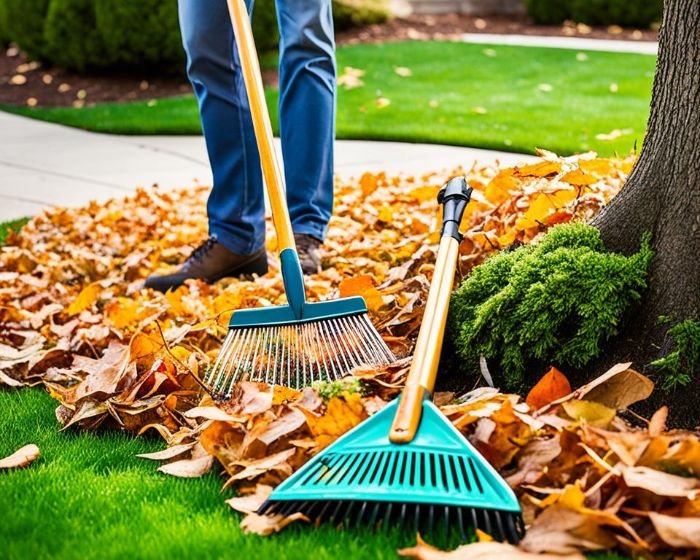
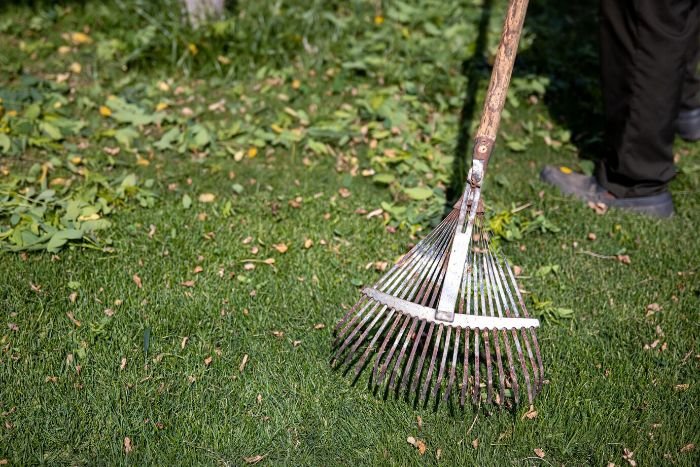
- Lawn Rake – Lawn rakes, or leaf rakes, are for light debris on lawns. They’re designed not to harm the grass while you clean up fast.
- Thatch Rake – Thatch rakes remove the layer of dead grass from above the soil. They help water and nutrients reach the grass roots more easily.
Each rake type has its own job and works best on certain surfaces. Knowing this helps you pick the best rake. This makes your gardening and lawn care more successful.
What Are Lawn Rakes?
Lawn rakes are special tools for yard work. They help with many tasks needed to keep a yard nice. These rakes have special parts that really work well for outside chores.
Design Features of Lawn Rakes
Lawn rakes have thin, bendable tines. These tines can be straight or curved. They are set up just right to gather up leaves, grass, and other stuff from the grass.
The handles come in different lengths but are usually long. This makes it easy to stand up and work. Most lawn rakes are built to last from strong materials like steel or light alloys.
Best Uses for Lawn Rakes in Yard Maintenance
There are many good things that lawn rakes can do for your yard. They work great for picking up leaves and other messes. This keeps your yard looking neat.
Lawn rakes also help with something called dethatching. This means they can pull out dead grass and junk, helping the good grass grow. They’re good for spreading fertilizer and making the soil breathe, too. So, whether your yard is big or small, a lawn rake is a must-have tool.
What Are Garden Rakes?
Let’s talk about garden rakes. They’re must-have tools for anyone who gardens. Garden rakes have unique features that set them apart from lawn rakes.
Design Features of Garden Rakes
Garden rakes are strong and have curved tines. Their tines are long and spaced widely apart. This helps them work well in soil, important for getting soil ready for plants.
They have strong handles made from wood, fiberglass, or metal. This handle lets them tackle tough gardening jobs. These rakes sometimes have soft grips for extra comfort when using them for a long time.
Optimal Uses for Garden Rakes in Cultivating and Preparing Soil
Garden rakes are great for getting soil ready. They break up clumps and get rid of rocks. They make the soil smooth for adding seeds or plants.
These rakes are also good for taking out weeds. They do this without harming plants or their roots. Their design helps stop soil from getting too hard, which is good for plants.
Garden rakes can also help spread mulch or compost. This is good for keeping the soil moist and stopping weeds. They are handy for many tasks, like gathering leaves and grass.
To make the most of your garden rake, choose the right one for your garden. Think about your garden’s size and the soil you have. With the right rake, you can make sure your soil is perfect for growing plants.
Key Differences Between Lawn Rakes and Garden Rakes
In this section, we will look at the main differences between lawn rakes and garden rakes.
Physical Characteristics – Tine Shape and Handle Length
The tines and handle length really set lawn rakes and garden rakes apart.
Lawn rakes have straight, closely spaced tines. They work well for gathering leaves and grass carefully.
Garden rakes have curved or fan-shaped, wider tines. They are good for turning soil or spreading mulch.
Material and Build Specifics
Lawn rakes use light materials like plastic. This makes them easy to use without hurting grass.
On the flip side, garden rakes are stronger. They are made of steel or forged iron for tougher jobs in the garden.
Both rake types can have different features based on quality. This includes stronger tines or easier-to-hold handles.
Choosing a Rake Based on Your Gardening Needs
Choosing the right rake depends on your garden tasks and what your yard needs. The right rake helps you do outdoor work better. Here are some tips to help you pick the best one.
When to Use a Lawn Rake Over a Garden Rake
Lawn rakes are for cleaning leaves, twigs, and grass off the ground. They have close, flexible tines to pick up this stuff easily. Garden rakes do more like leveling beds and mixing soil. Their stronger, wider tines work well for these jobs.
Assessing Your Yard and Garden Requirements
First, look at what your yard or garden needs. Think about these things:
- Type of tasks – Focus on what you mostly do outside. For lawns, grab a lawn rake. Need to work the soil or level beds? Go for a garden rake.
- Yard size – How big is your outdoor space? Small areas need a light, short rake. Big places do better with a longer rake to save your back.
- Soil type – Think about your soil. Sandy soil needs a rake with sturdy tines to break clumps. For clay, pick one with flexible tines to smooth without packing down the soil.
- Specific needs – Consider any special needs your garden might have. Lots of debris? Choose a wide rake for faster cleaning. Working around fragile plants? Look for a rake with soft tines to avoid harm.
Thinking about all these points will help you choose the perfect rake for your gardening. The right tool makes outside jobs easier and more fun.
Tips for Using Lawn Rakes Effectively
Here, you’ll find handy tips for using lawn rakes well. This will make picking up leaves and debris easy. Your lawn will stay clean and neat.
Techniques for Efficient Leaf and Debris Collection
Getting leaves and debris is all about how you move and where you stand. Here’s how to make the most of your rake:
- Start with a clear area – Clear away big obstacles first. This makes raking easier.
- Position yourself correctly – Stand with your feet apart and knees bent. It makes you stable and helps you reach well.
- Use gentle strokes – Avoid harsh raking. Smooth strokes can pick up leaves without mess.
- Rake in a consistent direction – Pick one path to rake in to avoid going over the same spot twice. This makes sure you don’t miss any leaves.
- Pile and dispose – Make piles of leaves as you go. Then, get rid of the piles when you’re done.
These tips will make collecting leaves and debris easier and more fun.
Care and Maintenance Tips to Extend Rake Lifespan
Looking after your rake helps it last longer and work better. Try these tips:
- Regular cleaning – Clean your rake after every use. Take off grass, leaves, and dirt to keep it working well.
- Inspect for damage – Check your rake often for damage or signs of wear. Fix any problems quickly to keep it in good shape.
- Store properly – Store your lawn rake in a dry place when not using it. This keeps it from getting damaged by bad weather.
- Handle with care – Be gentle when you use your rake. This avoids breaking it and makes it last longer.
These tips can help your rake stay in good shape for a long time. This means you can keep your yard tidy without any problems.
Tips for Using Garden Rakes Effectively
Keeping your garden healthy needs you to use your garden rake right. This part tells you how to get the soil ready and pull out weeds. We’ll also show you how to look after your rake. This makes sure it lasts a long time.
Strategies for Soil Preparation and Weed Removal
Getting the soil ready is key for plants to grow well. Here is how to do it with your garden rake:
- First, get rid of big stuff like rocks and weeds with your rake. This makes the surface clean and ready for planting.
- Next, hold the rake at a slight angle to level the soil. Push the rake back and forth gently. This makes the soil even.
- For soil that is too hard, use the rake’s tines to aerate it. Push them in and pull up a bit. This helps air get into the soil.
- To remove weeds, lightly rake over the soil. This pulls out the weeds and keeps them from taking away from your plants.
With these steps, you’ll have soil that’s perfect for your plants.
Ensuring Durability Through Proper Care and Storage
Looking after your rake well makes it last longer. Here’s how to care for and store your rake:
- Always clean the rake after each use. Get rid of soil and debris with a brush or water. Clean between the tines well.
- Make sure the rake is completely dry before you put it away. Wipe it down or let it dry in the sun.
- Keep the rake in a dry place, not too hot or wet. Hanging it up keeps it safe and tidy.
- If the handle breaks or gets loose, fix it right away. A good handle means safer use.
The Role of Rakes in Sustainable Gardening
Gardening in a way that keeps our planet safe is very important. We all need to think about how everything we do in the garden affects the world. The tools we pick, like our rakes, can help us take care of the earth better. By using the right kind of rake and gardening in eco-friendly ways, we can help make our world healthier.
How Choosing the Right Rake Can Impact Environmental Health
Choosing a rake made for sustainable gardening is good for the earth. These rakes are made from things like wood that’s been carefully gathered or plastic that’s been used before. When we pick these kinds of rakes, we use up fewer things we can’t get back and make less garbage.
These rakes also make it easier to keep our gardens looking nice. Some have tines that are shaped just right for picking up leaves and mess. This means we don’t have to use as many different tools. Not needing other tools saves time and helps our planet too.
Incorporating Rakes into an Eco-Friendly Gardening Routine
Using the right rake is just a part of gardening that’s good for the planet. It’s also about doing things that keep our world healthy and bright. Let me share some ideas to use your rake the eco-way:
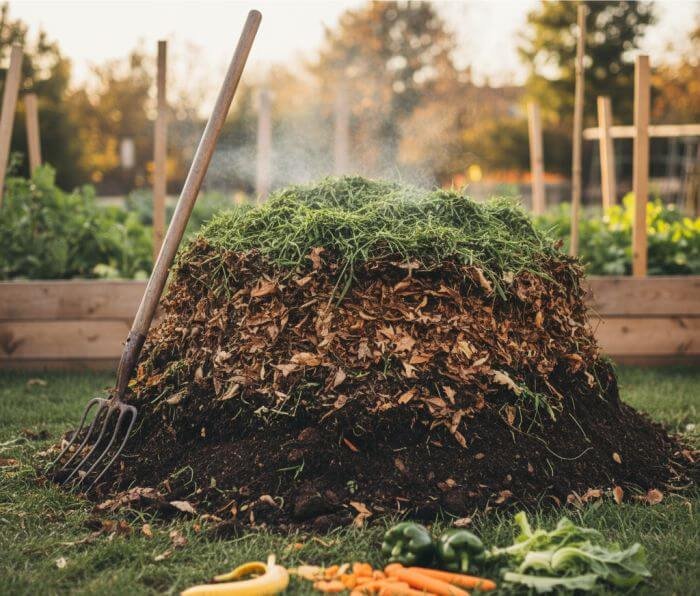
- Pick up leaves and other waste with your rake. Then, turn it into nutrient-rich compost. This way, you need to use fewer chemicals and help the earth recycle better.
- Use your rake to make little lines in the soil for better water use. It stops water from running off and helps it soak in where it’s needed.
- Think about choosing rakes that work without gas. They are good for the air and not as loud. But they still do a great job.
- Keep your rake clean and in good shape. This way, it will last longer. And you won’t need to get a new one, which is better for the environment.
These tips can make your gardening better for the planet. Using rakes well can help both your garden and the world we live in.
Common Mistakes to Avoid When Using Rakes
It’s important to use rakes right to keep your yard and garden in shape. Yet, many people make these common mistakes. Knowing and avoiding them helps your work be more effective.

- Selecting the Wrong Rake for the Job – Picking the wrong rake is a big mistake. It can make your work harder. For example, using a garden rake for leaves instead of a lawn rake. This can slow you down. To avoid this, know the differences in rakes. Think about the rake’s tine shape, handle length, and material. Choose the best one for your work.
- Maintenance Oversights That Reduce Tool Effectiveness – Not taking care of your rake is another mistake people make. Rakes can get less effective over time. Forgetting to clean between the tines or not drying it afterwards can cause problems. Also, storing it wrong can bend the tines. To prevent this, clean and check your rake often. Store it properly to keep it working well.
Avoiding these mistakes can save you time and make your work better. When choosing and caring for your rake, be smart. This way, your yard and garden will always look great.
Conclusion – Maximizing Garden and Lawn Health with the Right Rake
Choosing the right rake is key for a healthy garden and lawn. We discussed the differences between lawn and garden rakes. This included their design, best uses, and materials.
Knowing these differences lets you pick the best rake for each job. Using a lawn rake is great for gathering leaves and debris. It keeps your lawn neat and helps it stay healthy.
For gardening, a garden rake is perfect. It helps break up soil and spread it smoothly. This prepares your garden for growing strong plants.
Always pick the right rake for your garden and lawn care. Think about what your space needs and what tasks you do often. Choosing the right rake helps your yard look better and keeps it healthy.
FAQ
What is the difference between lawn rakes and garden rakes?
Lawn rakes and garden rakes are not the same. Lawn rakes are great for picking up leaves and debris. Garden rakes are for making the soil ready for plants.
What are the design features of lawn rakes?
Lawn rakes have long handles. They also have close, flexible tines. This lets them gather up leaves and debris well.
What are the design features of garden rakes?
Garden rakes have shorter handles. Their tines are strong and spread out. This design is good for turning the soil and fighting weeds.
What are the best uses for lawn rakes in yard maintenance?
They’re perfect for clearing away leaves and twigs from the lawn. They help with dethatching and cleaning up after you aerate the lawn.
What are the key differences between lawn rakes and garden rakes?
Lawn rakes and garden rakes look and work differently. Lawn rakes have long, flexible tines for cleaning up. Garden rakes use sturdy, spaced-out tings for the soil.
How can I choose the right rake based on my gardening needs?
Think about what tasks you often do in your yard. If you mainly pick up debris, a lawn rake is best. For gardening work, choose a garden rake.
What are some common mistakes to avoid when using rakes?
Avoid using the wrong rake and not caring for it. The right rake, well-maintained, works better and lasts longer.