Want to make your garden healthier with nutrient-rich compost? Don’t forget about the compost bin itself. Picking the right compost bin is key for successful composting and healthy plants.
So, what should you look for in a compost bin? Is size the only important thing? There’s more to it. We’ll look into the important features a compost bin should have for your garden.
Not every compost bin is the same. They come in different types, each offering its own benefits. Things like size, material, and how easy it is to get to the compost matter. Thinking about these things will help you find the right bin for your garden. This way, your composting is more effective, and it fits your garden’s unique needs.
Table of Contents
About Choosing a Compost Bin
Let’s talk about picking a compost bin that’s right for you. Composting helps us recycle kitchen scraps and yard waste. It turns them into soil that’s great for plants. This way, we can make less waste and keep our surroundings green.
Why the Right Compost Bin Matters
A good compost bin is key to making compost well. It lets organic stuff break down into plant food. The best bins keep things like temperature, moisture, and air just right for this job.
Also, the right bin stops bad smells, bugs, and too much water. Picking the correct bin means easier composting and better results for your plants.
Key Considerations Before Purchasing
There are important things to think about before you buy a compost bin.
- Type of Compost Bin – Different bins work for different spaces and needs. Think about the room you have and what you want to compost.
- Size and Capacity – Think about how much waste you have and where the bin will go. It should hold enough and fit your space well.
- Materials and Durability – Look for bins that are strong and can last outside. They should be made from tough, weatherproof materials.
- Ease of Use and Maintenance – Consider how easy it is to add stuff and take care of the bin. A good bin makes composting simple and not too much work.
- Budget – Decide on a budget that works for you. A quality bin may cost more, but it serves you better in the long run.
Considering these points helps you choose a compost bin wisely. This way, you get a bin that fits your needs and helps you compost successfully.
Understanding Different Types of Compost Bins
There are lots of compost bins to choose from. Each one has its own great points. Let’s take a look at tumbler bins, stationary bins, and worm composters.
Tumbler Bins – Pros and Cons
Tumbler bins make composting easy and quick. They have a drum shape for spinning. This mixes the materials well. The best thing about tumbler bins is how easy they are to turn. This makes sure the compost gets enough air and breaks down well. They also keep away bad smells and bugs. But, tumbler bins might not hold as much compost as other types.
Stationary Bins – Benefits and Limitations
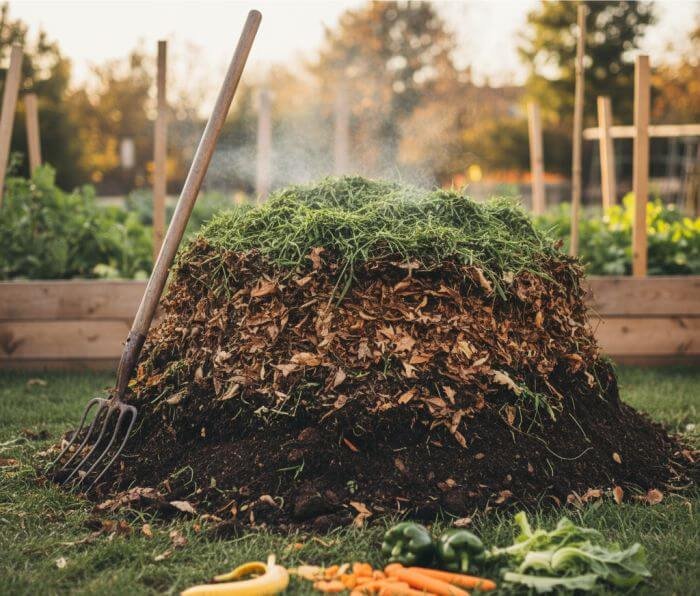
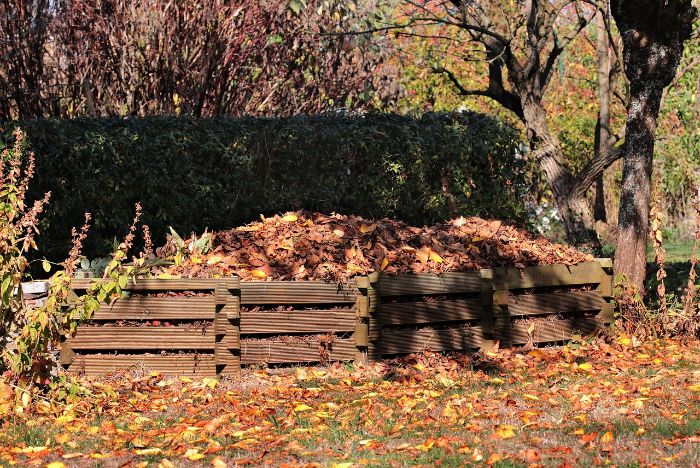
Stationary bins are like bins or piles that stay still. They don’t spin like tumbler bins do. But, they have their own good points. Stationary bins are good for bigger amounts of waste. They work well with things like leaves and grass. With these bins, composting is slower. But, they still give you great compost in the end.
Worm Composters – How They Work and Who Should Use Them
Worm composters use worms to make compost. They are small and don’t smell. They’re great for people with little room. This includes folks in apartments or with small yards. With worm composters, worms make compost from kitchen waste. This compost is full of nutrients. If you like hands-on projects and quick composting, worm composters are a good choice.
Factors to Consider When Selecting a Compost Bin
Choosing the right compost bin for your garden needs thought. Think about your garden’s size and the space you have. Also, consider how much composting you plan to do. This way, you’ll pick the best one that fits your needs.
Assessing Your Garden Size and Space
It’s key to look at how big your garden is when picking a compost bin. Think about where you’ll put the bin. Make sure it won’t get in the way. Checking your garden’s size and space helps find the right bin size. This way, it won’t mess up your garden’s layout.
Composting Goals – Volume and Speed of Composting
Think about how much waste you’ll have and how quickly you want to make compost. For a big garden or more waste, a larger bin might be better. If your space and waste are smaller, choose a compact bin. Consider how fast you need the compost ready too. Some bins make compost quickly, others not as fast. This helps you find a bin that matches your needs well.
Features to Look for in a Compost Bin
When you pick a compost bin for your garden, it’s key to think about your needs. A good bin is tough, easy to use, and needs little care. The construction material also plays a big role in the bin’s life and how well it works.
Material and Durability
The material of the compost bin decides how long it lasts and if it can handle the weather. Choose bins made from durable materials like recycled plastic or galvanized steel. They last through sunlight, rain, and changes in temperature. A strong compost bin will serve you for many years, helping you recycle your organic waste.
Ease of Use and Maintenance
A top compost bin should make composting easy and without trouble. Pick a bin with easy-to-reach points for adding or taking out compost materials. Also, look for ones with good airflow features. These help in breaking down the organic waste.
Think of how easy the bin is to maintain, too. Choose bins that don’t need a lot of work to keep up. Bins with lids you can remove or bins with the right size for your garden cut down on the work needed. This helps lower the times you have to take out the compost or clean the bin.
Matching Compost Bins with Your Lifestyle
Finding a good compost bin that fits your life is key. It doesn’t matter if you are in the city or the country. The right compost bin changes how well you compost. We will look at what different places need. Plus, we’ll talk about picking a bin that suits your time.
Urban vs. Rural Settings – What Works Where?
In cities, space is often limited, and smells can be an issue. So, a small, easy-to-use, and odor-reducing compost bin is best. Try a compact tumbler or a countertop composter. They help city folk compost in small areas.
But, in the countryside, you likely have more space. So, you can think about bigger composting options. Try a stationary bin or an open tumbler. They hold more waste and work well for people with lots of room.
Time and Effort – Finding a Bin That Fits Your Schedule
Think about how much time you have for composting. If you’re busy, choose a low-maintenance compost bin. A tumbler bin or a worm composter might be a good fit. They need less work.
Is composting a main hobby for you? Then, you can go for a bin that needs more care. A stationary bin or a compost pile are options. They produce lots of compost but need regular attention.
Choosing the right compost bin for your life is important. No matter where you live, there are choices that fit. By picking a bin that matches your time, you’ll enjoy making compost. The perfect bin helps turn your food scraps and garden waste into soil food for your plants. It’s good for the garden and for the world.
Setting Up Your New Compost Bin
You picked a great compost bin for your garden. Now, let’s get it set up! We’ll show you how to place it in your garden and get it started.
Optimal Placement in Your Garden
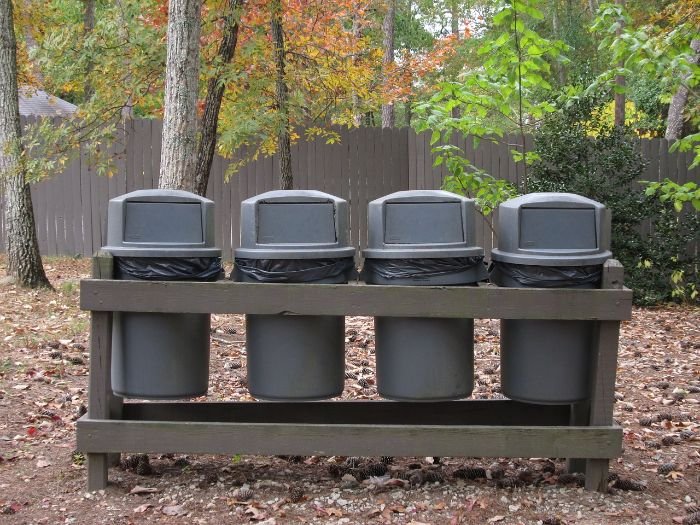
First off, you need to decide where it goes. Your compost bin should be in a sunny spot that’s not hard to reach. It’s best if the ground is flat and drains well.
Initial Setup and What to Compost
After finding the right spot, it’s time for the next step. Start by collecting materials to compost. Use things like kitchen scraps, coffee grounds, and eggshells. You can also toss in leaves, grass, and little twigs. But, stay away from meat, dairy, and greasy food to keep pests away.
Now, put these materials in your compost bin. Begin with a layer of dry stuff, then add some wet stuff, and keep going like that. Remember to sprinkle water on each layer.
And don’t forget to mix it up every now and then. Turning the compost helps it break down faster. Soon, you’ll have nutrient-rich compost for your plants.
Your compost bin is ready to go. Next, we’ll share tips to make your composting a success. This way, you’ll get great compost for your garden without too much work.
Tips for Successful Composting
To make your compost bin work well, follow some best practices. This advice helps you get the most from your composting efforts.
Best Practices for Adding Materials
Create a good mix of green and brown waste in your compost bin. Green waste is stuff rich in nitrogen like grass and veggies. Brown waste includes dry items such as leaves and paper. Aim for about 3 parts brown waste to 1 green. This mix keeps things from getting smelly as it breaks down properly.
Cut or tear big pieces into smaller bits before tossing them in. This move makes it easier for tiny creatures to do their job. Don’t add meat, dairy, or oils. They attract unwanted bugs and slow the composting process.
How to Maintain and Turn Your Compost
Check the moisture of your compost. It should be like a damp sponge, not too dry or wet. Add water if it’s dry. Mix in some dry brown material if it’s soggy.
Turning the compost often is a key step. This mixes the materials and adds air. Good airflow helps the decomposing microorganisms. It also prevents bad smells by evenly distributing the waste.
Use a garden fork or a compost tumbler for mixing. Aim to turn your compost every 1-2 weeks. Turning is crucial when the inside heats up. This turns waste into nutrient-rich compost faster for your plants.
To get great compost, remember to keep a good mix, the right moisture, and turn it often. This way, you’ll make top-quality compost and reduce household waste. Your plants will thank you for the rich nutrients.
Troubleshooting Common Compost Bin Issues
In this part, we’ll look at common compost bin troubles. We’ll give you tips to fix them. Composting is great but can be tricky. Learning how to handle these issues will make your composting go smooth. You’ll make great compost for your garden.
Managing Odors and Pests
Bad smells and pests are often issues with compost bins. To deal with smells, balance green and brown materials. Try to use 3 parts brown for every 1 part green. This stops the compost from getting too wet and stinky. Stay away from putting meat, dairy, or oily foods in. These cause smell problems. Instead, add things like fruit and veggie scraps, coffee grounds, and yard waste.
To keep pests away, make sure your bin closes tightly. This stops insects and animals from getting in. Don’t put food scraps in that attract pests. If you see pests, like gnats or rodents, put a mesh or wire top on your bin.
Adjusting Moisture and Aeration
Compost can get too dry or too wet. It’s key to keep the moisture right. If it’s too dry, water it. If it’s too wet, add more brown stuff to soak up the water. It should feel like a damp sponge.
For good air, mix your compost often. Turning it adds oxygen and helps it break down. Use a pitchfork or compost aerator to turn it gently every so often. This keeps the compost loose and helps good bacteria grow.
Benefits of Having the Right Compost Bin
Let’s talk about the benefits of a good compost bin. The right one for you can make your garden healthier and our planet greener. It’s all about matching your needs with the bin’s features.
Enhancing Soil Health and Garden Productivity
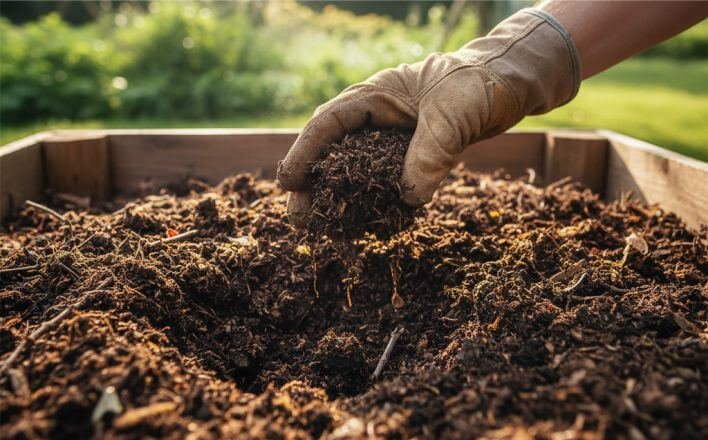
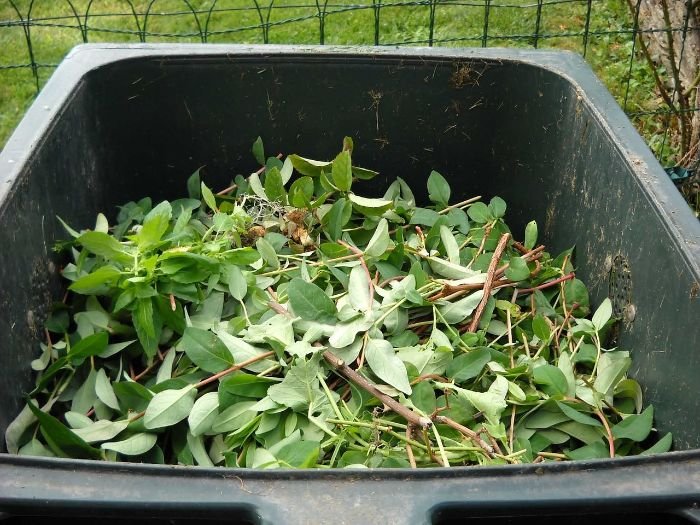
The perfect compost bin boosts soil health. It turns kitchen scraps into plant food. This food, or compost, is a great fertilizer. It makes your soil full of good stuff, like nutrients, and helps keep water in. That means your plants are happy, healthy, and more productive.
Environmental Impact and Sustainability
Choosing the best compost bin is good for the Earth. It means less organic trash in landfills. And that cuts down on harmful gases. Plus, it lightens the load for trash services. Composting is nature’s way of recycling. It lowers greenhouse gases, saves resources, and helps our world stay green.
Conclusion – Making the Most Out of Your Compost Bin
We’ve looked at why picking the right compost bin is crucial. Think about the bin type, size, and what it can do to make sure you do well.
The correct compost bin really helps your pile break down organic stuff fast. Then, you get great compost for your garden. It’s full of nutrients that plants love.
Now, you know how to choose the best bin. It’s time to start composting. This way, you help the planet and have better soil. It’s a win-win.
Whether you go for a tumbler, stationary, or worm bin, know this. Take good care of your compost. Solve any problems that pop up. With the right bin and care, you’ll make awesome compost for your garden for years to come.
FAQ
What factors should I consider when selecting a compost bin for my garden?
Think about your garden size and the space you have. Also, think about how much waste you’ll compost and how fast you want it to turn into compost.
What are the different types of compost bins available?
There are tumbler bins, known for being quick and easy. You can find stationary bins that can hold more but take longer. And, worm composters work in a special way and suit some gardeners.
What features should I look for in a compost bin?
Check the material and how sturdy the bin is. Also, look for easy ways to get to the compost, enough air, and ways to keep pests out.
How can I match a compost bin with my lifestyle?
Think about if you live in a city or the country, and any smell worries. Pick a bin that fits your life, needing only a little time to care for.
What are some tips for successful composting?
Try to keep a good mix of kitchen scraps and yard clippings. Stir your compost often to keep it breaking down well, and prevent smells and bugs.
What are the benefits of having the right compost bin?
With the right compost bin, your soil gets better and your garden grows more. Plus, you help the earth by cutting down on waste and living more green.