



Did you know the sight and sound of water can deeply affect how we feel? In our busy world, it’s vital to find chances for peace. This is where water features in healing gardens shine.
They are key in making places that help us relax and feel better. But, how do they do this? What exactly are their benefits for us? Let’s find out.
This article will look at how water features change healing gardens. We’ll see they can lower blood pressure and stress. Plus, make us feel physically and mentally better. Water features make our minds calm and our outlook positive.
Ready to learn more about what water features do in healing gardens? Let’s see how they’re a path to peace in nature. Keep reading!
Key Takeaways:
- Water features in healing gardens provide therapeutic benefits that promote relaxation and well-being.
- They have been proven to lower blood pressure, reduce stress, and improve physical and mental health.
- The calming sights and sounds of water in healing gardens contribute to a positive outlook.
- Water features play an essential role in creating transformative and rejuvenating therapeutic spaces.
- Exploring the role of water features in healing gardens can help us find moments of serenity in today’s busy world.
Table of Contents
Water Features in Healing Gardens
We’re diving into therapeutic gardens and how water features are key in making them healing places.
These gardens are made for patients, caregivers, and visitors. They help with physical, mental, and spiritual care.
Water elements play a big part in these gardens. They bring calming sights and sounds. This helps lower stress, anxiety, and sad feelings. Water also makes us feel more relaxed and mindful.
Adding water features to gardens lets people feel nature’s healing power. It makes them feel better in many ways.
Types of Water Features Suitable for Therapeutic Gardens
Water features add a special touch to therapeutic gardens. They make the space more calming and enjoyable. To pick the right one for a garden, think about the garden’s size, what kind of feeling you want to create, and its look.
Overview of Common Water Features – Fountains, Waterfalls, and Ponds
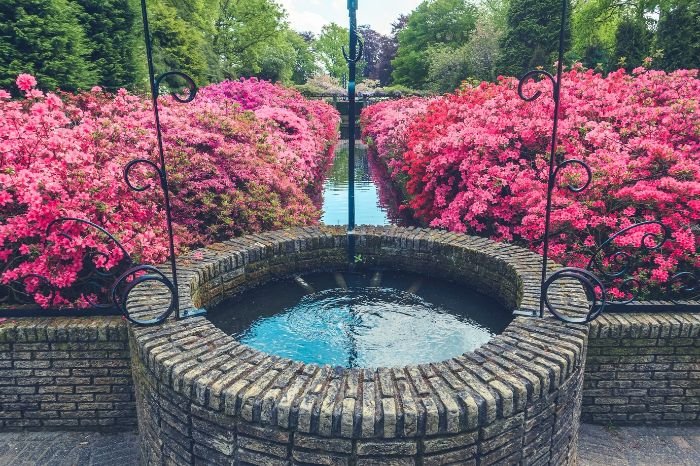
Fountains, waterfalls, and ponds are great for these gardens. Fountains make a soft sound that calms you. They work well in all kinds of gardens, from small patios to big landscapes.
Waterfalls also create a peaceful feeling. They sound calming and look beautiful, helping you relax. The effect of a waterfall can make you feel at peace with nature.
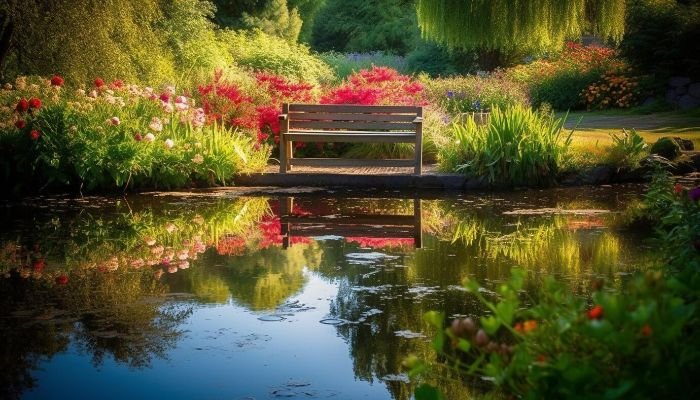
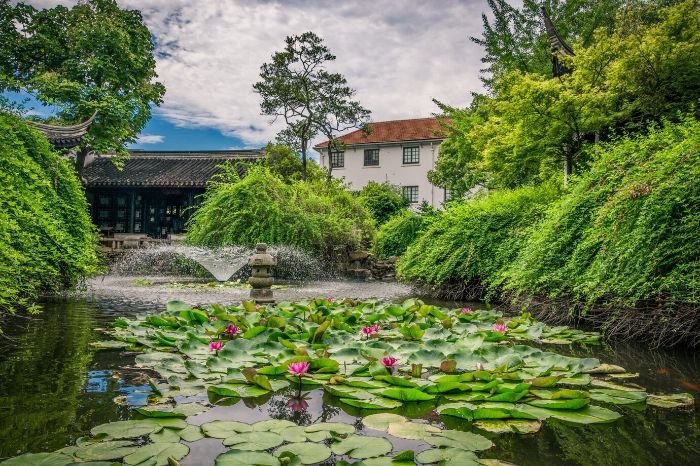
Ponds offer both beauty and a calming environment. They let you grow water plants and keep fish. Plants like water lilies and lotus make the garden feel alive and support nature.
Selecting the Right Water Feature for Different Garden Settings
Think about the garden’s size when choosing a water feature. Small gardens might do well with a simple fountain or small waterfall. Bigger gardens can have more impressive water features, like large fountains or waterfalls.
For a small, quiet area, a tabletop or wall fountain works wonders. In bigger spaces, choose something grand, like a multi-tiered fountain. It will draw attention and add a wow factor.
Choosing the perfect water feature makes the garden better for healing. It brings peace and supports well-being.
Designing Water Features for Maximum Therapeutic Benefit
Designing water features for healing must be done thoughtfully. It’s key to use certain design principles and natural items. This helps make a space that’s great for healing, feeling better, and being peaceful.
Principles of Design – Placement, Size, and Sound Considerations
Where we put water features in gardens matters a lot. They need to be where people can easily see and hear them. This adds to the beauty and peacefulness of the area.
They should also be near where people sit or walk. This lets people enjoy the calming effects of the water close up. It makes the whole experience of being in the garden better.
The size of a water feature should match the garden. It has to look just right, not be too big or too small. Everything should blend well together.
A gentle water sound is best for these gardens. It helps people feel calm and relaxed. Loud sounds should be avoided because they can bother people.
Incorporating Natural Elements to Enhance Serenity
Using natural items in the water feature’s design can make the space more peaceful. Things like rocks, plants, and other greenery can make everything feel in harmony. This adds to the calming effect.
Rocks can be placed to make the water flow in interesting ways. This adds a natural beauty to the area. Plants help too, giving color and a natural feel. Use plants that fit the area naturally and need little care.
Following these ideas and adding natural touches helps make a great water feature. The right balance of design, location, sound, and nature can make a spot that feels good. It’s about creating a space for relaxation and healing, making people feel better.
The Science Behind Water Features and Relaxation
Water features in healing gardens do more than look gorgeous. They deeply help our well-being and relaxation. Science shows they can make our bodies and minds feel good.
How Water Features Stimulate Relaxation Responses in the Brain
The sound of water relaxes us, like the gentle flow of a fountain or a waterfall’s soft cascade. Water sounds make our body relax all over. This leads to a slower heart rate, less tense muscles, and lower blood pressure. So, it makes us feel calm and nice.
The Impact of Water Sounds on Stress Reduction and Mental Health
Water sounds do a lot for reducing stress and making us mentally healthier. Hearing water lowers stress hormones, making us less anxious and more chill. The steady rhythm of water sounds soothes our minds. This promotes a content and peaceful feeling.
The science of water features shows their positive effects on our brains. They make us feel better and less stressed. Adding water features in gardens helps us be well-rounded. It connects us with nature while making us feel relaxed and peaceful.
Maintaining Water Features in Therapeutic Gardens
Keeping water features in good shape is key. It must look good and work well. Cleaning them often keeps the show going and the peace flowing.
Routine Maintenance Tips for Longevity and Aesthetics
For your water feature to shine, clean it and check it often. Remove leaves, etc., from the water. Check and make sure that pumps and filters work right.
The water’s health is everything. Check and adjust the pH often. This stops algae and keeps the water pretty and clear.
Try using natural algae preventers. It keeps your water feature looking good and the water running smooth.
Addressing Common Challenges – Algae, Blockages, and Weather Effects
Algae is a big problem. Try adding good bacteria to eat up the bad stuff. Less food means less algae.
Stuff like leaves can block things up. Clean often to avoid problems. A smooth-flowing water feature is a happy water feature.
Bad weather can hurt your water feature. Protect it when it’s too hot, cold, or stormy. Covering or turning it off can save it from harm.
Dealing with problems as they come and preventing them helps a lot. This way, your water feature stays beautiful and calming for a long time.
Enhancing Water Features with Plants and Lighting
Adding plants and lighting can make water features in healing gardens look better. Choosing the right plants for these areas makes them more beautiful. It blends water and greenery well. Look into water plants like water lilies and lotus for ponds. They look nice and help keep the water clean.
Light is also important for the mood around water features, especially at night. Placing lights in the right spots makes an inviting and calming space. It makes the garden a better place for healing. The mix of plants and light can make water areas a sight to see.
Community and Accessibility Considerations
Including water features in therapeutic gardens needs thought about the community. It’s key to ensure all can use them safely.
Making Water Features Accessible and Safe for All Users
For everyone to use therapeutic garden water features, we need ramps, handrails, and gentle paths. These help people with movement issues feel welcome. Safety is also a must. Fences, signs, and anti-slip surfaces prevent accidents.
Encouraging Community Involvement in Therapeutic Garden Projects
Community is crucial for these gardens to work well and last long. It’s about making people feel they own and love these spaces. This means doing things together like gardening, workshops, or volunteering.
When the community is active, the garden thrives. Everybody feels it’s a part of them and enjoys the garden more.
“Water features in therapeutic gardens can bring people together and create a sense of belonging within the community. By ensuring accessibility and involving the community in the design and maintenance process, we can create truly inclusive and transformative healing spaces.”
Planning and Implementing a Water Feature in Your Healing Garden
Step-by-Step Guide to Planning, Budgeting, and Installation
Creating a water feature for your healing garden takes thought and direction. Use this guide to add water in a way that works:
- Look for the best spot in your garden for a water feature. Think about its size, who can see it, and how easy it is to get to.
- Choose the right feature that fits what your garden is about. Make sure it matches what you want your garden to do for you. Also, think about how much room you have.
- Think about how much money you want to spend. Remember, it costs money to buy and keep up a water feature. Include things like buying items, paying workers, and keeping it working nicely.
- Decide if you will do it yourself or get help. Make sure what you want to do is okay with your area’s rules. Also, figure out how you will handle the water and what you’ll need to keep it going.
Keep to these steps, and you’ll soon have a water feature that makes your garden a better place.
Professional Resources and Assistance for Advanced Projects
For bigger water project ideas, it’s best to ask for help from pros. Landscape architects, designers, and water experts know their stuff. They can offer great plans and advice.

Getting help from professionals means using their know-how and skill. This makes fitting a water feature into your garden easier and better.
These special people can help from start to finish. They know a lot about how things look, what works best, and how to set it all up. This makes sure your water feature does what you need it to do.
When doing a big project, remember that professional help makes things go smoothly. It also gives you more time and saves money and work.
Conclusion – The Transformative Power of Water Features in Healing Gardens
In this article, we looked at how water features change healing gardens. They bring calm and health to people’s lives. With water features, outdoor areas become places of peace and wellness.
Water features can lower blood pressure, cut stress, and soothe minds. Their calming sights and sounds help everyone relax. For those healing, water features aid in quicker recovery and less pain medicine.
Thinking of adding water features to your space? It’s a great idea. You’ll create a spot to relax, feel renewed, and be close to nature. Draw from the success of others and make your healing garden. Let water uplift your mind and body.
Inspiring Readers to Create Their Own Healing Spaces
Starting on a healing space journey means thinking about the people who will use it. This could be patients, those who care for them, or just visitors. Think of your space’s size, what you want it to feel and look like. Then, by planning well, your water feature can make a place full of peace and healing.
FAQ
What are therapeutic gardens?
Therapeutic gardens are special outdoor places. They meet the needs of people in care. This includes patients, caregivers, and visitors.
What role do water features play in healing gardens?
Water features in gardens have many benefits. They promote peace and health. The sights and sounds help people relax. This can lower blood pressure and boost well-being.
How do water features in healing gardens benefit hospital patients?
Seeing nature and water helps hospital patients recover faster. They need less pain medicine. Water features reduce stress. This leads to better health and a positive outlook.
What are the different types of water features suitable for therapeutic gardens?
Therapeutic gardens use fountains, waterfalls, and ponds. Fountains bring soothing sounds. Waterfalls create a calm vibe. Ponds add beauty and life with plants and fish.
How should water features be designed for maximum therapeutic benefit?
For the best effect, place water features where they can be easily seen and heard. They should match the space. Using rocks and plants makes them more tranquil.
How can water features in healing gardens be enhanced?
Add plants and lights to make water features better. Use water plants for beauty and to clean the water. Good lighting makes the area soothing and nice to look at.