




Did you know that spending time in a well-designed therapeutic garden can have a profound impact on your well-being?
Therapeutic gardens are outdoor spaces carefully crafted to create a healing environment for both the body and mind. These gardens offer more than just a beautiful outdoor space – they provide a sanctuary for relaxation, stress reduction, and rejuvenation.
In this article, we will explore the essential elements of therapeutic garden design and provide you with tips for creating a healing outdoor space that fosters well-being. Whether you are looking to create your own therapeutic garden or simply want to learn more about this remarkable concept, read on to discover how to harness the power of nature for your health and happiness.
Key Takeaways:
- Therapeutic gardens are outdoor spaces designed to promote healing and well-being.
- Interacting with nature in a therapeutic garden can lower blood pressure, reduce stress, and improve mood.
- Essential elements of therapeutic garden design include incorporating water features, selecting sensory-stimulating plants, and planning for accessibility and comfort.
- Color and texture play a crucial role in creating therapeutic spaces, evoking specific emotions and enhancing sensory experiences.
- Design strategies for different therapeutic needs, such as mindfulness and physical rehabilitation, should be considered in therapeutic garden design.
- Implementing and maintaining a therapeutic garden requires practical tips for garden upkeep and evaluating the garden’s impact on well-being.
Table of Contents
Understanding Therapeutic Gardens
Therapeutic gardens harness the healing power of nature to promote well-being. Research has shown that spending time in nature can have positive effects on our physical, mental, and emotional health. Interacting with natural elements such as plants, water, and sunlight can significantly contribute to improving our overall well-being.
The Healing Power of Nature
The healing power of nature has been recognized for centuries, with various cultures incorporating natural environments into their healing practices. Time spent in nature has been shown to lower blood pressure, decrease heart rate, reduce stress, and improve mood. The calming and rejuvenating impact of the natural world on our minds and bodies is undeniable. Practicing mindful observation techniques in gardening can deepen this connection by encouraging a slower, more intentional engagement with plants, soil, and surrounding wildlife. Incorporating mindful routines for stress reduction into therapeutic garden design can deepen the healing experience by encouraging daily, intentional engagement with nature.
Core Principles of Therapeutic Garden Design
The design of therapeutic gardens follows core principles that aim to create a sensory-rich environment, incorporate accessibility features, and promote a sense of tranquility and peace. These core principles ensure that therapeutic gardens provide a nurturing and healing experience for individuals of all abilities and needs. Whether it’s through the careful selection of plants, the incorporation of water features, or the thoughtful design of pathways, therapeutic gardens are created with the intention of supporting well-being.
Key Elements of Therapeutic Garden Design
In order to create a truly effective therapeutic garden, it is important to include key elements that promote relaxation, healing, and well-being. This section will explore three essential elements of therapeutic garden design: incorporating water features for serenity, selecting plants for sensory stimulation, and planning paths and seating areas for accessibility and comfort.
Incorporating Water Features for Serenity
Water features are a popular and effective element in therapeutic gardens. The calming sound of flowing water helps to create a serene and tranquil atmosphere, reducing stress and promoting relaxation. The sight of water can also have a soothing effect on the mind, providing a sense of peace and tranquility.
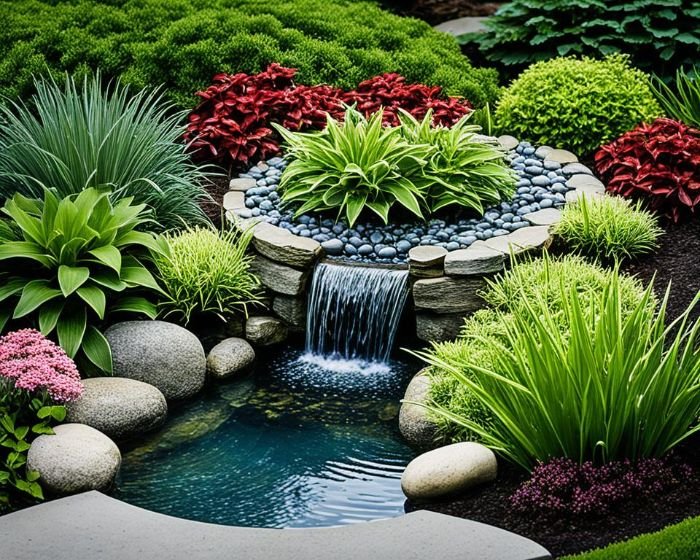
Whether it’s a small fountain, a babbling brook, or a reflective pond, incorporating water features into your therapeutic garden design can enhance the overall sense of serenity and create a soothing environment for visitors to enjoy. Discover more about water features for healing gardens to explore how fountains, ponds, and waterfalls can further elevate tranquility and well-being in your garden.
Selecting Plants for Sensory Stimulation
Plants play a crucial role in therapeutic garden design, providing sensory stimulation and enhancing the overall experience. When selecting plants for your garden, consider incorporating a variety of species that engage multiple senses.
- Fragrant flowers and herbs can stimulate the sense of smell, adding a delightful aroma to the garden. Explore fragrant plants for an aromatic garden to discover a variety of scented blooms and herbs that enhance relaxation and sensory delight in your therapeutic space.
- Textured foliage, such as plants with fuzzy or waxy leaves, can provide tactile stimulation.
- Visually appealing colors, such as vibrant blooms or contrasting foliage, can create a visually stimulating environment.
By carefully choosing plants that engage the senses, you can create a therapeutic garden that offers a multi-sensory experience, promoting relaxation and sensory engagement for visitors. Explore plants for healing and wellness gardens to discover therapeutic plant varieties that bring aromatic, visual, and tactile benefits to your design.
Paths and Seating – Planning for Accessibility and Comfort
Paths and seating areas are essential components of a therapeutic garden, providing opportunities for movement, exploration, and relaxation. When planning the paths and seating in your garden, it is important to consider accessibility and comfort for all visitors.
- Ensure that pathways are wide enough to accommodate wheelchairs or mobility aids, with a smooth and even surface for easy navigation.
- Incorporate benches or seating areas throughout the garden to allow visitors to rest and take in the surroundings.
- Consider the placement of seating areas to maximize the benefits of the garden, such as near water features or in areas with scenic views.
By prioritizing accessibility and comfort in the design of paths and seating areas, you can create a therapeutic garden that is welcoming and inclusive for all individuals seeking solace and healing.
The Role of Color and Texture in Therapeutic Spaces
Color and texture are essential elements in the design of therapeutic spaces. These elements have a significant impact on creating an environment that promotes healing and well-being. By understanding the principles of color psychology and incorporating texture variety, designers can enhance the sensory experience and evoke specific emotions in therapeutic gardens.
Color Psychology in Garden Planning
Color psychology plays a crucial role in garden planning for therapeutic spaces. Different colors have the power to evoke specific emotions and create different atmospheres. For example, warm colors like red, orange, and yellow are known to stimulate energy and passion. In contrast, cool colors like blue and green have a calming and relaxing effect.
When selecting colors for therapeutic gardens, consider the intended purpose of the space. For areas where relaxation and tranquility are desired, cool and soothing colors like shades of blue and green can be used. On the other hand, spaces intended for energy and stimulation can incorporate warm and vibrant colors.
Texture Variety for Enhanced Sensory Experiences
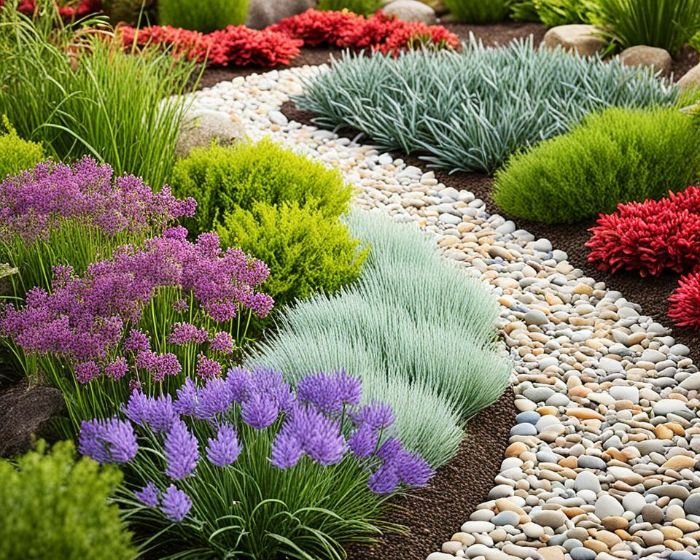
Texture variety is an essential aspect of therapeutic garden design. By incorporating a range of textures, designers can provide enhanced sensory experiences for visitors. The combination of smooth and rough textures in plants and hardscaping elements adds depth and interest to the space.
Smooth textures, such as glossy leaves or polished stones, can create a soothing and calming effect. Rough textures, such as bark or textured paving, can provide tactile stimulation. By incorporating a variety of textures, visitors can engage their senses and experience a more immersive and therapeutic environment.
When planning for texture variety, consider selecting plants with different leaf textures, such as soft and fuzzy leaves alongside smooth and shiny ones. Incorporating different materials for hardscaping, like textured stones or wooden elements, can also contribute to an engaging sensory experience.
Design Strategies for Different Therapeutic Needs
Different therapeutic needs require specific design strategies in therapeutic gardens. This section will discuss design strategies for creating a garden for mindfulness and meditation and designing gardens for physical rehabilitation.
Creating a Garden for Mindfulness and Meditation
When designing a garden for mindfulness and meditation, it’s essential to create a serene and tranquil environment that promotes relaxation and self-reflection. Consider incorporating quiet spaces that offer privacy and solitude for individuals to engage in mindfulness practices. Natural sounds, such as gentle flowing water or rustling leaves, can help to create a soothing atmosphere. Additionally, adding focal points, such as a meditation bench or a Zen garden, can provide a focal point for contemplation and encourage a sense of mindfulness.
Designing Gardens for Physical Rehabilitation
For gardens intended for physical rehabilitation, accessibility and functionality are paramount. Incorporate wide, flat pathways that are wheelchair-friendly and allow for easy movement. Consider including exercise areas with equipment designed for physical therapy and rehabilitation exercises. Additionally, incorporating adaptive features, such as raised garden beds and handrails, can enable individuals with physical limitations to actively participate in garden activities.
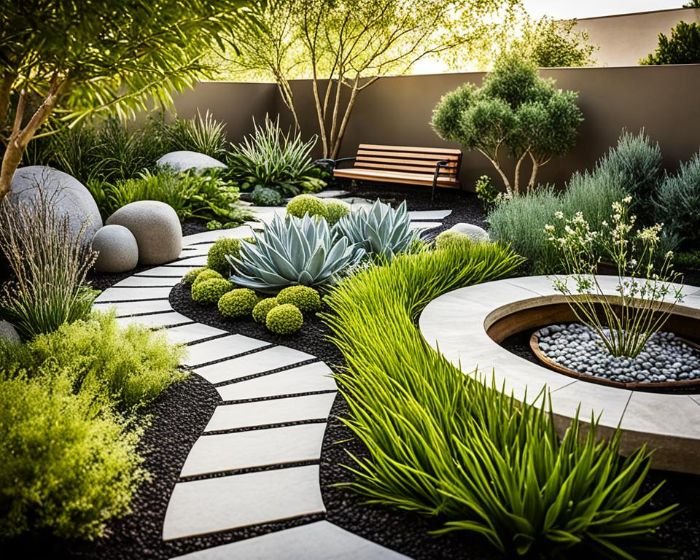
Creating a garden for mindfulness and meditation or designing gardens for physical rehabilitation requires thoughtful planning and consideration. By implementing these design strategies, therapeutic gardens can cater to various therapeutic needs and provide individuals with spaces for relaxation, self-reflection, and physical rehabilitation.
Implementing and Maintaining Your Therapeutic Garden
Practical Tips for Garden Upkeep
Implementing and maintaining a therapeutic garden requires careful consideration and regular upkeep. When selecting a site for your garden, choose an area that receives ample sunlight and is easily accessible. Adequate sunlight is essential for the growth of plants, while accessibility ensures that visitors, including those with mobility challenges, can fully enjoy the garden.
Before starting your garden, prepare the soil by removing weeds and debris. Consider conducting a soil test to determine its composition and make any necessary amendments to optimize plant growth. When planting, be mindful of the specific needs of different plants, including watering requirements and light exposure.
To keep your therapeutic garden thriving, regular maintenance is essential. This includes watering, pruning, and fertilizing plants as needed. Regularly inspect for pests and diseases and take appropriate measures to prevent their spread. Additionally, maintain clear pathways and seating areas, ensuring they are clean and free from obstacles.
Evaluating the Impact of Your Garden on Wellbeing
Evaluating the impact of your therapeutic garden on the well-being of visitors is crucial to understanding its effectiveness and making necessary improvements. An effective way to evaluate the impact is by gathering feedback from visitors. Encourage them to share their experiences and thoughts about the garden through surveys or comment boxes placed strategically in the garden.
Monitoring changes in health and mood can also provide valuable insights. Consider collaborating with local healthcare professionals or researchers to assess the physical and emotional well-being of visitors before and after spending time in the garden. This data can help you understand the direct effects of the garden on individuals’ well-being and inform future design decisions.
Regular evaluation and continuous improvement are key to maintaining the therapeutic benefits of your garden. Use the feedback and gathered data to make necessary adjustments to the garden design, plant selection, or maintenance practices to further enhance the well-being of visitors.
FAQs
What are the essentials of therapeutic garden design?
The essentials of therapeutic garden design include creating a healing outdoor space and fostering well-being. Tips for achieving this include incorporating natural elements, promoting accessibility, and creating a sense of tranquility.
How does nature contribute to the healing power of therapeutic gardens?
Nature has a positive impact on physical, mental, and emotional health. Interacting with elements such as plants, water, and sunlight can lower blood pressure, reduce stress, and improve mood.
What are the core principles of therapeutic garden design?
The core principles of therapeutic garden design include creating a sensory-rich environment, incorporating accessibility features, and promoting a sense of tranquility and peace.
How can water features enhance the serenity of a therapeutic garden?
Water features such as fountains, ponds, or streams can create a peaceful and calming atmosphere in a therapeutic garden. The sound and sight of water can help to relax the mind and reduce stress.
What types of plants are suitable for sensory stimulation in a therapeutic garden?
Selecting plants with fragrant flowers, textured foliage, and visually appealing colors can provide sensory stimulation in a therapeutic garden. These elements can engage the senses and enhance the overall experience.
How can the impact of a therapeutic garden on wellbeing be evaluated?
Evaluating the impact of a therapeutic garden on wellbeing can be done through gathering feedback from visitors, conducting surveys, and monitoring changes in health and mood. This information can help to ensure the garden is effectively contributing to the well-being of its users.