


Can regular gardening really contribute to greater physical flexibility and well-being? While often viewed as a relaxing hobby or a way to beautify outdoor spaces, gardening also functions as a full-body activity that engages multiple muscle groups. Repetitive actions such as bending, reaching, lifting, and rotating help improve joint mobility, range of motion, and muscle elasticity.
Beyond the physical effort, gardening encourages presence, mental relaxation, and sensory stimulation. It blends mindful movement with low-impact exercise, making it a sustainable way to improve flexibility, endurance, balance, and overall strength – especially for those seeking a long-term approach to physical wellness.
By involving repeated bending, squatting, lifting, and reaching, everyday garden tasks naturally support flexibility and joint mobility over time.
Key Takeaways
- Gardening improves flexibility by engaging muscles through bending, stretching, and reaching.
- It supports full-body physical health by enhancing strength, balance, and joint mobility.
- Time spent in the garden fosters mental clarity and reduces stress through sensory grounding.
- Stretching before and during gardening helps increase flexibility and reduce strain.
- Routine gardening promotes long-term mobility and helps prevent stiffness.
- Proper posture, techniques, and ergonomic tools minimize injury and maximize physical benefit.
Table of Contents
How Gardening Supports Flexibility and Range of Motion
Gardening supports flexibility by incorporating dynamic, everyday movements that stretch and activate key muscle groups. Tasks such as digging, bending, and reaching promote muscular elasticity and joint mobility, both essential for maintaining physical function. Over time, these repeated actions contribute not just to flexibility but to overall musculoskeletal health.
Natural Movement and Stretching
Gardening involves a wide range of natural, everyday movements that activate both large and stabilizing muscle groups. Tasks such as planting, pruning, and watering require repeated bending, reaching, and squatting – actions that stretch muscles and tendons without excessive strain. With regular practice, these motions improve joint flexibility, support a greater range of motion, and help the body stay agile during routine daily activities.
Low-Impact, Anti-Stiffness Movement
Gardening functions as a low-impact physical activity that places minimal stress on joints. Movements such as manual weeding, lifting containers, or pruning involve slow, controlled actions that gently engage muscles. These tasks promote flexibility by stimulating circulation and improving joint lubrication, helping to reduce stiffness and support more fluid mobility.
Research shows that moderate-intensity activities like gardening can produce flexibility benefits comparable to those of structured stretching programs. By incorporating movement into routine tasks, gardening offsets the muscular shortening and joint rigidity caused by prolonged sitting. As a result, it becomes a practical strategy for maintaining mobility and long-term physical resilience.
Movements in Gardening That Improve Flexibility and Joint Function
Gardening tasks do more than nurture plants – they also challenge the body through purposeful, flexibility-enhancing movement. Actions such as bending, reaching, and stretching mirror functional fitness exercises by improving joint range of motion and engaging multiple muscle groups. These natural motions support the strength, elasticity, and long-term health of muscles, tendons, and connective tissues.
Stretching and Reaching Movements That Improve Flexibility
Gardening regularly involves bending forward, reaching overhead, and stretching to access soil or plants – all of which extend the body’s functional range of motion. These movements engage the legs, back, shoulders, and arms in coordinated ways, stimulating circulation and supporting muscle elasticity. As a result, they reduce stiffness and help maintain smooth, responsive motion throughout daily activity.
Twisting and Side-Reaching for Core Strength and Stability
Weeding, digging, and planting often include twisting at the waist or reaching sideways – natural rotational movements that activate the obliques and deep core stabilizers. These actions improve spinal mobility and trunk control, which are key components of both flexibility and balance. When performed consistently, such motions refine motor coordination and enhance the body’s ability to move fluidly and without restriction.
Practical Stretching and Mobility Techniques for Gardeners
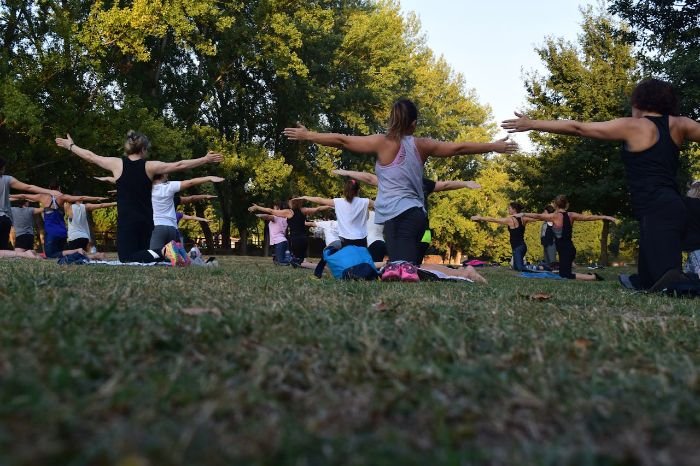
Improving flexibility through gardening starts with targeted physical preparation. Gentle warm-up routines and integrated mobility exercises can help reduce injury risk, support smoother movement, and enhance long-term joint function. One effective way to build these habits is by incorporating dynamic stretches and yoga-based movements directly into your gardening flow.
Warm-Up Stretches Before Starting Your Garden Work
Before you start gardening, it’s important to prepare your body for the physical activity ahead. A short warm-up routine improves blood flow, activates joints and muscles, and helps prevent strain or injury. Focus on stretches that target areas used most often during gardening:
- Neck rolls – to release tension from the upper spine
- Wrist stretches – to reduce stiffness from gripping tools
- Forward bends – to loosen the back and hamstrings
- Arm circles – to warm up the shoulders and upper arms
These simple stretches improve joint mobility and make gardening movements smoother and safer. Spending just a few minutes on preparation can increase your range of motion and improve overall comfort during garden work.
Integrating Yoga-Inspired Poses Amidst Gardening Tasks
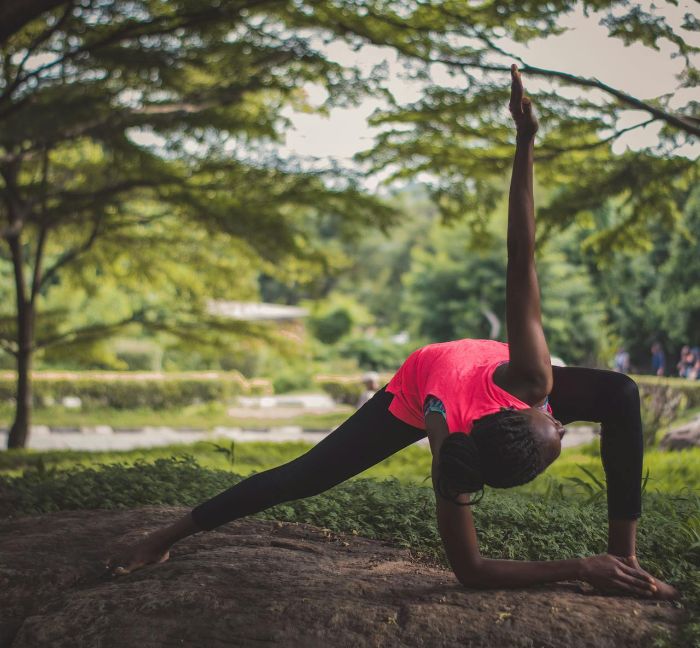
Incorporating yoga-based poses into gardening routines can further improve flexibility and body awareness. Movements such as lunges, standing twists, and forward folds align naturally with tasks like planting, weeding, or pruning. For example, reaching forward into a lunge position to access a raised bed or using a gentle twist while removing weeds integrates flexibility training without interrupting the flow of your work.
This mindful approach enhances the physical benefits of gardening while promoting balance and control. Over time, blending yoga-inspired motion into outdoor routines builds flexibility and supports long-term mobility.

What Gardening Does for Your Flexibility, Balance, and Long-Term Mobility
Gardening goes far beyond aesthetics – it actively contributes to better flexibility and musculoskeletal health. Regular gardening supports joint mobility, keeps muscles responsive, and encourages natural movement patterns that reduce tension and stiffness. These physical improvements are essential for sustaining long-term comfort, especially as we age or recover from periods of inactivity.
Relieving Muscle Tension and Supporting Joint Flexibility
Gardening promotes organic, low-impact motion that helps release muscle tightness accumulated through daily stress or inactivity. Tasks like weeding, digging, and planting increase blood circulation and gently stretch muscles, encouraging tissue relaxation. As a result, many gardeners experience less stiffness in the hips, knees, shoulders, and lower back – areas commonly affected by prolonged sitting or limited mobility.
Improving Balance, Movement Control, and Daily Mobility
The wide range of movements involved in gardening, such as bending, reaching, and rotating, challenge the body’s proprioception and improve motor control. Over time, these motions strengthen stabilizing muscle groups, particularly in the legs and core, leading to enhanced balance and spatial coordination. With increased flexibility comes greater mobility in everyday tasks, contributing to long-term physical independence and better quality of life.
Effective Ways to Support Flexibility While Gardening
To support your flexibility while gardening, it helps to adopt a few simple practices that reduce tension and keep joints moving freely. One of the most effective is taking short, regular breaks during longer sessions. Use these moments to stretch gently and reset your posture—this keeps your muscles loose and helps maintain range of motion as you work.
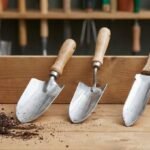
Another effective approach is to use ergonomic gardening tools that reduce strain on the back, knees, and wrists. Tools like lightweight pruners, long-handled trowels, and adjustable kneeling pads allow you to work efficiently without forcing the body into awkward positions. These tools are designed to support natural movement and help prevent repetitive stress injuries.
Together, these strategies can transform gardening into a more comfortable and physically beneficial experience. By combining brief recovery periods with joint-friendly equipment, you’ll not only support your flexibility but also reduce fatigue and lower the risk of injury – making your time in the garden more sustainable over the long term.
Frequently Asked Questions About Flexibility and Movement
How does gardening help improve flexibility?
Gardening involves bending, stretching, and reaching – movements that mimic flexibility exercises. These repeated, low-impact motions improve range of motion, increase joint mobility, and keep muscles active and elastic over time.
Is gardening enough to maintain physical flexibility as I age?
For many people, yes. If performed consistently, gardening can support long-term flexibility, especially when combined with proper technique and light warm-up routines. It keeps joints moving and helps reduce stiffness commonly associated with aging.
What type of gardening movements are best for flexibility?
Movements that involve rotating, lunging, or reaching, such as weeding, pruning, or lifting containers, are especially helpful. They engage the spine, hips, and shoulders in dynamic ways, encouraging healthy joint function.
Do I need to stretch before gardening?
Stretching before gardening is highly recommended. A brief warm-up helps increase circulation, prevent strain, and prepare muscles for bending and lifting. Just five minutes of movement can reduce the risk of injury.
Can yoga be integrated into gardening?
Yes, easily. Many yoga poses, like forward folds, lunges, and twists, can be naturally incorporated into gardening tasks. This adds structure and improves both flexibility and body awareness without interrupting your work rhythm.
What tools can help reduce strain while maintaining flexibility?
Ergonomic tools like long-handled trowels, adjustable kneelers, and lightweight pruners reduce stress on joints and encourage proper posture. They allow you to work efficiently without sacrificing your range of motion.