



Have you ever thought that gardening could be as good for your heart as walking or cycling? It’s a surprising fact that tending to your garden can be just as beneficial for your heart health.
Gardening is more than a weekend hobby; it’s a powerful form of outdoor cardiovascular workouts, ideal for older adults. Activities like digging, raking, or weeding not only engage numerous muscle groups but also increase your heart rate. This is similar to the effects of traditional exercises.
Beyond physical benefits, gardening also boosts mental health and can lower the risk of chronic diseases. It promotes healthier eating by encouraging the consumption of fresh fruits and vegetables from your garden. So, why not incorporate garden fitness into your regular exercise routine?
Key Takeaways
- Gardening is an effective form of cardiovascular exercise.
- Outdoor cardiovascular workouts like gardening elevate heart rates similar to walking or bicycling.
- Engages various muscle groups, providing a full-body workout.
- Supports mental health and reduces chronic disease prevalence.
- Encourages healthier dietary habits through home-grown produce.
Table of Contents
What Counts as Cardiovascular Exercise?
Cardiovascular exercise includes any activity that increases the heart rate into specific zones. This promotes heart health and stamina. It’s important to know which activities qualify to effectively integrate them into your lifestyle.
Understanding Moderate-Intensity Physical Activity
Moderate-intensity exercise raises the heart rate and breathing, yet you can still converse. The federal guidelines recommend 150 minutes weekly of such activities for heart health. Gardening, with tasks like digging and raking, naturally fits this category. It’s a proven method to keep your heart healthy.
Heart Rate Zones and the Role of Repetitive Movement
Heart rate zones are key in monitoring the effectiveness of cardiovascular exercises. These zones span from moderate to vigorous levels. Gardening often involves repetitive movements that keep the heart rate in these beneficial ranges.
Sustaining these elevated heart rates through repeated motions boosts overall cardiovascular health.
How Gardening Supports Cardiovascular Health
Gardening activities significantly benefit cardiovascular health. By engaging in various tasks, individuals can see notable improvements in heart health. These tasks, like traditional exercise, elevate the heart rate, promoting better circulation and heart function.
Elevating Heart Rate Through Common Gardening Tasks
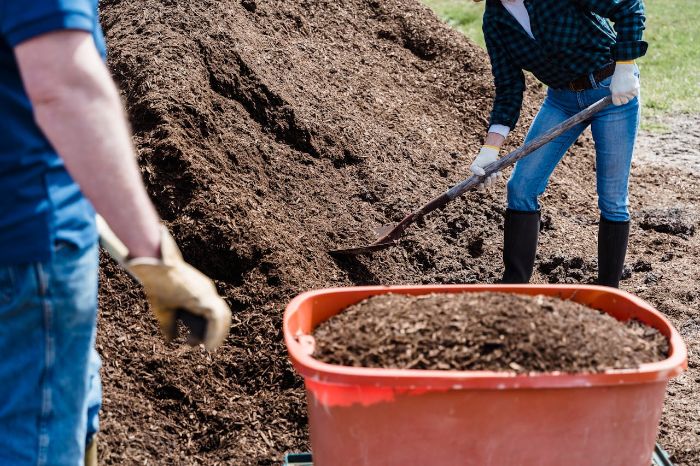
Shoveling, planting, and continuous weeding can increase heart rate, aiding heart health. These activities require sustained effort, making the heart pump more vigorously. This boosts cardiovascular endurance, ensuring the heart and muscles get enough blood and oxygen.
Promoting Blood Flow, Circulation, and Oxygen Use
Gardening’s varied, moderate-intensity activities enhance blood flow and oxygen use. For example, pushing a wheelbarrow or carrying heavy pots increases muscle work, boosting circulation. This ensures organs and tissues receive necessary nutrients and oxygen, supporting a healthy heart. Regular physical activity in gardening promotes balanced blood and oxygen flow in the body.
Gardening Activities That Give You a Cardio Boost
Gardening offers a range of activities that boost your heart health. These tasks provide both aerobic and strength-training benefits. They burn calories and strengthen muscles, turning gardening into a great workout.
Raking, Digging, and Shoveling for Full-Body Movement
Raking leaves, digging soil, and shoveling are tough tasks that keep you moving. They raise your heart rate and engage muscles, improving endurance. These activities are full-body exercises that enhance cardiovascular health.
Weeding, Pushing Wheelbarrows, and Carrying Soil or Pots
Weeding – especially when you use manual weeding techniques – along with pushing wheelbarrows and carrying soil or pots are key tasks with cardiovascular benefits. Weeding improves muscle tone and circulation through repetitive movements. Pushing a wheelbarrow works your core and boosts endurance. Carrying heavy pots adds to your strength, aiding in heart health.
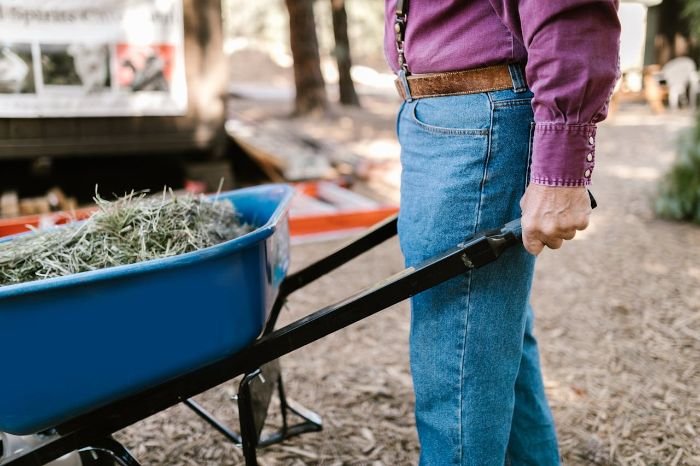
Adding these tasks to your routine can greatly improve your cardiovascular fitness. Gardening becomes a fun and effective way to keep your heart healthy.
Measuring the Caloric and Heart Health Impact
Gardening can be as demanding as a full-body workout, burning a lot of calories. Spending 30 to 60 minutes on calorie burning gardening can match the caloric burn of traditional cardio exercises.
Calories Burned During 30-60 Minutes of Active Gardening
The intensity of gardening tasks greatly influences calorie burn. Activities like digging, raking, and mowing, done vigorously, can burn a lot of calories. For example, a 175-pound person can burn around 300-400 calories per hour through active gardening.
Gardening vs. Other Cardio Exercises (Walking, Cycling)
Gardening offers a unique mix of physical effort and functional activity, unlike walking and cycling. While walking burns 200-300 calories an hour, and cycling up to 500 calories, gardening provides similar caloric expenditure. It also offers additional benefits like muscle toning and joint flexibility, enhancing cardiovascular health.
“Gardening has multi-faceted benefits; aside from the substantial physical activity, it promotes emotional well-being which is crucial for holistic health.”
Long-Term Heart Health Benefits of Active Gardening
Regular gardening activities provide numerous long-term heart health benefits. These benefits stem from the physical exertion and mental relaxation gardening offers. This combination significantly boosts overall cardiovascular health.
Reduced Risk of Hypertension, Stroke, and Heart Disease
Active gardening is key to preventative cardiovascular care. Tasks like weeding, raking, and planting boost physical activity. This is vital for keeping blood pressure healthy. Such consistent activity lowers hypertension risk, a major factor in preventing strokes and heart diseases.

Mental Relaxation That Also Supports Cardiac Health
Gardening also offers significant stress relief, echoing the principles in our guide to mindful gardening tips for beginners. Time spent in nature, focusing on simple tasks, and watching your garden grow can greatly reduce stress. This stress relief gardening not only improves mental well-being but also supports cardiac health by reducing stress-induced heart conditions. Combining mental relaxation with physical activity offers a holistic approach to long-term heart health benefits.
Tips to Maximize the Cardiovascular Impact
Gardening is more than a hobby; it’s a great way to get a cardiovascular workout. By planning your activities wisely, you can turn this hobby into a full-body exercise. Here’s how to make your garden workout more effective for cardiovascular health.
Keep Moving – How to Turn Gardening Into a True Workout
To maximize your gardening efforts, keep a steady pace and stay active. Include tasks that require lifting, bending, and squatting to boost your heart rate. The aim is to keep your body moving, not stationary for too long.
Stretch, Hydrate, and Alternate Activities for Balanced Effort
Dynamic stretching is key before and after gardening to avoid injuries and enhance flexibility. Switch between tasks like weeding, digging, and raking to work different muscle groups. Also, drinking water regularly is vital for energy and health during intense gardening.
By following these tips, you’ll not only enjoy your garden time but also get a thorough cardiovascular workout. Stay consistent with these strategies, and your garden will grow, just like your health.
Making Gardening Part of Your Fitness Routine
Integrating gardening into your fitness routine can revolutionize your approach to health and horticulture. By treating gardening as a structured part of your exercise regimen, you can fully appreciate its cardiovascular benefits. Just like jogging or cycling, gardening can boost your cardiovascular health when planned and monitored correctly.
Weekly Planning – Treat Gardening Like Scheduled Exercise
Effective fitness routine planning is key to maximizing gardening’s exercise benefits. Schedule specific times each week for gardening, just as you would for the at‑home workouts featured in our compact fitness solutions for small spaces guide. Assigning days and times for gardening builds consistency and turns it into a habit. A consistent schedule not only boosts physical activity but also makes gardening more enjoyable as a form of exercise.
Tracking Progress and Heart Rate With Simple Tools
To maximize gardening’s cardiovascular benefits, consider using simple tools to track your progress and heart rate. Wearable fitness trackers from Fitbit or Garmin are very helpful. They allow you to monitor your heart rate, ensuring you stay within your target zone for optimal benefits. Tracking your gardening activities also gives insights into calories burned and physical progress, reinforcing the effectiveness of your fitness routine planning.
FAQ
What counts as cardiovascular exercise?
Cardiovascular exercise includes any activity that increases the heart rate into specific zones. This promotes heart health and stamina. Moderate-intensity activities, such as walking, cycling, and gardening, meet federal guidelines. They require 150 minutes per week.
How does gardening qualify as moderate-intensity physical activity?
Gardening tasks like digging, raking, and planting sustain elevated heart rates. These activities engage multiple muscle groups. They meet the intensity criteria for moderate aerobic exercise.
How do gardening activities elevate heart rate?
Gardening tasks like shoveling, planting, and raking raise the heart rate. They promote improved blood flow and oxygen usage. These are crucial for maintaining cardiovascular health.
What are the benefits of improved blood flow and circulation through gardening?
Gardening activities increase oxygen delivery throughout the body. This supports cardiovascular health, stamina, and overall physical well-being.
What gardening activities provide a cardio boost?
Activities like raking, digging, and shoveling engage multiple muscle groups. They mimic aerobic workouts or strength training. These actions burn calories and strengthen muscles, contributing to cardiovascular benefits.
How do weeding and maneuvering wheelbarrows benefit cardiovascular health?
Weeding and using wheelbarrows involve considerable physical exertion. They elevate the heart rate and provide significant cardiovascular benefits. These are similar to more traditional forms of exercise.
How many calories can be burned during 30-60 minutes of active gardening?
Active gardening for 30 to 60 minutes can burn a substantial number of calories. This is comparable to other moderate-intensity exercises like walking and cycling. The exact amount depends on the intensity of the gardening tasks and the gardener’s body weight.
How does gardening compare to other cardio exercises like walking and cycling?
Gardening burns a similar amount of calories as walking or cycling. It provides a moderate-intensity workout. This elevates the heart rate and engages various muscle groups for cardiovascular benefits.
What are the long-term heart health benefits of regular gardening?
Consistent gardening reduces risks of hypertension, stroke, and heart disease. It promotes regular physical activity. This also supports mental relaxation and stress reduction, enhancing overall heart health and mental well-being.