

Ever thought that tending to your garden could boost your physical fitness? Many see gardening as a calming activity, but it’s also a powerful strength builder. Tasks like digging, lifting, and pushing wheelbarrows engage key muscles, making it a great outdoor workout. With every shovel of soil, you’re not just growing plants; you’re also building your strength and fitness.
In this article, we’ll dive into the many ways gardening can improve your physical health. It offers a workout that’s easy on your joints but still delivers impressive results. Discover how gardening can transform your fitness routine.
Key Takeaways
- Gardening is an effective outdoor exercise that promotes strength building.
- Key tasks like digging and lifting activate major muscle groups.
- Garden work can burn a significant number of calories, comparable to traditional workouts.
- It provides a low-impact alternative to high-intensity exercises.
- Regular gardening can enhance overall physical fitness and endurance.
Table of Contents
Why Garden Work Is a Great Strength Builder
Garden work offers many benefits for those looking to boost their physical fitness. It involves functional movements that engage multiple muscle groups. This leads to a more balanced fitness routine. Tasks like lifting pots, bending to plant seeds, and shoveling soil help gardeners achieve functional fitness.
Combining Functional Movements for Total-Body Conditioning
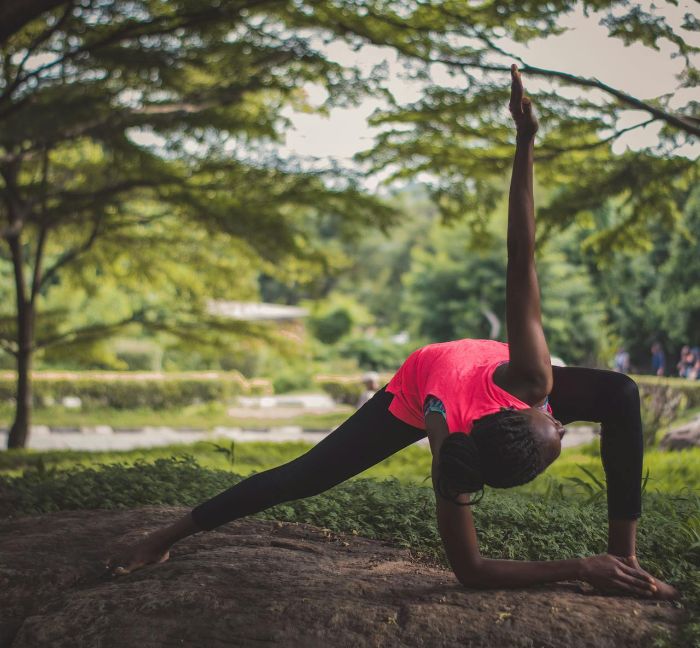
Gardening is a full-body workout, combining squatting, reaching, and twisting. These movements are crucial for gardening and similar to gym exercises. They promote strength by requiring coordination and stability from various muscles. Gardeners thus improve their muscle tone and enjoy the joy of caring for their plants.
The Benefits of Outdoor Exercise for Muscle Tone and Endurance
Outdoor exercise, like gardening, brings fresh air and sunlight. These elements improve mood and motivation. Outdoor strength training enhances muscle tone and endurance. Gardening is a holistic way to improve mental and physical health while creating a vibrant outdoor space.
Key Gardening Tasks That Develop Strength
Certain gardening tasks are powerful for building physical strength while enjoying nature’s beauty. These activities offer a workout and boost overall well-being. Tasks like digging, planting, and weeding build muscle in various body parts.
Digging and Shoveling – How They Enhance Arm and Core Strength
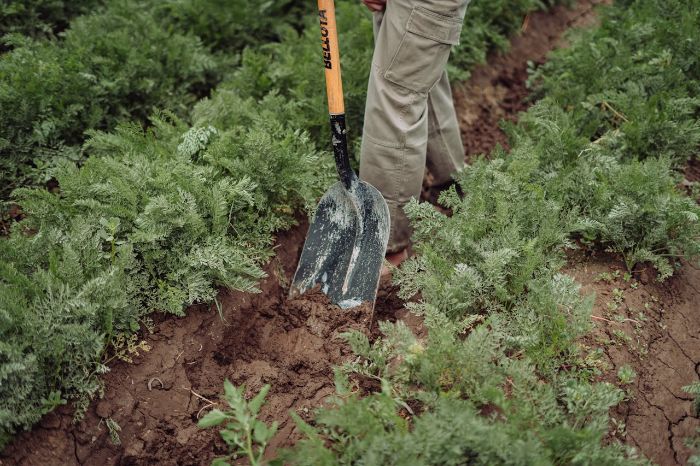
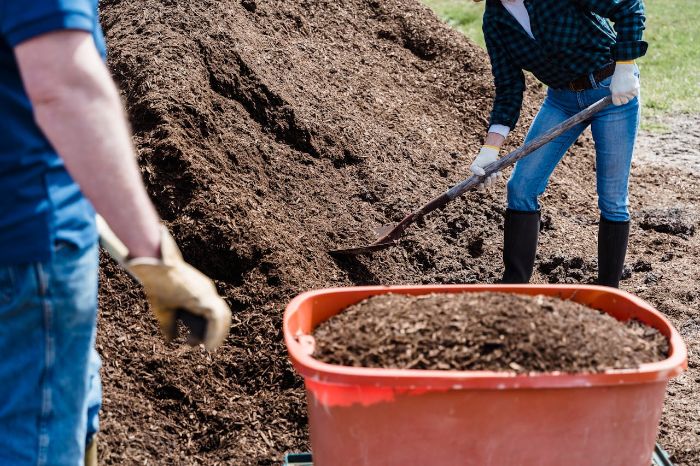
Digging and shoveling are effective for strengthening arms and the core. They require significant effort to lift and move soil or mulch. As you dig, multiple muscle groups work together, similar to gym workouts. This strengthens arms and improves core stability, essential for other activities.
Planting, Weeding, and Raking – Strengthening Your Legs, Arms, and Back
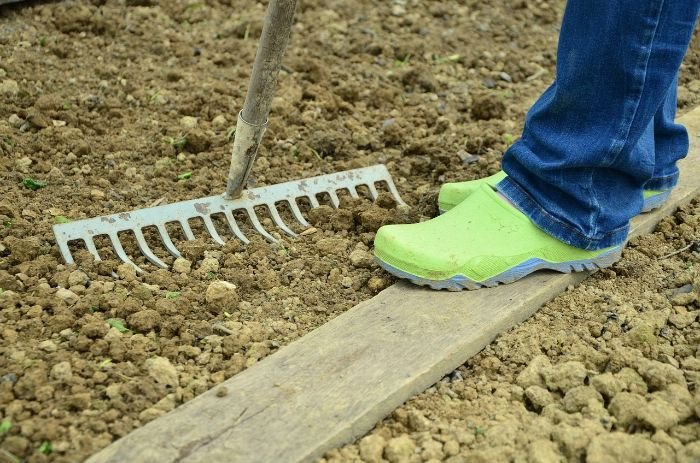
Planting, manual weeding, and raking target different muscle groups. Planting strengthens legs and improves balance through squatting or lunging. Weeding engages the upper body, building arm strength. Raking enhances back and arm endurance, benefiting multiple body parts.
Techniques to Maximize Strength Gains
Improving physical fitness and reducing injury risk in gardening can be achieved by focusing on proper body mechanics and resistance training. These strategies enhance workouts and maximize the benefits of garden activities.
Using Proper Body Mechanics to Prevent Injury and Build Muscles
Correct body mechanics are crucial for injury prevention and muscle building in gardening. When lifting, use your legs instead of your back for safer movements. Avoid overstretching when reaching for tools or plants. Maintaining a neutral spine when bending or lifting improves posture, reducing strain and discomfort.
Incorporating Resistance – Using Heavier Tools or Carrying Pots
Using heavier tools such as a properly chosen wheelbarrow or carrying pots can significantly boost the effectiveness of strength training in the garden. For instance, adding weight to a shovel mimics gym-style resistance training. This approach increases muscle engagement and enhances overall strength, making garden tasks easier to perform.
Making Garden Work Part of Your Fitness Routine
Integrating garden work into your fitness routine can lead to consistent physical benefits. It also makes for a fulfilling lifestyle choice. By setting up a gardening schedule with regular sessions, you can enjoy the outdoors and exercise effectively. Regular practice improves strength and stamina over time.

Creating a Regular Schedule for Consistent Effort
To maximize the benefits of garden work, a structured timetable is crucial. Designating specific days and times for gardening tasks makes physical activity a weekly staple. Whether it’s early mornings or weekends, a consistent schedule boosts the chances of sticking to your fitness routine. This leads to noticeable improvements in muscle tone and endurance.
Combining Gardening with Stretching and Warm-Up Exercises
Before diving into intense gardening tasks, it’s vital to include stretching and warm-up exercises. These prevent injuries and prepare the body for physical demands. Simple routines enhance flexibility and readiness. A few minutes of warm-up exercises improve your garden performance and add to your daily fitness.
By merging these elements with your gardening schedule, you can enjoy a comprehensive fitness experience. This promotes overall well-being.
Tracking Progress and Setting Garden Fitness Goals
Garden work is a great way to track fitness and monitor progress. By noticing improvements in strength and stamina, people can set garden fitness goals. Keeping a log of tasks and endurance increases helps build a sense of accomplishment.
Monitoring Improvements in Strength and Stamina Over Time
Using a progress monitoring system helps recognize personal achievements in gardening. By documenting time and effort in different tasks, patterns in physical change become clear. Regular checks on strength increases, like lifting heavier tools, show fitness progress.
Celebrating Milestones Through Garden Projects and Upgrades
Setting milestones in garden fitness goals boosts motivation and keeps gardening exciting. Celebrating achievements, like a bountiful harvest or a challenging project, is crucial. Acknowledging these milestones rewards individuals, encouraging them to aim for more in gardening and fitness.
Conclusion
Garden work offers a unique way to boost physical fitness while enjoying nature. It goes beyond just making your garden look good. It’s a practical way to build strength through various tasks that improve muscle tone and endurance. This natural exercise brings joy and satisfaction, changing how we see fitness.
When people start gardening, they find it enhances their health and connects them with nature. The tasks, from planting to weeding, contribute to a healthier lifestyle. This approach to fitness is cost-effective and doesn’t require expensive gym memberships or strict workout plans.
In summary, using garden work to improve physical fitness is empowering. It allows individuals to enjoy a mix of exercise and environmental engagement. Regular gardening practices offer numerous benefits, making it a wholesome and rewarding outdoor activity.
FAQ
What types of gardening tasks can help improve strength?
Tasks like digging, shoveling, planting, weeding, and raking are great for boosting strength. They target major muscle groups, including the arms, legs, and core.
How many calories can I burn while gardening?
Gardening can burn a lot of calories. Activities like watering can burn 60 calories. Tasks involving heavy power tools can burn up to 240 calories.
Is gardening a low-impact form of exercise?
Yes, gardening is a low-impact exercise. It’s easier on joints compared to high-impact workouts. This makes it suitable for people of all fitness levels.
What are some tips for preventing injuries while gardening?
To avoid injuries, use proper body mechanics. Lift with your legs and keep your spine neutral. Avoid overstretching. Warm-up stretches also help prepare your body for harder tasks.
How can I track my improvements in strength through gardening?
Keep track of your strength, stamina, and endurance over time. Setting fitness goals related to gardening tasks can motivate you. It also gives you a sense of accomplishment.
Can gardening provide mental health benefits as well?
Absolutely! Gardening boosts mood and motivation. It’s due to exercising outdoors and connecting with nature. This improves overall mental wellbeing.
How can I incorporate resistance while gardening?
To add resistance, use heavier tools, carry pots, or add weight to your tasks. This mimics gym-style resistance training.