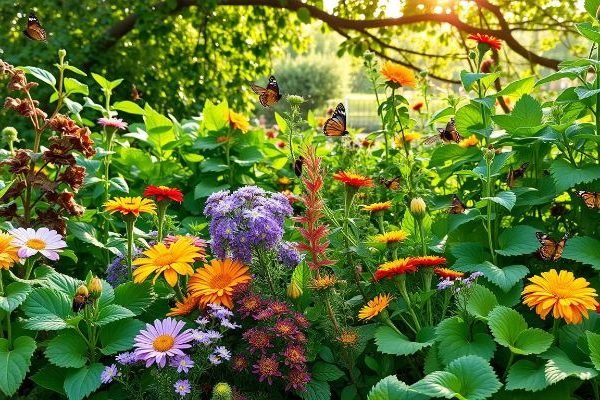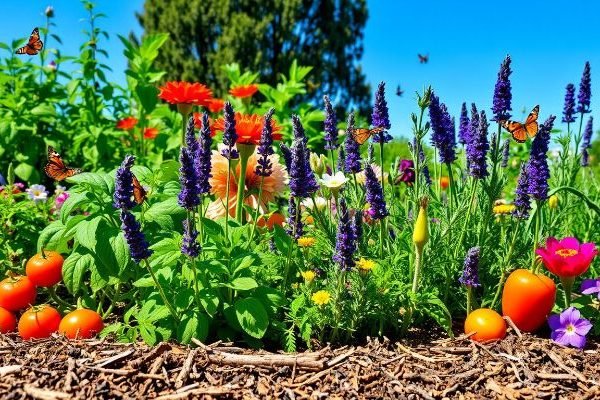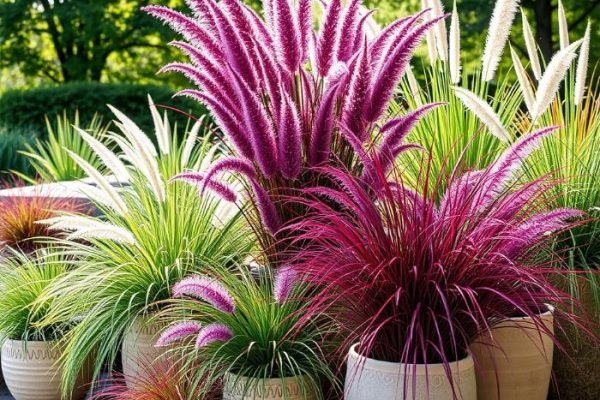


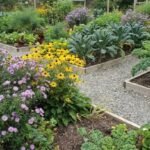

A vibrant garden with aromatic plants like lavender and marigolds growing alongside vegetables, attracting butterflies and promoting natural pest control.

Aromatic Plants in Companion Planting – Natural Pest Control and Pollinator Attraction

Aromatic plants release volatile compounds that influence insect behavior. In companion planting, these natural emissions can reduce pest pressure while attracting beneficial insects that improve pollination and crop health. By understanding which plants produce specific scents and how these scents interact with local ecosystems, gardeners can design planting arrangements that improve yield without synthetic pesticides….

Read More
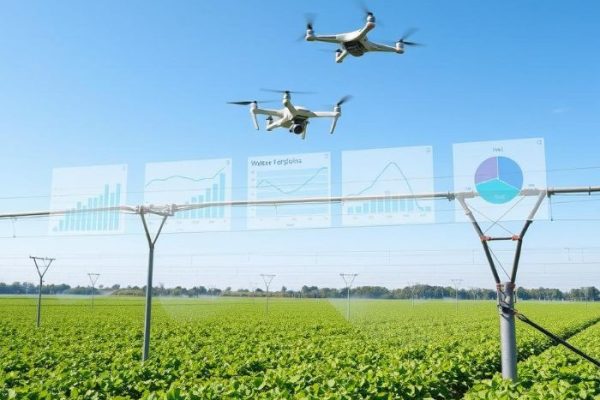
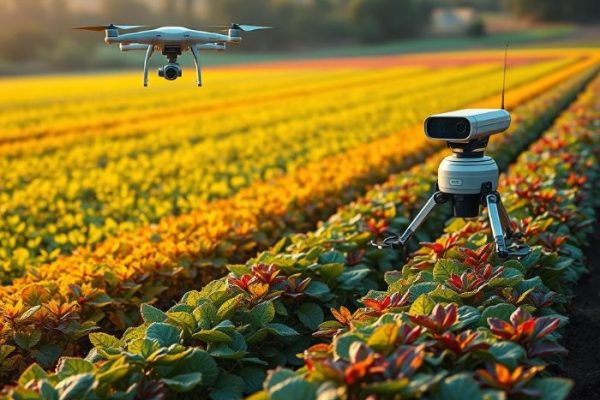
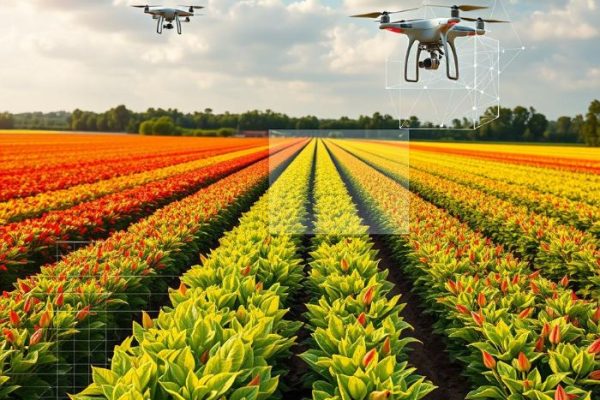
An AI-powered drone and robotic sensor monitoring crops in a field, illustrating advanced AI-driven pest management strategies for precision agriculture.

AI-Driven Pest Management – Smarter Strategies for Modern Farming

Agriculture is increasingly challenged by pests, diseases, and shifting environmental conditions. A key question emerges: Can AI-driven pest management redefine how we protect crops and sustain productivity? Traditional methods often fall short, as pests develop resistance and the heavy use of chemicals degrades ecosystems. Innovation in pest management has become critical for sustaining agricultural productivity….

Read More
Close-up of a star anise flower on a gray background, highlighting its natural beauty and its use as an edible flower in culinary practices.

Edible Flowers – Varieties, Safety, and Creative Culinary Uses

Edible flowers bring both flavor and visual appeal to the plate, combining culinary versatility with a long history of use in global cuisines. Their role extends beyond decoration, offering distinct tastes, aromas, and nutritional benefits. Understanding which varieties are safe to consume, how to prepare them correctly, and the best ways to integrate them into…

Read More