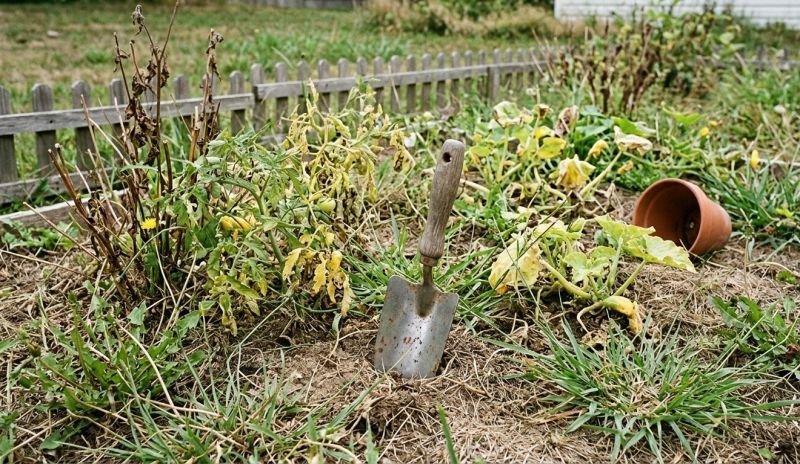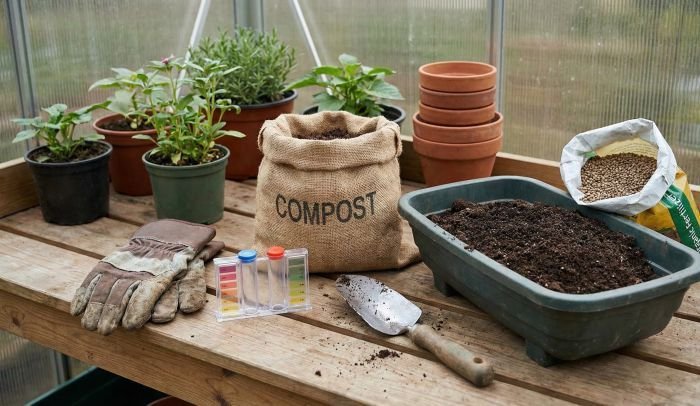
The quickest way to spot why a plant struggles is rarely the leaves or the light – it’s the soil beneath. Some plants flourish where others fail, and the dividing line is often invisible until you test. Once you know which side of the line your garden sits on, the right plants practically choose themselves. The surprise for many gardeners is how much easier it becomes once you stop forcing mismatches.
Key Takeaways:
- Discover why some plants thrive while neighbors collapse
- Unlock planting patterns hidden in your soil’s chemistry
- Learn the mistake that wastes years of growth and bloom
- Keep your garden on track with a simple repeatable habit
- Turn pH results into a planting plan that works for you
Table of Contents
Find Your Garden’s Soil pH Number
Plant selection starts with a reliable soil pH reading for each bed, not the whole yard. A short, repeatable workflow gives numbers you can trust and a map that turns into smart planting decisions.
Quick home test workflow
Use clean tools, consistent depth, and distilled water so readings match across zones. For beds, pull 6-8 cores from 200-300 sq ft at 4-6 in depth; for lawns, sample 2-3 in. Mix the cores into one composite per zone and test a 1:1 soil-water slurry after a 15 minute rest. Calibrate a meter with pH 7 and pH 4 buffers before the session, or use a fresh-dated color kit under natural light.
- Brush off mulch before sampling to avoid surface contamination
- Mix cores in a clean bucket and take a 1 cup sub-sample
- Add equal parts distilled water, stir, rest 15 minutes
- Measure, rinse probe between zones, and record to one decimal
- Repeat on a second sub-sample; average the two readings
Pro tip: If temperatures are below 50°F or soil is very dry, moisten the sample the day before and test at room temperature for steadier numbers.
Map zones for planting decisions
Label each bed as acidic, neutral, or alkaline based on the average. A practical set of bands for plant choice is under 6.0 (acidic), 6.0-7.0 (neutral working band), and above 7.0 (alkaline). Draw a simple yard sketch and mark each zone’s number and band. That map guides which plant groups you pull from next, and it prevents forcing one plant type into a zone where it will struggle.
Pro tip: Keep the map with your irrigation notes; water source changes often explain pH drift across seasons.
Confidence checks
Confirm the reading before you build a plan when the numbers send mixed signals. Retest if two sub-samples from the same zone differ by more than 0.2 pH or if adjacent zones jump by more than 0.5 without a clear boundary like a path or foundation. Send one lab sample per property when you see fizzing with vinegar (free lime), persistent leaf chlorosis despite neutral readings, or when a meter cannot hold calibration.
Pro tip: I log the buffer lot numbers and test dates; stable calibration history saves repeat work later.
A clean test and a simple map are the only prerequisites here. With zones labeled, the right plant groups practically pick themselves and maintenance gets lighter, not heavier.
Match Plant Groups to Soil pH Ranges
Plant choice gets easier when you slot beds into clear pH bands. I sort zones into acidic, neutral, and alkaline, then pull plant groups that naturally perform in each band.
What soil pH do most plants prefer?
Most garden plants prefer 6.0-7.0 because nutrients stay available and roots stay active. Treat readings under 6.0 as acidic and favor acid-adapted species; treat 7.0-7.8 as alkaline-leaning and choose calciphile groups. If a plant tag lists soil pH tolerance, aim for the middle of that range when you have mixed conditions.
Acidic vs alkaline signals for selection
Acidic zones often show moss pressure, dull growth on brassicas, and stronger performance from blueberries, azaleas, and ferns. Alkaline zones often show interveinal chlorosis on new leaves of maples, hydrangeas, and rhododendrons, while lavender, lilac, and many Mediterranean herbs stay green and vigorous. Use these cues to sanity-check your map before you buy plants.
Build planting lists by band
Use your pH bands to steer families of plants rather than memorize long catalogs. Prioritize groups that have a track record in that band and avoid sensitive species that fight the chemistry all season.
| pH band | Example plant groups | Notable species | Notes on tolerance |
|---|---|---|---|
| Under 6.0 (acidic) | Ericaceous shrubs, woodland perennials, many conifers, blueberries | Azalea, rhododendron, blueberry, pieris | Many struggle above 6.2; watch for iron needs |
| 6.0-7.0 (neutral working band) | Most vegetables, culinary herbs, mixed ornamentals | Tomato, pepper, lettuce, zinnia, daylily | Broadest fit; hold near the mid 6s for reliability |
| 7.0-7.8 (slightly alkaline) | Mediterranean herbs, many prairie perennials, drought-tolerant shrubs | Lavender, rosemary, salvia, yarrow | Chlorosis risk rises for iron-sensitive plants |
| Over 7.8 (alkaline) | True calciphiles, xeric ornamentals, some grasses | Russian sage, santolina, sea holly, blue fescue | Choose species proven on limey soils; avoid iron-sensitive shrubs |
Plant tags and local extension lists often indicate soil pH tolerance; treat those ranges as guardrails, not targets to chase with amendments.
A clean band assignment keeps plant selection straightforward and resilient. Match the zone to the group, and the planting will carry itself without constant intervention.
Plants for Acidic Soil That Thrive
When your pH map shows a bed under 6.0, pull plant groups that are built for it. Acid loving plants stay green, set buds, and hold color without constant intervention, especially in zones that sit between 4.5-6.0.
Which plants do well in acidic soil?
Shrubs and perennials from woodland and heath habitats handle low pH comfortably. Ericaceous shrubs such as azalea, rhododendron, and pieris perform best around 4.5-5.5 with even moisture and organic mulch. Many conifers, including hemlock and Japanese cedar, root cleanly in 5.0-6.0 beds. Ferns like lady fern and cinnamon fern fill the understory where leaf litter keeps acidity steady. If a plant tag lists a broad tolerance, favor the low half of that range when your average sits below 6.0.

Edibles that favor low pH
Blueberry and huckleberry are the most reliable choices for 4.5-5.5, provided drainage is good and irrigation water is not strongly alkaline. Strawberry carries well at 5.5-6.5 and pairs nicely at the edge of an acid bed. Potato prefers 5.2-6.0, which also reduces scab pressure; sweet potato tolerates a similar band in warm soils. Tea camellia thrives near 5.5 if winters are mild and the site is wind-sheltered.
Site tips that help acid beds
Keep organic matter moving through the top few inches. A 2-3 in layer of pine bark or shredded leaves buffers swings and feeds the surface roots that acid-adapted shrubs rely on. Use rainwater where tap water runs hard; alkaline irrigation slowly raises pH and invites leaf yellowing on sensitive species. For containers, start with an ericaceous mix and aim 5.0-5.5 for blueberries; refresh the top layer annually to hold numbers steady.
Pro tip: Place iron-sensitive shrubs away from foundations and new concrete, which leach lime into adjacent beds.
| Plant group | Species examples | Light | pH comfort range | Notes |
|---|---|---|---|---|
| Ericaceous shrubs | Azalea, Rhododendron, Pieris | Part shade | 4.5-5.5 | Even moisture, organic mulch |
| Conifers | Hemlock, Japanese cedar, Spruce | Part sun to sun | 5.0-6.0 | Protect from dry winter wind |
| Woodland perennials | Lady fern, Cinnamon fern, Trillium | Part shade | 5.0-6.0 | Leaf mold topdress each spring |
| Groundcovers | Wintergreen, Pachysandra, Sweet woodruff | Shade to part shade | 5.0-6.2 | Slow, dense spread under shrubs |
| Flowering shrubs | Camellia, Mountain laurel | Part shade | 5.0-5.8 | Shelter from harsh afternoon sun |
| Edibles | Blueberry, Strawberry, Potato | Sun | 5.2-6.0 | Free-draining soil, low-alkalinity water |
Use the table to stock a single acid bed rather than sprinkling acid lovers across neutral or alkaline zones. One concentrated zone is easier to keep in range and rewards you with cleaner foliage and reliable bloom.
Plants for Alkaline Soil That Perform
When your pH map shows 7.0 and higher, choose plant groups that stay green without constant rescue feeds. The right picks shrug off iron chlorosis, use minerals efficiently, and keep color through hot, dry spells.
What plants like an alkaline soil?
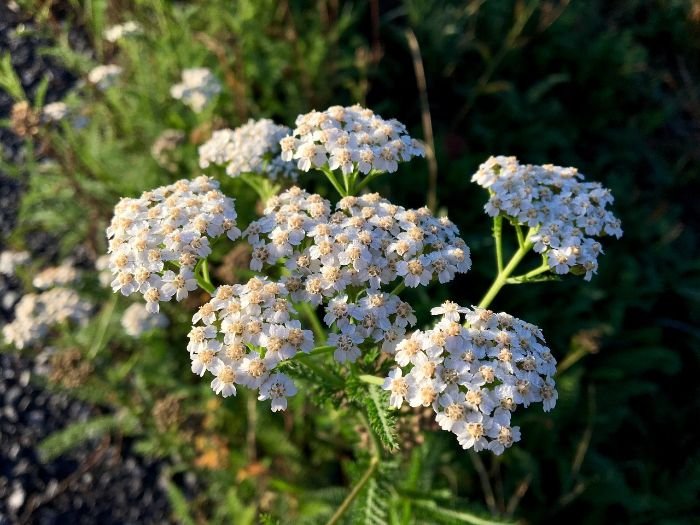
Mediterranean herbs, prairie perennials, many drought-tolerant shrubs, and several ornamental grasses handle high soil pH well. Lavender, rosemary, thyme, and sage stay clean above 7.0 when drainage is sharp. Lilac, buddleia, and cotoneaster carry bloom and structure in 7.0-7.8. Yarrow, Russian sage, catmint, and salvia hold flower color where iron-sensitive plants would yellow. If a species is listed as calciphile or “lime tolerant,” it is a safer bet for beds that test over 7.8.
Herbs and edibles that handle high pH
Focus on Mediterranean kitchen staples and a few resilient crops. Oregano, rosemary, and thyme are reliable in lean, alkaline ground; keep roots dry between waterings and prune lightly to renew growth. Asparagus and beets tolerate 7.0-7.8 in well-drained rows, while fig and pomegranate fruit well in warm regions with calcareous soils. If new leaves pale during cool, wet spells, wait for soil warmth before acting; uptake improves as temperatures rise.
Placement moves that reduce stress
Match sun and drainage to each plant’s habits. Full sun and airy spacing reduce leaf moisture and help iron mobilize in warm soil. Avoid tight, wet spots and areas beside fresh concrete or masonry where lime leaches into the bed. Use a coarse, mineral mulch like pea gravel around Mediterranean herbs to keep crowns dry and roots warm. Where irrigation water tests alkaline, keep runs short and infrequent so the root zone does not stay saturated.
| Plant group | Species examples | Light | Notes on chlorosis tolerance |
|---|---|---|---|
| Mediterranean herbs | Lavender, Rosemary, Thyme, Sage | Full sun | Strong tolerance above 7.0 with sharp drainage |
| Flowering shrubs | Lilac, Buddleia, Cotoneaster | Sun to part sun | Bud and leaf color hold in 7.0-7.8 |
| Perennials | Yarrow, Russian sage, Catmint, Salvia | Full sun | Flowers well on limey soils; avoid heavy mulch |
| Ornamental grasses | Blue fescue, Feather reed grass | Sun | Foliage color holds where shrubs may yellow |
| Xeric ornamentals | Santolina, Sea holly, Rockrose | Full sun | True calciphiles for 7.5+ and lean soils |
| Edibles (regional) | Asparagus, Beet, Fig, Pomegranate | Sun | Productive in 7.0-7.8 with drainage and heat |
Species that thrive in alkaline beds repay you with low-maintenance color and consistent growth. Stock high-pH zones with proven performers, and you will spend your time pruning and harvesting instead of chasing leaf color.
Design Plantings for Mixed Soil pH Yards
Mixed numbers are normal. Use your pH map to place plants where they fit, then design beds and boundaries so chemistry stays stable without constant amendments.

Grouping and bed design
Cluster acid lovers into one or two beds and keep neutral-tolerant plants as the connective tissue between zones. If adjacent areas differ by 0.7 pH units or more, install a defined edge 8-12 in deep to stop soil mixing and mulch migration. Build acid beds slightly mounded to shed alkaline runoff from paths and masonry. Keep high-pH zones on the sunny, quick-drying side of the yard where Mediterranean herbs and prairie perennials resist chlorosis. Use drip lines that match bed boundaries so adjacent zones do not share runoff.
Pro tip: Where pavers or new concrete edge a bed, pull the planting line 12-18 in away to avoid lime leach affecting sensitive roots.
Containers and raised beds for outliers
When a must-have plant does not match the native number, move the plant, not the yard. Use containers or a dedicated raised bed for outliers instead of chasing amendments across large areas. For acid-preferring shrubs, fill raised beds 10-12 in high with an ericaceous mix and isolate them from native soil with landscape fabric underlayment. For alkaline-tolerant collections, use mineral mulches and lean mixes to keep crowns dry and roots warm. Refresh the top 2 in of media each spring to hold the intended chemistry.
Pro tip: Place containers on feet or gravel pads so winter wet does not wick alkaline water into acid mixes.
Maintenance cadence and plan updates
Treat layout as a living plan. Retest each mapped zone in spring and late summer, then adjust plant placement only when readings drift. If a zone moves by 0.3-0.5 pH units in one season, swap sensitive plants with tolerant neighbors rather than reworking the whole bed. Move woody plants during dormant months and perennials right after bloom. When irrigation source changes, pull an extra check within 4-6 weeks to see if zones trend upward or downward.
- Retest zones spring and late summer on the same map
- Adjust plant placement only after a 0.3-0.5 unit drift
- Edge beds 8-12 in deep where bands meet
- Use raised beds 10-12 in high for outliers
- Refresh container media top 2 in each spring
A yard designed around real numbers becomes low-maintenance by default. Plants sit in compatible chemistry, irrigation stays simple, and most work shifts to pruning and seasonal grooming instead of constant course corrections.
Practical Wrap-Up
Use simple band rules to make clean plant calls. Treat under 6.0 as acidic, 6.0-7.0 as the working band, and 7.5+ as alkaline. If a plant’s listed pH range has its midpoint within 0.3 of your zone’s center, plant it in-ground. If it sits 0.5 or more outside the band, containerize or skip. Yellow new leaves with green veins at the nursery signal iron sensitivity; avoid those for high-pH zones and reach for proven calciphiles instead.
Keep decisions event-based, not calendar-only. Recheck any zone after a water source change, after adding more than 1 in of organic matter, or after a week with 3+ inches of rain. If the number moves 0.3-0.5 in a season, swap sensitive plants with tolerant neighbors and watch the next reading before moving more.
- Match 80 percent of plants to their zone
- Containerize outliers more than 0.5 pH off
- Skip iron-sensitive shrubs where pH is 7.5+
- Mark pH on the planting plan per bed
- Test water alkalinity once each growing season
FAQ
How precise does my soil pH reading need to be for plant selection?
A soil pH reading within ±0.2-0.3 is precise enough to pick plant groups confidently. If two composite tests from the same zone differ by more than 0.5, retest or send one lab sample before buying plants.
What soil pH do most vegetables prefer, and which common exceptions matter?
Most vegetables grow well in 6.2-7.0. Potatoes do best near 5.2-6.0, which reduces scab, while asparagus and beets stay productive up to 7.8 if drainage is good.
Can I mix acid lovers and alkaline-tolerant plants in one bed?
Only if you create microzones. Keep plants 12-18 in from fresh concrete, mound acid zones slightly to shed runoff, and containerize any outlier whose midpoint sits 0.5 or more outside the bed’s band.
My yard has several pH zones. How big should each planting zone be?
Aim for zones of 60-150 sq ft so irrigation and mulch stay consistent. If adjacent areas differ by 0.7 units or more, install an 8-12 in deep edge to prevent soil mixing.
How often should I retest soil pH when planning new beds?
Test before planting, then again 4-6 weeks after major soil changes or a new water source. Once beds are stable, retest each spring and late summer to keep choices aligned with real numbers.
Which shrubs handle 7.5-7.8 without chlorosis worries?
Lilac, Russian sage, catmint, and santolina typically hold leaf color in 7.5-7.8 with full sun and sharp drainage. Avoid iron-sensitive shrubs in that band unless they are containerized.
My tap water is alkaline. Should I choose different plants?
Yes. Hard, high-bicarbonate water nudges beds upward over time, so favor calciphile herbs and prairie perennials in those zones and reserve acid lovers for rainwatered beds or containers.
Are specialty “acid-loving” container mixes worth it for blueberries and camellias?
They help. Use an ericaceous mix and target 5.0-5.5, refresh the top 2 in each spring, and keep containers on feet or gravel so alkaline runoff does not wick into the pot.