


Struggling to find plants for your garden’s low-light spots? You’re in the right place. We’ll cover plenty of shade-loving plants perfect for such areas. There’s more choice than you might think for making dark spaces beautiful and lively.
Plants that love shade have learned to grow without much sunlight. They’re a great fit for both outdoor and indoor spaces where the sun barely shines. With them, you can turn your dim backyard or room into a green paradise.
We’ll walk you through picking the best shade-loving plants and show you why they’re great. Plus, we’ll share tips on the types of shade, checking shade levels at your place, and creating an amazing, useful shade garden.
Key Takeaways:
- Shade-loving plants thrive in low-light areas and can transform shaded spaces into lush sanctuaries.
- There are numerous options available for shade-loving plants, allowing you to choose the perfect plants for your specific needs.
- Understanding different types of shade and assessing shade conditions in your garden are essential for selecting the right shade-loving plants.
- Shade-loving plants can add color, texture, and interest to shaded areas, making them a valuable addition to any garden or indoor space.
- Designing a shade garden involves creating layers, combining plants for continuous interest, and using hardscaping elements to enhance shaded areas.
Table of Contents
About Shade-Loving Plants
Shade-loving plants add beauty where sunlight is scarce. They thrive in dark areas and bring color to shaded nooks. Let’s dive into why these plants are perfect for your space and the joys they offer.
The Importance of Choosing the Right Plants for Shade
Picking the right plants for shade is key. Shade-loving plants flourish without much sun. They stay healthy and brighten up dark spots with the correct care.
Consider how much shade a plant can handle. Some like no sun at all, and others need a bit of light. Matching your plant to your garden’s conditions helps it grow strong.
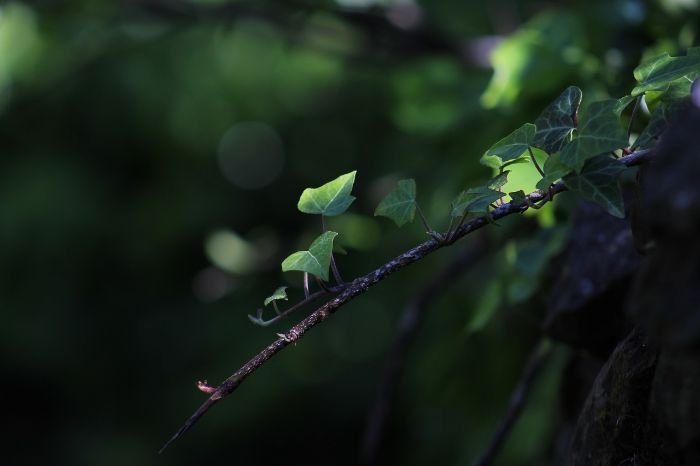
These plants come with special traits for low-light. They might have big leaves to catch more light. Or they are great at turning sunlight into food. Choosing them makes your garden full and lively, even in dim spots.
Benefits of Incorporating Shade-Loving Plants in Your Garden
There are lots of pluses to adding shade-loving plants to your garden.
Color and Texture – These plants have bold leaves or pretty flowers. They make the dark corners of your garden pop with color. Adding them can make your garden a real beauty.
Year-Round Interest – Many of these plants look great all year. Even without flowers, their leaves bring unique colors and shapes. This adds a special touch to your garden.
Environmental Benefits – Shade-loving plants help the planet, too. They can stop soil from washing away and make the air cleaner. Plus, they give homes to birds and bugs. Adding them to your garden does a world of good.
Shade-loving plants are not just pretty; they do a lot for your garden and the earth. They are an easy, smart pick for spots that don’t get much sun.
Understanding Shade Conditions
For a great garden, knowing the shade in your area is key. Shade types change through the day, influencing what plants will do well. Let’s look into various shades and how to check them in your garden.
Types of Shade – Full Shade, Partial Shade, and Dappled Light
Shade comes in three main kinds – full shade, partial shade, and dappled light. Full shade means very little direct sunlight all day. This happens under buildings, thick trees, or other things blocking the sun. Partials shade gets a bit of direct sun but is mostly shady. It’s common under light tree cover or structures that don’t let much sun through. Dappled light is when sun peeks through trees, making a dappled pattern on the ground.
Assessing Shade in Your Garden
It’s crucial to know the amount and type of shade to pick the right plants. Observe your garden during the day to see the sunlight it gets. You can also use tools like a shade meter or an app for a detailed check.
Don’t forget about shade quality, which is how much light gets through. Some plants love deep shade, while others do well in dappled light. Knowing the shade quality helps choose plants that will be happy in your garden.
Checking the shade in your garden will make it perfect for shade-loving plants. By knowing about shade types and testing your garden’s shade, you can pick plants that will grow beautifully in the shade.
Top Shade-Loving Plants
Don’t worry if you have areas in your garden with little light. Many plants love shade and can make these spots beautiful. We’ll show you the best plants for low-light areas. You’ll see perennials, annuals, shrubs, and groundcovers that work well.
Perennials for Shade
Perennials are perfect for shady places. They come back every year, keeping your garden pretty. Some of the favorite perennials for shade are:
- Astilbes
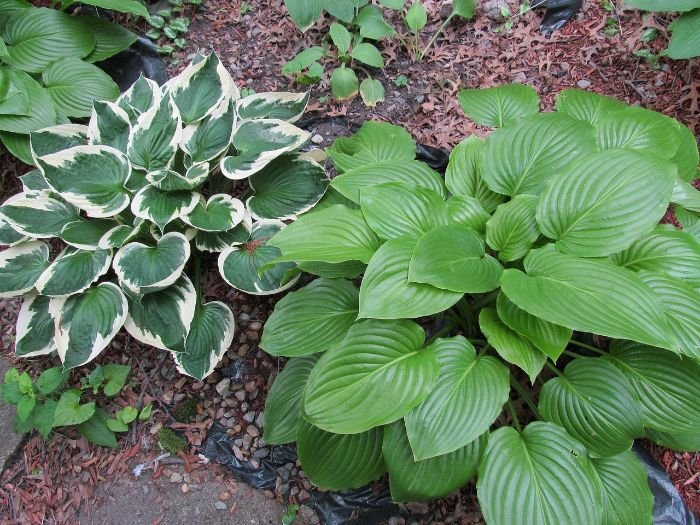
- Hostas
- Bleeding Hearts
These plants live a long time and bring color to shadowy spots. They’re a must for any shade garden.
Annuals that Thrive in Low Light
For quick, bright colors in your shade garden, try annuals. Though they last a season, they flower a lot. Some top annuals for low light are:
- Begonias
- Impatiens
- Caladiums
Annuals are great for adding color to shady spots. They make the area lively and welcoming.
Shade-Tolerant Shrubs and Groundcovers
Shrubs and groundcovers fill your shade garden with life. They offer beauty all year and work well with other shade plants. Hydrangeas, Japanese Forest Grass, and Creeping Jenny are great choices.
These types of plants thrive in low light. They make your garden rich and varied, with a beautiful green carpet.
Planting these top shade-loving picks will make your low-light garden come alive. With options in perennials, annuals, shrubs, and groundcovers, you can craft a lovely and thriving shade oasis.
Flowering Plants for Shade
Flowering plants are great for shady areas, making your garden colorful. They bring beauty and interest to the shade. We will look at three types that love shade and make your garden charming.
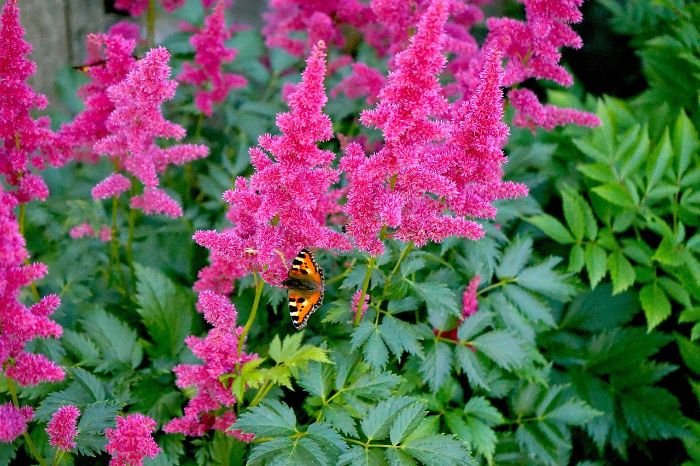
Astilbes – Feathery Blooms for Shady Spots
Astilbes are stunning plants that love the shade. Their feathery blooms look delicate. They come in pink, white, and lavender, making your garden beautiful. They also have pretty leaves, adding texture all year long.
Hostas – Versatile and Colorful Foliage
Hostas are famous for their many leaf colors and shapes. They vary from bright greens to unique patterns. This gives your garden a lot of interest. Some hostas bloom with pretty white or lavender flowers, adding charm.
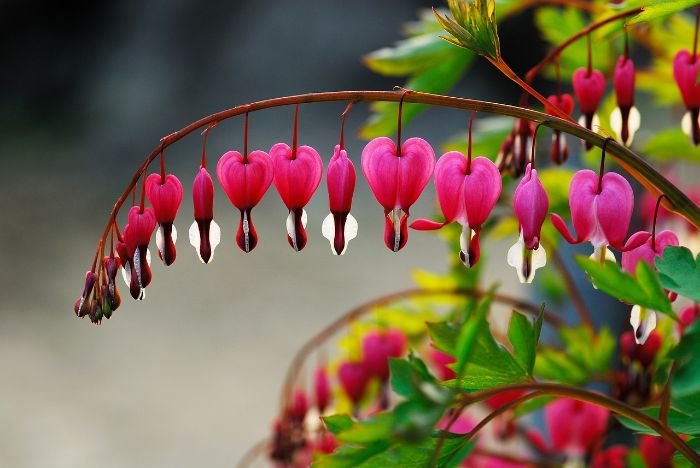
Bleeding Hearts – Unique and Delicate Flowers
Bleeding Hearts have heart-shaped flowers that are very special. The flowers are pink or white and hang from the plant like jewels. They love the shade and bring a bit of romance to your garden. Placing them with other shade-loving plants makes a striking scene.
Foliage Plants for Visual Interest
Flowering plants are not alone in making a garden pretty. Foliage plants are key too. They have beautiful leaves that fill shady spots with color and texture. Let’s learn about top foliage plants for shades.
Ferns – Adding Texture and Elegance
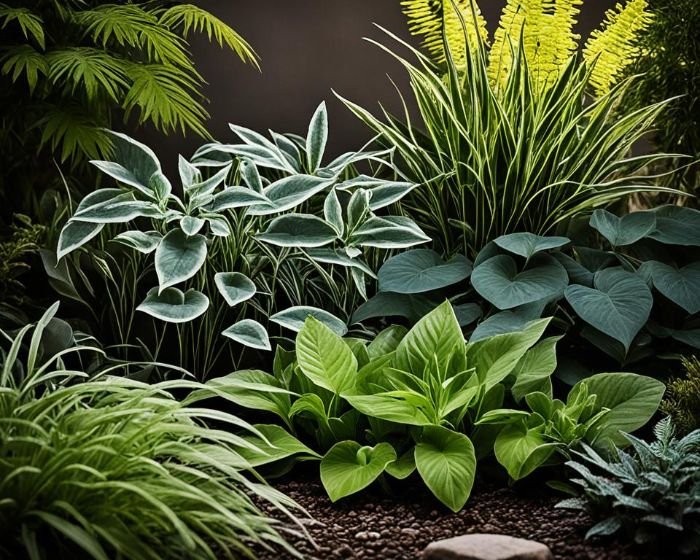
Ferns bring grace and beauty with their delicate leaves. With feather-like or lacy fronds, they make shaded areas lush. Ferns love low light, making them perfect for shade.
There are many fern types, each with its own look. Popular ones include Maidenhair fern, Japanese Painted fern, and Foxtail fern. They will make your shade garden more beautiful.
Heucheras – Vibrant Leaves in Various Colors
Heucheras, or coral bells, dazzle with their colorful leaves. They come in greens, purples, and more. These plants brighten up shade, making gardens more lively.
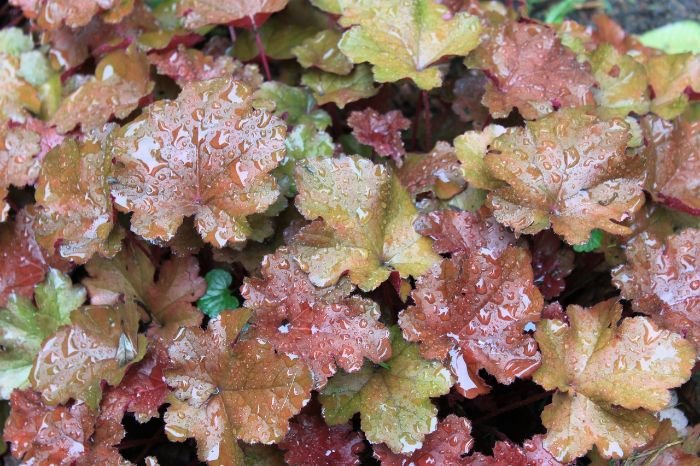
Heucheras are low-maintenance and love shade. Varieties like ‘Palace Purple’, ‘Green Spice’, and ‘Silver Scrolls’ are standouts. They add color to any shady spot.
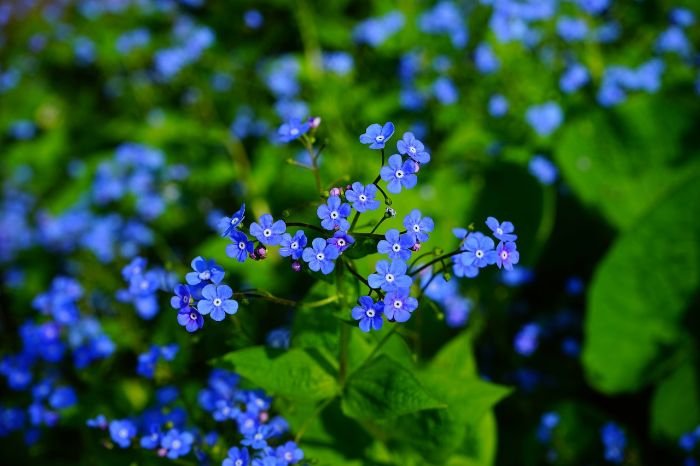
Brunnera – Heart-Shaped Leaves with Silver Patterns
Brunnera is a beauty with its heart-shaped, silver-spotted leaves. Its flowers are dainty and blue. It makes any shaded garden more enchanting.
‘Jack Frost’, ‘Dawson’s White’, and ‘Looking Glass’ are popular brunnera types. They bring special charm to shady spots. These silvered leaf plants are a perfect choice for beauty in the shade.
Using these plants will make your shade garden a lovely, diverse area. Ferns, heucheras, and brunnera bring color, texture, and style. Your shaded area will look stunning all year round.
Designing a Shade Garden
We’ll talk about making a shade garden look great. It takes thought to make sure it’s both beautiful and practical in the shade.
Creating Layers with Different Plant Heights
A good shade garden has plants of different heights. This adds depth and makes the garden more interesting. It’s like a painting, but with plants!
Tall plants like trees make the top layer. They give shade to what’s below. The middle has medium-sized plants. On the ground, there are small plants. It’s like a whole world in one garden.
This way, you use the space well and make your garden look bigger.
Combining Plants for Continuous Interest
Pick plants that bloom at different times. This way, your garden always has something colorful to see. It’s all about planning for beauty all year round.
Start with spring flowers like tulips. Then add summer or fall plants. This mix keeps your garden lively.
Next, we’ll look at adding paths and other non-plant features to make your garden even better.
Using Hardscaping to Enhance Shaded Areas
Hardscaping can really improve your shady spots. It’s about adding things like paths and walls. They give your garden shape and make it more interesting.
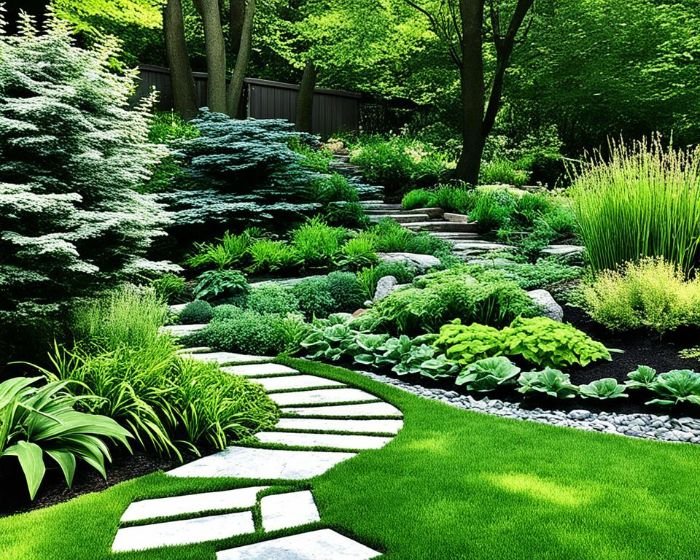
A stone path can make your garden feel cozy. A fountain or a nice sitting spot can be great too. They make your garden a place you want to be.
Pick things that look good with your plants. Hardscaping is important for beauty and use in your garden design.
Next, we have tips for planting and caring for plants that love the shade. This will keep your shade garden happy and healthy.
Planting and Care Tips for Shade-Loving Plants
Soil Preparation and Amendment
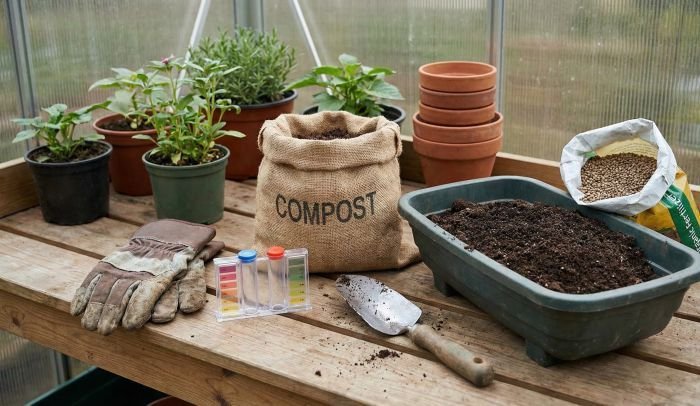
For your shade-loving plants to do well, how you prep the soil is key. First, get rid of any weeds or debris. Next, use a garden fork or tiller to loosen the soil. Add things like compost to make the soil better for your plants.
It’s important to keep the soil moist, but not too wet, when planting shade-loving plants. This helps their roots grow well in dark areas. Watch the soil’s moisture level and water as needed.
Watering Practices for Shady Areas
In the shade, water doesn’t dry up as fast as in the sun. So, it’s best to water deeply, but not often, for these plants. Deep watering helps roots grow down into the soil.
To keep the moisture in and stop weeds, mulch around the plants. Use things like wood chips or shredded leaves. Just make sure the mulch doesn’t touch the plant stems.
Fertilization and Mulching Tips
Fertilizing your shade-loving plants regularly is a must for their health. Use a slow-release fertilizer made for plants that grow in the shade. Be careful not to use too much, as it can make the plants weak.
Mulch has many benefits for shade plants. It keeps moisture in, helps keep the soil from getting too hot or cold, and stops weeds. Spread mulch around your plants, but not too close to their stems.
Always keep an eye on your shade plants’ moisture and nutrient needs. With the correct care, these plants will prosper in shady spots, making them more beautiful.
Addressing Common Challenges
Gardeners often deal with issues when growing shade-loving plants. It is key to handle these problems for plant health. This guide gives tips on fighting moisture and drainage problems, fighting pests and diseases, and promoting strong growth in low light.
Dealing with Moisture and Drainage Issues
Moisture and drainage problems are regular in shaded spots. They impact the health of plants that like shade. Making sure the soil doesn’t get too wet is important. You can do this by making the soil drain better. Add things like compost to the soil. This stops water from staying too long and harming the plants.
Keeping an eye on how moist the soil is matters a lot. Put your finger down into the soil to check. If it’s dry a bit down, water your plants. But, don’t water them too much. This could harm their roots. You want the soil to be a little wet all the time, but not soaked. This is good for the plants.
Preventing and Managing Pests and Diseases
Gardens that are shady can be perfect for pests and diseases. A good plan helps stop them. This means checking your plants often, keeping them clean, and quickly fixing any issues.
Look at your plants regularly for weird signs. Things like strange leaf colors tell you something is wrong. Seeing these early lets you act fast. Take off any bad parts, or pull out sick plants to keep others safe.
Some bugs that are good for the garden can help fight pests. By growing flowers they like, such as marigolds, you invite them over. They eat or scare off harmful bugs. This is a natural way to protect your plants.
Encouraging Healthy Growth in Low Light
Shade plants need light to grow strong. Pick plants that do well in low light. This is the first step to healthy shade plants.
Adding LED lights can also give your plants more light. Place the lights right above your plants. Change the light cycle with the seasons to copy natural light changes.
Good soil food is also crucial for plant health. Pick a fertilizer made for shade plants. Mulch can keep the soil good too. It holds in water, stops weeds, and helps the plants.
Conclusion – Enhancing Your Garden with Shade-Loving Plants
Shade-loving plants can make any garden or dim area beautiful. By choosing the right plants and caring for them well, you can have a garden full of life and color.
It’s important to pick plants that love the type of shade in your garden. You can choose from many flowers and plants with colorful leaves, like astilbes, hostas, and bleeding hearts. These will add beauty to your shady places.
Don’t forget to add plants for their leaves, too. Ferns and heucheras will bring extra beauty and color. Brunnera has pretty silver designs that will make your garden look elegant.
With these plants, your shady areas can be as inviting as the sunlit parts. So, go ahead and make a beautiful, peaceful space in every corner of your garden.
FAQ
What are shade-loving plants?
Plants that grow well in areas with little sunlight are called shade-loving plants. They thrive in dim light and are great for adding beauty to shady spots.
Why is it important to choose the right plants for shade?
The right plants for shade will do well in low-light conditions. They’re made to grow happy in the shade. Choosing them means your garden will be a green and colorful place.
What are the benefits of incorporating shade-loving plants in my garden?
By adding them, your garden gets more colorful and interesting. These plants make shady areas look good. They also help keep the surroundings cooler.
What are the different types of shade?
Shade comes in three main types: full, partial, and dappled. Full shade means no direct sunlight. Partial shade gets some sun each day. Dappled light is when sunlight filters through trees, making a mix of light and shade.
How do I assess the amount and quality of shade in my garden?
Watch how the sun moves through your garden. This helps you see where it’s shady. Think about the trees and buildings that make shade too. Tools like a shade meter or advice from a gardening expert can also help.
What are some top shade-loving plants?
There are many great choices, including ferns, hostas, and astilbes. You can also go for impatiens, begonias, hydrangeas, ajuga, and lamium. These plants are perfect for gardens that don’t get a lot of sun.
What are some flowering shade-loving plants?
Astilbes, hostas, and bleeding hearts are great for their flowers. They bring color and beauty to dark spots in the garden.
What are some foliage plants that thrive in shade?
Ferns, heucheras, and brunnera are excellent choices. They bring texture and color to shady areas. Ferns add an elegant touch, while heucheras come in many shades, and brunnera has pretty silver-patterned leaves.
How can I design a shade garden?
Mix plants of different heights and types. This creates a lovely, layered look. Also, use materials like rocks or pathways to make your garden even more beautiful.