





Among nature’s most fascinating adaptations are fungi that not only endure extreme radiation but seem to thrive by using it to fuel their growth. These organisms challenge our understanding of life and open new possibilities for environmental recovery and even space exploration. But how do they manage to survive, and what can they teach us about resilience and ecological balance?
Key Takeaways
- Certain fungi species can survive and even thrive in high-radiation environments.
- Melanin in fungal cells plays a crucial role in absorbing radiation and potentially converting it into usable energy.
- Radiation-resistant fungi offer opportunities for bioremediation of contaminated sites.
- These organisms have potential applications in space exploration for radiation shielding.
- Studying these fungi provides valuable insights for enhancing soil health and ecosystem recovery.
Table of Contents
Life in Radiation Zones – Nature’s Recovery
Despite the initial devastation, ecosystems in radiation-affected zones such as Chernobyl and Fukushima have demonstrated remarkable resilience. Over time, plants, fungi, and even some animals have adapted to conditions that were once thought to be uninhabitable. Fungi, in particular, have demonstrated not just survival but active colonization of radioactive structures, suggesting a broader natural capacity for recovery and adaptation under extreme stress conditions.
This surprising recovery underscores nature’s inherent ability to adapt, and fungi often lead the way in regenerating ecological balance by stabilizing contaminated soils and facilitating nutrient cycles.
Discovery of Radiation-Absorbing Fungi in Chernobyl
In the aftermath of the 1986 Chernobyl disaster, scientists exploring the reactor site made a remarkable discovery. In the highly radioactive ruins, black-hued fungi were colonizing the walls of the damaged reactor. Studies later identified several species, including Cladosporium sphaerospermum and Cryptococcus neoformans, capable of surviving, and even thriving, in environments with extreme gamma radiation.
The discovery, first reported in the early 1990s, raised profound questions about how life adapts to seemingly lethal conditions. Further research confirmed that these fungi were not just passively enduring radiation; they appeared to be actively using it.
How Do Fungi Survive and Thrive in High-Radiation Areas?
The Role of Melanin in Radiation Absorption
A key to this survival mechanism lies in melanin, the same pigment responsible for coloration in human skin. In these fungi, melanin within the cell walls absorbs gamma radiation. Remarkably, it seems that the absorbed radiation alters the fungi’s metabolic pathways, enhancing their growth – a phenomenon some researchers liken to “radiosynthesis,” analogous to photosynthesis in plants.
Adaptation Mechanisms Beyond Protection
Beyond mere shielding, the absorbed radiation is hypothesized to stimulate electron transfer processes within the melanin, effectively enabling the fungi to convert radiation into chemical energy. This adaptive trait allows them not only to survive but potentially to accelerate their biological functions in radiation-heavy environments.
How Radiation-Eating Fungi Differ from Other Extremophiles
Extremophiles are organisms that thrive in physically or geochemically extreme conditions, such as intense heat, acidity, salinity, or radiation. While bacteria and archaea dominate many extreme environments like hydrothermal vents and acidic hot springs, radiation-eating fungi stand out by using a complex pigment-based mechanism for survival.
Unlike thermophiles or acidophiles that have adapted structural and metabolic resilience, melanized fungi actively leverage radiation as a metabolic enhancer. This unique adaptation distinguishes them from other extremophiles and expands our understanding of life’s versatility.
Experimental Insights – How Effective Are Radiation-Absorbing Fungi?
Experiments conducted aboard the International Space Station, as detailed in a peer-reviewed study published in Frontiers in Microbiology, demonstrated that a thin layer of Cladosporium sphaerospermum reduced radiation levels by approximately 2% compared to control areas. While the reduction may seem modest, it highlights the fungi’s potential as a living, self-repairing shield.
Further terrestrial experiments confirmed that these fungi could grow robustly under elevated radiation conditions, reinforcing the hypothesis that they use radiation not just for protection but as an energy source.
Additionally, researchers found that radiation exposure not only enhanced the growth rate of these fungi but also increased melanin production, indicating a dynamic biological response to environmental stressors.
Potential Applications of Radiation-Eating Fungi
Bioremediation of Radioactive Sites
The resilience of these fungi has profound implications for bioremediation. Scientists envision using melanized fungi to help clean up radioactive waste sites, aiding ecosystem recovery in places like Chernobyl and Fukushima. Early experiments have demonstrated promising results, where fungal colonies successfully reduced radiation levels in controlled environments.
Space Exploration and Radiation Protection
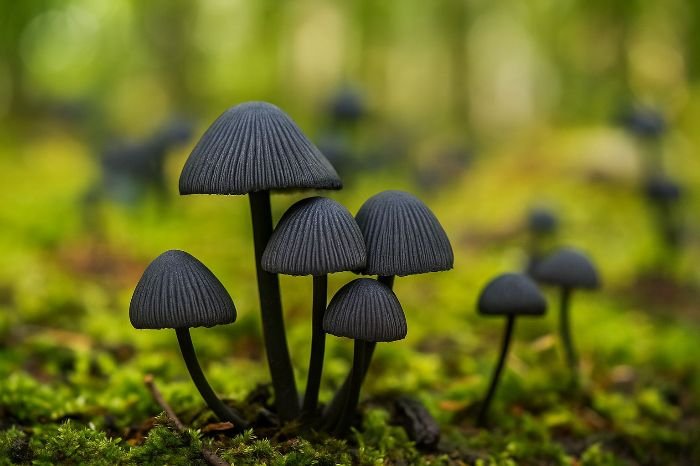
NASA and other space agencies are increasingly interested in these organisms. According to NASA’s research on myco-architecture, experiments on the International Space Station revealed that melanized fungi could significantly attenuate cosmic radiation levels, suggesting a future where biological radiation shields protect astronauts on long-duration missions. Research suggests that integrating melanized fungi into spacecraft walls or planetary habitats could create lightweight, self-regenerating radiation shields, dramatically reducing the need for heavy traditional materials.
Challenges and Limitations in Using Melanized Fungi for Bioremediation
Despite their promise, melanized fungi are not a silver bullet. These organisms can absorb radiation, but they do not eliminate it. The radioactive material remains within their biomass, posing potential risks if not properly managed.
Moreover, cultivating these fungi in large-scale, uncontrolled environments could introduce ecological uncertainties. Research is ongoing to determine safe and effective ways to deploy them, particularly in sensitive or heavily contaminated areas.
Understanding these limitations ensures realistic expectations for their role in environmental recovery.
What Radiation-Resistant Fungi Teach Us About Soil Health
Beyond extreme scenarios, radiation-absorbing fungi offer critical insights into soil health and recovery. Their ability to stabilize contaminated environments hints at broader applications for gardening and agriculture, particularly in areas affected by pollution or poor soil conditions.
Fungi with similar mechanisms are used in mycoremediation to detoxify soils contaminated with heavy metals, hydrocarbons, and pesticides. By promoting fungal diversity, gardeners and land managers can naturally improve soil fertility, reduce pollutant loads, and enhance plant resilience.
The concept of using fungi to heal damaged ecosystems aligns closely with mycoremediation – the practice of deploying fungi to cleanse and revitalize soils. For a deeper exploration of how fungi can support soil recovery and ecosystem balance, see our article on Mycoremediation – Using Fungi to Improve Soil Health.
Through natural processes, fungi can break down pollutants, enrich soil biodiversity, and enhance plant resilience. Understanding these mechanisms equips gardeners and land managers with powerful tools for sustainable cultivation and ecological restoration.
Future Prospects – Fungi and Sustainable Gardening
Looking ahead, research into radiation-absorbing fungi could inspire new methods for sustainable gardening. Scientists are exploring how the natural properties of melanized fungi could be integrated into soil enhancement products, living mulches, and bio-barriers against soil contaminants.
Innovations based on these fungi might one day help urban gardens thrive on marginal lands or rehabilitate former industrial zones. Start-up initiatives are already investigating fungal-based biofilters and green barriers that could protect plants in polluted environments, paving the way for more resilient urban agriculture.
Harnessing their resilience could open new opportunities for food production in challenging environments.
Conclusion – Learning from Nature’s Survivors
The discovery of radiation-eating fungi demonstrates nature’s remarkable ingenuity. These organisms do not merely survive adversity; they transform it into opportunity. From healing contaminated lands to potentially protecting future space travelers, melanized fungi embody resilience at its finest.
Their inherent ability to heal damaged environments continues to inspire innovative strategies for sustainable gardening and ecological restoration. As we face global environmental challenges, such biological solutions remind us that nature often holds the keys to recovery. By studying and harnessing the strengths of these extraordinary fungi, we not only expand our scientific horizons but also strengthen our capacity to build a more sustainable future, both on Earth and beyond.
FAQ
Which fungi species survive and thrive in high-radiation environments?
Species such as Cladosporium sphaerospermum and Cryptococcus neoformans have been observed thriving in high-radiation environments like Chernobyl.
How do these fungi absorb radiation?
These fungi contain melanin in their cell walls, which absorbs and possibly converts radiation into chemical energy, aiding in their survival and growth.
Can radiation-eating fungi be used for cleaning radioactive sites?
Yes, early studies suggest that melanized fungi could be employed to reduce radiation levels and help rehabilitate contaminated environments.
Are there applications for these fungi beyond Earth?
NASA is exploring the use of radiation-absorbing fungi as natural shields to protect astronauts from cosmic radiation during space missions.
How are these fungi connected to soil health?
Radiation-resistant fungi offer insights into mycoremediation techniques, where fungi help cleanse polluted soils and restore ecological balance.
What is “radiosynthesis” in fungi?
Radiosynthesis refers to the hypothesized process where fungi use absorbed radiation to enhance their metabolic processes, similar to how plants use sunlight in photosynthesis.
Are there ongoing experiments with radiation-eating fungi?
Yes, experiments on the International Space Station and in controlled environments on Earth are ongoing to better understand and harness their capabilities.