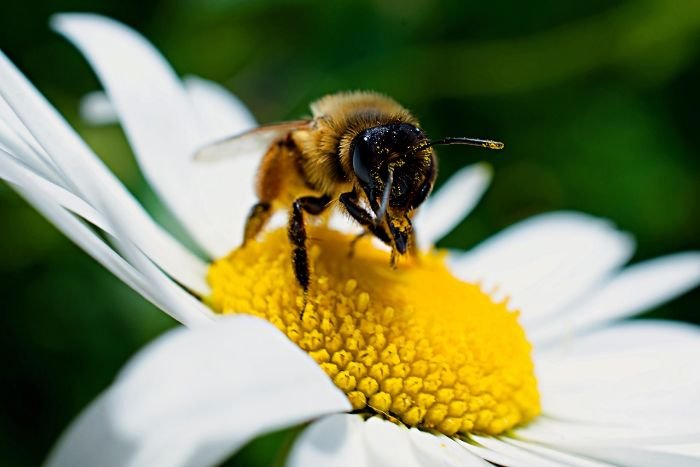
Do you want to turn your garden into a buzzing place for pollinators? It’s a great way to help our environment. By picking bee-friendly plants, you can bring bees, butterflies, and birds to your garden. This helps keep these important creatures healthy and safe.
But what plants should you choose to help pollinators? We’ll show you how to select the best bee-friendly plants. Follow our expert advice to make a beautiful and active garden.
Key Takeaways:
- Selecting the right plants is crucial for creating a pollinator paradise.
- Bee-friendly plants attract essential pollinators like bees, butterflies, and hummingbirds.
- By creating a favorable environment, you can protect pollinators and promote biodiversity.
- In this article, we will share expert tips on choosing the best bee-friendly plants for your garden.
- Transform your garden into a vibrant and flourishing ecosystem that supports the health and survival of pollinators.
Table of Contents
Introduction to Pollinator-Friendly Gardens
Pollinators are vital for a healthy ecosystem. They are key in helping plants reproduce and make fruits, vegetables, and seeds. Making your garden friendly to these helpers is good for the environment. It can boost crop growth, increase biodiversity, and make your outdoor space more beautiful.
The Importance of Pollinators in the Ecosystem
Bees, butterflies, birds, and bats move pollen between flowers. They make sure plants can make seeds. This job is critical for food crops. Without pollinators, we’d have fewer fruits and vegetables, hurting us and wildlife.
Benefits of Attracting Bees and Other Pollinators to Your Garden
There are many good things about a garden that welcomes pollinators. For one, it can increase your harvest. Bees and others help plants make more fruits and vegetables. This means bigger, better crops for you.
You also help protect nature’s variety by giving pollinators a good home. They are crucial for many plants to grow. A garden filled with their favorite flowers looks and smells great. It’s a win for your eyes and for nature.
Understanding Pollinator Preferences
Many pollinators, like bees, are vital for our environment. To bring them to your garden, you must know what they love. They are attracted to specific plant traits. By adding these to your garden, you make it a happy place for them.
Types of Pollinators and Their Roles
There are different types of pollinators, such as bees and butterflies. They all have a special job in helping plants spread pollen. Bees, thanks to their fuzzy bodies, are great at this. Bright flowers catch the eye of butterflies and moths. They help pollinate as they feed. Hummingbirds, with their unique features, love certain flowers, too.
What Bees and Other Pollinators Look for in Plants
Bees and friends like plants with special traits. These clues tell them where the best food is. For bees, the best plants have features like:
- Flower Shape – Bees prefer flowers with open, bowl-like shapes that provide easy access to nectar and pollen.
- Color – Bees are particularly attracted to flowers with vibrant colors, especially shades of purple, blue, and yellow.
- Scent – Fragrant flowers, with their enticing aromas, can attract bees from afar.
- Nectar Production – Bees need a reliable source of nectar to sustain their energy. Plants that produce ample amounts of nectar are highly appealing to bees.
Learning what pollinators like helps us choose the right plants. This lets us make a place where they will thrive.
Selecting Bee-Friendly Plants
Choosing the right plants is essential for a bee-friendly garden. Bees love some flowers, trees, and shrubs because they give out nectar and pollen. You can pick from many kinds, such as short-lived annuals to life-long perennials, and from little flowers to big trees.
Top Annuals for Attracting Bees
Annual flowers bloom for one season but are busy spots for bees. Bees enjoy these flowers and the nectar they provide. Some favorite annuals for bees are:
- Marigolds
- Zinnias
- Sunflowers
- Cosmos
- Bachelor’s buttons
With these flowers, your garden will look brighter and welcome more bees.
Best Perennials for Pollinators
Perennial flowers, returning every year, are great for bees. They keep up the nectar and pollen and can bloom for a while. Here are some perennials bees love:
- Lavender
- Coneflowers
- Salvia
- Bee balm
- Black-eyed Susans
Adding these to your garden will keep bees fed and visiting often.
Shrubs and Trees That Pollinators Love
Shrubs and trees offer bees many benefits, like hiding spaces and extra food. They also enjoy their nectar and pollen. Try planting these to make your garden more inviting:
- Butterfly bush
- Lilac
- Crape myrtle
- Flowering dogwood
- Redbud
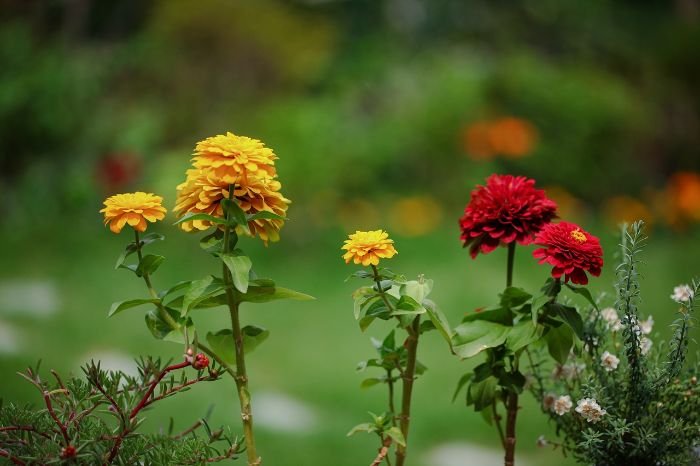
These big plants are great for bees and other helpful bugs.
Designing a Pollinator Paradise
Creating a pollinator paradise involves a smart mix of flowers. You should choose plants that bloom at different times. This way, our winged friends have food all year.
Creating a Diverse Planting Plan
To attract many pollinators, plant a mix of flowers. Use plants that are different in shape, color, and scent. Both local and global plants can help make your garden a favorite spot for bees, butterflies, and birds.
Make sure to plant flowers that bloom at various times. This keeps pollinators coming back all seasons. And always remember to include options that are nectar-rich.
Ensuring Continuous Bloom Throughout the Seasons
Having flowers all year provides pollinators with steady meals. It’s great for them and your garden too. When planning, choose plants that flower at different times. This means pollinators always find something to eat, even during season changes.
Plants with nectar-rich flowers are a big hit with pollinators. By choosing such plants, you guarantee an all-you-can-eat buffet for them.
Providing Habitat and Shelter for Pollinators
Pollinators need more than just flowers. They need homes and safe spaces too. By adding things like bee hotels and water spots, you make your garden friendly to many.
Solitary bees, which are key pollinators, need a special place to nest. Creating spots for them helps your garden and these important bees. Also, don’t forget about adding water. Shallow dishes with pebbles work well. They offer drink to pollinators and invite other helpful bugs.
Make areas in your garden where pollinators can hide from rough weather. Plants that grow thick and tall are great for creating these shelters. They protect your guests when storms hit.
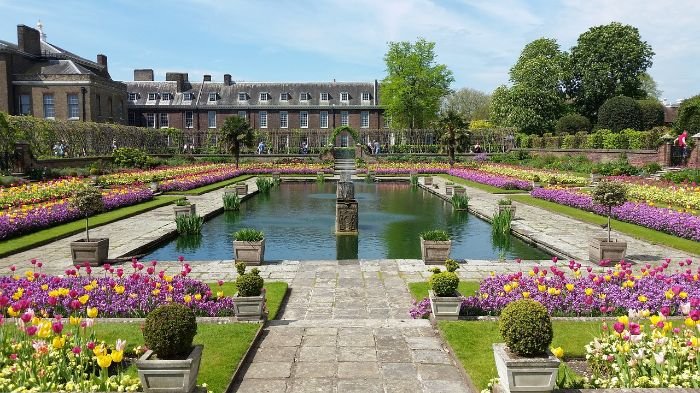
A diverse garden that blooms year-round and welcomes pollinators with homes and water is a true paradise. Keep your garden tidy and always be learning. Understanding what your local pollinators like is the key to a successful garden.
Planting and Care Tips for Pollinator Plants
Taking care and planting right are key to pollinator plants’ success. Follow these tips to make a place that pollinators love. This will also make your garden more beautiful.
Soil Preparation and Planting Techniques
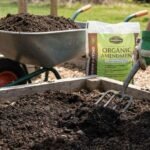
It’s key to prep the soil well before planting. Clear out weeds and loosen the soil. A garden fork or tiller does this.
When it’s time to plant, make sure the hole is bigger than the roots. Loosen the roots gently. Plant at the same level as the soil. Then, pat the soil down softly to remove air.
Watering and Mulching Practices
Watering right is crucial for your plant’s health. They need water but don’t overdo it. Wait for the soil to be a bit dry before you water again.
Mulching also helps. It keeps the moisture in and keeps weeds away. Use wood chips or shredded leaves. But, keep a gap around the stem to avoid too much moisture.
Pruning and Deadheading for Maximum Blooms
Pruning and deadheading make your plants bloom more. It also helps flowers last longer. Cut back dead parts or old flowers.
Trim in early spring or late winter. But, deadheading is for throughout summer. These tips will get the most out of your plants.
Use these tips to grow a great pollinator garden. Adjust for what your plants need. Make your garden a happy place for pollinators with these steps.
Organic Practices for a Pollinator-Friendly Garden
Creating a pollinator-friendly garden is more than the right plants and a good home. Using organic methods is key. This means saying no to pesticides and chemicals. These things can hurt bees and other pollinators.
Avoiding Pesticides and Chemicals
Avoiding pesticides and chemicals stands at the heart of a garden that loves pollinators. These bad stuff don’t just hurt pollinators directly. They also can really mess up their numbers over a long time. Instead, find ways to keep the bad bugs away that don’t hurt bees.
If your garden gets bugged by pests, go for team natural control. For instance, bring in ladybugs and lacewings to eat pests like aphids. They don’t need chemical poisons to work. Removing pests by hand, making sure good bug-food relationships happen, and using natural pest fences are other safe ways to protect your garden friends.
Natural Pest Control Methods
Going natural against pests is good for pollinators and for your garden’s health. Here are some ideas to try:
- Companion planting – Choose friends for your plants that push pests away or pull in the good bugs. Like how marigolds scare off aphids and dill calls in ladybugs.
- Crop rotation – Mix up where you plant your crops every year. This messes with the pests’ lifecycle and lowers the chances of them taking over.
- Mulching – Lay down organic mulch on your plant beds. It stops weeds and makes it hard for pests to move in.
- Trap cropping – Plant some crops that pests really like away from the main crop. This pulls the pests over there, away from your main plants.
- Physical barriers – Cover your plants with things like row covers to keep pests from getting to them.
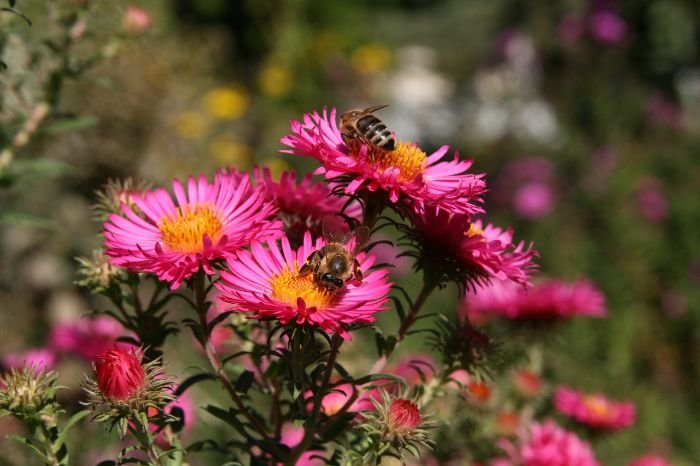
Encouraging Beneficial Insects
Good bugs such as bees, ladybugs, and hoverflies help a lot with keeping the bad bugs in check. Making your garden a friendly place for them builds a healthy and natural defense system. Here’s how to welcome these heroes:
- Grow lots of different flowers to have yummy nectar and pollen around all year. This brings in the good bugs.
- Build homes like insect hotels and plant natural spots where they can rest and nest.
- Go easy on the pesticides to protect the bugs that are fighting for your garden.
- Offer a drink and a break by setting out a small dish of water with rocks for them to land on.
Working with these organic ideas makes a garden where pollinators do well and pests are under control naturally. By using these methods, you’re not just helping your garden. You’re also looking out for the friends that keep the whole ecosystem strong.
Creating Additional Pollinator-Friendly Features
Make your garden attractive to pollinators with new features. These additions will invite bees and other pollinators. This promotes more plant life in your garden.
Installing Bee Hotels and Nesting Sites
Bee hotels are perfect for these small workers. They contain small tubes or hollows. These mimic where solitary bees naturally nest.
Sunny, south or southeast spots are best for bee hotels. Use natural, pesticide-free materials for a safe home.
Providing Water Sources for Pollinators
Pollinators need water, too. Place shallow water-filled dishes or birdbaths in your garden. Adding stones helps bees get a sip without falling in.
Keep the water fresh to avoid mosquitoes. Hydrating pollinators helps them stay healthy and active.
Creating Windbreaks and Protected Areas
Strong winds are tough on pollinators. Use windbreaks like tall shrubs or fences. These protect them from harsh weather.
Dense plants or trellises create sheltered spots. These areas are safe havens for pollinators during bad weather.
Conclusion – Cultivating a Thriving Pollinator Ecosystem
Follow the tips in this guide to make a healthy pollinator spot in your garden. This way, you help important pollinators and bring more diversity to nature. Also, your garden will look beautiful and full of life.
Your actions are vital for bee and pollinator protection. Choose plants that bees love and use organic ways in your garden. This effort helps them find homes and food safely.
Now, use what you’ve learned and help the pollinators. They will enjoy your garden, and you will too. Working together, we can make a place where they can thrive. This supports not just their life but also a balanced environment for all.
FAQ
What is a pollinator paradise?
A pollinator paradise is a garden that welcomes bees, butterflies, and hummingbirds. It uses plants that are friends to bees. This helps these important insects live and grow.
Why is it important to attract bees and other pollinators to your garden?
Bees and others help plants have babies by moving their pollen. Without them, we’d have fewer fruits and veggies. So, inviting them to your garden makes everything happier and more beautiful.
What do bees and other pollinators look for in plants?
Bees and friends like plants that are bright and sweet-smelling. They look for those that are full of nectar and pollen. This is because they need these foods to live and make new friends.
What are some examples of bee-friendly plants?
Good bee plants include lavender, sunflowers, and more. By choosing a mix of different plants, you offer food all year to our buzzing friends.
What care techniques are important for pollinator plants?
Help your plants by using good soil and planting methods. Proper watering and trimming make them look better. This attracts even more pollinators.
How can I create a pollinator-friendly garden using organic practices?
To be kind to pollinators, go organic. Don’t use bad chemicals. Instead, find ways to keep pests away without hurting the good bugs.
What additional features can I create to enhance my garden’s appeal to pollinators?
Boost your garden for pollinators by adding special places for bees. Include water stops and safe areas. This makes your garden a real paradise for them.