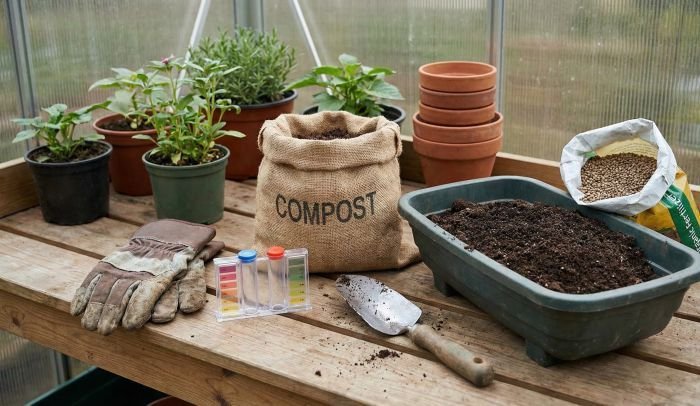






Ever thought about how a garden could catch more than just your eyes? It actually can, using all your senses. Sensory gardens are special places that help you relax and feel good. They’re filled with plants that do amazing things for your sight, smell, touch, taste, and even sound.
What’s the secret to making a garden like this? How do certain plants turn a garden into a wonderland for your senses? In this article, we’ll dive into the world of sensory gardens. We’ll talk about plants that work so well for each sense. You’ll see how colorful flowers, soft leaves, and even plants that make noise can change a garden.
Are you someone who loves to garden? Or, are you just interested in how plants can make you feel good? Join us to learn all about sensory gardens. You’ll find out how plants can really make a space special.
Key Takeaways:
- Sensory gardens are carefully designed environments that aim to engage all five senses.
- By incorporating specific plants, sensory gardens can provide a range of sensory experiences.
- Sensory gardens offer therapeutic benefits and promote relaxation and well-being.
- The plants in a sensory garden stimulate the senses of sight, smell, touch, taste, and even hearing.
- Stay tuned as we explore different types of plants perfect for sensory gardens, focusing on each sense individually.
Table of Contents
Introduction to Sensory Gardens
Sensory gardens are special places for an outdoor adventure. They touch on all five senses – sight, smell, touch, taste, and hearing. These gardens can be like a break from everyday stress, letting people wind down and feel good. We will look at how these gardens can help and some tips on how to make your own.
The Benefits of Sensory Gardens
Sensory gardens are good for everyone, no matter their age or abilities. Being part of a sensory garden can make you feel better inside and out. Incorporating mindful gardening routines into your sensory space enhances this experience, encouraging relaxation and emotional well-being through daily, intentional engagement with nature. When you use your senses, it feels like you’re getting in touch with the world around you.
These gardens aren’t just calming; they’re good for you, too. Studies show they can help your brain work better, remember more, and pay better attention. Incorporating plants for healing and wellness gardens into your sensory design can further enhance relaxation, reduce stress, and support overall mental health. They are super helpful for people with special needs or certain health challenges.
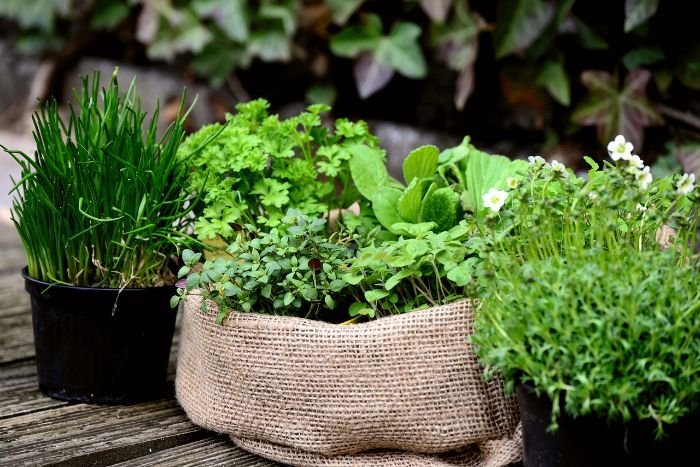
Also, these gardens are great for moving around and meeting people. They’re perfect for families, schools, and communities to share and have fun in the outdoors.
Designing a Garden that Engages All Five Senses
Designing a sensory garden needs planning. Engaging with your garden can involve mindful observation in gardening, encouraging you to fully immerse in how it looks, smells, sounds, feels, and tastes. Here are some things to keep in mind:
- Sight – Pick plants that are colorful and different heights. Make sure they bloom in different seasons, so your garden always looks lively.
- Smell – Choose flowers and plants that smell amazing. Putting them close together makes their scents stronger and nicer.
- Touch – Have plants with all sorts of feelings, like soft, rough, or smooth. Make it possible for people to touch some of them.
- Taste – Plant things to eat, like herbs and fruits. Make sure they’re safe and let people try them.
- Hearing – Pick plants that make soft noises, like leaves that rustle. Or invite birds and bugs to make sounds in your garden.
Picking the right plants and setting them up the right way can make a space that feels amazing. It doesn’t matter if you have a tiny spot or a big yard; you can always make a place that fills everyone with joy.
Plants for Sight
In a sensory garden, the look of plants is crucial for making it beautiful. These include plants with bright flowers and leaves. Such plants are vital for attracting people’s eyes and making the garden lively.
Flowers with lively colors like roses, tulips, and daisies are perfect for adding beauty. They stand out with their bold colors, making the garden more beautiful. Plants with colorful leaves, such as coleus and Japanese maple, also add variety and interest.
Plants with different shapes and textures are key for creating focus areas. Ornamental grasses with soft, feathery plumes or sturdy succulents grab attention with their unique forms. They make the garden more fascinating to look at.
It’s important to choose plants that look great all year. Pick plants that bloom in different seasons for a garden that always changes and looks interesting. Examples include cherry blossoms in spring and sunflowers in summer.
By choosing plants with colorful flowers, unique shapes, textures, and that bloom at different times, you make a wonderful sensory garden. It will be a place that brings joy and a feeling of peace and balance.
Plants for Smell
This section will talk about plants that smell nice for a sensory garden. We will use fragrant flowers, herbs, and scented leaves. These plants make the garden a great place for your nose and your senses.
Fragrant Flowers
Fragrant flowers are key in a sensory garden. Jasmine has sweet white flowers that make the air calming. Roses bring romance with various scents, from classic to fruity. Gardenias offer a creamy, exotic smell that feels like a tropical escape. For more inspiration, explore fragrant plants for an aromatic garden to enhance the olfactory experience in your sensory space.
Aromatic Herbs
Aromatic herbs boost smells and food. Rosemary adds Mediterranean charm. Mint makes the garden fresh and perks up recipes. Thyme has a lovely scent that adds flavor to many meals.
Scented Foliage
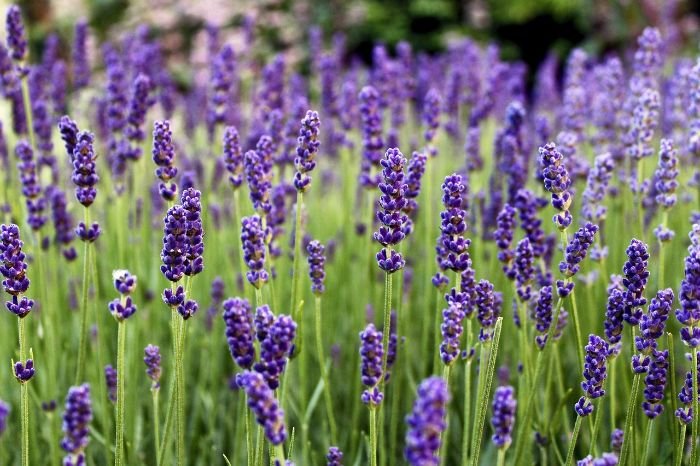
Plants with scented leaves make the garden even more special. Lavender’s relaxing smell brings in butterflies and bees. Eucalyptus promotes calm and freshness. Scented geraniums, like lemon, rose, and chocolate, are fun and smell great.
Plants for Touch
In a sensory garden, touch is brought to life with plants of different textures. Some leaves are soft and fuzzy, which feels calming. Visitors love to touch plants like lamb’s ear and ferns.
Trees and their bark can be cool to explore. For instance, birch trees have bark that peels off, looking interesting and feeling unique. Cacti are fun too, with their spiky shapes adding a sharp touch.
Both smooth and rough plants add to the garden’s touch experience. Hostas and peace lilies feel soft and velvety as you run your hands over them. Meanwhile, plants like succulents have rougher textures, giving hands something different to feel.
Plants for Taste
In a sensory garden, taste can be awoken by many plants. Edible flowers, herbs, and fruit plants offer different tastes and make your garden yummy.
Edible Flowers
Edible flowers make the taste adventure in your garden fun. They look pretty and taste great. Use flowers like nasturtiums and marigolds to jazz up food or drinks.
Flavorful Herbs
Herbs that smell good and taste better are perfect for a sensory garden. Herbs such as basil and thyme add flavor to meals. They’re good in salads and sauces.
Fruiting Plants
Adding fruiting plants means you enjoy the fruits too. Try strawberries, blueberries, and raspberries. Picking and eating a strawberry straight from the plant is sweet joy.
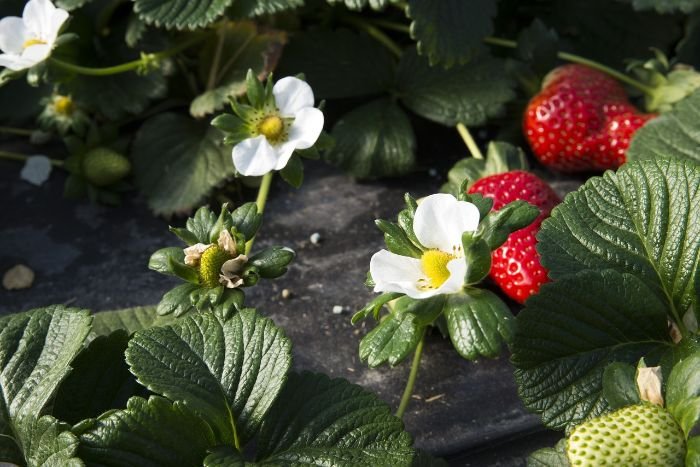
With flowers, herbs, and fruits in your garden, you’ll excite your senses. Plus, you’ll have fun creating meals with what you grow.
Plants for Sound
In a sensory garden, sounds are as important as what you see and smell. Adding plants that make noise can make the space even more special. Here are some plants that will bring peaceful sounds to your garden.
Rustling Leaves
Choose plants with leaves that rustle to add sound to your garden. Plants like Miscanthus and Feather Reed Grass are great for this. When the wind blows, you’ll hear a calming rustle. Bamboo is also good. Its leaves make calming sounds as they move in the wind.
Seed Pods that Rattle
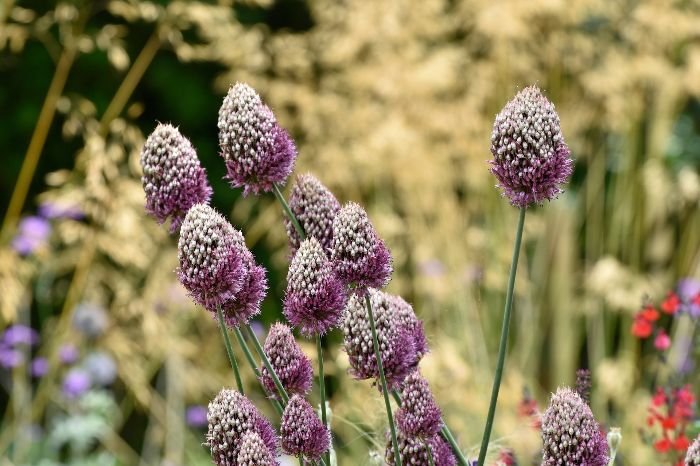
If you want a fun sound, pick plants with rattle-like seed pods. Drumstick Allium and Chinese Lanterns are perfect choices. Their seed pods sound like soft percussion when the wind moves them. It adds a fun element to your garden.
Plants that Attract Birds and Insects
To bring your garden to life, add plants that birds and insects love. Choose flowers like coneflowers, bee balm, and butterfly bush. They attract birds, bees, and butterflies. You’ll hear the pleasant sounds of these creatures, making your garden even more enjoyable.
By including plants that make sounds, from rustling leaves to rattling pods, your garden will be full of life. These sounds will deepen the sensory experience.
Creating a Balanced Sensory Garden
We’ll focus on a sensory garden that uses all five senses. By picking plants that touch many senses, planning paths and seats smartly, and adding sensory accessories, your garden becomes a place filled with feelings and life.
Combining Plants for Multi-Sensory Impact
Selecting the right plants is key for a good sensory garden. Pick flowers that look and smell good. Think of roses for color and scent or lavender for both as well. Mixing up your plant choices boosts your garden’s sensorial power.
Designing Paths and Seating Areas

The way your garden is set up also matters a lot. Have paths that wander so people can see and feel various plants. Use gravel or stones for a nice pathway feel. Add comfy seats in places with great views and smells to let visitors enjoy it all.
Enhancing Sensory Features with Accessories
Accessories like wind chimes and water features in healing gardens add to your garden’s senses. Wind chimes bring peaceful sounds with the breeze, while water features not only enhance visual appeal but also introduce calming auditory stimuli, filling your space with tranquility.
Maintaining Your Sensory Garden
To keep your sensory garden healthy, you must take care of it. Easy guidelines can help you keep it beautiful and fun to explore all year.
Seasonal Care and Maintenance
Making your sensory garden look good and work well needs regular care. Remember these tasks:
- Watering – Give your plants enough water to stay healthy. Water deeply so it reaches their roots. Change your watering plan as the seasons or weather change.
- Mulching – Put a layer of mulch around your plants. This keeps the soil moist, stops weeds, and keeps the ground cool. Use organic mulch like bark for a nice smell.
- Fertilizing – Use fertilizer to give your plants what they need. Follow the directions on the package for how often and how much to use.
Tips for Pruning and Harvesting
Trimming and picking at the right times keeps your sensory garden looking its best. Here are some pointers:
- Pruning – Look for plants that need a trim regularly. Cut off what’s not needed with good shears. Do this in late winter or early spring to help plants grow back well.
- Harvesting – For plants you eat, it’s key to harvest them the right way. Harvest fruits when they’re ripe and herbs by cutting just above leaves. This brings out the best taste and quality.
Ensuring Long-Term Health and Vitality
To keep your garden going strong, think about these points:
- Plant Division – Some plants need more space after a while. To keep them healthy, divide them. Take them out, split the roots, and replant in new spots.
- Pest Control – Watch for bugs and disease in your garden. Catching and fixing these problems early is best. Use good bugs and organic methods to keep bad bugs away, making less need for strong chemicals.
By following these tips, your sensory garden will stay healthy and delightful for years.
Conclusion – Creating Your Own Sensory Garden
In closing, we’ve looked at how amazing sensory gardens are. They let us experience the world through our senses. This makes them a great place to relax and feel good.
To make one, pick plants for each sense. Choose bright flowers and plants for what you see. For smell, go with sweet flowers and herbs. Plants with interesting leaves are perfect for touch.
Use edible flowers and tasty herbs for a good taste. And for sound, pick plants that make noise and attract animals. This will create a real sensory symphony.
Think about where to put plants for the best experience. Add paths and seats to enjoy the garden fully. You can also use items like wind chimes or a water feature to make it even better.
Taking care of your garden is key. Make sure to look after the plants regularly. By doing this, you’ll have a beautiful spot that’s calming and joyful.
FAQ
What are sensory gardens?
Sensory gardens are outdoor spots that help you feel with all five senses. They’re made to calm and awaken us. By enjoying these places, we often feel more relaxed and healthy.
What are the benefits of sensory gardens?
They do a lot for your mind and body. Sensory gardens can make you happier and help you worry less. They create a peaceful area that makes you more aware and brings you closer to nature.
How can I design a sensory garden that engages all five senses?
Start by picking plants that look and smell good. Lay out your garden to make walking and sitting enjoyable. Add things like wind chimes for sound and water features for touch.
What types of plants are suitable for sight in a sensory garden?
Look for plants that vary in color, shape, and feel for the eyes. Bright flowers, soft grasses, and all-season plants are great. They keep your garden looking good no matter the time of year.
How can I incorporate plants that engage the sense of smell in my sensory garden?
For lovely scents, plant flowers like jasmine and roses. Herbs including rosemary and mint make great smells too. Leafy plants like lavender and eucalyptus also add to the pleasant smells.
Which plants can I include in my sensory garden to engage the sense of taste?
Edible flowers and herbs like nasturtiums and basil are perfect. They not only smell nice but taste good too. Fruits, such as strawberries and blueberries, are a tasty and beautiful addition.
How do I create a balanced sensory garden that engages all five senses?
Select flowers and herbs that are both pretty and fragrant. Make sure your walkways and resting places feel nice. Add wind chimes and water for extra sensory excitement.