It’s June, and time to focus on summer gardening. Your garden needs extra love now to be lush and lively in the coming months. Have you wondered how to keep your garden gorgeous in June?
This guide will cover all the must-do tasks and tips for June. You’ll learn about watering, fending off pests, harvesting, and keeping your soil healthy. No matter your gardening level, we’ve got you covered.
If you’re already a gardening pro or just starting out, you’ll find helpful advice here. Let’s explore how to have a fantastic garden this June.
Key Takeaways:
- June gardening needs special attention for healthy, growing plants.
- Getting watering right, controlling pests, and knowing when to harvest are critical.
- Keep the soil healthy, maintain your plants, control weeds, and attract good insects for a summer-ready garden.
- With the info in this guide, you can have a stunning garden all June long.
- Keep reading for detailed tips on these gardening topics to master June gardening.
Table of Contents
Introduction to June Gardening
June is here, so it’s time to care for your garden with summer in mind. The warm days and more sunlight create both challenges and chances for your plants to grow. This season is key to keeping your garden happy and fruitful. You’ll need to water well and watch out for pests. In this article, we will explore the importance of summer care and its impact on the health and productivity of your garden.
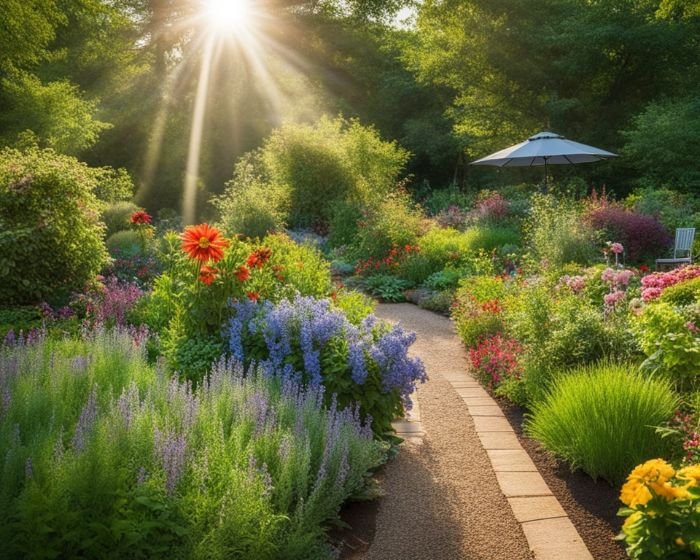
Effective Watering Practices
Watering your plants right is key, especially in the summer. Doing it the right way can make your garden flourish. We’ll go over how to water your plants well for growth and to avoid dryness.
Adjusting Watering Schedules for Hot Weather
In hot weather, plants need more water. It’s best to water when it’s cooler, like in the morning or evening. This way, water doesn’t just disappear, and the plants can use it well. Look out for dry soil or wilting leaves. If you see these signs, your plants might need more or earlier watering.
Best Watering Techniques for Different Plants
Every plant has its own water needs. It’s key to know what each plant in your garden requires. Some like their soil always moist, while others can handle being a bit dry. Find out what your plants need and water them accordingly. Plants with shallow roots usually need more water. Those with deep roots can go longer between watering but need more water when they do.
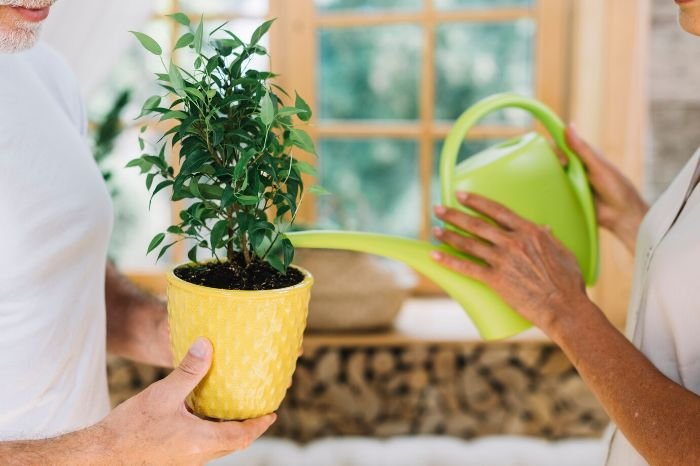
Putting mulch around your plants is a great way to keep moisture in. It stops water from evaporating too fast and keeps the soil at a good moisture level. Mulch also keeps the soil cooler and stops weeds. Make sure to put the mulch around the plant but not touching the stem to prevent diseases.
Using the best ways to water, adjusting for hot weather, and knowing your plants’ water needs is vital. Mulch can also help your garden keep more moisture. Follow these tips for a green and healthy garden.
Pest Management in June
When summer comes, pests can bother your garden. It’s key to have good pest control in June. This will help your plants stay healthy and grow well.
Identifying Common Summer Pests
First, you need to know which pests are likely in your garden. Creatures like aphids, whiteflies, spider mites, and caterpillars are common. Recognizing these pests early lets you stop them from hurting your plants badly.
Organic Pest Control Methods
Some people like to use natural ways to control pests. E.g., using good bugs like ladybugs and lacewings, neem oil, or soaps that kill bugs. Also, planting certain plants can help keep pests away.
Chemical Pest Control Options
Sometimes, you might need chemicals for strong pest problems. But, you must handle them carefully and follow the directions. Think about how it might affect helpful bugs and the environment too.
Both natural and chemical ways can work when used together. This helps you care for your garden well and lets your plants thrive in the summer.
Harvesting Early Crops
Summer is the time to start gathering your garden’s goods. This includes fruits, veggies, herbs, or flowers. Knowing how and when to harvest is crucial. It helps you get the best out of what your garden grows.
Signs Your Crops Are Ready to Harvest
Harvesting at the right time is essential for taste and quality. Look for these signs to know when it’s time:
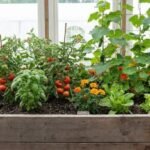
- Fruits and veggies – They should be bright and firm. For example, ripe tomatoes are a full color and a bit soft to the touch.
- Herbs – Pick them before blooming. They should smell strong and taste great.
- Flowers – Select them when they’re fully open and bright. Their stems should be strong and not wilting.
Choosing the right moment ensures your harvest is at its best.
Best Practices for Harvesting
Follow some key tips to keep your crops fresh after picking. These include using the proper tools and times of the day. It’s also important to be gentle with what you pick.
- Use sharp and clean tools to avoid harming plants.
- Harvest in the morning while plants are still cool.
- Be gentle to prevent damage and spoilage.
- Keep picking to encourage more growth.
Following these steps helps keep your harvested crops in top shape.
Storing and Using Your Harvest
After picking your crops, it’s time to store and enjoy them. Keep these details in mind:
- Most fruits and veggies like cool, dry places with airflow. But tomatoes are best at room temp, while greens do well in the fridge.
- For herbs, keep them fresh in the fridge with water or dry them by hanging.
- For flowers, trim the ends and change their water often to keep them looking good longer.
Make the most of your harvest with cooking, preserving, or sharing with others.
Harvesting is an important step to enjoy the work you’ve done. By knowing how to tell when it’s time, best practices for picking, and storing your goods well, your garden will flourish.
Maintaining Soil Health
Keeping the soil healthy is key to good gardening. We’ll look at some tips for June. These tips will help your garden’s soil stay fertile for your plants.
Adding Organic Matter and Fertilizers
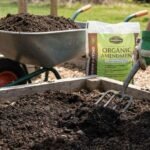
Adding organic matter improves soil health. Compost is a great choice. It adds nutrients and makes the soil better. Fertilizers, organic or not, add extra nutrients your soil might need. A good mix of both helps plants grow well.
Soil Testing and Adjusting pH Levels
Testing your soil is important to find out its needs. You can easily buy a soil test kit. This tells you what nutrients your soil lacks. You can then fix the soil’s pH levels with lime or sulfur. The right pH helps plants take in nutrients better.
Preventing Soil Erosion and Compaction
Soil erosion and compaction are bad for the soil. Erosion can take away topsoil. Compaction stops roots from growing well. It also stops water and nutrients from reaching plants. To stop erosion, use mulch or build retaining walls on slopes. Don’t walk on wet soil to avoid compaction. Aerating the soil also helps with compaction.
Taking care of your soil makes a happy place for plants. Good soil leads to a rich harvest. It’s the start of a garden that thrives for a long time.
Pruning and Plant Maintenance
June is a key time for pruning and plant care. Caring for your plants now helps them stay healthy all year. We will look at three important plant care items: pruning spring-flowering plants, removing dead flowers for more growth, and how to support tall plants and vines.
Pruning Spring-Flowering Shrubs and Trees
Pruning keeps the shape and health of spring plants. Do it right after they bloom or in late winter. This avoids diseases and makes the plant look better. Removing some branches also helps it grow fuller and more colorful.
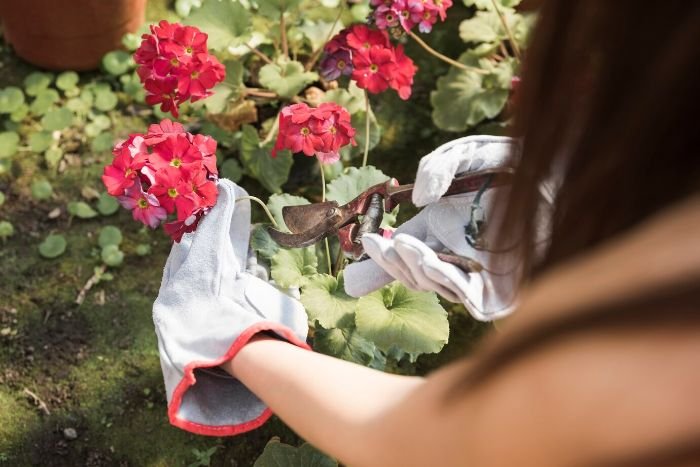
Deadheading Flowers to Promote Growth
Deadheading is cutting off old flowers to help the plant bloom more. This way, the plant uses its energy better. Cut old flowers above healthy leaves. Indeed, this helps shrubs and flowers bloom until fall.
Supporting Tall Plants and Vines
Some taller plants and vines need help standing. Without it, they might break. Use stakes, trellises, or cages for support. Select the right method for each plant. This makes your garden look better.
Adding these care steps to your routine helps your plants grow healthy. Spring pruning, removing old flowers, and supporting tall plants are vital. Be careful and think about what your plants need. Your garden will grow beautifully all summer and more.
Managing Weeds and Unwanted Plants
Effective Weed Control Techniques
Weeds and unwanted plants can quickly become a problem in your garden. It’s key to use effective methods to keep your garden looking great. These steps stop weeds from taking over and keep your plants healthy.
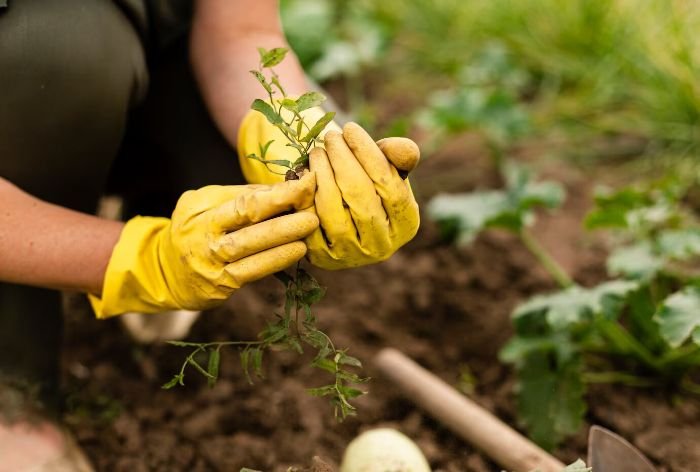
Using ground covers is a great way to control weeds. Ground covers are plants that grow close to the ground. They cover the soil, keeping it cool and dark. This stops sunlight from reaching weed seeds. Some good ground cover plants are creeping thyme, vinca minor, and sedum. By using ground covers, your garden not only looks nice but also fights off weeds.
Using Mulch
Mulching is also a good method for weed control. Mulch is a layer that you put on top of the soil. It stops weed seeds from sprouting and helps keep the soil moist. This means you’ll have to water less.
Pick the correct type of mulch and put it on the soil properly. Many people like to use wood chips, straw, or shredded leaves. These add nutrients to the soil as they break down. When you put mulch around your plants, don’t cover the stems completely. This keeps the stems safe from too much moisture.
Tools for Efficient Weeding
Having the right tools for weeding is very important. These tools let you get rid of weeds without hurting your plants. Here are some tools that people often use:
- Garden hoe – Used for chopping or scraping weeds from the soil surface.
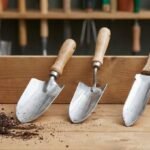
- Hand trowel – Ideal for precision weeding and removing weeds from tight spaces.
- Weed puller – Designed to extract weeds, including their roots, from the ground.
- Weed trimmer – Useful for trimming and cutting down larger and more established weeds.
Use these tools regularly to keep your garden free from weeds. This way, your favorite plants can grow happily.
Encouraging Beneficial Wildlife
Making a garden that invites good wildlife helps our planet and your plants. Plants need help to grow through pollination, and they need protection from pests. When you welcome bees, butterflies, and birds, you get a more diverse and balanced garden.
Attracting Pollinators to Your Garden
Attracting pollinators is a smart move for your garden. Bees, butterflies, and hummingbirds light the way for many plants to grow. These tiny friends need flowers with nectar and pollen. Planting a variety of blossoms like lavender and sunflowers helps. Also, please don’t use pesticides. They can hurt our pollinator pals.
Providing Habitats for Beneficial Insects and Birds
Beneficial insects and birds are nature’s pest control. They eat pests, reducing the need for other control methods. For insects, give them good homes with native plants and water. Birds like places where they can eat and nest. Planting trees and giving them nesting spots makes your garden a bird paradise.
By bringing in beneficial wildlife, your garden becomes a beacon of life and health. This move not only helps your plants but also the world around you.
Conclusion – Embracing Summer Garden Care
Taking care of your garden in summer is key for its health and color. Use the tips we’ve given to handle June gardening confidently. This will keep your garden lively and blooming.
Adjust how you water as the weather gets hotter. Choose the best methods for your plants. It’s also vital to keep pests under control, either naturally or with chemicals.
Know when your plants are ready to harvest. Then, store and use your crops well. Also, care for your soil, trim your plants, fight weeds, and welcome helpful wildlife. These steps help your garden grow and stay beautiful.
Enjoy your gardening in June and the months after by remembering a few things. Watch over your watering, keep pests away, pick your harvests, care for the soil, prune when needed, manage weeds, and encourage good bugs.
With these steps and by looking after your garden regularly, you’ll have a great gardening season ahead. Happy gardening!
FAQ
Why is summer care important for my garden?
Caring for your garden in summer is crucial due to the warm weather. Plants face challenges but also have a chance to grow a lot. Good care now will help your garden stay healthy and productive.
How should I adjust watering schedules for hot weather?
For hot weather, change how you water your plants. Water them more often and for longer. This keeps them cool and well-hydrated.
What are the best watering techniques for different types of plants?
Plants all need different amounts of water. Learn what your plants need. Some like a lot of water at once, others prefer frequent, light watering.
How can I use mulch to retain moisture in the soil?
Mulch keeps the soil moist. Spread it around plants. This cuts down on water loss and keeps the soil damp.
What are some organic pest control methods I can use in June?
In June, try organic pest control. Use plants that pests don’t like, predators, or organic sprays. Neem oil and insecticidal soap can help.
Are there chemical pest control options for my garden?
Yes, there are chemical pest controls if needed. Use them as a last resort. Always follow the directions to protect good bugs and the environment.
How should I prune my spring-flowering shrubs and trees in June?
Prune after they bloom in June. Take out dead or sick branches. Shape the plant for better health and looks.
What tools can I use for efficient weeding in my garden?
Tools like hand trowels and hoes are great for weeding. Pick the right one for your weeds and garden size. It makes weeding easier.