

It’s time to start the gardening year strong in January. This is the best time to get things ready for a great year in your garden. No matter if you’ve been gardening for years or just starting, this list will help you. It has everything you need to make sure your garden thrives.
We will cover everything from planning and starting seeds to taking care of your plants. Plus, we’ll look at how indoor gardening can be just as fun in the winter.
Let’s get your garden gloves on. We’re set to kickstart your January with strategies for beautiful gardens and blooming flowers.
Key Takeaways:
- January is the perfect time to plan and prepare for the upcoming gardening season.
- Starting seeds indoors gives you a head start and allows for a wider variety of plants.
- Proper care and maintenance of seedlings are crucial for their healthy growth.
- Don’t forget to clean and sharpen your garden tools for optimum performance.
- Indoor gardening can be a rewarding way to nurture your green thumb during the winter months.
Table of Contents
About January Gardening
Welcome to January gardening, a time full of new chances to grow your garden. With winter here, it’s great to plan for the year’s gardening and take care of must-do tasks. This will help make the new gardening season a success.
Importance of Winter Garden Planning
Planning your garden in winter is very important. It helps your garden be beautiful and productive. January is the perfect time to figure out where each plant will go and to pick the best plants for your area.
A broader seasonal framework can help you align January planning with soil temperature shifts, plant dormancy cycles, and year-round maintenance timing.
By planning now, you make your garden neat and pretty. You can set up your beds, decide which plants to put where, and think about which spots get sunlight. This makes your garden look great and grow well.
Planning also lets you use your space well, whether it’s small or big. It helps you grow more plants and have the garden you want.
Overview of January Garden Tasks
In January, get started on your garden with these tasks. The things you do will depend on your area, but here are some examples:
- Prune dormant trees and shrubs to keep them growing strong.
- Make sure your garden tools are clean and sharp for spring.
- Keep plants warm in the cold by covering them.
- Take good care of your indoor plants now.
- Think about what worked well in your garden last year, and what didn’t.
This is just the beginning for your January to-do list. You might need to check your soil, order seeds, or start planting indoors. With a complete list, you can manage your garden tasks well. This will help your garden do great this season.
Planning for the Upcoming Season
In January, gardeners start planning for the next season. They think about what went well and where they faced challenges. This helps them know what to plant and grow for the new year. Planning now ensures a great time in the garden later on.
Reviewing Last Year’s Garden Successes and Challenges
First, gardeners look back at the last year in their garden. They see which plants did well and which did not. This way, they can figure out how to do better this year. Learning from the past makes their new garden plans stronger.
Setting Goals and Creating a Garden Plan
After looking back, it’s time to look ahead. Gardeners think about what they want from their garden. This could be more veggies, happy bees and butterflies, or new flowers. Setting these goals helps in planning.
Next, they make a plan for their garden. This includes drawing out the garden space. They also think about things like sunlight and soil. A good plan helps them know where to plant what.

Selecting Seeds and Plants for the New Year
Choosing the right seeds and plants is very important. Gardeners think about their goals and what will work in their garden. They should pick plants that like the local weather, can fight off pests, and look good together.
Looking at seed catalogs or visiting nurseries can give ideas. They should check for information like how long it takes a plant to grow or if it’s resistant to diseases. Picking wisely now will lead to a thriving garden soon.
With the right plans and plants, a great season is ahead. The next part will share tips on how to start seeds indoors. This step is key for a garden that’s full of life.
Starting Seeds Indoors
Starting seeds indoors gives your garden a head start. It makes the growing season longer. You also control the growing conditions better, and have more plant choices. Here’s why it’s great to start indoors:
Benefits of Starting Seeds Indoors
- Earlier harvests – You can start early and harvest sooner. This is great for crops that take a long time, like tomatoes and peppers.
- Wider variety of plants – Starting indoors gives you more plant types to try. You can find unique and old varieties that you won’t get at a store.
- Cost-effective – It’s cheaper to grow from seeds than to buy full plants. You get several plants from one seed packet, saving money.
- Greater control – You can control the environment. This means you can adjust light, temperature, and water to help seeds grow strong.
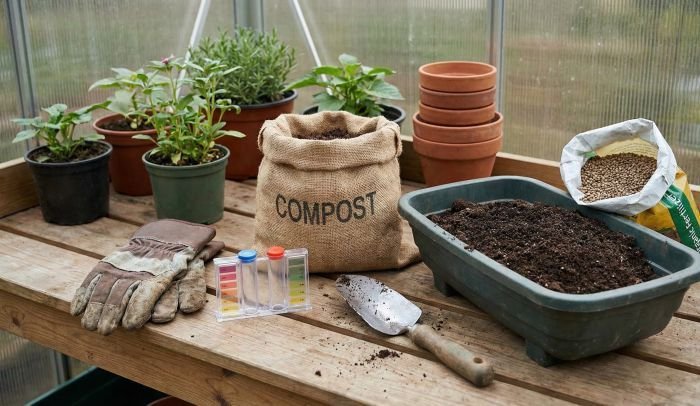
For starting seeds indoors, you need the right stuff. You’ll need these key supplies for seed starting:
Essential Supplies for Seed Starting
- Seeds – Pick good seeds that are meant for indoors.
- Containers – Choose trays, cell packs, or pots with holes for drainage. They hold the soil and seeds well.
- Growing medium – Use a soil that’s clean and drains water well. This type is made just for starting seeds.
- Light source – Give your seeds plenty of light with sun, special bulbs, or grow lights.
- Watering tools – Water gently with a spray bottle or a can with a fine sprayer. This keeps seeds and seedlings safe.
- Labels – Mark each plant variety with labels or markers. This helps you remember what’s what.
With all the supplies ready, here’s how to start seeds indoors:
Step-by-Step Guide to Sowing Seeds
- Prepare the containers – Fill them with the moist soil, but leave a bit of room at the top.
- Sow the seeds – Put the seeds on top of the soil. Push them in gently to the right depth and space them as needed.
- Cover the seeds – Lightly cover them with more soil or vermiculite. This keeps the moisture in for good sprouting.
- Water the seeds – Use a gentle spray or soft stream to make the soil damp. Don’t disturb the seeds.
- Provide warmth and light – Put the containers in a warm, well-lit spot. A heating pad can help control the temperature if needed.
- Maintain moisture – Water them as the soil dries out. Aim for damp, not too wet.
- Monitor growth – Watch for the plants coming up. Once they’re ready, move or thin them out if they’re too close together.
- Harden off and transplant – Get the seedlings used to the outside slowly. This takes about a week or so. Then, they’re ready for the garden.
By following these steps, you can start your garden early and watch it grow. It’s a fun and satisfying way to begin your gardening season.
Creating a Seed Starting Schedule
Timing your seed starting is key to growing a great garden. Make a seed starting schedule to help each plant grow well. Here’s how to make a schedule that fits your garden:
1. Determine the Optimal Seed Starting Time
Each plant likes to start its seeds at a certain time. Know if seeds should grow indoors first or go right in the ground. Look up when to start each type of plant’s seeds.
2. Consider the Local Climate and Frost Dates
Think about the weather where you live and when the last frost usually happens. Begin your seeds a bit before this date. This gives them time to get stronger. Understand the whole time your plants can grow to pick the right seed starting time.
3. Use a Garden Calendar
A garden calendar helps you remember what to do and when. This is good for seed starting and all garden tasks all year round. Write down when to start each plant’s seeds on this calendar. It will help you keep everything in order.
Follow your seed starting schedule carefully. Change the timing to fit your garden’s specific needs. Have fun starting your seeds and watch them grow!
Caring for Seedlings
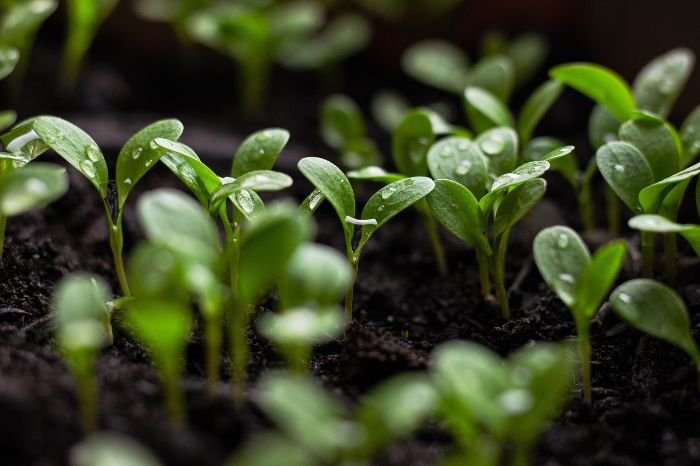
To help your seedlings grow strong, they need enough light and warmth. These are key for their health and success in the garden.
Providing Adequate Light and Warmth
Light is vital for seedling growth. Put them where they get plenty of light, like by a south-facing window. You can also use grow lights. Make sure to rotate them for even light.
Seedlings also need warm surroundings to do well. Keep them where it’s 65-75°F (18-24°C) during the day. A heating mat or heat source can help if it’s too cold.
Watering and Feeding Seedlings
Watering your seedlings the right way is very important. Soil should be moist, not soaking wet. Let them soak up water from below to avoid too much and help their roots grow strong.
Give your seedlings the food they need with a balanced fertilizer. Use a weak fertilizer mix once they have real leaves. Always follow the label directions.
Transplanting Seedlings to Larger Containers
Seedlings will need bigger homes as they grow. This gives more room for their roots to spread.
To move your seedlings, gently pull them out by their leaves, avoiding the stem. Put them in a new container with good soil, burying the stem a bit. Then water them well.
Good care with the right light, warmth, water, and food makes strong plants. Watch their progress and adjust as needed. Soon, your garden will be full of healthy plants.
Preparing Your Garden Tools and Supplies
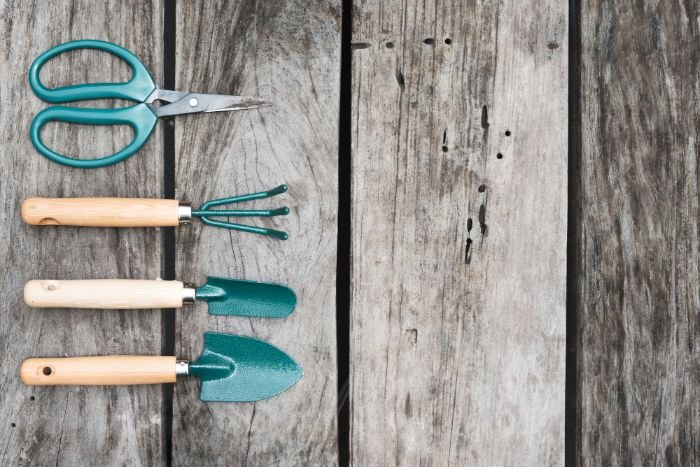
For a great gardening season, prepare your tools well. This part shares tips on how to clean, sharpen, and store tools. This makes gardening easier and more fun.
Cleaning and Sharpening Garden Tools
First, clean and sharpen your tools. This removes dirt and plant diseases. Use water and a brush. Then dry them to stop rust. Disinfect with a 1 to 9 bleach water mix to kill germs.
It’s important to keep your tools sharp. Sharp tools make clean cuts and help your plants grow well. Use a file or stone. Wear gloves and eyewear for safety.
After cleaning and sharpening, use oil on your tools. This stops rust and keeps them ready for use in the next season.
Organizing Your Gardening Space
Organizing your gardening area saves time. With tools and supplies in order, you can find them quickly. This helps a lot.
First, get rid of what you don’t need. Use shelves, cabinets, or hooks for tools. This keeps them tidy and easy to find. Hanging tools or using a rack saves space, too.
Label containers and use clear bins for small items. Organize areas for planting, potting, and storing things. This setup makes gardening smoother.
Keep your gardening area clean and organized. You’ll find gardening more fun and easy all season long.
Managing Garden Maintenance Tasks
Keeping your garden healthy is very important. In January, there are some key tasks to make sure your garden looks great. This includes cutting back dormant trees and shrubs and keeping your plants warm in the winter.
Pruning Dormant Trees and Shrubs
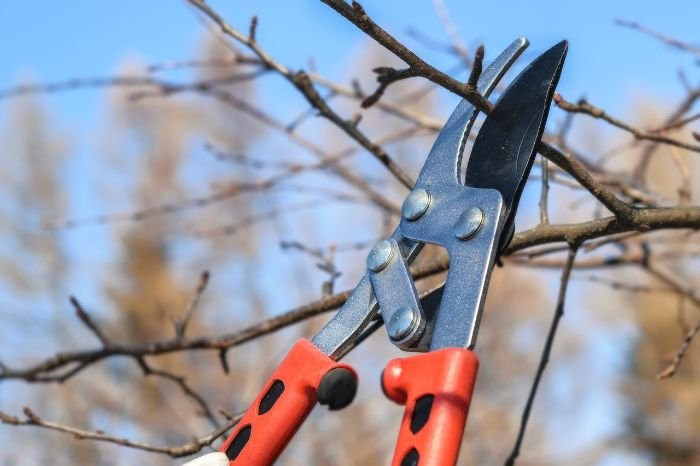
Trimming trees and shrubs in the winter is good for them. It helps them grow better and make more flowers and fruits. Do this when they’re sleeping to avoid sickness and save energy.
Cut off branches that are dead or sick. Also, snip ones that cross or look crowded. Always use sharp, clean tools. And clean them after, so they’re ready for next time.
Protecting Plants from Winter Weather
The cold can hurt your plants, but you can guard them. This protection helps your plants get through winter and do well in spring.
Putting mulch around your plants keeps their roots warm. It stops the ground from freezing and thawing too much. You can also wrap fragile plants in frost blankets to keep them safe from the cold.
Don’t forget about water. Plants need the right amount to stay healthy in winter. Too much water can be as bad as not enough. Check how wet the soil is and water as needed.
Looking after your garden like this prepares it for a great year ahead. Take care of it now, and you’ll enjoy a beautiful garden throughout the year.
Indoor Gardening and Houseplants
Caring for Indoor Plants During Winter
It’s important to care for indoor plants in the winter. The cold and less light can harm them. Adjust how much you water and the light they get. This keeps your plants healthy.
- Watering – In winter, plants need less water. Check if the soil’s dry on top before you water. Too much water can hurt your plants, causing root rot.
- Light – Winter means less sunlight. Place your plants by windows that face south or west for more light. If they don’t get enough light, use grow lights to help them grow.
- Humidity – Heaters make the air dry, which plants don’t like. You can add humidity by putting water near your plants or using a humidifier. Misting the plants also helps.
- Fertilizing – Plants grow slower in winter, so they need less food. Stop fertilizing unless they’re growing fast. Use a special houseplant fertilizer when you do feed them.
Take good care of your plants over winter. This will keep them growing and looking nice.
Propagating Houseplants and Herbs
Winter is a great time to make more plants. You can do this by propagating, which means growing new plants from existing ones. It’s fun and saves money.
To propagate, you can use stem cuttings, leaf cuttings, or division. First, gather what you need, like sharp scissors, soil, and, if you want, rooting hormone.
- Stem cuttings – With this method, you cut a piece from a plant and plant it in new soil. Cut a healthy stem, remove some leaves, dip it in rooting hormone, and plant it in soil.
- Leaf cuttings – Certain plants can grow from a single leaf. Carefully pick a leaf, let it sit for a bit, then place it on soil. Keep the soil moist until it grows new roots and leaves.
- Division – Some plants can be split into smaller parts. Make sure each new piece has roots and leaves. Put these in new soil, and they’ll grow into their own plants.
After you’ve started new plants, make sure they have the right environment. They need warmth, a bit of humidity, and light. With care, your new plants will do well and make your home greener.
Conclusion – Starting the Year Right in Your Garden
As January ends, we should think about how important it is to start the gardening year well. This article has a full garden checklist to help make every month great. You must plan, start seeds, do garden care, and even garden inside. All these steps are key to a successful garden year.
Look back at what went well and what didn’t last year. Then, make plans and choose seeds that match your goals for this year. Planting seeds early indoors opens up more plant types to you. This makes your gardening more fun and diverse.
Taking care of your garden all year keeps it growing strong and healthy. That includes pruning, protecting from the cold, and watching indoor plants. Adjusting the water and light for your inside plants keeps them happy.
Follow this checklist to have a great garden this year. Gardening is about always learning and growing. Every little thing you do helps your garden succeed. So, grab your gear and get ready for a year full of garden beauty and growth!
FAQ
What tasks should I focus on in my garden during January?
January is a great time to start planning for the new gardening season. You can start seeds inside, look after seedlings, and keep your tools in good shape. This is also when you can do some key garden maintenance.
Why is winter garden planning important?
Planning in winter lets you look back at last year’s garden. You can see what worked well and what didn’t. This helps you make better choices for the new season and stay on top of everything.
What tasks can I do in my garden during January?
You can spend January getting ready for the year ahead. Think about what you want to do differently and set your goals. Choose your seeds and plants, start some indoors, and get your tools ready.
It’s also a good time to trim trees and shrubs and protect your plants from the cold.How can I review my last year’s garden successes and challenges?
Think about what plants did well and which ones struggled in your garden last year. Look at how they grew, how much they produced, and how they looked. This will guide you in making better choices for the future.
How do I select the right seeds and plants for the new year?
Choosing the right seeds and plants starts with thinking about what you want your garden to be. Research different types to find ones that suit your garden best. Local experts and seed catalogs are good resources to use.
When and how should I transplant seedlings to larger containers?
Move seedlings to bigger pots once they have true leaves. This shows they’re ready for a new home. Be gentle when moving them, making sure their roots are okay.
After moving, give them plenty of water. Keep caring for them as they grow.