

February is a key time for gardeners, marking the start of prep for spring planting. It’s time to say goodbye to winter and get ready for spring. There are many steps to ensure your garden does well. From starting seeds to soil work, these steps are vital before spring arrives.
This article will walk you through a complete February checklist. This will get your garden ready for a full and flourishing season. So, let’s start and find out the secrets for a healthy garden.
Key Takeaways:
- February is a critical month for gardeners to prepare for spring planting.
- Following a checklist of key tasks ensures optimal growing conditions and a successful harvest.
- Seed starting, pruning, and soil preparation are essential steps in February garden care.
- Proper maintenance and organization of garden tools are crucial for efficient gardening.
- Creating habitats for beneficial wildlife contributes to a healthy and balanced garden ecosystem.
Table of Contents
About February Garden Care
In February, your garden might look asleep, but this month is key for gardeners. Success for the spring starts now. Taking care of your garden in February means better conditions for growth and a more bountiful harvest.
It’s easy to stay inside when it’s cold. Yet, working in your garden now sets it up to bloom later. This guide is for anyone who loves gardening. Whether you’re a beginner or an expert, we’ll cover what to do this month.
The Importance of February Preparations
February is all about getting ready for a great season. Paying attention now makes for healthier plants and bigger harvests. It also helps keep away pests and diseases.
Taking care now can also protect your plants from the last frost. Many plants need this care to stay healthy. Getting your soil ready and starting seeds early will let your plants grow stronger before moving them outside.
Overview of Key Tasks for the Month
Let’s talk more about what you should do this February:
- Protecting plants from frost – Use frost blankets or cloths on plants at risk to keep them warm.
- Starting seeds indoors – Start planting seeds inside, especially for crops like tomatoes and peppers.
- Pruning dormant plants – Trim trees, shrubs, and perennials so they can grow well.
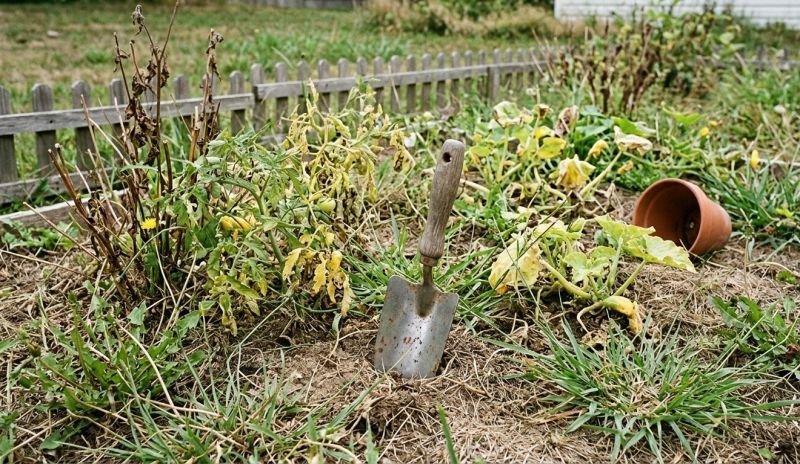
- Cleaning and preparing garden beds – Remove weeds and debris to keep your garden healthy and ready for new plants.
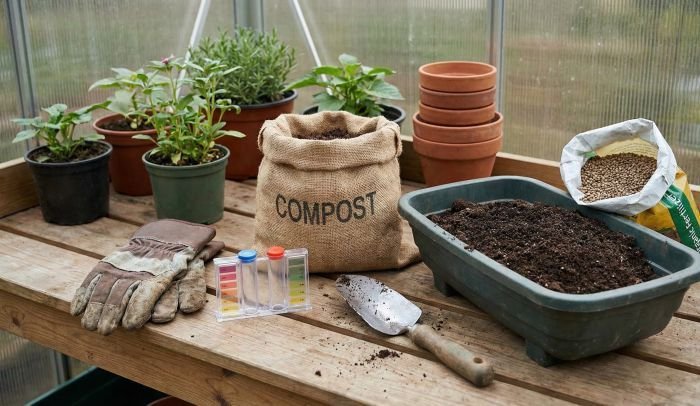
- Amending the soil – Add compost or manure to make the soil better for your plants.
Focusing on these tasks now will prepare you for the spring. The work you do in February will make your garden a place of beauty and plenty. Enjoy your time in the garden!
Seed Starting in February
Choosing the Right Seeds to Start Indoors
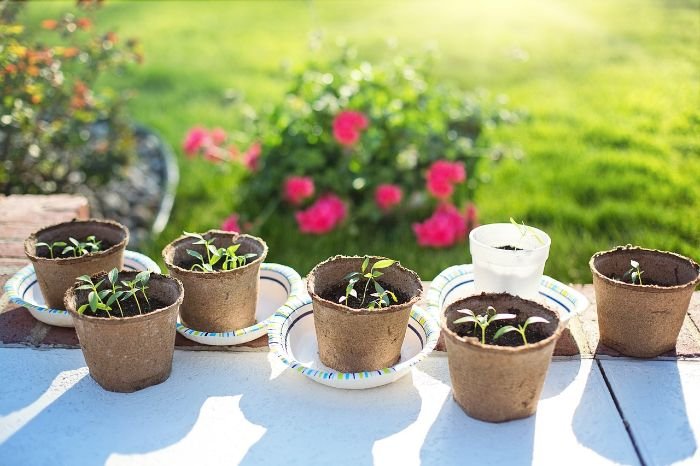
Start seeds indoors in February with careful choices. Pick seeds that grow quickly, suitable for indoor settings. Also, think about the space you have. Choose plants that do well in containers. Good options for this time include tomatoes, peppers, herbs, and flowers.
Essential Supplies for Seed Starting
You’ll need a few key items to start seeds inside in February. First, find the right containers, like seed trays or peat pots. Ensure these have drainage holes. This stops your plants from drowning.
Next, get a quality seed starting mix. It should drain well and be rich in nutrients. Think about light too. While real sun is best, some artificial lights can help your seedlings thrive.
Step-by-Step Guide to Sowing Seeds Indoors
Here’s how to seed indoors in February:
- Choose containers and fill with mix, leaving space at the top.
- Moisten the mix, it should feel damp but not waterlogged.
- Follow the seed packet for planting depth and space needs.
- Plant at the correct depth and space them as noted.
- Use a thin layer of mix to lightly cover the seeds.
- Keep the surface moist by misting with water.
- Put a plastic cover over them to hold in moisture like a greenhouse.
- Place in a warm spot with indirect sunlight or under lights.
- Check the soil’s moisture often. Water lightly if needed.
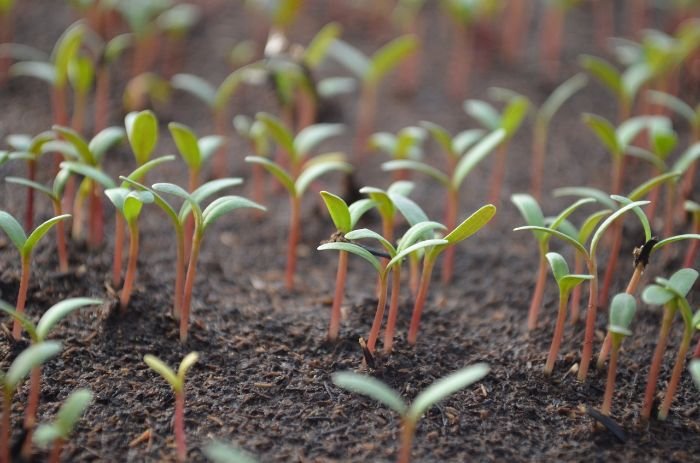
- Remove the cover when seedlings appear, and move to a sunny area.
- As they grow, continue to water and provide light.
- Before planting outside, slowly get them used to the outdoor conditions.
Pruning for Spring Growth
Pruning is key for healthy plants and a great spring. It helps by cutting away dead or unfit branches. This makes the plants look better and grow stronger. When done in February, plants get ready for their big growth spurt in spring.
Why Pruning is Crucial in February
In February, pruning signals for a strong spring. It removes what’s unnecessary from last season. This focuses plant energy on new, healthier parts. Pruning in February boosts air and light around plants, fighting off fungus. With deciduous plants asleep, this time is perfect for clear, strategic pruning cuts.
Pruning Techniques for Different Plants
Each plant type has its own pruning needs for best growth. For trees, cut out dead or tangled parts. Thinning out the leaves helps air flow. Shrubs should be cut to keep them dense and grow well. When flowers are done, cut them off to keep the plant healthy and blooming. Always check the right way to prune specific plants.
Tools Needed for Effective Pruning
Gardeners must have the correct tools to prune well. Needed tools are:
- Hand Pruners for small branches and soft stems.
- Loppers for hard-to-cut thick branches.
- A Pruning Saw for the biggest branches.
- Hedge Shears to shape hedges and shrubs.
- Pruning Sealant to protect cuts and fight off diseases.
With these tools, gardeners can do great pruning work. Always clean and take care of the tools to keep plants healthy.
Preparing Garden Beds for Spring
Getting your garden beds ready is key to healthy plants and a good crop. Just follow these steps to make the perfect place for your plants.
Cleaning and Clearing Garden Beds
First, make sure your garden beds are clean before you plant. Get rid of weeds, old plants, and any mess. This stops bugs and diseases and gives your new plants a fresh start.
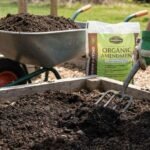
Amending Soil with Organic Matter
Next, improve your soil by adding organic stuff. Use compost, old manure, or other natural materials. They make the soil better for plants, adding nutrients and good bugs that help roots grow strong.
Planning and Laying Out Planting Beds
How you lay out your garden matters a lot for space and growth. Think about where to put each plant, how much space they need, and which ones help each other. This stops plants from being too close, gets them enough sun, and stops them from fighting over food and water.
Follow these steps to get your garden beds ready. Clean, improve the soil, and plan well. Your plants will thank you with a great spring show.
Caring for Perennials and Bulbs
In February, gardeners should pay special attention to perennials and bulbs. This will help them stay healthy for the upcoming season. It’s a great time to check and divide perennials. This helps with their growth and stops them from getting too crowded. It also ensures that they become stronger and more beautiful.
Start by looking closely at your plants. Check for any illnesses, bugs, or if they are too close together. Remove any dead pieces. Cut back long, shapeless parts to help the plant grow new, strong shoots. This helps your plants focus on making beautiful flowers.
When dividing perennials, be very gentle with the roots. Use a sharp, clean tool to carefully divide the plant into smaller parts. Each part should have roots and some shoots. Replant these in good soil. Give them enough space to grow well.
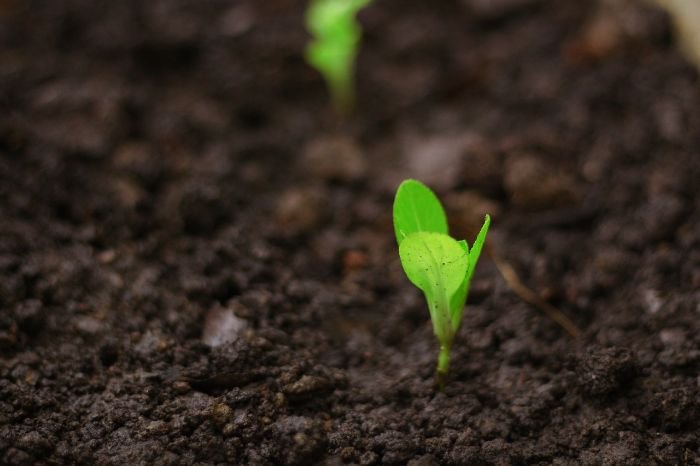
Getting your bulbs ready for spring is also vital. Check the bulbs for any bad spots and throw out the ones that look sick. If you’re keeping last year’s bulbs, store them in a cool and dry spot. This stops them from rotting. Pick a sunny, well-drained spot for planting. Make a hole that’s 2 to 3 times deeper than the bulb is tall. Place the bulb with the pointy side up and cover it with soil. Give them a good watering to help them settle in and kickstart their growth.
By taking good care of your plants and bulbs, you’ll see a lot of beautiful flowers. Doing these steps makes gardening fun and satisfying.
Managing Pests and Diseases
Handling pests and diseases challenges gardeners all year round. But in February, it’s especially important to get a grip on them. Acting early can keep the harm to your plants at bay. It makes sure your garden stays healthy and lush. Luckily, there are safe ways to deal with pests, like using natural methods.
Early Detection and Prevention Strategies
Finding pests and diseases early is crucial. Check your plants often for any signs of trouble. This could be holes in leaves or odd colors. Also, look out for signs of sickness, like wilting or strange spots. Spotting these problems early means you can stop them from getting worse or spreading.
It’s just as important to keep these issues from starting. Here are some steps to help:
- Choose plants that fight off diseases
- Give your plants enough space for the air to flow
- Get rid of infected plants quickly and properly
- Keep your garden tidy
Organic and Chemical Control Methods
Organic ways of getting rid of pests and diseases are the best choice because they are gentle on the planet and health. Some good methods are:
- Using your hands to pick off pests
- Soap and oils that kill bugs
- Putting helpful bugs near your plants to eat the bad bugs
- Using covers to protect your plants
Sometimes, organic tools aren’t enough. That’s when you might need to use chemicals. Make sure to pick the right ones for the problem. And always follow the instructions carefully to keep everything safe.
Staying ahead of pests and diseases helps your garden grow strong and beautiful. Look out for issues early, do what you can to stop them, and use friendly methods. This way, your garden will be a great place for your plants to thrive.
Greenhouse and Cold Frame Preparation
Greenhouses and cold frames help gardeners a lot. They let you grow plants longer and keep them safe from bad weather. They provide a controlled space. This lets you start planting early and grow plants late in the year. We will show you how to use greenhouses and cold frames for the best results.
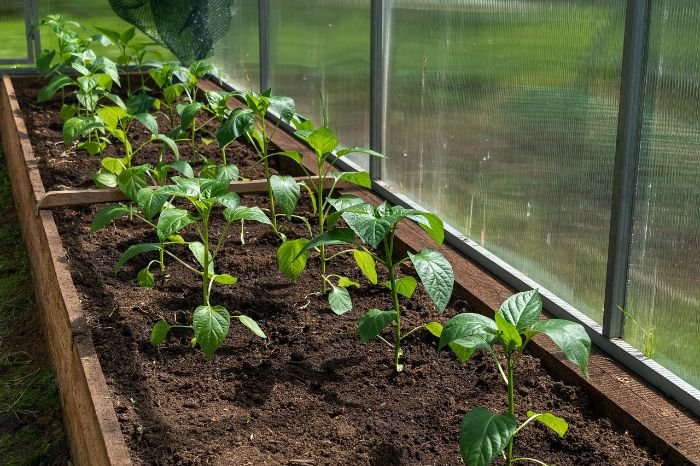
Setting Up Greenhouses for Early Planting
Starting a greenhouse needs a good plan. Keeping the right temperature is crucial. Greenhouses make a warm place to grow plants from seeds. Monitoring temperature and making sure it’s right is very important. You must have good airflow to keep the plants happy. These steps help ensure your plants do well.
To set up a greenhouse for early planting:
- Choose a sunny spot for your greenhouse.
- Get the area ready by cleaning it up.
- Put the greenhouse together making sure it’s strong.
- Use clear materials for the walls and roof to let in light.
- Add benches or shelves for more planting space.
- Have heaters or fans to control the temperature inside.
- Keep the air fresh by including vents or windows.
- Get your soil or containers ready with good nutrients.
- Always check on how your greenhouse’s environment is doing and make changes as needed.
With these steps, you’ll have a perfect space to plant early and enjoy more time growing your favorite plants.
Using Cold Frames to Extend Growing Season
Cold frames are like mini greenhouses. They shield plants from cold, wind, and other harsh weather. With a simple design, they can capture the sun’s warmth well. As a result, they’re great for growing plants in cooler periods and keeping fragile plants safe.
To make the most of cold frames:
- Pick a place with a lot of sunlight that’s not too windy.
- Build your cold frame with materials like wood or bricks.
- Make sure it’s solid.
- Use a transparent cover, like glass or plastic, so sunlight can get in.
- Place it so the sun hits it just right every day.
- Give the cover a way to open in the day for air and close at night to keep the heat in.
- Prepare the soil with good compost for planting.
- Plant your crops inside or put pots for growing.
- Check the temperature and air often, adjusting when you need to.
Cold frames work great with greenhouses or on their own. They let you start planting earlier and keep going even in cold weather.
Garden Tool Maintenance
Cleaning and Sharpening Tools
Keeping garden tools in tip-top shape is a must for long-term use. Clean and sharp tools cut better and last longer. They also help keep your plants healthy and free from pests.
Start by brushing off dirt or washing your tools. For stubborn dirt, a mix of water and bleach can work. Always dry them well to prevent rust. Don’t forget to clean the handles.
Sharpening tools is just as important as cleaning them. Dull tools are hard to use and don’t cut well. Use a file or sharpening stone on the edges. Make sure the handles are in good shape too.
Organizing and Storing Garden Equipment
Keep your gardening space tidy by organizing your tools. This not only looks better but also makes your tools last longer.
Get a good tool rack to keep everything in place. Hang tools up or use slots to avoid clumping them together. You can also use a tool belt for small tools.
When you put away your tools, make sure they’re safe from weather. A dry, cool spot is best for metal tools. Adding a little oil can stop them from rusting. This care saves you time and money in the long run.
By keeping your tools clean, sharp, and well-organized, you improve your gardening experience. With a little effort, you can enjoy a more efficient and pleasant time in your garden.
Planning for Wildlife and Beneficial Insects
Encouraging Beneficial Wildlife in the Garden
A wildlife-friendly garden is beautiful and vital for our planet. It helps keep nature in balance by attracting friends like bees and butterflies. These helpers make sure our plants grow strong and our flowers bloom.
To invite beneficial wildlife, create cozy homes and food spots in your garden. Use native plants loved by bees and birds. These plants will provide food and safe places for the little fellows.
Setting Up Habitats and Nesting Sites
Make your garden a haven for helpful insects and animals by adding special spots. Bird homes, bat boxes, and insect hideaways are great friends to invite. They keep your garden pests in check, naturally.
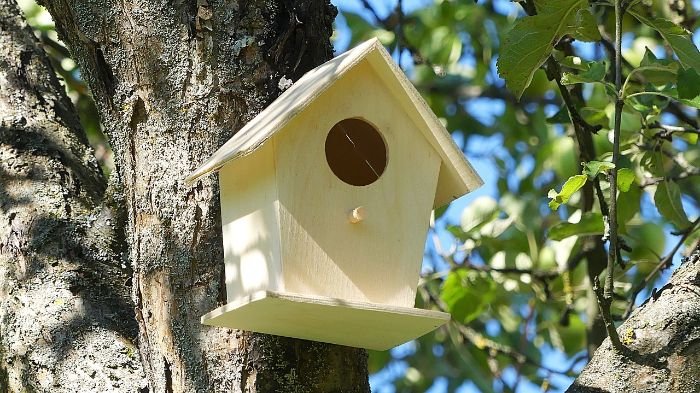
Don’t forget about water and shady hiding places. A birdbath or a little pond will help, as will some rocks and logs. With these, your garden becomes a paradise for all the good bugs and birds.
Conclusion – Getting Ready for a Successful Spring
As February ends, it’s key to think about the work done in the garden. The tasks finished this month set the stage for a great spring season. They help the garden stay healthy and grow well. By staying ahead in garden care and using what we’ve learned, we ensure our gardens are lively in the spring.
Garden work like starting seeds, pruning, and fixing the soil have all been very important. This hard work will pay off. Good planning and doing these tasks well bring the best conditions for plants, more food, and pretty flowers. The garden will be full of life and color, showing the results of our effort.
With longer, warmer days, we must keep an eye on the garden. This means watching for pests and diseases and doing regular upkeep. Keeping up with the tips from this checklist ensures our gardens thrive all spring and beyond.
To sum up, a beautiful garden needs careful thought and hard work, not just luck. By sticking to this checklist and focusing on the listed tasks, gardeners will be ready for spring. Let’s welcome the new season with excitement, as our gardens are set for success. Happy gardening!
FAQ
What tasks should I prioritize in February for my garden?
Start February with tasks like seed starting, pruning, and soil prep. Also, care for perennials and bulbs now.
How do I start seeds indoors in February?
For indoor seed starting, first pick the seeds you want. Then, get containers and soil. Finally, follow a guide for planting and transplanting.
Why is pruning important in February?
Pruning in February helps plants grow strong and shape well for spring. It boosts flowers, fruit, and plant health.
What tools do I need for effective pruning in February?
Essential pruning tools for February include shears, loppers, and saws. Use the right one based on the plant’s size.
How can I set up greenhouses and cold frames in February?
To start plant early, set up greenhouses with good temperature and ventilation. Cold frames can also extend the season if used correctly.
How do I maintain my garden tools in February?
Clean and sharpen your tools to prevent rust and keep them efficient. Proper storage also helps them last longer.
How can I plan for wildlife and beneficial insects in February?
Plan for wildlife and beneficial bugs by making garden homes. These will attract pollinators and pest-eating friends.