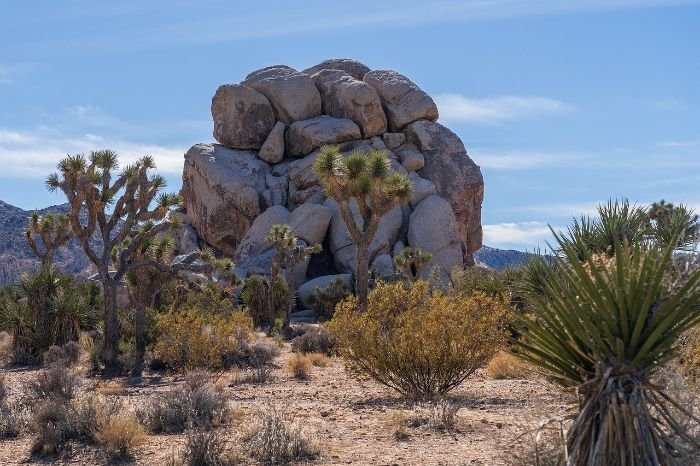
Are you tired of always watering your garden and seeing your water bills go up? In our world, saving water is very important. We need to find ways to make our gardens beautiful and use less water. Imagine if you could have a garden that stays beautiful, even in dry weather. Drought-tolerant plants are the answer. They make gardens that are not just pretty but also good for the environment.
In this article, we’ll learn about drought-tolerant plants. We’ll see how they can make your garden a peaceful, lovely place. You’re about to find out about some amazing plants. They are the secret to making a garden that’s both beautiful and uses less water.
Key Takeaways:
- Drought-tolerant plants are the secret to creating water-efficient gardens.
- Using drought-tolerant plants can significantly reduce water consumption and lower maintenance requirements in your garden.
- These plants have unique adaptations that enable them to survive and thrive in low-water conditions.
- Proper plant selection, matching plants to your garden’s climate and soil, is crucial for successful water-efficient gardening.
- Designing a water-efficient garden involves careful planning, grouping plants based on their water needs, and incorporating hardscaping and mulch to conserve moisture.
Table of Contents
About Drought-Tolerant Gardening
In today’s world, saving water is key. Drought-tolerant gardening helps save water. It uses plants that don’t need much water to grow.
Choosing drought-tolerant plants is good for saving water. It also helps areas with little water or water rules.
Importance of Water-Efficient Gardens
Water-efficient gardens are important in dry places. They use less water but still look nice. This helps save water and keep gardens beautiful.
These gardens are great for the Earth. They use less water, which is good for our planet. This reduces the need for power-hungry ways to water plants.
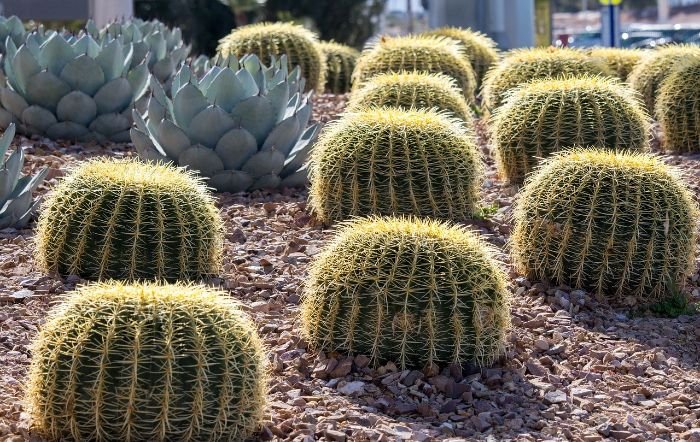
Less water use means smaller energy use and less harm to the Earth. Taking care of our gardens this way helps our planet and our money.
Benefits of Using Drought-Tolerant Plants
Drought-tolerant plants do more than save water. They can handle dry periods and different soils. This makes them strong and able to grow with little water.
They need less water, which saves time and effort. These plants also need less care, like fertilizer and pest control. This makes gardening easier.
Drought-tolerant plants help wildlife too. They provide a home for birds, butterflies, and good bugs. This helps create a healthy garden for all creatures.
In the end, drought-tolerant gardening is smart and kind to the Earth. Next, we will learn what makes a plant drought-tolerant.
Understanding Drought-Tolerant Plants
We’re going to explore drought-tolerant plants in this section. We’ll learn what makes them special and able to grow with less water. This knowledge lets us design gardens that are both beautiful and saving water.
What Makes a Plant Drought-Tolerant?
A drought-tolerant plant can survive long periods without water. It uses water very efficiently. So, even with low water, these plants can stay healthy. They keep water well and are great for gardens that don’t use a lot of water.
These plants stop water from leaving through special ways. They have smaller leaves and thicker coverings on their leaves. This means they lose less water to the air and stay moist. So, they don’t dry out easily, even when it’s hot and dry.
Adaptations for Survival in Low-Water Conditions
Are you wondering how some plants use less water and still live? Drought-tolerant plants use cool tricks to survive with little water. Their special features help them live in places where most plants would die.
One trick is having roots that go deep into the ground. This lets them find water underground. So, they can still get water, even when the top of the soil is dry. This helps them keep water and survive droughts.
Some plants have parts, like leaves and stems, that hold water. They also lose their leaves when it’s too dry. These skills help them save water and use it for important things. This way, they can live even when water is scarce.
The image above shows how amazing drought-tolerant plants are. Despite not having a lot of water, they can still grow. Their strength and special traits are perfect for gardens that want to use less water.
Selecting Drought-Tolerant Plants
Choosing the right drought-tolerant plants is key to a water-efficient garden. Pick plants that fit your garden’s climate and soil for best results. Think about these things when selecting plants:
Factors to Consider When Choosing Plants
1. Water requirements – Every plant needs different amounts of water. Some need hardly any, while others do well with some deep watering now and then.
2. Sun exposure – Look at how much sun your garden gets each day. Choose plants that like full sun, partial shade, or full shade, based on what your garden offers.
3. Hardiness – Find out your area’s hardiness zone. Pick plants that can handle your local climate’s ups and downs.
Matching Plants to Your Garden’s Climate and Soil
It’s important to know if your climate and soil are good for your plants.:
Climate suitability – Different places have different climates. Look for plants that do well in your climate, whether it’s hot and dry or cool and moist.
Soil compatibility – Also, think about your garden’s soil type. Drought-tolerant plants can vary in what soil they like. Choose plants that match your soil to help them grow strong.
By thinking about these points and getting plants that suit your garden, you can have a beautiful, water-saving garden. Next, we’ll talk about some top drought-tolerant plants for your garden.
Top Drought-Tolerant Plants
Choosing the right plants matters a lot in a water-saving garden. We’ve listed the top drought-tolerant plants that look great without needing much water.
Succulents and Cacti
Succulents and cacti can save water in their parts, perfect for dry areas. They’re pretty diverse in appearance, ranging from aloe vera and echeveria to agave and opuntia.
Drought-Resistant Shrubs
Shrubs are both beautiful and useful in gardens that save water. Once these drought-resistant shrubs are settled, they need very little care. Great picks for such gardens include lavender, rosemary, oleander, and yucca.
Water-Wise Perennials
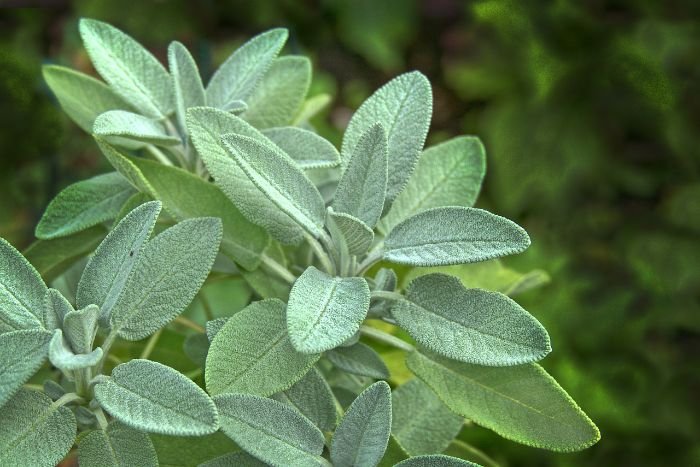
Perennials last for years and don’t need much to stay healthy, even when it’s dry. They’re easy to care for and come in pretty varieties. Sage, agapanthus, black-eyed Susan, and blanket flower are some good choices.
Low-Water Annuals
An annual plant can bring life and color to your garden each year. Picking ones that don’t need a lot of water helps save water. Try plants like portulaca, zinnias, marigolds, and cosmos for colors that last.
By adding these drought-tolerant plants to your garden, you can cut down water use and upkeep. Be sure to pick the right plants for your area and soil to keep your garden beautiful and water-smart.
Designing a Water-Efficient Garden
Crafting a stunning, water-saving garden means understanding design basics. Strategically planning your garden’s arrangement and utilizing key elements cuts water use. This way, you make a sustainable, lovely outdoor area.
Planning Your Garden Layout
When planning a water-wise garden, remember your land’s natural traits. Think about sunlight, wind, and soil to decide where plants should go. This helps your garden flourish.
Choose plants by their height, size, and water needs to save water. Arranging them smartly keeps your garden beautiful with little water.
Grouping Plants by Water Needs
Grouping plants that need the same water saves water efficiently. This way, every plant gets just the right amount of water, not more.
Divide your garden into thirsty and less-thirsty plant areas. It helps you water each area properly, using less water overall.
Incorporating Hardscaping and Mulch
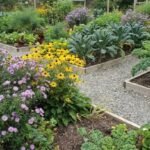
Hardscaping and mulch are key in a water-smart garden. Pathways and raised beds hold water for your plants. This prevents wasteful runoff.
Adding organic mulch around plants has many pluses. It keeps water in, stops weeds, and helps the soil stay cool. All of this means you use less water yet your garden looks great.
Planting and Care Tips
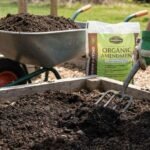
For drought-tolerant plants, good soil prep is vital. Make sure the soil drains well and holds moisture. Use compost or mulch to boost water ability and give plants nutrients.
When you plant drought-tolerant plants, do it right. The hole should be a bit bigger and deeper than the root ball. Take the plant out carefully, spread the roots, and put it in the hole. Fill the hole with soil and press it down to remove air.
Using mulch is key for caring for these plants. Put a layer of mulch at the plant’s base to keep moisture and stop weeds. Things like wood chips or straw can also keep the soil a good temperature. But, don’t put mulch too close to the plant’s stem. This can cause problems.
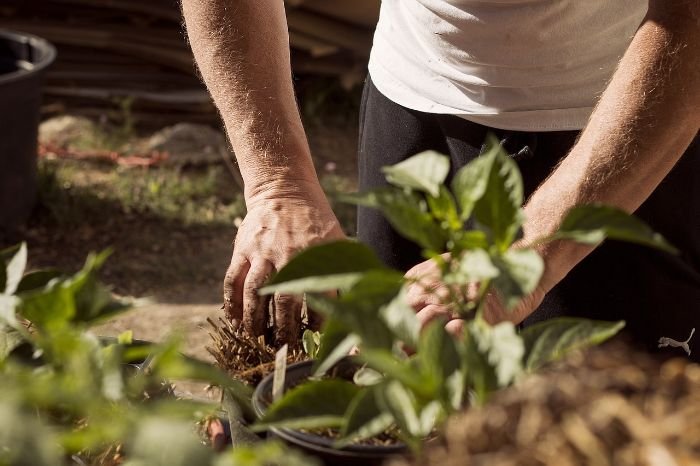
By using these tips for planting and care, your drought-tolerant plants will do well. Keep in mind the importance of preparing the soil, planting right, and using mulch. These steps are vital for a garden that uses less water and thrives.
Watering Strategies for Drought-Tolerant Gardens
Water conservation is very important. It’s key to use smart watering in your drought-friendly garden. These methods ensure your plants have enough water without wasting any. Here are some ways to keep your garden healthy and water-wise.
Efficient Watering Practices
Deep watering is a top method for drought-tolerant gardens. It’s better than just a little water often. Deep watering helps roots grow stronger by soaking deep into the soil.
It’s crucial not to overwater. Drought plants can do with less water. Know your plant’s water needs to save water and keep roots from rotting.
Using Drip Irrigation and Soaker Hoses
Drip irrigation and soaker hoses are great for using water well. Drip systems put water straight to the roots. This stops water from being wasted by evaporation or running off.
Soaker hoses are good for slowly soaking the ground. Water seeps out evenly, which helps stop runoff and evaporation. They work well for big areas or plant rows.
Timing Watering for Maximum Absorption
Watering at the right time is crucial for your plants to soak up water well. It’s best to water early or late. This lets the plants absorb water better, keeping them moist all day.
Think about your plant’s water needs. Some need more water at first, while others do well with less. Knowing this helps you water your garden smartly.
Using these tips can keep your garden green and save water, too. Good water habits are good for your plants and the planet.
Maintaining Your Water-Efficient Garden
After making your water-saving garden, it’s key to keep it up. This ensures your plants stay healthy and pretty. Let’s go over important tips to help your garden stay in top shape.
Pruning and Trimming Tips
It’s important to prune and trim your plants regularly. Doing so keeps them looking good and healthy. Pruning removes dead or bad branches, while trimming shapes the plant.
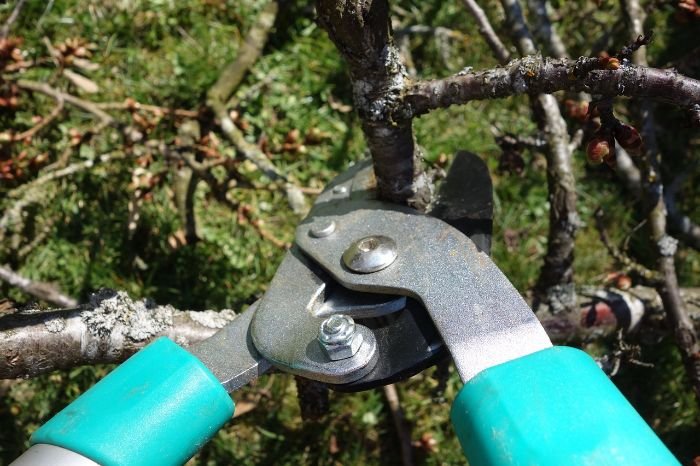
Use sharp, clean tools for pruning to stop disease spread. Cut off dead or sick branches first. Then, clip branches that touch or cross each other. Finally, step back and look at the plant’s shape. Trim branches that are too big or out of place.
Managing Pests and Diseases Naturally
Pests and diseases are dangers to your garden, but you can fight them naturally. Avoiding harmful chemicals is better for the Earth. Natural pest and disease control keeps your garden healthy.
Companion planting is one way to fight pests. For example, planting marigolds next to veggies can keep away bugs like aphids.
Keeping the garden clean also stops disease. Remove old leaves and plant waste to lower disease risk. If you see plants are sick, cut away the affected parts right away.
Seasonal Care for Drought-Tolerant Plants
Plants that need little water still need care all year. You should change your care depending on the season. Here’s how to help your plants in each season.
In the summer, water your plants well. Even though they do better in dry conditions, they still need water. But, watch for overwatering to avoid problems.
In winter, protect plants from frost. Cover them with blankets or move them inside if it’s very cold.
Fertilize in spring and fall for good growth. Use organic fertilizer that releases slowly. This way, your plants get what they need without too much at once.
Using these tips will help your garden stay beautiful and full of life throughout the year.
Conclusion – Embracing Water-Efficient Gardening
Water-efficient gardening is vital for a greener world. It’s more than a trend, it’s essential for the earth. By using less water, we can help save a lot and make a difference.
Drought-tolerant plants are key to water-saving gardens. They need less water and can still look great. By choosing these plants, our gardens can be both lovely and kind to the environment.
Making a garden that saves water takes more than just plant choice. It needs smart planning and the right care. Grouping plants by water needs and using water wisely are essential steps.
It’s your turn to start a water-wise garden. Look for plants that do well in your area without much water. Care for them properly and water efficiently. With your efforts, not only will your garden flourish, but you’ll also help save water.
FAQ
Why should I consider using drought-tolerant plants in my garden?
Drought-tolerant plants need less water. They make your garden save more water. Also, they are good for the earth. By using them, you help in saving water, reducing work, and making creatures happy.
What characteristics make a plant drought-tolerant?
Drought-tolerant plants are tough. They can go a long time without water. This is because they have special features like deep roots. These parts help them keep water in and survive dry times.
How do I select the right drought-tolerant plants for my garden?
When picking plants, think about how much water they need and how much sun they like. Also, know the weather and soil where you live. This helps plants grow their best.
What are some examples of drought-tolerant plants?
Good drought-tolerant plants are succulents, cacti, and shrubs that don’t need much water. Also, there are perennials and annuals that do well in dry places. These types of plants are great for gardens that don’t get much rain.
How can I design a water-efficient garden?
To make your garden use water well, plan how you plant things. Put plants together that need the same amount of water. Use things like rocks and wood chips to keep the ground moist. This helps your garden drink up all the water it gets.
What watering strategies should I use for my drought-tolerant garden?
For a drought-tolerant garden, water deeply but not too often. Use drip hoses or pipes that let water out slowly. Water when the sun is not too hot. This way, the plants get to drink up more of the water.
How do I maintain my water-efficient garden?
Keep your garden neat by cutting back plants regularly. Don’t use strong chemicals to fight bugs and diseases. Every season, give the plants some water and food. This makes sure your garden stays healthy and live for a long time.
Why is water-efficient gardening important?
Using water smartly is a big help to our planet. It saves water and is good for the earth. Less water in the garden means more water for everyone without hurting nature. It’s a way to make tomorrow look greener.