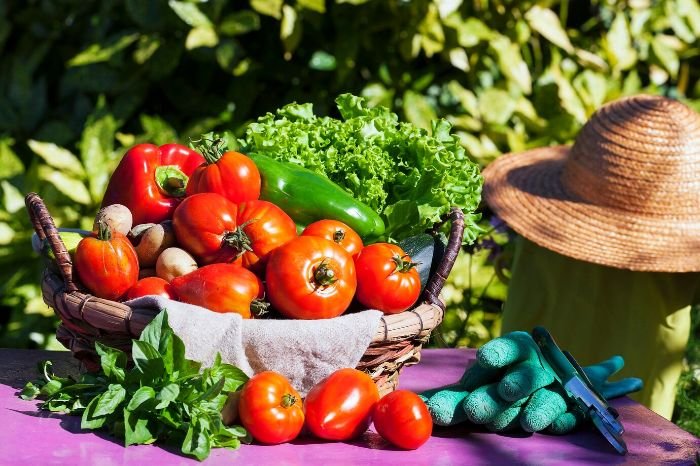
Are you ready to up your vegetable gardening game? Picking the right plants for your garden is key. But there are so many choices. How do you know what works best for your space and the time of year?
This guide will show you a roadmap for each season. It helps you know what to plant when and where. This way, your garden can really take off and give you a lot of veggies to enjoy.
So, if you’re a pro or just getting started, find the secrets to plant success here. Let’s learn how to pick the perfect plants for your vegetable garden.
Key Takeaways:
- Choosing the right plants is essential for a successful vegetable garden.
- Understanding the growing seasons and climate zones is crucial for optimal plant growth and yield.
- By following a seasonal guide, you can make informed decisions about what to plant in your vegetable garden.
- Whether you’re a beginner or an experienced gardener, this guide will help you choose the best plants for your garden.
- Stay tuned as we delve into each season and provide you with expert tips and recommendations for your vegetable garden.
Table of Contents
Introduction to Seasonal Vegetable Gardening
Welcome to the exciting world of seasonal vegetable gardening. Whether you’re new or not, it’s key to know some things. This section will cover how picking the right veggies boosts your chance of a good harvest. We’ll also look into the best times to plant depending on where you live.
The Importance of Choosing the Right Vegetables
Choosing the right veggies is vital. Every plant doesn’t grow well in all conditions. It matters that you pick plants that match your garden’s climate. This way, your garden can be more productive and safer from pests.
Think about the weather in your area: how warm, sunny, or rainy it gets. For instance, lettuce and spinach like it cooler, while tomatoes and peppers need warmth. By going with plants suited to your area, you help your garden thrive.
Understanding Growing Seasons and Climate Zones
Knowing about growing seasons and climate zones is essential. Growing windows change from place to place. Learning when to plant and pick veggies is crucial.
Climate zones tell you what your area’s like for growing. Knowing your zone helps you decide the best veggies to plant. This means they’re more likely to do well.
Places with cooler weather have less time to grow things. So, quick-growing veggies or starting indoors is smart. Hotter areas, though, have more time for veggies to grow.
Picking the right veggies for your season and zone leads to a better harvest.It only takes a little know-how to make your garden thrive.
Spring Planting Guide
Spring starts the planting season. The weather is warming, and days are longer. It’s time to grow your favorite veggies. This guide is for both new and experienced gardeners to enjoy a great season.
Best Vegetables to Plant in Early Spring
At the beginning of spring, the soil is cool but warming. Some vegetables love this weather. They’re perfect for planting early in the season:
- Carrots
- Radishes
- Spinach
- Lettuce
- Potatoes
These veggies can handle a light freeze. They will grow fast for an early harvest.
Mid to Late Spring Vegetables
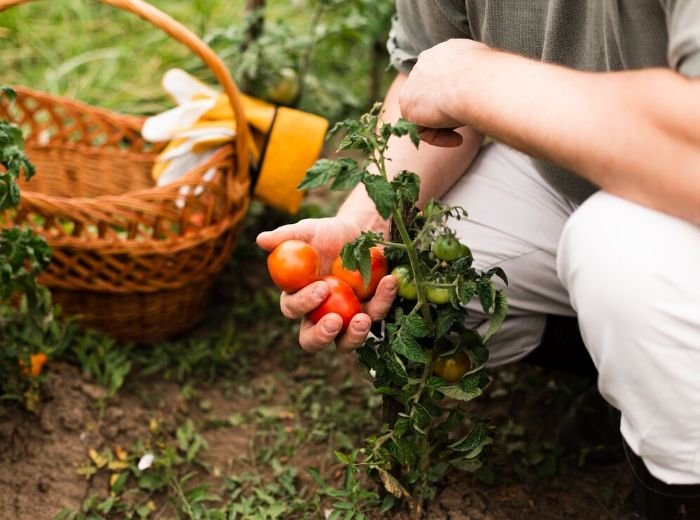
Later in spring, more veggies can be planted. With warmer soil and longer days, you have more choices. Here are some great picks for mid to late spring:
Vegetables for mid to late spring
- Tomatoes
- Peppers
- Cucumbers
- Zucchini
- Beans
These plants need warmer soil. Care for them with enough water and protection from pests.
Tips for Starting Seeds Indoors
Starting seeds inside helps your garden grow earlier. You control the start of your season. Here are some tips for indoors seed planting:
- Choose the right containers – Clean, sterile containers with holes are best. Use seed trays or pots.
- Use quality seed starting mix – A good mix should be light, drain well, and feed seedlings.
- Sow seeds at the correct depth – See the packet for how deep to plant them. Usually, it’s two to three times their size.
- Provide sufficient light – Put seedlings near a sunny window or use grow lights. They need 12-16 hours of light daily.
- Maintain proper temperature and humidity – Aim for 70-75°F (21-24°C) and 40-60% humidity.
- Water carefully – Water seedlings gently. Keep the soil moist but not soggy.
- Harden off before transplanting – Get your seedlings used to outdoor weather slowly. This prepares them for planting in the garden.
These tips help you start seeds indoors successfully. They’ll be ready for your garden.
By picking the right veggies and starting seeds indoors, your spring garden will flourish. Enjoy planting this season!
Summer Planting Guide
In summer, pick heat-loving veggies for a great harvest in the heat. The key is choosing plants that love hot weather and giving them ways to stay cool and hydrated. This will ensure you have a lot of fresh veggies all summer long.
Heat-Tolerant Vegetables for Summer
For your summer garden, plant veggies that like it hot. They do well in soaring temperatures. Some great choices are:
- Tomatoes
- Peppers
- Eggplant
- Squash
- Beans
- Cucumbers
- Okra
These plants not only bear the heat well but also produce plenty of veggies in summer.
Managing Water and Heat Stress
It’s vital to look after your plants in the summer heat. Here’s how to manage water and heat stress:
- Water deeply – Soak the soil to reach the plant roots. Do this early or late in the day to cut down on water loss.
- Use mulch – Put a layer of mulch around your plants to keep the soil moist and cool.
- Shade your plants – Use shade cloths or natural shading to protect your plants from the sun’s strongest rays.
- Drip-irrigation – Set up a system that waters at the roots to save water and keep plants cool.
Follow these tips to keep your plants healthy and thriving under the summer sun.
Successive Planting for Continuous Harvest
Successive planting means planting veggies at different times for a steady harvest. Here’s how to do it:
- Make a planting timetable – Figure out when to plant each vegetable for a steady crop all summer.
- Start seeds early – Begin seeds indoors ahead of the planting season to always have young plants ready.
- Plant in stages – Put new seeds or seedlings in the ground every few weeks. This way, you’ll have veggies ripening continuously.
- Keep harvesting – Pick your veggies when they’re ready to keep the garden producing.
With this method, enjoy fresh veggies from your garden all summer long in a never-ending harvest.
Fall Planting Guide
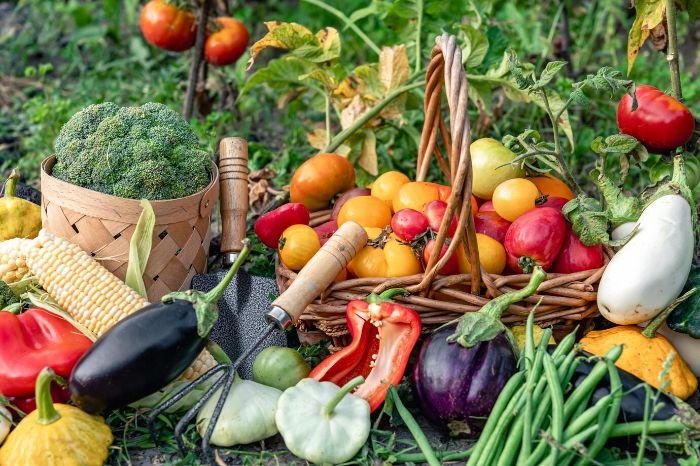
In fall, you can still get fresh veggies by planting the right ones. Cool-season vegetables love chilly weather. They can keep growing and you can keep picking long after summer.
Also, getting your garden ready for winter helps your plants stay healthy. These steps are important for your garden’s year-round beauty.
Cool-Season Vegetables for Fall
Some plants do best when grown in the fall. They can handle cooler nights. These include:
- Lettuce
- Spinach
- Kale
- Broccoli
- Cauliflower
- Carrots
They love the cool weather and can even handle a little frost. Planting in fall means you get to enjoy them before winter.
Extending the Growing Season with Row Covers
If you’re looking to keep your veggies going, row covers are a great idea. These covers are like light blankets for plants. They keep your crops warm and safe from bugs.
With row covers, your garden becomes its own warm little world. Your cool-season veggies get the extra time they need, even when it’s cold outside.
Preparing Your Garden for Winter
Getting your garden ready for winter is key to a great spring. Here are some tips:
- Clean up garden debris. This stops pests and diseases from getting comfortable.
- Improve the soil. Adding compost or manure helps keep soil healthy through winter.
- Look after perennials. A thick layer of mulch around them keeps their roots cozy.
These steps are crucial for a garden that stays beautiful all year. They’re your first step for a successful spring planting season.
Winter Planting Guide
Many think they can’t garden in winter. But, using the right knowledge and tools, you can grow fresh veggies even when it’s cold. This guide will teach you how to garden in mild winter weather.
Vegetables That Thrive in Mild Winters
Some veggies love mild winters. They can handle the cold and keep producing. Spinach, kale, carrots, and more are great choices for the winter garden.
Picking these winter veggies means you’ll have healthy and tasty food when it’s cold outside.
Using Greenhouses and Cold Frames
Greenhouses and cold frames help plants survive colder weather. Greenhouses make a warm space for plants. Cold frames are cheaper and you can move them. Both keep plants warmer and protect them from frost.
Winter Care and Maintenance
Caring for winter crops is key to their survival. Here are some tips for looking after your plants in the cold:
- Check soil moisture often to avoid overwatering or underwatering.
- Mulch can help keep the soil warm and retain moisture.
- Use frost cloths to shield plants from very low temperatures.
- Shake off snow from plants to avoid damage.
- Watch for pests and disease on your plants and deal with them fast.
Following these tips will keep your winter garden healthy and productive.
Now you know how to keep your garden growing in the winter. Pick the right veggies, use greenhouses or cold frames, and take good care of your plants. You’ll have a great harvest in the winter.
Tips for Year-Round Gardening
To keep your garden going strong all year, use methods that support plant health and growth. These tips are key for a fruitful garden throughout every season:
Crop Rotation and Soil Health
Rotating your crops helps keep the soil healthy. It stops pests and diseases from staying in one spot all the time. This trick also keeps the soil full of the nutrients your plants need. Always plan your crop rotation wisely to match what each plant likes.
Companion Planting Strategies
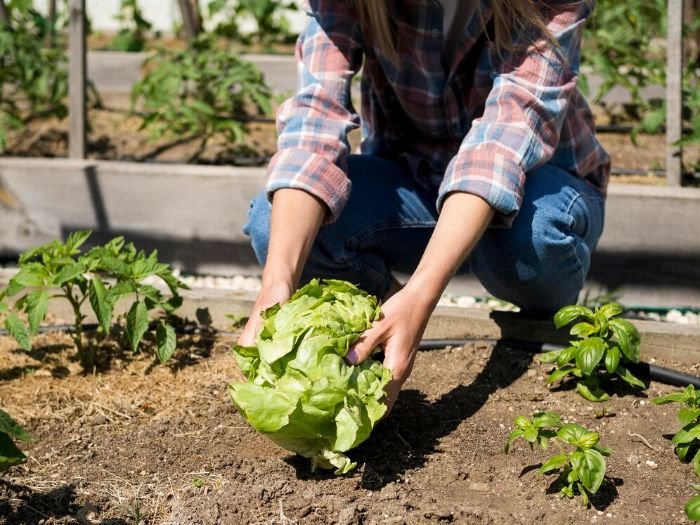
Growing certain plants next to each other can really help. For example, planting marigolds with vegetables can keep away harmful insects. Basil near tomatoes makes them taste better and can stop pests. Look up which plants help each other best, and test what works in your garden.
Pest and Disease Management Throughout the Year
Dealing with pests and diseases is vital for a healthy garden all year. Use a mix of methods to keep your plants safe, like inviting helpful bugs. Always check your plants for any issues. And if you need to use something to keep pests away, choose products that are good for the environment. Cleaning up your garden, like removing sick plants, can also stop diseases from spreading.
With these tips, you can enjoy a garden that’s full of beauty and food year-round. Remember, every garden is different, so find what works best in yours. Happy gardening!
Best Vegetables for Different Climate Zones
Choosing the right plants for your climate zone is key to great success in gardening. If you live in a hot and dry place, or a cool and wet one, this is especially important. We will suggest valuable veggies for each climate type in the following sections.
Vegetables for Hot and Dry Climates
Living in a hot and dry area means picking veggies that love the heat. Think about plants like tomatoes, peppers, eggplants, and okra. These crops are used to high temperatures and need little water. Also, Swiss chard and arugula are good for greens in the heat. Drought-friendly herbs such as rosemary, oregano, and thyme are great too. They don’t mind the hot, dry weather.
Vegetables for Cool and Wet Climates
Cool and wet places are perfect for certain veggies. These include lettuce, kale, spinach, and Swiss chard. Root veggies like carrots, radishes, and beets also do well. Broccoli, Brussels sprouts, and cauliflower add variety. They can handle the cooler temperatures and offer tasty harvests.
Versatile Vegetables for Variable Climates
For those with changing weather, versatile vegetables are a must. Tomatoes are perfect for this with many kinds to choose from. Zucchini and cucumber are also great at adapting. This makes them good for different climates. Perennial herbs like mint, sage, and thyme are perfect. They keep adding flavor despite the weather changes.
Choosing the best veggies for your climate is vital for a great garden. Consider your local weather and plant varieties that suit it. This way, you’ll have a thriving garden and a lot of delicious veggies.
Conclusion – Planning Your Vegetable Garden for Success
Starting your vegetable garden means you need a good plan for success. Choose the right veggies for every season. Know your climate zone well. Think about sunlight, water, and soil to help your plants grow strong.
It’s crucial to know what your vegetables need. This includes how much sunlight and water they require. Create the best environment for your plants. This will lead to a healthier garden and better crops.
Use methods like companion planting and crop rotation for a better garden. Companion planting helps plants grow better by being near others. It can help fight off pests and keep the soil healthy. Crop rotation means changing where you plant things each year. This helps avoid pests and diseases, and keeps the soil full of nutrients.
Good planning is key to a great vegetable garden. Follow the advice in this guide for a garden that truly thrives. Homegrown vegetables are a wonderful reward. Whether you have a small space or a big backyard, growing your own veggies is always worth it. So, get out there, plan, plant, and enjoy the fruit of your labor!
FAQ
What is the significance of choosing the right vegetables for a successful garden?
Choosing the right vegetables is key. It really affects how well your plants grow and what they produce.
Each vegetable has different needs. Picking those that match your garden helps ensure you get a lot of food.Why is it important to understand growing seasons and climate zones?
It’s crucial to know when and where vegetables grow best. Each vegetable likes certain weather and temperatures.
Knowing this helps you give your plants the best chance to do well.What are some tips for starting seeds indoors?
Starting seeds inside needs good soil and enough light. Keep the soil moist but not too wet.
Also, using labels to know what you planted helps when moving them outdoors.What is successive planting, and how can it be beneficial for a summer garden?
Successive planting means you plant more every few weeks. This way, you keep getting fresh food all summer.
This gives you a steady supply so you’re not overwhelmed by a lot at once.How can I extend the growing season in the fall with row covers?
Row covers keep plants warm and protect them from frost. This lets you harvest longer into the fall.
They act like a blanket against the cold, helping your garden stay productive.How can I plan my vegetable garden for success?
To make your garden successful, think about the sun, soil, and water your plants need. Plan out your space.
Learn how to plant each vegetable well and pick the right kinds for your area.