


Ever wondered why some gardens do well while others don’t, even with the same care? The secret might be in crop rotation. This method is key for farming that’s good for the earth, keeps soil healthy, and fights pests.
By changing what crops grow in the same spot, farmers make the soil better. They also stop pests and create a healthier place for all living things. For centuries, farmers have used crop rotation to balance their work. This way, they avoid using too many pesticides and keep the soil in good shape.
In this section, we’ll look at the basics of crop rotation. We’ll learn what it is and how it’s been used for a long time. This method not only makes farming better but also helps the environment. Let’s explore how crop rotation can change farming today.
Key Takeaways
- Crop rotation makes soil healthier and more fertile by using different nutrients.
- It cuts down on pesticide use and helps control pests naturally.
- For centuries, crop rotation has helped farming be more sustainable.
- Different crops improve soil and lower erosion risks.
- Rotating crops boosts farm productivity and biodiversity.
- Good crop rotation plans can save farmers money.
- The USDA Organic Rules highlight crop rotation’s role in keeping soil healthy.
Table of Contents
What is Crop Rotation?
Crop rotation is a key part of sustainable farming. Engaging in sustainable soil management practices through crop rotation helps maintain long-term soil fertility while cutting back on synthetic inputs.
Combined with companion planting, crop rotation offers a double defense against pests and reduces reliance on chemicals. It makes farms stronger against bad weather.
Defining Crop Rotation and Its Role in Agriculture
Crop rotation is about growing different crops at different times. It helps the soil stay rich in nutrients. It also fights pests and diseases.
Research shows it can make crops grow better and reduce harmful gases. Legumes, for example, help the soil by adding nitrogen. They are great for farming in a green way.
History of Crop Rotation Practices
Crop rotation has been around for thousands of years. Ancient farmers in the Near East started using it around 6000 BC. They grew legumes and cereals to make the soil better.
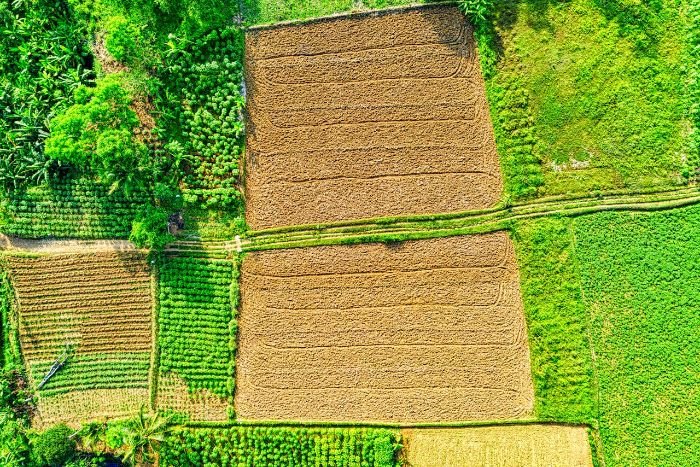
In Europe, the move to three-field systems in the 9th to 11th centuries was a big step. It led to better food. Charles Townshend’s four-field rotation in the British Agricultural Revolution made farming even better.
George Washington Carver also pushed for crop rotation in the United States. He showed how it keeps the soil healthy.
The Benefits of Crop Rotation for Soil Health
Crop rotation is key to better soil health. It helps with nutrient replenishment and root diversity. This method supports ecological balance and makes farming more sustainable.
Planting different crops in a sequence improves soil quality and crop yield. This is a long-term benefit.
Replenishing Soil Nutrients Naturally
Crop rotation naturally adds nutrients to the soil. Legumes, for example, fix nitrogen, making the soil more fertile. This cuts down on the need for synthetic fertilizers.
Healthier soil ecosystems and long-term sustainability are the results. This is good for the environment and farming.
Preventing Soil Erosion Through Root Diversity
By focusing on erosion control, you can leverage diverse root systems in your rotation to keep soil intact and reduce nutrient loss. This makes erosion less of a problem.
For example, deep-rooted plants and shallow-rooted ones together cover more soil. They also help keep water in the soil.
How Crop Rotation Reduces Pest and Disease Issues
Crop rotation is key for controlling pests and diseases in farming. It boosts crop yields and fights off diseases. By changing crops, farmers stop pests and diseases from getting comfortable.
Breaking the Pest Cycle with Rotating Crops
Rotating crops stops pests that love certain plants. Growing the same crop over and over lets pests build up. But, changing crops often keeps pest numbers down. This cuts down on chemical use and keeps the environment healthy.
Reducing Soil-Borne Diseases in Specific Crops
Crop rotation fights soil diseases well. For example, it helps with bacterial spot in peppers and tomatoes. Waiting at least two years without planting host crops lowers disease risk.
Legumes and crucifers can also fight off diseases. This lets the soil rest before planting cash crops again.
Good soil health is key to managing diseases. It makes plants stronger against diseases. Adding non-host crops to the rotation cycle helps too. This keeps crops healthy, improves soil, and increases harvests.
Basic Principles of Crop Rotation for Home Gardens
Learning about crop rotation can really help your home garden grow. By grouping crops by family and nutrient needs, you keep the soil healthy. This way, you avoid pests and diseases and keep nutrients balanced.
Understanding Crop Families and Rotational Grouping
Good crop rotation starts with knowing plant families. Different plants take different nutrients from the soil. So, it’s smart to rotate crops to avoid pests and diseases.
For example, plants in the same family need the same nutrients. So, don’t plant them in the same spot for three to four years. This keeps pests and diseases away and keeps the soil healthy.
Examples of Simple Crop Rotation Cycles
Here are some easy rotation plans for your garden:
- Year 1 – Plant legumes (e.g., beans, peas) to add nitrogen to the soil.
- Year 2 – Use leafy greens (e.g., lettuce, spinach) to use the nutrients.
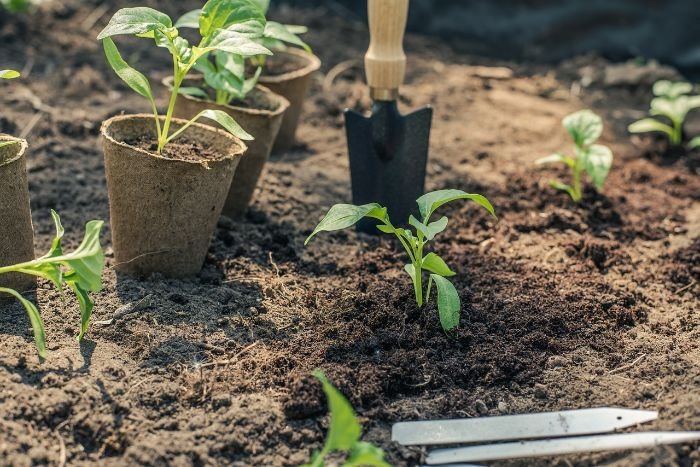
- Year 3 – Grow fruiting crops (e.g., tomatoes, peppers) that need different nutrients.
- Year 4 – Finish with root crops (e.g., carrots, beets) to aerate the soil.
Using raised beds or containers can make crop rotation easier in small spaces. Keeping a garden log or map helps plan better. This way, your garden will be healthier and more fun to tend.
Steps to Implementing a Crop Rotation Plan
Starting a crop rotation plan is key to a bountiful garden and healthy soil. First, analyze your garden layout and make a planting schedule. These steps help use space well and grow a variety of crops.
Analyzing Garden Layout and Planting Space
Knowing your garden’s layout is vital for crop rotation. By mapping out your space, you can plan where to plant each crop. This includes considering sunlight, how easy it is to reach, and the soil type. This way, you can place each crop where it will do best.
Creating a Crop Rotation Schedule
Creating a planting schedule is the next step. It outlines when to plant each crop. A good rotation order is: legumes, leafy greens, fruiting crops, and root crops. This order helps the soil stay balanced and boosts garden productivity.
Adapting Crop Rotation to Garden Size and Climate
Small gardens need smart crop rotation to make the most of space. This approach helps crops grow well and keeps the soil healthy. It’s also important to think about the climate when planning.
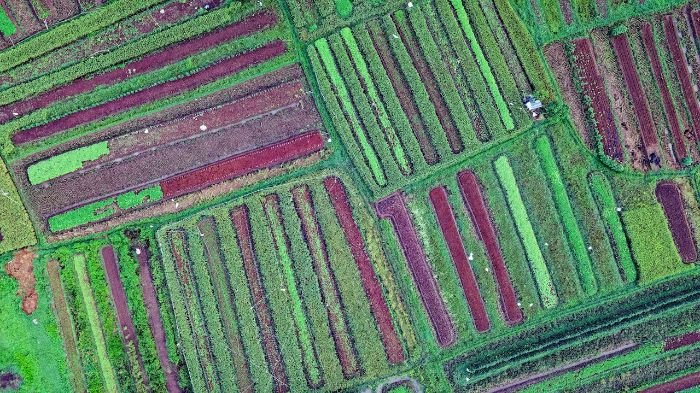
Crop Rotation Tips for Small Gardens
Small gardens need careful planning to get the most yield. Here are some tips:
- Choose crops from different families to improve soil health. For example, broccoli, beans, and peppers.
- Use cover crops like annual ryegrass and oilseed radish to improve soil.
- Legumes like crimson clover or hairy vetch help add nitrogen to the soil.
- Rotate crops every three to five years to keep the soil rich and plants strong.
Adjusting Crop Rotation for Seasonal Climates
Seasons change how crops grow, so being flexible is key. Here are some strategies:
- Watch the local weather to know the best times to plant and harvest.
- Combine cover crops with small grains to stop erosion and boost soil carbon.
- Start with nitrogen-fixing legumes before planting heavy feeders to make nutrients available.
- Plan rotations around local crops to avoid growing the same thing too often. This helps the soil’s ecosystem.
Common Crop Rotation Strategies
Crop rotation is key to keeping soil healthy and farms productive. It helps manage crop diversity and nutrients. Understanding crop cycles is vital for effective planning.
Three-Year and Four-Year Rotation Plans
Three-year and four-year plans help manage soil and crops. They use crops like maize, beans, and wheat over eight years. Each crop helps restore nutrients and balance soil fertility.
In a three-year plan, different crops boost yields. This reduces the need for synthetic fertilizers.
- Enhances soil structure by reducing compaction.
- Supports optimal conditions for plant growth.
- Encourages the use of leguminous plants to enrich nitrogen content.
Cover Crops and Their Role in Rotation
Cover crops such as clover and rye not only protect against erosion but also enrich the soil, making them ideal additions to any rotation plan. They also add organic matter, making soil more fertile.
Cover crops protect against nutrient loss and help during droughts. Their roots improve soil health, readying it for the next crop.
Challenges and Solutions in Crop Rotation
Starting a crop rotation can be tough, especially when space is limited. It’s key to manage crops well and balance nutrients. Knowing the challenges helps make adjustments for success.
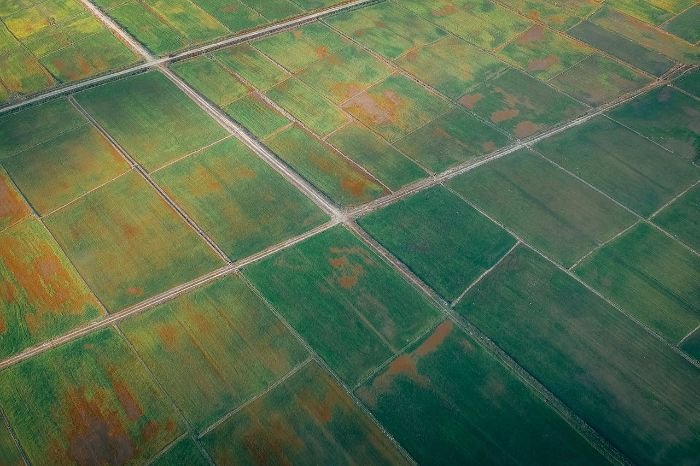
Managing Crop Rotation in Limited Space
Space issues make crop rotation hard. Vertical gardens and raised beds help use space better. Good planning is crucial.
- Container gardening makes the most of small areas.
- Intercropping boosts productivity.
- Compost and soil amendments improve soil in tight spots.
Despite the hurdles, creative solutions keep nutrients balanced. This leads to healthier plants and a greener garden.
Balancing Nutrient Needs and Crop Choice
Picking the right crops is essential for nutrient balance. It’s important to think about what plants need and how they grow. Here are some tips:
- Pair nitrogen-fixing crops like legumes with plants that need lots of nutrients.
- Check soil health often to pick the best crops.
- Use cover crops in off-seasons to improve soil.
Diverse crop rotations fight pests and diseases. They also keep soil healthy. With smart choices and strategies, overcoming crop rotation challenges is possible.
Sustainable Practices Beyond Crop Rotation
Using sustainable gardening practices makes your garden healthier. It also helps the environment. Companion planting and organic mulch are key to better soil and more crops.
Companion Planting for Enhanced Soil Health
Companion planting means placing different crops together for mutual benefits. It can fight pests, reduce soil fatigue, and increase crop yields. For example, tomatoes and basil together not only taste better but also keep pests away.
Using many different crops makes your garden stronger. It leads to a more diverse and resilient garden.
Integrating Organic Matter and Mulch
Organic mulch keeps soil moist, stops weeds, and improves its structure. Materials like straw, wood chips, or leaves add nutrients as they break down. These methods help your garden grow strong without synthetic fertilizers.
Monitoring Soil Health and Crop Success
Checking soil health often is key to good crop rotation management. Regular testing and understanding soil health guide your rotation choices, preventing the nutrient depletion that often arises in monoculture systems.
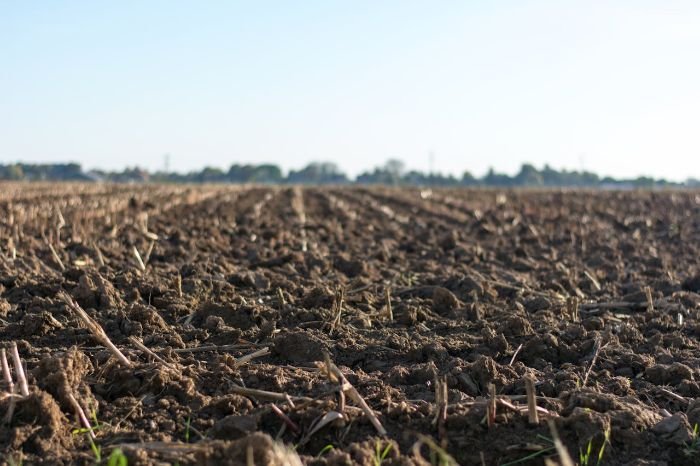
Good soil conditions help plants grow better. This means crops can reach their full potential.
Using Soil Testing to Guide Rotation Adjustments
Soil tests show how well nutrients are available. They improve by 20-30% with smart crop rotation. This is crucial for balanced soil health.
More organic matter means more microbes. These microbes help the soil hold water and nutrients better. This makes a strong base for crops to grow.
Assessing Crop Yield and Health Over Time
Checking crop yield and health regularly is important. Crop rotation can boost yields by up to 25% over single crops. This shows how good planning leads to better farming.
This method also helps keep soil healthy. It makes farming more reliable and helps meet food needs.
FAQ
What is crop rotation, and how does it benefit agriculture?
Crop rotation means planting different crops in the same spot each season. It makes the soil healthier and adds nutrients. This reduces the need for harmful chemicals, making farming better for the environment.
How does crop rotation help in replenishing soil nutrients?
Crop rotation, like planting legumes, adds nitrogen to the soil naturally. This cuts down on the need for synthetic fertilizers. It helps keep the soil healthy and supports sustainable farming.
Can crop rotation effectively break the cycle of pests?
Yes, it can. Rotating crops makes it hard for pests to find their favorite plants. This method helps control pests without using chemicals.
What are the best practices for managing crop families in rotation?
Grouping crops by family and nutrient needs is key. For example, switching between legumes and cereals keeps the soil balanced. This helps the garden stay healthy.
How can gardeners maximize limited space for crop rotation?
Use vertical gardens and raised beds to make the most of small spaces. Techniques like intercropping and companion planting also boost productivity and soil health.
What are effective strategies for long-term crop rotation plans?
Plans that last three or four years work well. For example, a three-year cycle might be corn, beans, and wheat. This meets different nutrient needs.
How does companion planting complement crop rotation?
Companion planting pairs crops for better soil health and pest control. For instance, tomatoes and basil together help each other grow. They also support biodiversity.
What role does soil testing play in crop rotation adjustments?
Soil testing shows nutrient levels and pH. It helps farmers choose the right crops and amendments. This keeps the soil in top shape.