
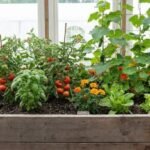
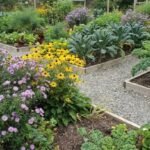
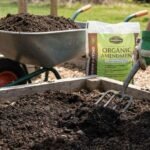

Ever wondered why some garden beds do well while others don’t? It might be because of companion planting. This old trick helps plants work together. It makes soil better, keeps pests away, and boosts your harvest.
In this article, we’ll explore how this method can help your garden. We’ll also talk about picking the best friends for your root veggies.
Key Takeaways
- Companion planting enhances soil health by mixing plants with different root structures.
- Using companion plants can lead to improved yields and reduced pest issues.
- Choosing the right plant combinations is crucial for successful vegetable gardening.
- Some plant pairings can actually inhibit growth, making selection important.
- Aromatic herbs like basil can significantly repel various pests in root vegetable crops.
- Diverse planting strategies can improve overall garden health and resilience.
Table of Contents
Benefits of Companion Planting for Root Vegetables
Companion planting makes gardening better for root vegetables. It improves soil health and controls pests. Knowing these benefits helps gardeners choose the right plants to grow together.
Improved Soil Health and Nutrient Sharing
Planting the right plants together makes soil healthier. Carrots and radishes, for example, help by pulling nutrients from deep in the soil. This makes the soil better for all plants.
These plants also help by breaking up compacted soil. This is good for all plants because it makes the soil easier to breathe. Plus, it makes sure plants get the nutrients they need to grow strong.
Companion planting also saves space. Plants like spinach grow fast and can be planted with slower-growing ones. This makes the most of the space and helps plants share nutrients.
Natural Pest Deterrence
Companion planting helps keep pests away naturally. Some aromatic companion plants with pest‑repelling scents make pests steer clear of adjacent crops. Others attract good bugs that eat pests.
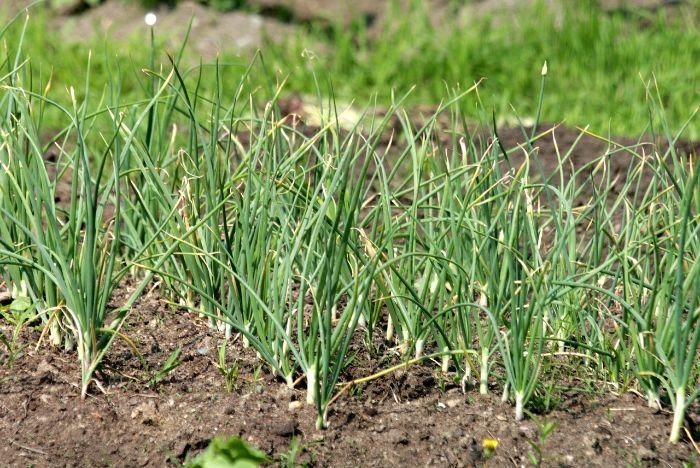
For example, garlic and onions keep carrot flies away when planted with carrots. Trap cropping also helps by drawing pests away from main crops. This reduces the chance of pests harming your plants.
Using companion plants can lower pest numbers. This makes gardening safer and more eco-friendly. It means you don’t have to use harmful chemicals as much.
Top Companion Plants for Root Vegetables
Companion planting is a great way to help root vegetables grow better. Using herbs and vegetables together can make your garden flourish. This section will show you the best plants to pair with root crops for a healthy garden.
Herbs That Support Root Growth
Herbs do more than just add flavor to your dishes. They also help root vegetables grow strong and keep pests away. Here are some top herbs for a healthy garden:
- Borage – Repels tomato hornworms and attracts good bugs.
- Chamomile – Hides the smell of carrots from pests.
- Thyme – Confuses pests with its strong smell, protecting your veggies.
- Marigolds – Bright flowers that keep aphids away and boost nearby plants.
Vegetables That Pair Well with Root Crops
Pairing vegetables wisely can save space and resources. Here are some great matches for root crops:
- Beans – Add nitrogen to the soil, helping root veggies grow.
- Corn – Supports climbing beans and is a good neighbor for many root crops.
- Onions – Team up with carrots to keep pests away.
- Spinach – Grows fast and doesn’t compete with slower-growing plants.
Flowers That Protect Root Vegetables
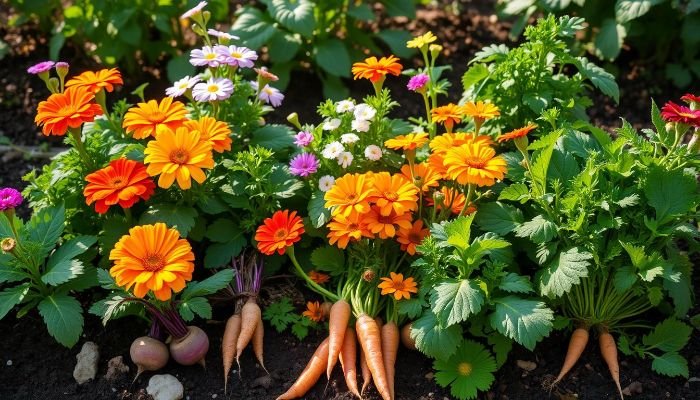
Adding protective flowers to your garden is great for root vegetables. These flowers make your garden look beautiful and help plants grow well. They also attract good bugs and keep pests away, helping your root crops grow strong.
Nasturtiums
Companion flowers such as nasturtiums are colorful multitaskers that lure pests away from valuable root vegetables. They pull aphids away from other plants, protecting them. This makes nasturtiums key in keeping your garden healthy and your root vegetables growing well.
Calendula
Calendula is also a good choice for your garden. Its bright flowers attract good bugs and eat pests. It even draws aphids away from plants like runner beans and French beans. This flower helps make a balanced garden that supports root vegetables.
Plants to Avoid Near Root Vegetables
Companion planting is good for root vegetables, but some combos can harm them. Knowing which plants to avoid is key for a healthy garden. This part talks about plants that don’t get along with root crops, leading to poor growth.
Incompatible Vegetables
Some veggies don’t mix well with root vegetables, and avoiding these common companion‑planting mistakes is essential for healthy harvests. Here are some examples:
- Onions – They release allicin, which hurts the good bacteria beans need. This can slow down bean growth.
- Tomatoes and Potatoes – They both attract the same pests and diseases. Growing them together makes these problems worse.
- Cucumbers and Squash – They eat a lot of nutrients. This can make the soil poor for other plants.
- Lettuce and Celery – They attract aphids and whiteflies. This can harm lettuce crops.
- Carrots and Parsnips – They belong to the same family. This makes them both vulnerable to carrot root flies.
Aggressive Herbs
Some herbs can take over your garden if not kept in check. Knowing which ones are aggressive is important:
- Mint – It can take over and hide other plants if not kept in a pot.
- Fennel – It can stop tomatoes and eggplants from growing when planted close.
- Garlic – It releases sulfur that can slow down peas and beans. This is because it takes up too many nutrients.
- Potatoes and Zucchini – They need a lot of nutrients. Without enough phosphorus and potassium, potatoes may not grow well.
Tips for Successful Companion Planting with Root Vegetables
To get the most from companion planting, knowing the best spacing and garden layout is key. These companion planting tips help different plants live together well. This makes your garden both productive and lively.
By arranging plants right, they don’t fight for sunlight and water. This helps your root vegetables grow strong and healthy.
Optimal Spacing and Garden Layout
Spacing is very important for growing root vegetables. Here are some important points:
- Carrots do best in well-drained soil with full sun.
- Beets need lots of sunlight and enough space for their roots.
- Turnips like full sun but can handle some shade, making them easy to place in the garden.
- Thinning seedlings helps prevent overcrowding. It lets plants get more nutrients and light.
Soil Enrichment Techniques
Improving soil quality is also key in companion planting. Here are some ways to do it:
- Adding compost makes nutrients more available and helps roots grow.
- Green‑manure cover crops improve soil by adding biomass when they’re turned into the soil.
- Practising thoughtful crop rotation brings in different nutrients over time. This keeps the soil healthy and fights pests.
Using these methods boosts root vegetable growth and garden health. A well-thought-out garden layout and good soil care create a great place for growing root vegetables.
Seasonal Guide for Planting Root Vegetables and Companions
Knowing when to plant root vegetables and their friends is key. This guide helps you plan your garden for the best results. It shows how to plant at the right time for each season.
Cool-Season Companions
In spring and fall, cool-season friends grow well with root veggies. Carrots, beets, and radishes love cooler soil. They’re great for planting early.
Pair them with:
- Lettuce
- Peas
- Spinach
- Onions
These pairs help each plant grow strong without fighting for the same food. Planting them early means a big harvest before summer gets hot.
Warm-Season Companions
When it gets warmer, warm-season crops are perfect for root veggies. In late spring and summer, pair potatoes and sweet potatoes with:
- Tomatoes
- Peppers
- Beans
- Corn
These plants grow well in the heat. They use the soil’s nutrients well. Using this guide, you can keep your garden full of fresh veggies all season.
Conclusion
Companion planting is a great way to make your garden better. It helps root vegetables grow well by pairing them with the right plants. This method makes your garden healthy and full of life.
By choosing the right plants to grow together, you can get more food from your garden. This way, your garden becomes a place where you can grow lots of food. It also makes your garden a better place for both you and the plants.
Using companion planting for a long time has many benefits. It makes your garden more sustainable and supports many plants. This helps your garden grow well and supports food security.
FAQ
How does companion planting benefit root vegetables?
It makes the soil better for root vegetables. Plants share nutrients through their roots. It also keeps pests away naturally.
Which herbs are best for supporting root vegetable growth?
Dill, mint, and thyme are great for root vegetables. They help them grow strong. They also attract good bugs and keep pests away.
Are there any vegetables that should not be planted with root crops?
Yes, onions can slow down bean growth. Tomatoes can harm cabbage. Knowing which plants don’t get along is key.
How can I structure my garden for successful companion planting?
Plant things far enough apart and mix different plants together. Put tall plants in the back to shade others. Adding compost helps roots grow strong.
What should I know about planting seasonal companions with root vegetables?
Choose plants that grow well together at the right time. Lettuce and root vegetables grow well in spring. Tomatoes and other warm-season crops grow better when it’s warmer.
What are the benefits of diverse root systems in companion planting?
Different roots help the soil. They loosen it, make nutrients easier to get, and support plant growth.