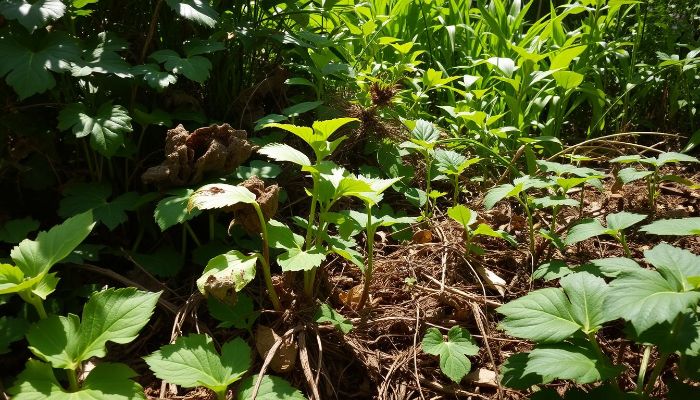





Companion planting has been practiced for thousands of years, particularly by Indigenous peoples in North America. While some modern growers prefer industrial methods, companion planting remains crucial for sustainable agriculture and restoring soil biodiversity.
Understanding plant interactions is critical as we face soil degradation, increasing pest pressure, and declining biodiversity. The traditional Three Sisters method, growing maize, beans, and squash together, demonstrates effective natural collaboration: beans enrich the soil with nitrogen, maize provides structural support, and squash suppresses weeds and conserves soil moisture.
Modern researchers are investigating how integrating traditional companion planting techniques with contemporary agricultural practices can improve soil health, pest management, and crop yields.
Key Takeaways
- Total global cropland covers approximately 1.5 billion hectares.
- Monoculture practices contribute to declining soil health, increased pests, and reduced biodiversity.
- The Three Sisters planting technique effectively utilizes maize, beans, and squash for mutual benefits.
- Clover and legumes in companion planting enhance nitrogen content in the soil.
- Marigolds, especially Mexican marigolds, are known to inhibit aphid reproduction.
- Shade-grown coffee practices demonstrate the ecological advantages of companion planting.
Table of Contents
Understanding Plant Interactions
Investigating plant interactions reveals fundamental mechanisms that support ecosystem stability and agricultural productivity. Two key processes, allelopathy and symbiosis—enable plants to influence each other’s growth, protect against pests, and optimize resource sharing.
Allelopathy and Chemical Interactions
Allelopathy describes the process by which plants release chemical compounds that can inhibit or stimulate the growth of neighboring plants. These natural chemicals can also help deter pests. For instance, marigolds emit compounds that suppress aphid populations and protect nearby crops.
In agricultural systems, understanding allelopathic effects can aid in natural weed control and crop protection strategies. Selecting plants with beneficial chemical interactions can reduce dependency on synthetic herbicides and pesticides.
Symbiotic Relationships in Plants
Symbiotic relationships occur when plants and microorganisms cooperate for mutual benefit. A well-known example is the association between legumes and nitrogen-fixing bacteria, which convert atmospheric nitrogen into forms that plants can absorb. This process enriches the soil and supports healthier plant growth.
Traditional methods such as the Three Sisters illustrate how complementary plant relationships can improve soil structure, nutrient cycling, and overall crop resilience. Growing corn, beans, and squash together creates a supportive environment where each plant enhances the others’ growth and resource use.
Nutrient Cycling and Soil Health
Nutrient cycling is fundamental for maintaining soil fertility and supporting sustainable plant growth. It ensures that essential nutrients are continuously recycled within the ecosystem, reducing the need for external inputs and enhancing the long-term health of gardens and agricultural systems.
Leguminous plants play a crucial role in enriching soil by fixing atmospheric nitrogen into bioavailable forms. Through their symbiosis with nitrogen-fixing bacteria, legumes naturally improve soil fertility, reducing the need for chemical fertilizers and supporting vigorous plant development.
Nitrogen Fixation and Nutrient Sharing
Legumes such as peas and beans contribute significantly to soil nitrogen levels, promoting healthier and more productive gardens. The addition of well-aged compost further enhances soil structure and microbial activity, creating an optimal environment for plant growth. It is essential to use mature compost to prevent the introduction of weed seeds or pathogens. Combining legumes with compost practices strengthens nutrient cycling and soil resilience.
Root Structure and Soil Balance
Variations in root structure among plant species play a critical role in maintaining soil health. Deep-rooted crops such as tomatoes access nutrients from lower soil layers, while shallow-rooted plants like lettuce protect and aerate the upper soil horizons. A diverse root profile improves soil moisture retention, temperature regulation, and nutrient distribution. Incorporating compost and cover crops further enhances soil richness, supporting robust plant communities and sustainable productivity.
Pest and Disease Control Mechanisms
Integrated pest management in gardens can be significantly enhanced through companion planting and trap cropping. These approaches leverage the natural chemical and physical properties of plants to deter pests and safeguard crops. Applying science-based techniques enables gardeners to reduce reliance on chemical pesticides while fostering resilient, biodiverse ecosystems.
Volatile Organic Compounds (VOCs) and Pest Repulsion
Certain plants emit volatile organic compounds (VOCs) that naturally repel herbivorous insects such as mites and aphids. Strategically planting aromatic species like garlic, basil, and rosemary near susceptible crops can reduce pest populations and minimize damage. By incorporating VOC-emitting plants, gardeners decrease the need for synthetic pesticides and contribute to a more balanced and sustainable ecosystem.
Decoy and Trap Cropping Explained
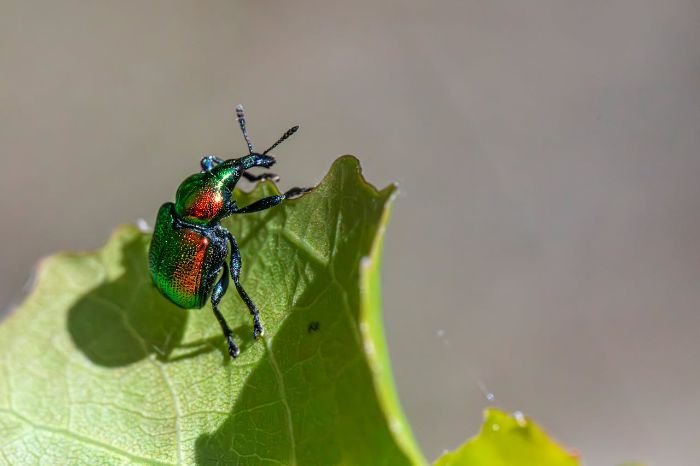
Trap cropping involves the deliberate planting of decoy species to attract and divert pests away from primary crops. Notable examples include the use of alfalfa in California to draw Lygus bugs away from cotton, and snap beans to manage Mexican bean beetles in soybean fields. This method has been practiced for over half a century, with successful implementations in regions such as Belarus, where early-planted potato crops protect main harvests from Colorado potato beetles. Although outcomes can vary depending on local conditions, trap cropping remains an effective strategy for enhancing biodiversity and reducing pest-related losses.
Pollinator and Beneficial Insect Attraction
Attracting pollinators through thoughtful garden design supports biodiversity and strengthens crop production. Companion plants play a vital role by drawing beneficial insects that contribute directly to successful harvests.
Species such as marigolds and zinnias attract butterflies, bees, and other pollinators, improving both crop yields and overall garden health.
How Companion Plants Attract Pollinators
Certain plants serve as strong attractants for pollinators, enhancing garden vitality. Sunflowers, for instance, provide abundant pollen and nectar for bees and other beneficial insects.
Pollinators such as bees and butterflies directly contribute to improved crop development. Companion plants like cosmos and nasturtiums attract hummingbirds and butterflies, further enhancing pollination rates and garden productivity.
Enhancing Habitat for Beneficial Insects
A variety of plant species is necessary to establish habitats that support beneficial insects. Nasturtiums, for example, deter pests from beans and tomatoes while providing nectar for predatory insects such as ladybugs and lacewings.
Predatory insects naturally regulate pest populations, reducing the need for chemical intervention. Structures like brush piles and hedgerows offer essential shelter and breeding areas, further supporting biodiversity within the garden.
Microclimate and Shade Benefits
Establishing a favorable microclimate within the garden improves plant health and growth consistency. Gardeners can apply various strategies to regulate temperature, humidity, and sunlight exposure. Tall plants, for instance, provide natural shade that benefits more sensitive, shade-tolerant crops.
Modifying Temperature and Humidity for Plant Health
Microclimates significantly influence plant development and resilience. Structures such as walls and fences create warmer microenvironments that benefit temperature-sensitive crops. Additionally, techniques like using water-filled plastic bottles act as passive heat sources, maintaining favorable temperatures during cooler nights.
Cool-season crops such as lettuce and spinach thrive under partial shade provided by taller plants, which protects them from excessive heat and prolongs their productive period.
Wind Protection and Sunlight Regulation
Strong winds can damage delicate plants and disrupt garden microclimates. Implementing windbreaks such as shrubs, hedgerows, or netting structures provides essential protection. Thoughtful garden layout also regulates sunlight distribution, ensuring that all plants receive appropriate light levels for optimal growth.
Examples of Effective Companion Planting Pairs
Companion planting demonstrates numerous effective plant pairings that enhance garden productivity and ecosystem stability. These associations promote mutual support among crops, contributing to healthier and more balanced growing environments.
Scientific Evidence Supporting Common Pairings
Research supports the effectiveness of certain companion plant pairings. Tomatoes and basil, for example, grow more vigorously together, with basil helping to deter pests and potentially enhancing the flavor profile of tomatoes.
Legumes such as beans and peas improve soil fertility through nitrogen fixation, enriching the environment for neighboring plants. Sunflowers provide structural support and partial shade for crops like cucumbers, enhancing their growth conditions.
- Garlic repels aphids and helps protect neighboring crops.
- Nasturtiums serve as a natural barrier against caterpillars attacking brassicas.
- Borage enhances strawberry flavor and attracts beneficial pollinators.
- Mint deters aphids and flea beetles, providing additional pest management.
Evaluating the Compatibility of New Plant Pairings
Testing new plant combinations requires close observation and assessment of growth patterns and resource needs. Herbs such as dill and sage can attract beneficial insects that contribute to natural pest control.
Experimenting with combinations such as lavender and tomatoes provides valuable insights into companion planting dynamics, leading to more resilient and productive gardens.
Systematic experimentation and record-keeping enable gardeners to identify the most effective companion pairings, improving garden outcomes and advancing collective horticultural knowledge.
Implementing Science-Backed Companion Planting
Implementing effective companion planting requires deliberate planning and thoughtful garden design. Factors such as plant height, light requirements, and potential pest interactions must be considered to optimize space utilization and promote robust garden health and productivity.
Applying research-based agricultural practices, such as regular soil testing and the integration of cover crops like oats and buckwheat, is critical for maintaining soil vitality and promoting long-term sustainability in companion planting systems.
Tips for Designing a Research-Based Companion Garden
Companion planting strategies should be grounded in scientific research to dispel common misconceptions. For example, not all herbs effectively repel pests, and their protective properties can vary significantly depending on species and environmental conditions.
Employing scientifically validated methods, such as using marigolds for insect repulsion and implementing trap cropping strategies, leads to more resilient and productive gardens. A solid understanding of plant science empowers gardeners to make informed decisions and optimize garden performance.
Common Myths Versus Proven Science
Understanding the scientific basis of companion planting practices is crucial for achieving reliable results. Contrary to popular myths, not all plants repel pests or enhance soil quality. Proven pairings, such as garlic with vegetable crops and the use of living mulches for natural weed suppression, consistently demonstrate measurable benefits.
By sticking to proven gardening practices and always learning, gardeners can succeed. This approach helps create a thriving garden ecosystem.
For a deeper understanding of the scientific principles behind companion planting, refer to the publication by the National Center for Appropriate Technology: Companion Planting & Botanical Pesticides: Concepts & Resources.
FAQ
What is companion planting?
Companion planting is an agricultural technique where specific plants are grown together to enhance mutual growth, optimize resource use, deter pests, and improve soil health. This method supports more resilient and productive ecosystems by leveraging natural plant interactions.
How does allelopathy influence companion planting?
Allelopathy refers to the chemical interactions between plants, where certain species release compounds that inhibit the growth of competitors or deter pests. For example, marigolds emit allelochemicals that suppress aphid populations and protect neighboring crops.
What are symbiotic relationships in companion planting?
Symbiotic relationships involve mutual cooperation between plants and microorganisms. A classic example is legumes partnering with nitrogen-fixing bacteria to convert atmospheric nitrogen into bioavailable forms, thereby improving soil fertility and supporting plant growth.
Why is nutrient cycling critical for companion planting success?
Nutrient cycling ensures the continuous availability of essential elements within the soil ecosystem. Plants such as peas fix nitrogen, enriching the soil for neighboring crops and promoting sustainable, low-input gardening systems.
How do volatile organic compounds (VOCs) contribute to natural pest control?
Volatile organic compounds (VOCs) released by certain plants act as natural pest repellents. Species like garlic and aromatic herbs produce VOCs that deter herbivorous insects, reducing the reliance on synthetic pesticides and supporting healthier garden ecosystems.
What is trap cropping and how does it improve pest management?
Trap cropping involves strategically planting decoy species to attract pests away from primary crops. By concentrating pest pressure on less critical plants, gardeners can protect valuable crops and reduce the need for chemical interventions.
How do companion plants support pollinator activity and crop yields?
Flowering companion plants such as sunflowers, cosmos, and nasturtiums attract pollinators like bees, butterflies, and hummingbirds. Increased pollinator presence enhances crop fertilization rates, leading to higher yields and stronger plant health.
What role does microclimate modification play in companion planting?
Companion planting modifies local microclimates by regulating temperature, humidity, and sunlight exposure. For instance, tall crops such as corn provide shade for sensitive plants like lettuce, protecting them from heat stress and extending their growing season.
What are proven examples of effective companion planting pairs?
Proven companion plant pairs include tomatoes with basil (for pest deterrence and flavor enhancement), beans with corn (for nitrogen fixation and support), and nasturtiums with brassicas (for caterpillar deterrence).