

Ever thought a small change could make your fruit trees healthier and more fruitful? Companion planting is a big deal in organic gardening. It makes fruit tree guilds where different plants work together well. This not only makes more fruit but also keeps pests away and brings in helpful bugs.
In this article, we’ll look at how fruit trees and their friends can change your garden. Whether you’re a pro or new to growing fruit trees, knowing about companion planting will make your harvest better.
Key Takeaways
- Companion planting makes fruit trees healthier by creating a diverse ecosystem.
- Adding beneficial plants can keep pests away and bring in important pollinators.
- Fruit tree guilds can make yields 10%-20% better in permaculture studies.
- Nitrogen-fixing plants can make soil richer by adding 20%-30% more nitrogen.
- Picking the right friends can help manage pests and prevent diseases naturally.
- Using plants that suppress weeds can help trees grow stronger and healthier.
- Knowing how to space and zone plants is key for good companion planting.
Table of Contents
Benefits of Companion Planting for Fruit Trees
Companion planting is key for growing fruit trees. It boosts tree health and fruit production. It also helps manage pests and diseases naturally.
Enhancing Tree Health and Fruit Production
Plants like geraniums and lavender help trees by keeping pests away and attracting pollinators. Geraniums, for example, keep off earworms and Japanese beetles. This lets ladybugs and bees thrive, boosting fruit production.
Chamomile makes trees stronger with its antibacterial and antifungal powers. It also draws in pollinators. Legumes like lupines add 15-25% more nitrogen to the soil, feeding trees.
Comfrey’s deep roots pull nutrients from the soil, cutting weed competition by half. This helps trees grow strong and produce more fruit.
Natural Pest and Disease Management
Companion planting makes pest control natural. Marigolds attract ladybugs and release compounds that fight nematodes, showcasing how companion plants as natural pest repellents can significantly reduce nematode numbers by 70%.
Nasturtiums help lower codling moth numbers by 30%. This is a natural way to fight pests. The mix of plants in an orchard makes trees more resistant to diseases.
Plants like hyssop and fennel reduce pest numbers. Hyssop lowers pests by 20%, and fennel’s wasps cut pest levels by nearly 40%. This balance keeps trees healthy without harmful chemicals.
Best Companion Plants for Apple Trees
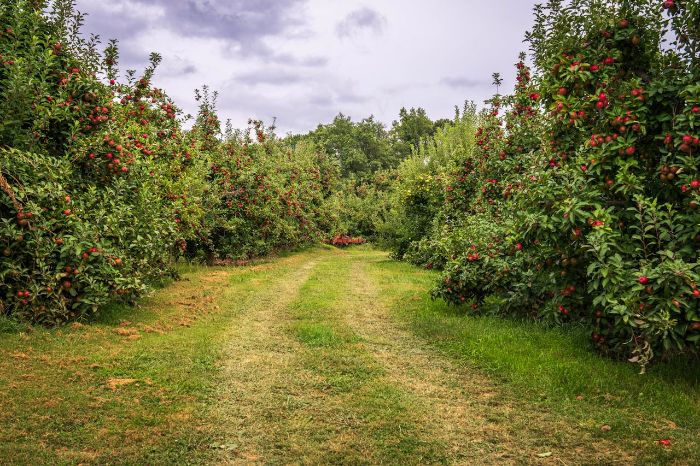
Choosing the right plants for apple trees makes them healthier and more productive. Mixing flowers, herbs, and ground covers around apple trees is key. This creates a rich environment that boosts pollination, soil health, and fights pests. Here are some top picks for companion planting.
Flowers and Herbs for Pest Control
Flowers attract beneficial insects that fight pests, as explained in flowers in companion planting. Here are some good choices:
- Coriander – Attracts beneficial insects such as tachinid flies and parasitoid wasps.
- Chamomile – Enhances nutrients in the soil and attracts hoverflies and honey bees.
- Basil – Repels pests while improving the flavor of apples.
- Chives – Deters apple scab, promoting overall orchard health.
- Dandelions – Provide early-season nectar for bees and improve soil structure.
Ground Covers to Improve Soil Health
Ground covers improve soil health and fight weeds. They also help pollinators. Here are some good options:
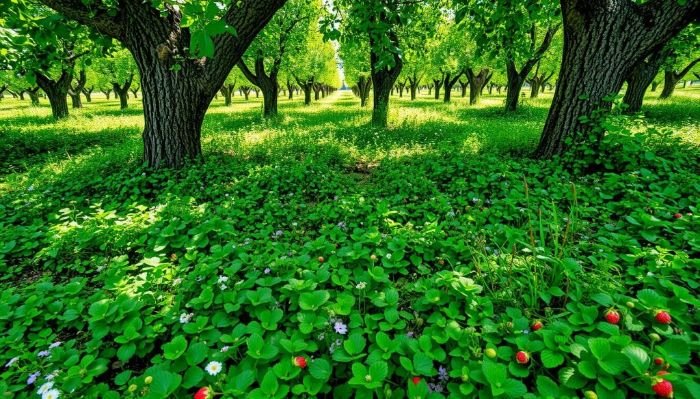
- Strawberries – Thrive in reduced sunlight and can attract pollinators.
- Yarrow – Deep roots enhance soil fertility and attract beneficial insects.
- Lemon balm – Stabilizes soil and attracts numerous beneficial insects.
- Mint – Confuses and repels pests while attracting bees.
Companion Plants for Citrus Trees
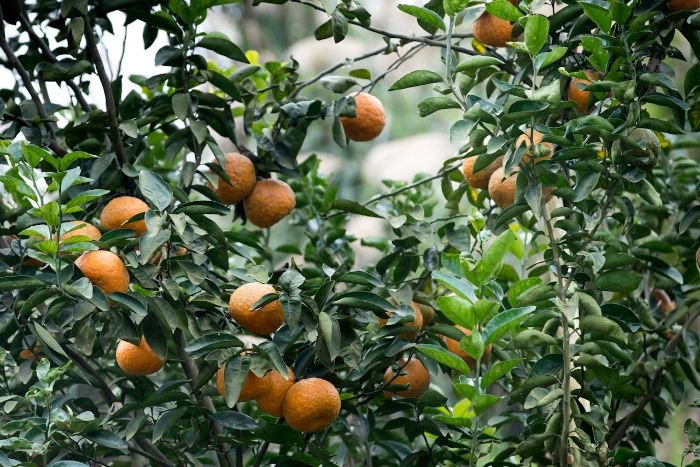
Citrus trees do well with the right plants around them, and they also thrive under the best soil conditions for growing citrus fruits to ensure optimal yields. This is thanks to the right companion plants.
Pollinator-Attracting Plants for Better Yields
Adding pollinator plants to citrus orchards boosts fruit production. Lavender and yarrow attract bees and butterflies. This means more fruit and a prettier garden.
These plants help citrus trees and support many insects. They make the garden lively and full of life.
Plants That Deter Common Citrus Pests
Using pest deterrents with citrus trees keeps them safe. Marigolds and petunias keep aphids and mealybugs away. This cuts down on harmful chemicals.
Herbs like dill help citrus trees grow. They also bring in good bugs that eat pests. This makes the garden healthier.
Underplanting for Stone Fruit Trees (Peach, Plum, Cherry)
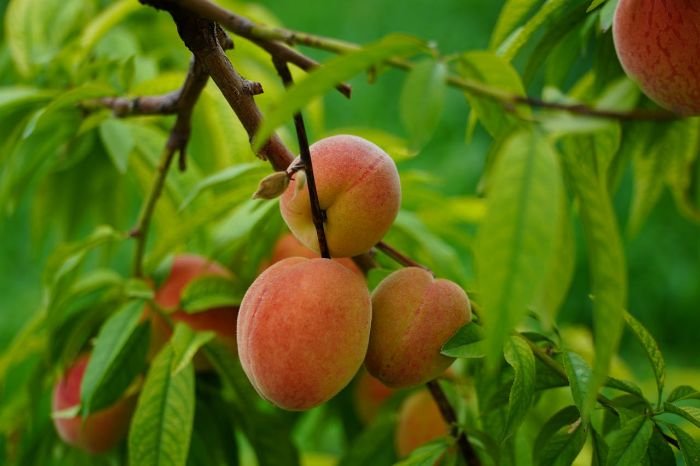
Using underplanting techniques with stone fruit trees can really help them grow better. It adds plants that help with nutrients and keep pests away. This makes the fruit trees produce more and better fruit.
Nitrogen-Fixing Plants to Enrich Soil
Nitrogen fixers are key to making the soil better for stone fruit trees. Plants like clover and lupins help add nitrogen to the soil. This is a big help because nitrogen is important for trees to grow.
These plants take nitrogen from the air and make it available for the trees. This can also save money on fertilizers in the long run.
- Clover – Provides ground cover and enriches soil with nitrogen.
- Lupins – Fix atmospheric nitrogen and thrive in various conditions.
- Comfrey – Acts as a nutrient accumulator, benefiting fruit trees.
Aromatic Herbs for Pest Prevention
Aromatic herbs can keep pests away from stone fruit trees, making the garden look nice and deterring unwanted insects. Herbs like basil, rosemary, and chives attract good bugs and keep away bad ones.
- Basil – Offers pest deterrence and supports pollination.
- Chives – Repels pests and attracts beneficial insects.
- Mint – While invasive, it provides excellent pest control benefits.
Ground Covers and Mulching Plants for Fruit Trees
Using ground cover plants and mulching plants around fruit trees helps the environment and farming. These methods keep the soil moist and fertile. This is key for growing plants without harming the earth.
Living Mulch to Retain Moisture and Suppress Weeds
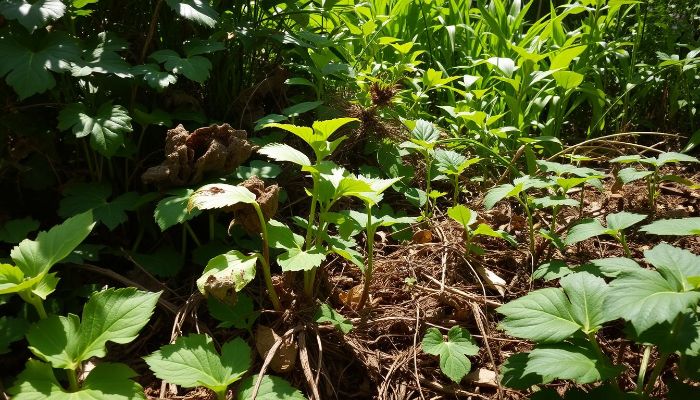
Living mulch acts like a blanket on the soil. It keeps moisture in and weeds out. Plants like sweet potatoes and Roman Chamomile are great for this. They grow fast and need little care.
Straw and shredded paper are also good for keeping the soil moist. Straw must be seedless to stop weeds. Shredded paper is cheap and stops weeds from growing.
Dynamic Accumulators to Improve Soil Fertility
Plants like clover and alfalfa help the soil around fruit trees. They pull nutrients from deep in the earth. As they break down, they make the soil better for trees.
Wood chips and compost work well together. Adding compost on top of wood mulch helps plants grow. But, watch out for too much nitrogen, which can harm young trees.
In short, using ground cover plants and mulching helps trees grow well. It makes the garden healthy and strong.
Attracting Pollinators to Fruit Tree Orchards
Creating a good home for pollinators is key to getting more fruit from orchards. Many fruit trees need bees, bats, and others to make seeds. Adding plants that pollinators like makes gardens look better and helps fruit grow.
Flowering Plants That Boost Pollination
Plant these flowers to draw in helpful pollinators:
- Cosmos
- Sunflowers
- Lavender
These flowers bloom when it matters most, giving pollinators food all season. This helps fruit trees get more pollinated, leading to bigger and more fruit.
Creating a Biodiverse Orchard Ecosystem
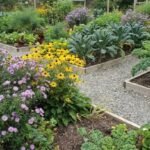
Having many different plants makes orchards strong and diverse. A mix of plants that bloom at different times keeps pollinators busy all year. This helps bees, which are key for pollination.
Here’s how to make your orchard diverse:
- Plant flowers that bloom from March to May, like Red Flowering Currant and Oregon Grape.
- Use herbs like Hyssop and Lavender between trees from May to August to keep pollinators coming.
- Add late bloomers like Aster and Goldenrod to help pollinators when other flowers fade.
Choosing the right plants for pollinators is part of sustainable gardening. It helps fruit trees grow well and gives good harvests.
Tips for Successful Companion Planting with Fruit Trees
Planting fruit trees with companions needs careful planning. It’s important to space trees and plants right. This stops plants from fighting for food and air.
Using taller plants to shade shorter ones helps everyone grow well. This creates a healthy space for all plants.
Proper Spacing and Layering Techniques
Getting the spacing right is key for a healthy orchard. For example, garlic and SpiceZee nectaplum didn’t grow well together. This shows we must think about each plant’s water needs.
Strawberries do well under Pink Lady apples, but don’t plant too many. Too many plants can hurt each other. It’s best to choose plants that grow well together.
Seasonal Maintenance for Long-Term Tree Health
Keeping trees healthy all year is crucial. Mulching keeps the soil moist and weeds away. It’s also important to check for pests and diseases often.
Planting a mix of plants can help fight off diseases, aligning with best practices for companion planting in perennial food gardens and potentially reducing disease problems by up to 30%. A good plan is key for a good harvest.
FAQ
What is companion planting for fruit trees?
Companion planting for fruit trees means placing certain plants around the trees. This creates a good ecosystem. It helps keep pests away, attracts pollinators, and makes the soil better. All these things help the trees grow more fruit and stay healthy.
What are the benefits of companion planting for fruit trees?
It makes the trees healthier and grow more fruit. Plants that fix nitrogen help a lot. Herbs that keep pests away are also good. Plus, it makes the whole area more diverse and healthy.
Which companion plants are recommended for apple trees?
For apple trees, use flowers like dandelions and nasturtiums to attract bees. Herbs like chives and oregano keep pests away. Strawberries are great for the soil and keep weeds down.
What companion plants benefit citrus trees?
Lavender and yarrow help citrus trees by attracting bees. Marigolds and rosemary keep pests like aphids away. This means better fruit and healthier trees.
How does underplanting work for stone fruit trees?
Underplanting adds plants like clover or beans to the soil. This makes it richer. Herbs like basil and rosemary keep pests away and make the soil even better.
What are the functions of ground covers and mulching plants around fruit trees?
Ground covers and mulching plants keep the soil moist and weed-free. They also make the soil better. Plants like comfrey and sweet potatoes help a lot.
How can I attract pollinators to my fruit tree orchard?
Plant flowers like cosmos, sunflowers, and lavender. A diverse orchard feeds pollinators all season. This means more fruit and better yields.
What are key tips for successful companion planting with fruit trees?
Make sure plants are not too close to avoid fighting for nutrients. Use layering to place plants well. Keep the area clean and check for pests to keep the trees healthy.