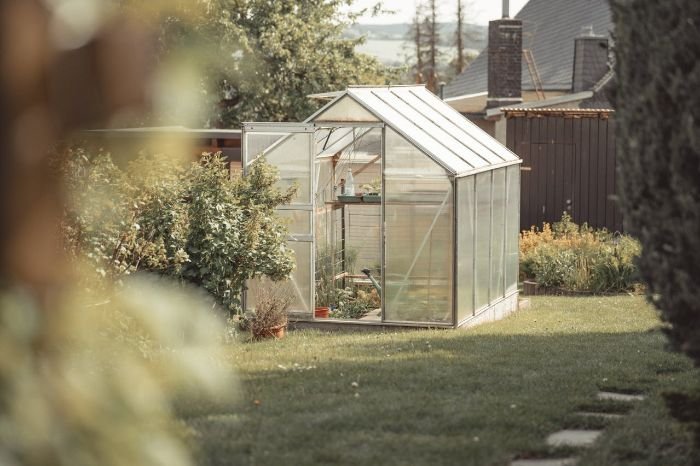
Ever thought about the perfect greenhouse for your garden? More people are getting into greenhouse gardening because of food security and climate change. Now, greenhouses are cheaper, stronger, and easier to get than before. They help grow plants longer and make seeds grow better.
When picking a greenhouse, think about space, money, and the plants you want. The right greenhouse can make your garden better and your harvest bigger. It’s all about finding the perfect fit for your garden dreams.
Key Takeaways
- Greenhouse gardening is becoming more popular due to concerns about food security.
- New materials have made greenhouses more affordable and durable.
- Greenhouses can protect crops from severe weather events linked to climate change.
- Different types of greenhouses cater to a variety of gardening needs and space constraints.
- Understanding greenhouse features, such as ventilation and temperature control, is crucial for plant health.
- Choosing a greenhouse that meets your specific goals can enhance your gardening success.
Table of Contents
Determining Your Greenhouse Goals
Setting clear greenhouse goals is key to picking the right one for your garden. Knowing if you want to garden all year or just in certain seasons matters. Also, thinking about the types of plants you want to grow helps choose the right greenhouse.
Year-Round Gardening vs. Seasonal Use
If you garden all year, you’ll need a greenhouse that keeps the temperature right. It should also let in air well. This lets you grow plants all year, no matter the weather outside.
But, if you garden only in certain seasons, you might not need such a fancy greenhouse. A simpler one might do the trick for you.
Growing Specific Plants or Expanding Variety
What you want to grow in your greenhouse also matters. If you focus on a few plants, a greenhouse made just for them can be very efficient. But, if you like trying new plants, a greenhouse that can handle many types is better.
Knowing what you want to grow helps you pick the right greenhouse. It’s all about what you need for your garden.
Considering Space Availability
Looking at the space you have is key when picking a greenhouse. The right size depends on where you live. Both small and large greenhouses have their own benefits.
Small Spaces – Mini and Portable Greenhouses
For those with little room, mini and portable greenhouses are perfect. They’re under 10 square feet. These small greenhouses are easy to move and fit in tight spots.
They’re great for small yards or balconies. Adding wall shelves helps use every inch. They work well for both new and seasoned gardeners.
Larger Spaces – Walk-In and Tunnel Greenhouses
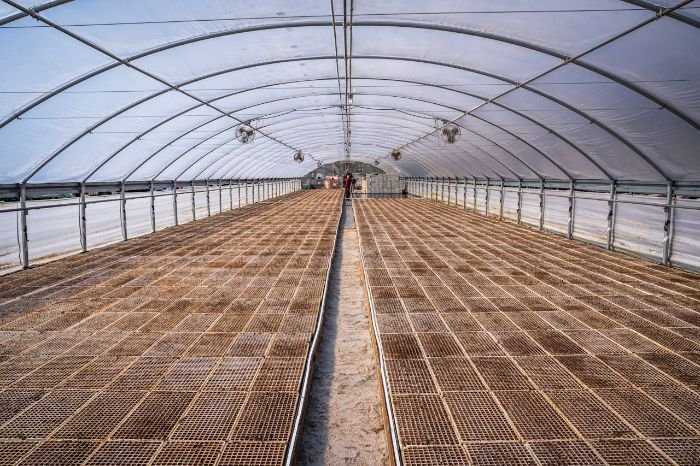
Big greenhouses let you grow more plants. They’re 12 to 20 feet long. This gives you more room for plants and gardening.
Planning how you lay out your greenhouse is important. It helps you use space well. Big greenhouses are good for serious gardeners and even businesses.
Budget-Friendly Greenhouse Options
Creating a garden on a budget doesn’t mean you have to give up quality. Affordable greenhouse options let anyone enjoy the benefits of gardening. DIY greenhouse kits are great for those who love to build things themselves. They let you make your greenhouse just the way you want it, without spending a lot.
DIY Greenhouse Kits
DIY greenhouse kits make it easy to build an affordable greenhouse. Plans from BuildEazy and HowToSpecialist are free and easy to follow. BuildEazy uses 2-by-4 inch wood studs, perfect for beginners.
HowToSpecialist’s plan lets you build a greenhouse in just a few weekends. This means most people can do it, even if they’re not experts.
Instructables shows how to use old windows for a greenhouse. This is a creative way to reuse materials and make your greenhouse look unique. Crafts a la Mode also has plans that use thrifted windows. This shows you can be creative with what you have.
Low-Cost Materials and Temporary Structures
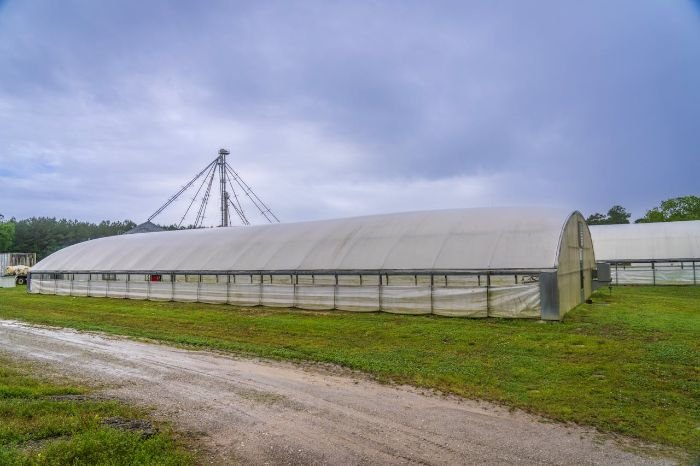
Looking for cheap materials to build a greenhouse can save you money. PVC Plans for arched greenhouses use PVC pipes, which are cheap but durable. A 6-foot by 8-foot size is a good choice for small gardens and is easy on the wallet.
Building a temporary greenhouse is very cheap. You can use old water hoses to hold up plastic sheeting. Also, watering plants regularly makes the greenhouse more humid. This helps plants grow better without spending a lot.
Building a budget-friendly greenhouse can be a challenge but also rewarding. With the right plans, you can have a successful garden without spending too much. Whether you use DIY kits or get creative with materials, you can garden on a budget.
Types of Greenhouse Structures
Knowing about different greenhouses is key to picking the right one for your garden. We’ll look at lean-to and freestanding greenhouses. Each has its own benefits, depending on your space and gardening style.
Lean-To Greenhouses – Ideal for Small Yards
Lean-to greenhouses are great for small spaces. They use your home’s walls, saving room. They’re perfect for growing plants in winter because they’re close to the warmth.
Many lean-to greenhouses, like the Solexx 8ft x 16ft Harvester Greenhouse, have long warranties. This makes them a good choice for those who want to garden sustainably. They’re perfect for city gardens where space is limited.
Freestanding Greenhouses – Flexibility and Size
Freestanding greenhouses can be placed anywhere. They come in all sizes, from small hobby greenhouses to big commercial ones. You can choose from Victorian styles for elegance or hoop houses for a simple, affordable start.
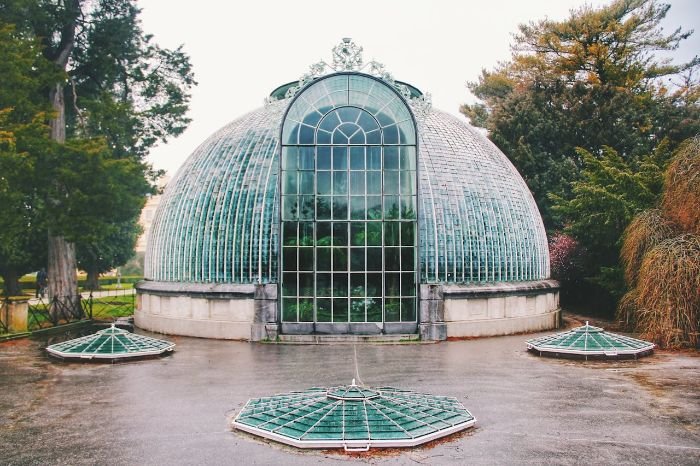
These greenhouses can be placed where they get the most sunlight and wind. This helps plants grow better. You can pick from materials like aluminum and polycarbonate, depending on what you need.
Choosing the Right Greenhouse Material
Choosing the right greenhouse material is key for plant growth and the structure’s life. Each material has its own benefits and drawbacks. They meet different gardening needs and environments.
Glass – Durability and Clarity
A glass greenhouse lets in lots of light, making it a favorite among gardeners. Glass panels are clear, letting in the most light for plants to grow. This light makes plants grow well, but cleaning and fixing breaks can be hard.
Despite this, glass is very durable. It can last for decades with the right care.
Polycarbonate and Plastic – Lightweight and Budget-Friendly
Polycarbonate is a great choice for greenhouses, next to glass. It’s light and lasts at least 10 years. Its panels spread light and block harmful UV rays, perfect for those who care about health.
Plastic greenhouses, like polyethylene, are also affordable. They let in enough light and can be made better with UV protection. This helps plants grow well without spending too much.
Greenhouse Features and Accessories
To make your plants thrive, knowing key greenhouse parts is important. Things like ventilation, temperature control, and shelving make your greenhouse better. Good accessories improve plant health and use space well.
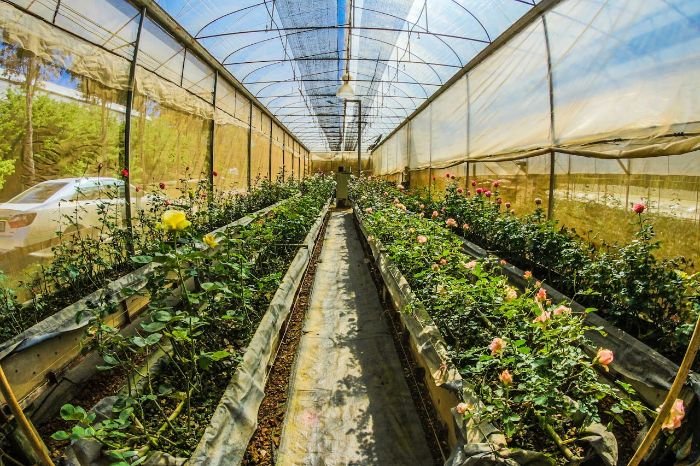
Ventilation Systems and Temperature Control
Good ventilation keeps the greenhouse cool and air fresh. It stops plants from getting too hot, especially in summer. You might want to get:
- Automatic vent openers for easy use
- Fans to move air and cut down humidity
- Shade cloths and sunblockers to control sunlight
Big greenhouses might need a computer system for heat and air control. This makes keeping the right conditions easier. A well-ventilated greenhouse keeps plants healthy and disease-free.
Shelving and Irrigation Options
Good shelving makes your greenhouse more space-efficient and organized. You can use freestanding benches for potting, made of wood or aluminum. They can be adjusted to fit different plants.
For watering, look at efficient systems like:
- Soil warming cables for better seed germination
- Automated drippers to avoid too much water
- Capillary matting for steady moisture
Choose irrigation based on what your plants need. Make sure it fits your greenhouse well. Adding these features and accessories will help your garden grow.
Tips for Setting Up Your Chosen Greenhouse
Setting up a greenhouse starts with picking the right spot. A south or southeast facing greenhouse gets the most sun. This is great for your plants.
Also, keep it away from strong winds to avoid damage. Good ventilation, like roof vents, helps keep it cool in summer.
Location Considerations for Sunlight and Wind
Choose a spot that gets lots of sun and has good air flow. Avoid places with too much shade from trees or buildings. This helps your plants grow well.
Using the sunniest spot can really help. It lets you plant in ways that fit each plant’s needs.
Preparing the Foundation and Soil for Planting
Getting your foundation and soil right is key. Use paving slabs or gravel to keep it dry and weed-free. This helps your plants grow strong.
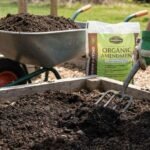
Make sure your soil is rich in nutrients. Add organic matter to make it better. Regular care keeps your greenhouse healthy and productive all year.
FAQ
What are the benefits of greenhouse gardening?
Greenhouse gardening has many perks. It boosts food security and helps plants adapt to climate change. You can also grow plants all year round.
Greenhouses protect plants from harsh weather and pests. This leads to healthier crops.
How do I determine if I need a greenhouse for year-round gardening or seasonal use?
For growing crops all year, you need a well-insulated and ventilated greenhouse. For seasonal gardening, a simpler greenhouse might do. It depends on your plants and climate.
What types of greenhouses are best for small spaces?
Mini and portable greenhouses are great for small gardens or tight spaces. They let you grow more without needing a lot of land.
How can I save money when purchasing a greenhouse?
Look into DIY greenhouse kits to save on labor. Using cheap materials like PVC or recycled items can also help. This makes gardening more affordable.
What are the differences between lean-to and freestanding greenhouses?
Lean-to greenhouses use existing walls, perfect for small spaces. Freestanding greenhouses offer more freedom and can be bigger. Each has its own benefits and drawbacks.
What materials are best for constructing a greenhouse?
Glass is top for its clearness and strength, letting in lots of light. Polycarbonate is cheaper and still insulates well. Pick based on your climate and gardening goals.
What should I consider when setting up my greenhouse?
Place your greenhouse where it gets lots of sun but is protected from wind. A solid base and fertile soil are key for success.