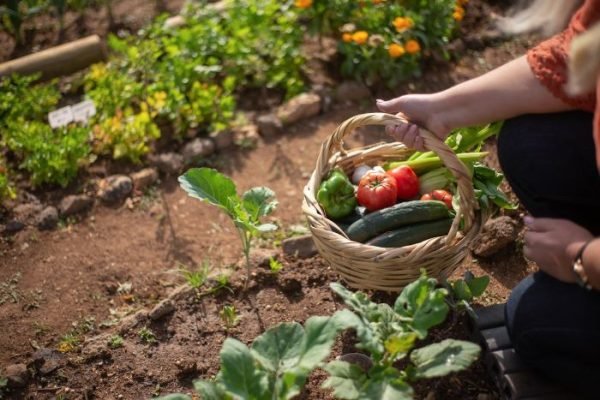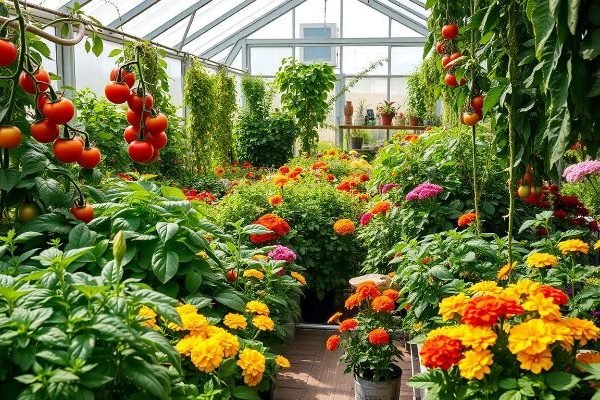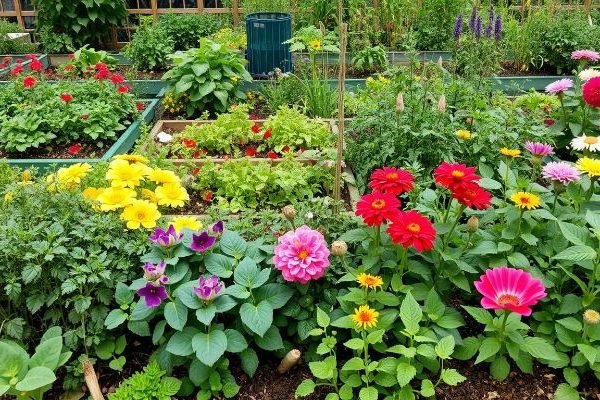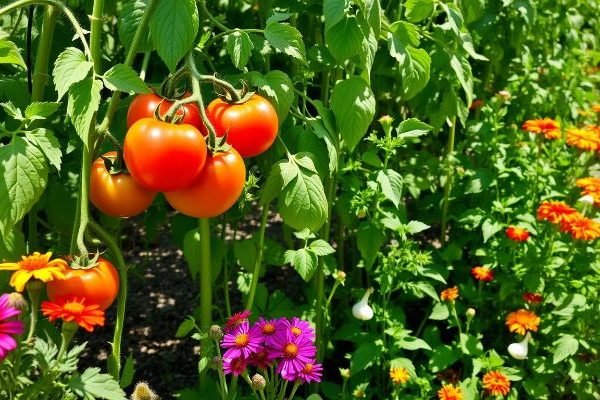





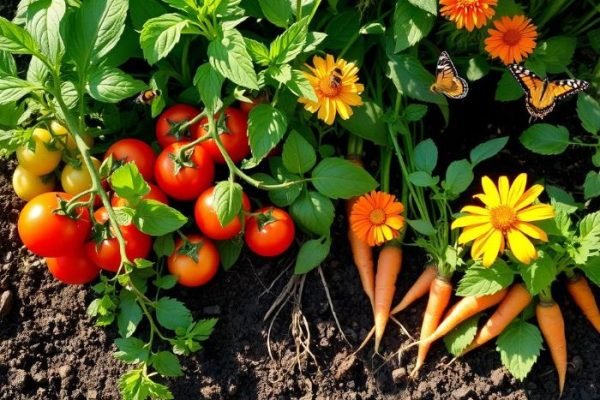
Tomatoes, carrots, and flowers growing together with butterflies, demonstrating the benefits of companion planting for a healthy garden ecosystem.

The Science Behind Companion Planting – How Plant Partnerships Boost Growth

Companion planting has been practiced for thousands of years, particularly by Indigenous peoples in North America. While some modern growers prefer industrial methods, companion planting remains crucial for sustainable agriculture and restoring soil biodiversity. Understanding plant interactions is critical as we face soil degradation, increasing pest pressure, and declining biodiversity. The traditional Three Sisters method,…

Read More
A vibrant garden with aromatic plants like lavender and marigolds growing alongside vegetables, attracting butterflies and promoting natural pest control.

How to Match Aromatic Plants in Companion Planting for Pest Control and Pollinators

Aromatic plants release volatile compounds that influence insect behavior. In companion planting, these natural emissions can reduce pest pressure while attracting beneficial insects that improve pollination and crop health. By understanding which plants produce specific scents and how these scents interact with local ecosystems, gardeners can design planting arrangements that improve yield without synthetic pesticides….

Read More
Tomato plants growing alongside colorful companion flowers in a vibrant garden, showcasing ideal companion planting for tomatoes.

Tomato Companion Plants for Productive and Balanced Garden Beds

Tomato plants thrive when grown alongside carefully selected companions that deter pests, improve soil fertility, and create a balanced microclimate. The right pairing can mean stronger growth, healthier foliage, and higher yields without relying solely on chemical inputs. Companion planting focuses on creating plant groupings where each species contributes to the overall productivity of the…

Read More