




Updated October 25, 2025
Revive heat stressed plants by cooling roots first and protecting live foliage that still shades stems. The goal is simple – stabilize today so fresh growth follows without losing more tissue.
Use a scratch test to confirm green cambium before you cut, and probe the soil with a screwdriver to feel whether the core is warm or dry. If a pot wall feels hot to the hand, slide containers away from bright walls and lift them on feet for airflow.
Give one thorough soak, let excess drain, and keep shade light and vented so heat can escape. Pause fertilizer until plants hold their posture through the afternoon, then ease supports in small steps. A clean, calm triage sets up real recovery and saves the plants you already own.
Key Takeaways
- Start shade and a deep soak within 24 hours
- Recheck progress every 2-3 days and ease shade gradually
- Avoid heavy pruning or fertilizer until new shoots appear
- Relocate containers away from radiant walls and pavement
- Hold soil moisture even, then let top layer dry
Table of Contents
Fast Triage To Revive Heat Stressed Plants
Heat shock is a same-day problem. Stabilize temperature and moisture first, confirm what is still alive, and stop actions that make damage spread. Think shade, root cooling, and one careful rehydration before any pruning or fertilizer.
Immediate cooling and hydration steps
Drop the heat load fast. Throw temporary shade over the canopy with a laundry rack, umbrella, or light cloth and move containers off pavement or away from south and west walls. Lift pots on feet so air moves under the base. Give one slow soak so water reaches the root zone; if mix sheds water, set the pot in a tub for a short bottom-watering and let it drain. Avoid icy water and overhead misting in full sun, which can scorch leaves. Leave light, damaged foliage in place for now because it still shades stems.
Quick diagnostics you can do on site
Confirm viability before cutting. Scratch the outer bark on a suspect stem; green tissue means it can rebound, brown and brittle means mark that section for removal later. Push a screwdriver or thin trowel into the soil; easy entry with cool, damp soil suggests moisture reached roots, while dry resistance calls for a second slow pass after a short wait. Check posture at dusk and the next morning; plants that lift overnight usually recover with care, while continued collapse signals deeper root injury.
How to revive a plant that got too hot?
Create temporary shade, cool the root zone, rehydrate slowly, and pause fertilizer or hard pruning until you see fresh growth. Trim only hanging, fully crispy pieces that rub against healthy tissue. Stake soft stems loosely and keep airflow around foliage so heat does not build again.
- Move off hot surfaces and away from reflective walls
- Rig light shade that vents heat, not a sealed cover
- Deliver one slow soak, then let excess drain fully
- Check cambium with a scratch test before any cuts
- Pause fertilizer and heavy pruning until new growth returns
- Recheck posture at dusk and the next morning
Stabilize first and let plants catch up overnight; once posture improves, you can plan a measured recovery without losing more tissue.
Tell Heat Stress From Drought Or Sun Scorch
Misreads waste time. Nail the cause first, then act. Accurate ID is half of plant heat stress recovery, and you can do it in minutes with leaf cues, a soil probe, and a quick pot check.
Leaf and stem signals
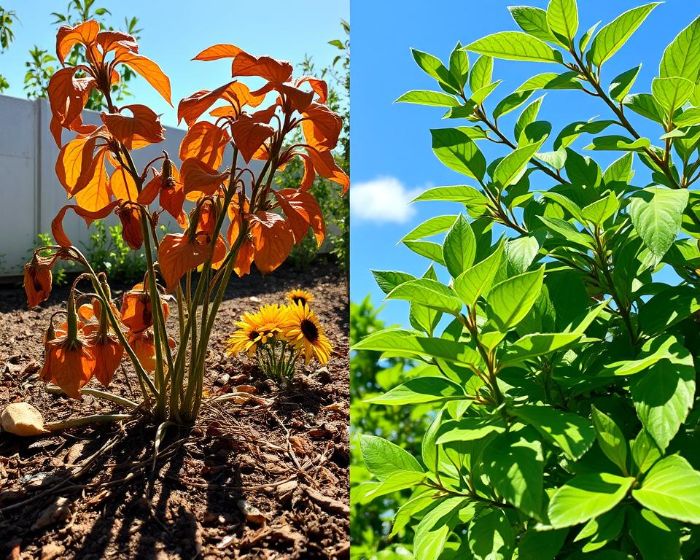
Start with texture and margins. Heat stress shows slack, warm leaves that droop midday yet feel pliable; edges may bronze later, but tissue is soft at first touch. Drought typically gives uniform limp foliage that feels cool and thready, then rebounds quickly after water. Sun scorch leaves crisp, pale patches with sharp borders on the sun side while shaded leaves stay normal. New shoots tell the truth: heat stress stalls tips without immediate necrosis, drought shrivels tips uniformly, and sun scorch marks the exposed face while veins can stay green.
Pro tip: if a leaf crumbles like paper when rolled between fingers, you are past scorch into dead tissue, so only removal will change the look.
Soil and pot clues
Read the root zone next. Slide a screwdriver or thin trowel 3-5 inches into the soil. If it glides in and the core feels warm rather than cool, roots likely overheated even if moisture is present. If the tool scrapes through dry, gritty soil with dust on the blade, drought is the driver.
On containers, lift one edge: very light weight plus cool foliage points to dryness, while normal weight with warm, slack leaves points to heat stress. Dark pots against hardscape run hottest; if the exterior is uncomfortable to hold for a slow count of three, treat it as a heat source, not a moisture problem. Hydrophobic mixes bead water on top and need a rewetting approach later, but note the diagnosis here and adjust in the recovery section.
In-ground vs container patterns
Pattern matters across sites. In-ground beds often show afternoon wilt that improves by dawn when heat, not thirst, is the main issue; drought wilt returns earlier each day and spreads from high spots first. Containers swing faster – a pot can look fine at noon and collapse by late afternoon if the mix or the pot wall overheats.
Plants near pale walls or pavers scorch on the exposure side only, while true drought presents evenly across the canopy. I walk problem areas at first light and again near day’s end; two passes confirm the pattern without chasing the wrong fix.
A clean diagnosis keeps you from watering a hot root ball or pruning a sunburn that will never green up. Once the cause is clear, move to the recovery cadence and tune actions to the real problem.
Recovery Plan For The Next 7-14 Days
Stabilized plants rebound best with a paced routine. Set a simple schedule, watch clear signals, and ease them back to sun and normal watering without overcorrecting. A steady 7-14 day cadence drives plant heat stress recovery.
How long does it take for plants to recover from heat stress?
Most annuals show perked foliage and fresh buds within a week, while herbaceous perennials take roughly 1-2 weeks to push clean new growth. Woody shrubs need longer to set replacement shoots, often 2-3 weeks. Succulents respond slowly but steadily once roots cool and the mix stays evenly moist between waterings. If no improvement appears by the end of the second week, reassess placement and viability before investing more time.
Day-by-day checks and gradual wean-off
Use two touchpoints daily: early morning for overnight rebound and late afternoon for heat load. If leaf angle lifts by morning, start reducing temporary shade in small steps and extend exposure in the cooler half of the day first. If foliage slumps before midday, hold shade level and verify moisture at depth with a slim tool; rehydrate slowly rather than frequent sips. Containers that flag late day but look fine at dawn usually need more volume or a cooler position, not extra fertilizer.
Pro tip: remove only debris that traps heat or rubs tender tissue; every intact leaf helps buffer sun while new growth sets.
Pruning pause and restart
Cut only what is truly dead once new growth shows. On annuals, a light shear to reset bloom works after healthy tips extend; keep it modest so canopies still shield stems. On perennials, snip collapsed flower stalks and leave green fans or crowns to drive recovery. On woody plants, take back brittle tips to live tissue and stop there until you see strong lateral buds. Succulents recover with surgical removals of mushy pads or leaves; keep wounds dry and shaded while they callus. Resume feeding at low strength after sustained new growth, not before.
| Plant group | Rebound window | Minimal pruning rule | Watering approach | Progress signal |
|---|---|---|---|---|
| Annuals (bedding) | 3-7 days | Light shear after new tips | Deep soak, then monitor | Fresh buds, firmer leaf angle |
| Perennials | 7-14 days | Remove spent stalks only | Even moisture, no puddles | Clean shoots from crown |
| Woody shrubs | 14-21 days | Tip back to live tissue | Deep, less frequent | Lateral buds breaking |
| Succulents/cacti | 7-14 days | Excise mushy parts cleanly | Soak and dry intervals | Turgid pads, no new lesions |
| Container edibles | 5-10 days | Pinch lightly after set | Thorough watering cycles | New clusters or leaf flush |
- Morning check for rebound, evening check for heat load
- Wean shade in small steps as recovery holds
- Keep moisture consistent at depth, avoid frequent sips
- Prune only after visible new growth appears
- Resume light feeding once sustained growth continues
Stay on cadence and let plants do the work. When progress matches the window for their group, keep easing supports; if it stalls, adjust exposure or escalate to the salvage-or-replace criteria.
Container Rescues That Work In Hot Spots
Containers overheat from two places – direct sun and nearby hardscape. Bring root temperatures down, stabilize moisture without suffocating roots, and plants will lift again. Focus on placement, pot build, and media behavior rather than pouring more water.
Placement and pot adjustments
Treat the pot like a heat sink. Slide containers 2-4 inches off bright walls and lift them on feet so air moves under the base. Rotate the warm face out of peak sun and park on wood slats rather than stone. Light-colored resin or glazed ceramic buffers heat swings better than thin, dark plastic.
Where patios bounce heat, double-pot – set the growing pot inside a slightly larger sleeve to create a narrow air gap that decouples roots from hot surfaces.
Pro tip: a quick hand test tells the truth; if the pot wall is uncomfortable to hold, fix placement before touching the hose.
Watering and media fixes
Hot mixes shed water or smother roots. If the surface beads and runs off, bottom-water in a tub until bubbles stop, then drain fully. For hydrophobic media, pre-wet with a small dose of wetting agent or a mild soapy solution, then flush with clear water. If a container wilts again the same afternoon despite a proper soak, upsize diameter by 2-3 inches or move to morning sun while you reset. Repot at dawn or when a cooler spell arrives, and keep root disturbance low; slide out, add a coarser collar of mix, slide back, then water once to settle.
Succulents vs leafy annuals
Different plants want different rescue rhythms. Succulents prefer soak-and-dry with bright light and a midafternoon break; remove mushy pads or leaves cleanly and let wounds callus in shade before full exposure. Leafy annuals recover with even moisture and gentle airflow; once tips push clean growth, a light pinch resets branching without stripping shade the canopy provides. If leafy plants collapse again after a correct soak, treat it as a heat-load problem and change location or pot volume instead of feeding.
| Symptom | Likely cause | Fast fix | When to repot |
|---|---|---|---|
| Pot sides hot to the touch | Radiant heat from walls or paving | Double-pot and move 2-4 inches off hardscape | During cooler spell or dawn |
| Water runs off the surface | Hydrophobic mix | Bottom-water until bubbling stops, then drain | After new growth appears |
| Late-day wilt, morning recovery | Pot too small or overheated mix | Upsize 2-3 inches or shift to morning sun exposure | At first stable rebound |
| Leaves crisp on one exposure | Sun scorch from reflected light | Add reflective shade and rotate; remove dead only | Optional after recovery |
| Mix soggy, plant still limp | Root hypoxia from overwatering | Aerate gently, extend dry-down before next soak | With coarser mix once stable |
Containers bounce back when roots run cooler and media behaves. Make those changes first; once plants hold posture through the hottest part of the day, you can taper supports and let normal care take over.
When To Stop, Salvage, Or Replace
At some point rescue turns into sunk time. Make the call with clear thresholds, then either reset the plant or free the space for a better fit. Decisions land faster when you judge viability, effort, and site risk side by side.
How to know if a plant cannot be revived?
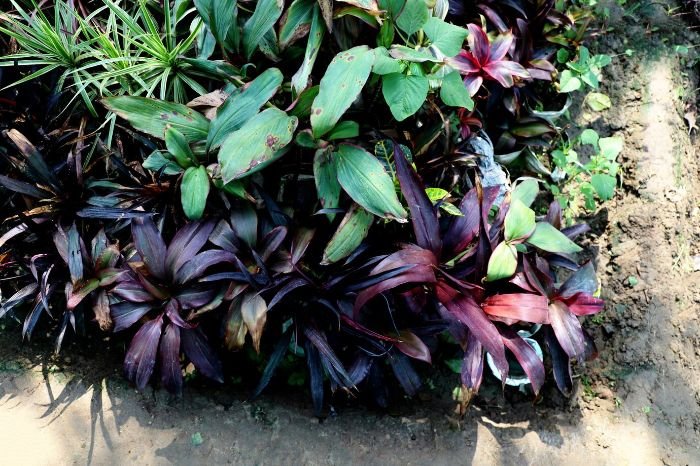
A plant is past recovery when primary stems show no green cambium in two spots, buds crumble when pinched, and roots smell sour or the outer layer slips off. Canopy that is mostly brown and brittle, with earlier collapse each day after basic stabilization, also points to a hard stop. For container specimens, a pot that stays wet yet foliage still droops by morning signals root system failure, not a watering error. Treat sun scorched plants with dead tissue across the exposure face the same way: remove, reset the site, and replant with tougher material.
Salvage options
If some tissue is alive, reduce the load and rebuild. On annuals, shear back to healthy nodes and keep light shade while new shoots set; if regrowth is weak after a modest wait, replant rather than chase it. On herbaceous perennials, clear spent stalks and leave green fans or crowns intact; divide only after fresh growth firms up. On woody shrubs, cut to live wood above outward buds and stop there until lateral shoots wake up. Succulents recover by removing mushy sections cleanly and letting cuts dry before potting; re-root offsets in a shallow tray and step them up once turgid. Replant during a cooler window and stage shade for a few days so the reset takes.
Keep the lesson
Failures point to site and selection, not just care. If a plant cooked beside bright walls or pavers, change placement or add stand-off space before trying the same species again. If containers crashed late day, increase volume or switch to materials that buffer heat and use a coarser container mix. Where humidity stays high, choose open canopies and disease-tolerant lines; in dry air, look for small, leathery, or silver foliage that sheds light. Lock those adjustments into the plant list and layout so the next round holds through hot spells.
Call it early when the red flags stack up. Clearing a lost plant and fixing the site often costs less than nursing a poor fit through the rest of summer.
Closing Notes
Treat recovery like a controlled taper. Run two checks a day for a week: dawn for rebound, late afternoon for heat load. If foliage lifts each morning, shorten shade time in small steps and hold watering until the root core asks for it. If late-day collapse returns after a correct soak, change location or container volume before touching fertilizer. When new shoots stay clean for several days, resume light grooming and normal care.
Use simple if-then rules to avoid sunk time. If stems stay limp at dawn for 3 consecutive days, reassess placement and pot size. If scorched tissue spreads despite cooler roots, reduce exposure or call the plant lost and replant during a milder window. To revive heat stressed plants consistently, track the same three signals: posture, fresh buds, and moisture at depth. Decisions get easier when those signals line up for several cycles.
- Log Day 0 with a quick photo
- Check dawn rebound and afternoon heat load
- Wean shade in small, steady steps
- Water deeply only when core needs it
- Escalate replacement if progress stalls by Day 14
FAQ
How soon should I water after a heat episode to help recovery?
Cool the site first with temporary shade, then give one slow, thorough soak during the coolest part of the day. If foliage is still limp by the next morning, repeat a single deep watering rather than frequent sips.
Should I remove scorched leaves or leave them on for shade?
Keep leaves that still hold firm green tissue because they protect stems. Remove leaves that crumble when rolled between fingers or rub healthy growth, then wait for new shoots before shaping further.
Can sun scorched plants regain green on damaged areas?
No. Dead, bleached patches will not green up. Focus on stopping new scorch with better placement or temporary shade and let fresh foliage cover the damage over the next growth flush.
When is it safe to fertilize after heat stress?
Wait until you see steady new growth for several days, then feed lightly with a low-salt source. Skip high-nitrogen pushes while plants still droop late day or show expanding brown margins.
What shade cloth density works for short-term rescue?
Use moderate shade so air moves freely: about 30-40% for ornamentals and 20-30% for succulents. Remove in stages across several days once plants hold posture by late afternoon.
How do I know if watering is helping within 24-48 hours?
Morning leaf angle improves, petioles feel firmer, and the canopy holds shape longer into the afternoon. Brown edges stop spreading, and pot weight trends down more slowly between waterings.
When should I repot a stressed container plant?
Repot after turgor returns and only if roots circle hard or the mix repels water. Do the move at dawn or during a cooler spell and step up one container size with a more aerated medium.
What is the fastest way to revive heat stressed plants in pots without shock?
For revive heat stressed plants, slide containers off hot hardscape, lift on feet, add temporary shade, and use bottom-watering to cool the root zone once, letting excess drain fully.
How long does plant heat stress recovery usually take?
For plant heat stress recovery, expect visible lift in a few days for annuals and about 1-2 weeks for many perennials, with woody plants taking longer. If progress stalls by two weeks, reassess placement or viability.