




Heavy rainfall can strip away years of careful soil building, leaving exposed roots, nutrient loss, and plant instability. Effective erosion management requires rapid intervention and a multi-layered approach, combining immediate stabilization with long-term design improvements. Addressing runoff, protecting vulnerable zones, and improving soil structure are critical steps to safeguard plant health and preserve topsoil integrity.
Key Takeaways
- Severe rainfall accelerates surface runoff, leading to topsoil loss and weakened plant support.
- Early detection of erosion signs, such as bare patches and altered water flow, enables faster mitigation.
- Temporary fixes, like mulch and barriers, reduce acute damage but must be paired with structural solutions for lasting results.
- Planting ground covers, building terraces, and improving soil organic matter provide robust, long-term erosion resistance.
- Integrated drainage systems, regular maintenance, and strategic garden layout planning help prevent future erosion events.
Table of Contents
Assessing Erosion Vulnerability and Identifying Problem Areas
Effective erosion control begins with a precise evaluation of where, why, and how soil loss occurs following intense rainfall. By mapping site-specific vulnerabilities and recognizing warning signs early, gardeners can target interventions for the highest impact. This diagnostic approach prevents wasted effort, preserves soil health, and supports the design of durable solutions.
Site Assessment – Pinpointing High-Risk Areas
Garden landscapes feature unique topographies, soil types, and exposure levels. Not all zones face equal risk after a storm. Focus assessment efforts on:
- Slopes and Inclines – Water accelerates on gradients, increasing detachment and transport of soil particles.
- Bare or Recently Disturbed Soil – Areas without established vegetation lose topsoil more rapidly.
- Pathways and Edges – Repeated foot traffic and exposed bed margins create channels for runoff.
- Compacted or Hydrophobic Soils – Poor infiltration leads to increased surface flow and erosion.
Mapping these high-risk sites supports strategic prioritization of remedial work.
Early Warning Signs and Damage Indicators
Timely intervention depends on rapid identification of active or incipient erosion. Look for:
- Exposed plant roots or undermined stems
- Rills, gullies, or unexpected surface channels
- Silt deposits in low-lying areas or near drainage outlets
- Shifts in water movement, such as pooling, overflow, or redirected flow paths
These indicators signal not just immediate damage, but ongoing vulnerabilities that require correction.
Soil Testing and Hydrological Analysis
Quantitative assessment enhances visual inspection. Simple soil texture tests determine erodibility – sandy soils wash away easily, while heavy clays often compact and shed water. Percolation tests measure how quickly water infiltrates versus running off. In complex gardens, installing inexpensive rain gauges or using digital tools to model runoff pathways can reveal underlying causes and support future planning.
Thorough evaluation of garden conditions after heavy rain creates a blueprint for targeted action. Understanding risk zones, recognizing damage early, and leveraging basic soil science allow gardeners to move beyond guesswork and adopt precision strategies for soil preservation. This foundation ensures that subsequent interventions yield measurable improvements and lasting resilience.
Immediate Soil Stabilization – Rapid Response Methods for Erosion Control
The period immediately following heavy rain is critical for minimizing further soil loss and structural damage. Rapid deployment of targeted interventions can halt progressive erosion, reduce runoff, and protect plant root systems before permanent strategies are established. Choosing the right mix of materials and techniques allows gardeners to stabilize vulnerable zones quickly and effectively.
Redirecting Water Flow and Reducing Surface Runoff
Uncontrolled runoff accelerates soil removal and damages plantings. To minimize this effect, create temporary diversions using shallow trenches or contour berms that channel water toward less vulnerable areas. In gardens with clear flow patterns, installing straw wattles or coir logs along slopes and bed edges slows water velocity, encourages infiltration, and captures displaced sediment. In severe cases, redirect downspouts and overflow to non-planted zones or rainwater basins.
Emergency Surface Protection – Mulch, Fabrics, and Temporary Barriers
Immediate soil coverage is one of the most effective short-term defenses against raindrop impact and surface scouring. Apply a thick layer of organic mulch (such as shredded bark or straw) to exposed ground, ensuring even coverage but avoiding plant stems. Where mulch is not feasible, use erosion control blankets, jute netting, or biodegradable fabrics to stabilize soil on slopes or bare patches. In acute situations, temporary silt fences or sandbags contain soil within planting zones until permanent structures can be installed.
Rapid Plant-Based Approaches
Even in emergency conditions, plant material can contribute to soil retention. Inserting cut branches (live staking) from fast-rooting species along rills or gullies anchors loose soil and begins to establish a living barrier. Seeding fast-germinating cover crops, such as annual ryegrass or oats, delivers quick canopy closure and root reinforcement if weather allows. This approach offers dual benefits: immediate physical protection and a foundation for longer-term vegetative stabilization.
Rapid intervention with water diversion, surface coverage, and temporary physical or plant-based barriers limits the cascade of soil loss following heavy rain. These emergency measures preserve the groundwork for more durable landscape modifications and ensure that erosion does not escalate while longer-term repairs are planned and executed.
Structural and Biological Solutions for Lasting Soil Stability
Permanent control of soil erosion relies on reshaping landforms, reinforcing slopes, and building living root systems. Combining engineered structures with biologically active methods delivers sustained resilience against future storm events. The right strategy depends on garden scale, slope gradient, and intended use.
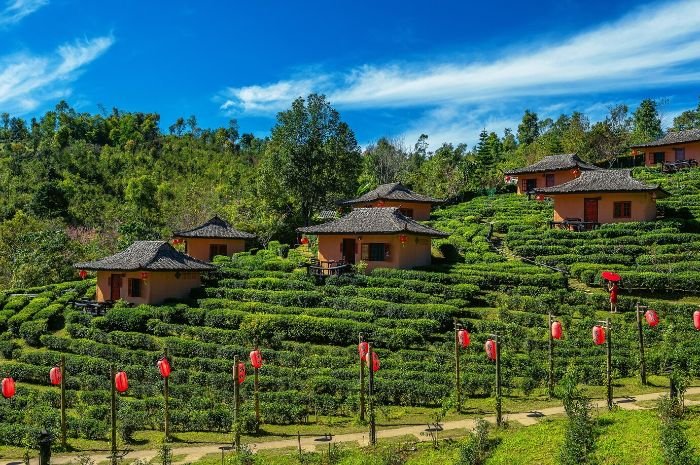
Engineered Structures – Terraces, Retaining Walls, and Swales
Physical modifications alter how water moves through a landscape and increase infiltration. Terracing divides steep slopes into manageable, level planting areas, sharply reducing water velocity and soil displacement. Retaining walls constructed of stone, concrete, or timber provide vertical support on inclines, holding soil in place during heavy runoff. Swales are designed as shallow channels lined with dense turf or perennial grasses. They capture and slow runoff, guiding excess water away from vulnerable beds and supporting groundwater recharge.
Common Engineered Erosion Controls
| Method | Best Use Case | Main Benefit | Maintenance |
|---|---|---|---|
| Terraces | Steep slopes, gardens | Maximizes usable area | Moderate |
| Retaining Walls | High-gradient sites | Prevents slope failure | Moderate/High |
| Swales | Flat/sloped zones | Redirects and absorbs runoff | Low |
Soil Structure Improvement Through Organic Amendments
Healthy soil resists erosion by holding together during intense rainfall. Incorporating organic matter, such as compost or well-rotted manure, enhances aggregate stability and increases water retention capacity. Over time, these amendments improve soil porosity, support beneficial microbial life, and deepen root penetration. Routine topdressing and mulching sustain these gains, especially in beds previously compacted or depleted by erosion.
Vegetative Cover – Ground Covers, Deep-Rooted Perennials, and Living Mulch
Dense plantings anchor soil, dissipate the energy of falling rain, and intercept runoff. Ground covers, including creeping thyme and vinca minor, provide continuous protection for exposed soil. Deep-rooted perennials such as switchgrass, yarrow, or clover build networks that resist both sheet and gully erosion. In productive gardens, interplanting with living mulch, such as annual ryegrass or low-growing clover, fills bare soil gaps and reduces erosion while maintaining crop yield.
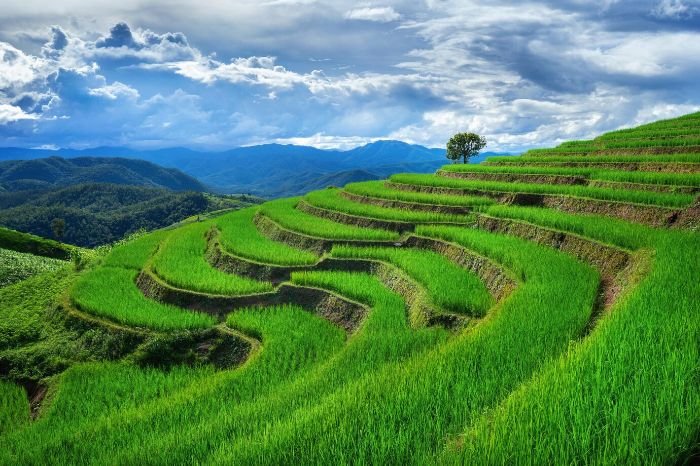
Integrating physical structures with soil-building and plant-based techniques creates a self-reinforcing system for long-term erosion resistance. This combined approach adapts to site conditions, buffers the effects of future storms, and gradually restores the productivity and integrity of the garden landscape.
Water Management and Drainage – Controlling Flow to Protect Soil
Persistent erosion problems often stem from uncontrolled surface water movement. Designing and maintaining effective drainage systems is central to preventing runoff, stabilizing soil, and safeguarding plants after severe weather. Water management strategies must be tailored to site conditions, integrating engineered features with ecological design.
Subsurface and Surface Drainage Solutions
Permanent control of excess water requires engineered interventions that redirect runoff away from vulnerable areas. Two main drainage strategies exist for managing excess water after heavy rainfall. Subsurface drainage uses underground systems, such as French drains, to collect and redirect water moving through the soil profile. Surface drainage relies on open channels, ditches, or catch basins to divert runoff flowing across the ground. Each approach serves specific site needs and responds to varying rainfall intensities.
Subsurface vs. Surface Drainage
| Feature | Subsurface Drainage (French Drains) | Surface Drainage (Channels, Basins) |
|---|---|---|
| Main Function | Removes groundwater and excess subsurface moisture | Diverts visible runoff and surface flow |
| Typical Structure | Gravel trench with perforated pipe | Open ditches, shallow swales, catch basins |
| Best Use Case | Waterlogged beds, clay-rich or compacted soils | Flat terrain, large paved or open areas |
| Key Benefits | Prevents root rot, stabilizes slopes | Rapidly moves stormwater away, prevents pooling |
| Maintenance | Periodic inspection, flush pipe as needed | Remove debris, clear channels after storms |
Both drainage systems require careful installation and regular inspection to prevent blockages and ensure reliable performance.
Bioretention Features – Rain Gardens and Constructed Wetlands
Ecological approaches combine stormwater control with habitat creation. Rain gardens, planted depressions situated in the path of runoff, temporarily capture and filter water, promoting infiltration and nutrient cycling. Selecting deep-rooted, flood-tolerant native species supports both water management and biodiversity. On larger sites, constructed wetlands provide similar benefits at greater scale, buffering against even the heaviest downpours while enhancing landscape aesthetics.
Maintenance Protocols for Long-Term Function
Effective drainage is not set-and-forget. Seasonal inspections are required to check for sediment buildup, root intrusion, or structural damage. Clear accumulated debris from inlets, outlets, and surface channels before and after storms. Monitor planted areas for signs of erosion or poor water distribution and adjust grading, planting, or system layout as needed.
Targeted water management, blending engineered drainage with natural bioretention, delivers lasting defense against soil erosion. Regular maintenance and thoughtful adaptation to evolving site conditions ensure these systems remain effective, sustaining both soil health and garden productivity through recurring heavy rains.
Seasonal Maintenance and Adaptive Planning for Long-Term Erosion Resistance
A resilient garden is the product of continuous attention and adaptive management. Erosion risks evolve with weather, plant maturity, and site changes, requiring an ongoing strategy for monitoring, maintenance, and improvement. Proactive seasonal routines, combined with flexible planning, keep gardens stable even as conditions shift.
Seasonal Maintenance Routines
Strategic upkeep reduces vulnerability and extends the effectiveness of all erosion control investments. Key seasonal tasks include:
- Inspecting drainage systems after major storms and clearing debris from inlets, pipes, and surface channels.
- Assessing mulch and ground cover depth before periods of heavy rainfall, replenishing as needed to maintain coverage and soil protection.
- Monitoring slopes, retaining structures, and terraces for settling, movement, or failure, and making repairs promptly to prevent escalation.
- Checking for bare spots or plant dieback at season’s end and reseeding or replanting to ensure year-round soil anchoring.
Documenting and scheduling these routines ensures that emerging problems are detected and resolved before they result in serious soil loss.
Adaptive Strategies for Climate and Site Change
Climate variability and garden evolution demand flexibility. If rainfall patterns intensify, revisit drainage capacity and increase vegetative buffers around vulnerable areas. In newly planted or developing gardens, prioritize rapid canopy closure with cover crops or fast-growing perennials. On aging sites, monitor for shifting water flows caused by tree growth or hardscape changes and adjust grade or barriers accordingly.
Use weather data, site records, and plant performance to inform annual updates to your erosion management plan, always focusing on prevention rather than remediation.
Consistent seasonal care and willingness to adapt keep erosion control measures effective through unpredictable weather and changing site conditions. Regular monitoring, timely repairs, and forward-looking planning protect soil, infrastructure, and plant health, building true resilience for the long term.
Integrating Erosion Control with Garden Design and Biodiversity
Sustainable erosion control is most successful when built into the garden’s layout, plant selection, and ecological function. By aligning erosion prevention with the broader goals of aesthetic design and biodiversity, gardeners create landscapes that are both resilient and visually compelling. Thoughtful integration leverages natural processes to reinforce soil stability while fostering habitat and seasonal interest.

Design Principles for Erosion-Resistant Landscapes
Garden design shapes how water moves and where soil remains stable. Implementing specific layout techniques reduces erosion risks and creates both function and beauty.
Key strategies include:
- Curved Beds and Contour Planting – Direct runoff along gentle, predictable paths and slow water movement across slopes.
- Berms and Raised Features – Capture excess water, prevent it from accumulating in low spots, and buffer heavy rainfall.
- Path and Hardscape Placement – Align pathways, patios, and retaining elements with natural land contours to distribute runoff and limit channel formation.
- Layered Planting Heights – Combine ground covers, mid-level shrubs, and taller trees to dissipate raindrop impact and intercept sheet flow.
- Terraces and Step Beds – Divide steep ground into level planting zones, stabilizing soil while adding structure and visual appeal.
This design-forward approach enables gardens to manage water efficiently and retain soil, while offering seasonal interest and varied textures.
Plant Selection for Function and Habitat
Plant choice plays a dual role in stabilizing soil and supporting pollinators, birds, and beneficial insects. Deep-rooted natives such as switchgrass, black-eyed Susan, and wild bergamot build underground structure while providing food and shelter above ground. Dense, spreading ground covers fill gaps and reduce bare soil exposure, especially in vulnerable transition zones.
Using a mix of perennial and annual species extends protection throughout the year and offers changing seasonal texture. Incorporating flowering plants enhances habitat value, drawing in pollinators and natural pest controllers.
Ecological Layers and Multifunctional Borders
A layered planting approach, with overlapping canopies and varied root depths, buffers rainfall energy and anchors soil at multiple levels. Borders designed for multiple functions maximize the value of each garden edge. When planned for erosion control, wildlife habitat, and visual screening, these borders provide long-term stability while enhancing ecological diversity and privacy.
Living fences of willow or dogwood, hedgerows, and wildflower strips can double as windbreaks, wildlife corridors, and erosion barriers. Over time, these elements mature into self-sustaining systems that require minimal intervention.
Embedding erosion control within the framework of garden design and biodiversity planning delivers sustained protection and ecological benefits. A strategic combination of grading, plant diversity, and structural elements transforms vulnerable land into a stable, vibrant, and low-maintenance landscape.
Conclusion – Building Lasting Soil Stability Through Strategic Erosion Control
Managing soil erosion after heavy rain demands an integrated approach rooted in technical insight, timely intervention, and continuous adaptation. Effective prevention starts with site-specific diagnosis and rapid stabilization, but true resilience is achieved by combining structural solutions, soil-building practices, smart water management, and ecological garden design. As weather extremes become more frequent, ongoing attention to drainage, seasonal maintenance, and biodiversity directly supports the protection of topsoil and plant health. By embedding these principles into every phase of garden planning and care, land stewards safeguard their investment and create landscapes capable of withstanding future storms.
FAQ – Soil Erosion Control After Heavy Rain
What are the most effective immediate actions to stop soil erosion after heavy rainfall?
Rapidly cover exposed soil with organic mulch or erosion control fabrics, divert water using shallow trenches or temporary barriers, and stabilize slopes with wattles or coir logs. These emergency steps limit additional soil loss while permanent solutions are planned.
How can I tell if my garden is at risk for erosion after a storm?
Look for rills, gullies, exposed roots, displaced mulch, or silty deposits in low areas. Changes in normal water flow or standing puddles after rain indicate areas where erosion is likely or already underway.
What garden plants are best for long-term soil stabilization on slopes?
Deep-rooted native grasses such as switchgrass, perennial ground covers like creeping thyme or vinca minor, and dense clumping species such as daylily or sedge anchor soil effectively. Selecting regionally adapted, perennial plants ensures both rapid establishment and resilience.
How do terraces and retaining walls help control erosion in sloped gardens?
Terraces break long slopes into flat sections, slowing runoff and creating planting beds that hold water. Retaining walls provide vertical support, preventing soil movement and allowing roots to anchor more securely. Both systems work together to reduce water velocity and soil displacement.
What drainage solutions work best to prevent erosion in clay-rich or compacted soils?
Subsurface French drains and surface swales redirect excess water from problem zones. French drains, consisting of gravel and perforated pipe, capture and transport groundwater, while swales manage surface flow and encourage infiltration in compacted sites.
How often should erosion control systems and drainage features be inspected?
Inspect systems at the start and end of each season, and always after major storms. Remove debris from drains, check for structural movement in terraces or walls, and replenish mulch or vegetation as needed to maintain full coverage and function.
Can rain gardens and wetlands help reduce runoff and soil loss in residential landscapes?
Rain gardens and small constructed wetlands slow, capture, and filter runoff, allowing water to infiltrate and minimizing erosive force. When planted with deep-rooted natives, these features also increase habitat value and require minimal long-term maintenance.
What role does organic matter play in erosion prevention?
Organic matter, such as compost or aged manure, improves soil structure and increases water-holding capacity. It binds soil particles into stable aggregates, making soil less prone to compaction, surface sealing, and displacement during heavy rainfall.