

Some plants could be causing trouble in your garden. You might be surprised to hear that invasive plants are a big threat. They can quickly take over, push out local plants, and harm the environment. But what makes a plant invasive? How can you spot them in your garden? And why is their impact so bad?
This article will dive into the world of invasive plants. We’ll look at how they grow fast and can take over. Knowing how to spot these invaders will help you fight back. We’ll also talk about the harm they cause and ways to keep them in check in your garden.
Understanding invasive plant species better will help you protect your garden. Join us to learn more and take action against these harmful plants. Let’s start exploring the world of invasive plants together!
Key Takeaways:
- Invasive plant species can rapidly spread and outcompete native flora in gardens, leading to ecological imbalances and negative impacts on biodiversity.
- Identifying common invasives in gardens is crucial for taking proactive steps to prevent their spread.
- Invasive plants have a significant ecological impact, including disrupting ecosystems and displacing native flora.
- Strategies for managing and controlling invasive plants in your garden can help protect the health and sustainability of your garden.
- By being informed about invasive plant species, gardeners can play a vital role in preserving biodiversity and creating resilient ecosystems.
Table of Contents
About Invasive Plant Species
Many think of invasive plant species as a big problem. They grow too well where they shouldn’t, hurting natural spots and gardens. These plants can push out the local ones, changing the balance of nature. This can cause real harm to both the economy and the environment, affecting biodiversity and ecosystem health. So, it’s crucial to spot and handle these invaders effectively.
Defining Invasive Plant Species
Invasive plants are not from the area they’re growing in. They spread too fast, using up all the resources that native plants need to survive. This outdoing of locals weakens biodiversity and messes with ecological balances. Since these invasives take over so easily, they can really cause harm in their new homes.
How Plants Become Classified as Invasive
For a plant to be labeled as invasive, it must meet certain criteria. It has to spread easily, grab resources away from the locals, and harm its new environment. Things like how fast it grows, how it spreads its seeds, and if it can survive tough conditions play a role. Scientists look at these factors to decide if a plant is invasive or not.
Characteristics of Invasive Plant Species
Common Traits of Invasive Species
Invasive plants have special traits that help them take over and spread fast. These traits are harmful to other plants and animals.
- Rapid Growth – Invasive plants grow quickly, stealing sunlight, water, and nutrients from local species.
- High Reproductive Capacity – They make lots of seeds or young plants. This helps them grow in new areas fast.
- Environmental Tolerance – These plants can live in many places. They can handle different soils, temperatures, and moisture levels. This makes it hard for local plants to compete with them.
Adaptations That Help Spread and Dominate
Invasive plants use clever ways to spread and take over. These ways make it easy for them to grow in new places and overpower other plants.
For example, they spread seeds in many different ways, like by wind, animals, and water. This helps them move to new areas and start growing there too.
They also use allelopathy to their advantage. This means they release chemicals that stop other plants from growing. It gives them an edge by making it hard for other plants to survive.
Knowing about invasive plant traits helps gardeners and land managers. It allows them to spot and deal with invasive plants in their areas. With this knowledge, they can protect the natural balance and variety of their spaces.
Identifying Common Invasive Species in Gardens
This part helps gardeners spot common invasive plants in their gardens. Knowing these invasives is key. It helps control their bad effects on local plants and the garden.
Overview of Frequently Encountered Invasive Plants
Gardeners should know about many invasive plants. These can quickly take over and hurt the environment. Some usual ones are:
- Giant Hogweed – It’s big and can burn your skin.
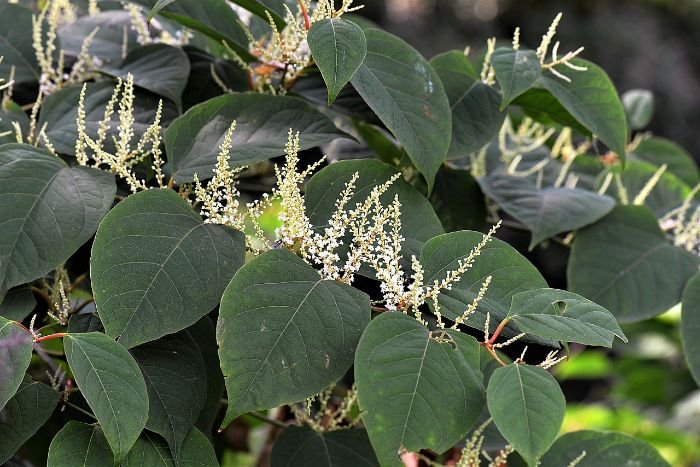
- Japanese Knotweed – It looks like bamboo and can harm places and habitats.
- Purple Loosestrife – It has pretty purple flowers but can hurt wetlands and local plants.
There are more invasive plants out there. Knowing about them lets gardeners act quickly. This can stop their spread and harm in the garden.
Regional Focus on Invasive Species in Specific Areas
Each place has its own invasive plants that are a problem. For instance, places near the sea may see more Saltcedar. The Midwest can worry about Multiflora Rose.
Gardeners need to learn about the invasives in their area. Local offices and groups can help with info. By knowing local invasives, they can better protect their gardens.
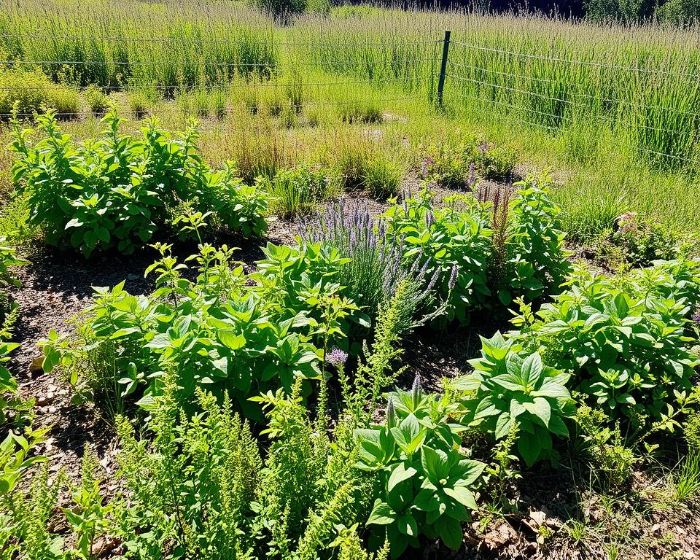
To show how areas have their own invasive plants, consider an image. Put an image of a garden with these plants in the middle. Use the alt attribute for the image. Include the word “identification” in the alt text. This shows what the section is about.
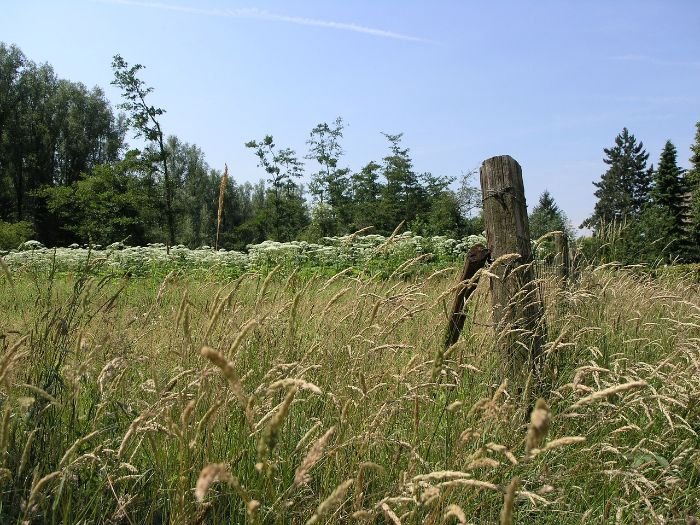
Being able to spot and know about invasive plants is important for all gardeners. It makes it easier to keep these plants under control. That means a healthier and more diverse garden.
The Ecological Impact of Invasive Plants
Invasive plants really change our local environment and hurt biodiversity. They mess up the natural balance in habitats. This is very important to know for people who take care of land, like gardeners and conservationists.
Effects on Local Biodiversity and Ecosystems
Non-native plants fight with local ones for things like water and sunlight. This makes it hard for native plants to grow. So, the place gets imbalanced, which affects the whole ecosystem.
Invasive plants can change the main plants that grow in an area. They might be better at surviving than locals. This could make a big change in the community of plants and affect animals that use them.
These plants might also mess up jobs like pollination and seed spreading. Bees and other animals may not find the plants they need because of invasives. This can hurt the animals and plants that are supposed to live there.
Displacement of Native Flora
Invasive plants often take over and push out local ones. This can lower the variety of plants in the area. It also messes up the natural connections between plants and animals.
Sometimes, invasives change the soil or make places more likely to catch fire. This further harms the local ecosystem. So, their impact can be really big.
Why Gardeners Should Be Concerned About Invasive Plants
Gardeners need to watch out for invasive plants. These plants can hurt the garden’s health and future. They cause problems like less biodiversity and fewer good things the ecosystem does.
Long-Term Garden Health and Sustainability Issues
Invasive plants can take away resources from native plants. They snatch up water, light, and nutrients. This leads to less variety in plants and a garden that’s not as strong against problems.
Gardeners can help by fighting invasive plants early. This keeps the garden’s ecosystem rich and healthy.
Legal and Ethical Considerations
There are rules about invasive plants because they can be harmful. Gardeners should know what’s allowed in their area. Following these rules stops invaders from spreading.
It’s also about doing the right thing. Letting these plants grow can hurt native plants. Protecting native plants helps the environment stay balanced.
To learn more about the impact of invasive plants and how to prevent their spread, continue reading the next section.
Preventing the Spread of Invasive Plants
Keeping invasive plants away is vital for garden health. By picking safe plants and stopping their spread, we can protect our gardens. This way, we lower the chance of harmful plants taking over our green spaces.
Best Practices for Selecting Plants
Choosing the right plants makes all the difference. It’s important to pick plants that won’t harm your garden. Use these top tips:
- Look for plants that are local to your area. They fit in better and don’t cause as many problems.
- Ask the experts, like garden stores, for advice on safe plants to use.
- Stay away from plants that cause issues, even if they look nice. It’s not worth the risk.
Techniques to Prevent Accidental Spreading
Not spreading invasive plants is key for a healthy garden. To keep your plants safe, follow these steps:
- Make sure to throw away any old plants the right way. Put them in a bag and toss them where they won’t hurt other plants.
- Don’t let bad plants sneak in through the soil or mulch. Always use materials that you know are safe.
- Check and clean your tools and shoes. This stops bad seeds from moving around.
Using these tips can help you keep your garden safe. It protects your plants and the nature around you from harmful invaders.
Managing and Controlling Invasive Species in Your Garden
It’s crucial to control invasive plants in your garden. We will look at methods that use either tools or chemicals to remove them. These methods can make your garden healthy and balanced again.
Mechanical and Chemical Control Methods
First, mechanical methods means physically pulling out or cutting invasive plants. Make sure you take out the whole plant to stop it from growing back. This is good for small areas or where you can’t use chemicals.
Then, there’s chemical methods which use herbicides to kill off invasives. Always follow the herbicide’s instructions and wear the right safety gear. You can pick herbicides that kill only certain plants or ones that can kill many types.
Integrative Approaches for Sustainable Management
We can manage invasives by taking a whole-garden view. This means using methods that don’t rely too much on chemicals. The goal is to grow more native plants.
Trying to control invasives with good bugs, diseases, or other natural helpers is one way. This can fight off invasives without adding chemicals to your garden.
Also, favoring native plants in your garden helps a lot. This means picking plants that are local to your area and making the soil good for them. It brings back a more balanced and rich life to your garden.
Using these ways, people can fight invasives and bring back the good plants to their gardens. Just remember, doing your homework and picking the right ways for your garden is key.
Restoration of Gardens and Natural Areas Affected by Invasives
Restoration helps heal gardens and natural places from invasive plants. It uses native plants to bring back balance and function to these places.
Selecting the right native plants is key for a successful restoration. Since native plants are well-suited to their environment, they can better compete against invasives. This helps keep the local ecosystem healthy and diverse.
How you prepare the site also matters a lot. It includes getting rid of invaders, reducing erosion, and improving soil. This creates a good place for native plants to grow.
Gathering seeds is a great way to ensure healthier natural areas. This means getting seeds from nearby native plants. Then, those seeds can be grown in a nursery or planted right away.
Keeping an eye on the garden’s progress is very important. It helps spot any problems early. This way, adjustments can be made to keep the project successful over time.
There are many stories showing that restoration works. Using native plants beats back invasives, attracts wildlife, and builds lovely, lasting gardens.
By restoring gardens with native plants, people help in big ways. They protect their local plants, make their gardens stronger, and improve the whole ecosystem. This work is crucial for saving wildlife and our natural places.
Legislation and Community Initiatives
Legislation and local efforts are key to fighting invasive plants. It’s vital for gardeners to know the local laws about these plants. This helps protect the nature around us.
Understanding Local Laws Regarding Invasive Species
Knowing your area’s laws on invasive plants is very important. Each place has its own rules to stop their spread. These laws help keep our environment safe.
Gardeners should learn the rules for their area, which include plant buying and growing. Being informed lets gardeners help in the fight against invasive plants.
Community Efforts in Managing Invasives
Tackling invasive plants is something we must all do together. There are many actions and plans in place to fight these threats. This includes educating and involving community members.
Volunteer work is a big part of this battle. People can join in removing these plants from parks and gardens. This hands-on work makes a real difference.
Teaching people about invasive species is also crucial. Educational efforts show the harm they cause and how to stop them. By learning, everyone can help protect our green spaces.
Transformation projects also help. They bring together many groups to fix areas hurt by invasives. By planting native plants, they make nature healthier and more diverse.
If we all pitch in, we can fight invasive species. Following local laws, joining volunteer work, and spreading the word all help. Working together, we can keep our environment safe.
Conclusion – The Importance of Being Informed
Knowing about invasive plants is key for gardeners. It helps keep gardens healthy and sustainable. It’s about learning how to spot, stop, and manage these plants.
Gardeners with this knowledge can stop invasive plants. They use the right methods to keep their gardens full of different plants. This way, they protect the plants that belong in their area.
Also, it’s important to know the rules and what’s right when dealing with these plants. Helping out in your area and following the law makes a big difference. It helps keep local plants safe and sound.
By learning and acting, gardeners protect their spaces. They make beautiful gardens that are good for the earth. This is our way to fight against plants that shouldn’t be there.
FAQ
What are invasive plant species?
Invasive plant species are plants from somewhere else. They quickly grow and spread in new places, hurting the environment.
How are plants classified as invasive?
Plants become invasive when they harm local plants and bring about economic issues. Governments use these issues to label them as such.
What are the common traits of invasive plant species?
Invasive plants grow fast, make many seeds, and can live in different places. This helps them take over new areas easily.
How can I identify common invasive species in my garden?
To spot invasives in your garden, learn about ones like Giant Hogweed and Japanese Knotweed. Knowing what’s common in your area is also key.
What are the ecological impacts of invasive plants?
Invasive plants can harm ecosystems by changing the mix of local plants. They can reduce wildlife and push out native plants.
How can I restore my garden affected by invasive species?
To fix a garden with invasives, plant local species back. Make sure the ground is ready, collect seeds, and watch how things grow.