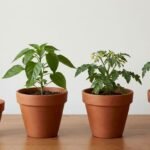





Heat tolerant plants keep color and yield when weeks run 90-100°F, even in all-day sun. The payoff is fewer replacements and beds that look alive through August. Choose named cultivars with firm, small or leathery foliage and strong roots, then confirm with regional trials or native lists. Match choices to the site’s hottest pockets near south or west walls and hardscape, rather than the average bed. For fruiting crops, pick lines that still set when nights hold around 72-75°F.
At the nursery, make a fast midafternoon check – posture stays upright, fresh buds are forming, leaf edges show little scorch. For containers, favor compact forms and gritty mixes that can bridge 24-48 hours between waterings without waterlogging. Start with three winners, plant them where the heat is real, and watch the garden stay productive when temperatures climb.
Key Takeaways:
- Test plants at 3-5 pm – favor upright leaves and buds
- Choose fruiting cultivars that set with 72-75°F nights
- Match varieties to your site’s hottest pockets for August
- Avoid soft, lush foliage in radiant zones near walls
- Build container mixes that hold moisture for 24-48 hours
Table of Contents
How to Spot Heat Tolerant Plants Before You Buy
Heat tolerant plants start with anatomy, not promises on a tag. Look for structures that shed heat and hold water, then verify the claim with trial stamps and regional lists. A quick field check at the nursery saves you from mid-July failures at home.
Trait cues that hold up in hot weather
Start with foliage and roots. Small, narrow, or leathery leaves dump less water. Silver, gray, or fuzzy surfaces reflect sun. Waxy cuticles bead irrigation, which slows midday wilt. Deep or thickened roots pull moisture from lower layers, while dense crowns shade their own soil. Flower timing matters too: plants that open buds in the morning typically keep color after long, bright afternoons.
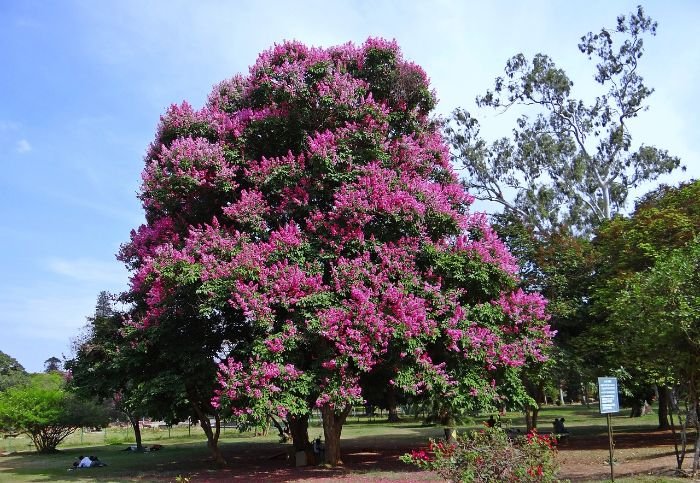
Pro tip: press a leaf between fingers; if it feels slightly leathery and springs back, the plant usually handles hot, dry air better than a soft, thin leaf.
Proof you can trust
Skip marketing slogans and chase evidence. Look for All-America Selections trial notes, state Extension recommendations, and native-plant society lists for your region. Nurseries that tag plants with region fit or trial locations are worth the extra dollars because replacement labor costs more than a better cultivar. I scan benches at 2-4 pm on a warm day; plants that still hold leaf angle and show minimal edge scorch are the keepers.
What plant can withstand the most heat?
In home landscapes, desert-adapted choices handle extremes best – Texas sage, lantana, desert willow, agave, and many cacti stay functional when softer ornamentals fold. Pick by region and sun exposure, then confirm availability of named selections from local growers.
Quick buy checklist:
- Leaf texture firm, narrow, silver, or slightly fuzzy
- Sturdy stems with tight internodes and dense canopy
- Roots circling lightly, not girdling or mushy in the pot
- Trial badges or regional native status on the tag
- Mid-afternoon foliage still upright with minimal scorch
Choose on traits and proof at the point of sale, and you’ll start with plants that are built for long, bright summers.
All-Day Sun Winners – Heat Tolerant Flowers for Hot Sites
Full-sun beds survive summer when the plants are built for it and the varieties are proven locally. Choose ornamentals that keep foliage posture and push fresh buds after bright afternoons, then space and deadhead on a simple rhythm to keep bloom cycles moving.
Flowers and perennials that keep blooming in heat
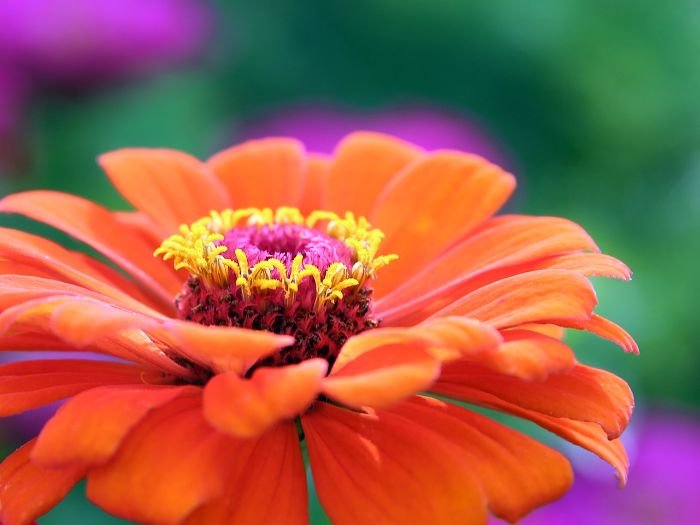
Pick named selections with a track record in hot regions. Zinnias from the large-flower lines hold color with regular deadheading. Coneflowers and blanket flowers keep pushing disks when evenings stay warm. Salvias with woody bases ride out bright days if you shear lightly midseason to reset buds. Sun-loving vinca thrives in radiant beds where softer bedding plants collapse.
Pro tip: check benches midafternoon; plants that still carry leaf angle and show new buds are safer choices than those with flat, tired growth.
Shrubs and grasses that hold structure in high temperatures
Borders need framework plants that won’t fold when patios radiate heat. Crape myrtle and Texas sage set durable bones and carry color without daily attention. Ornamental grasses such as pink muhly and hardy fountain grass keep the bed moving and shade their own root zone. Shear grasses once at the end of winter, then leave them alone; too-frequent cuts in summer invite weak regrowth.
What plants are good in all day sun?
For dependable performance, use lantana, salvia, coneflower, blanket flower, crape myrtle, and sun-loving vinca in open, bright exposures, then pair them with a heat-steady grass such as pink muhly or switchgrass for structure.
| Type | Cultivar | Region fit | Heat cue | Water need | Peak season | Notes |
|---|---|---|---|---|---|---|
| Annual | Zinnia ‘Benary’s Giant’ | High Plains, SoCal | Keeps fresh heads after long afternoons | Moderate | Summer | Deadhead weekly |
| Annual | Vinca ‘Cora XDR’ | Gulf Coast, Southwest | Upright foliage in radiant beds | Low | Summer | Avoid wet, cool soils |
| Perennial | Coneflower ‘PowWow Wild Berry’ | Midwest, Mid-Atlantic | Continuous disks with light shear | Moderate | Summer | Divide every 3-4 years |
| Perennial | Gaillardia ‘Arizona Sun’ | Southwest, Rockies | New buds follow bright days | Low | Summer | Lean soils preferred |
| Perennial | Salvia ‘Mystic Spires Blue’ | South, SoCal | Reblooms after midseason trim | Moderate | Late spring-summer | Shear once in midsummer |
| Shrub | Crape myrtle ‘Natchez’ | South, Gulf Coast | Bark and bloom hold in bright sites | Low | Summer | Train to multi-stem |
| Shrub | Texas sage ‘Compactum’ | Southwest | Silver foliage stays poised | Low | Summer | Needs sharp drainage |
| Grass | Muhlenbergia capillaris | South, Mid-Atlantic | Plumes develop despite radiant heat | Low | Late summer | Cut back in late winter |
| Grass | Panicum ‘Northwind’ | Midwest | Upright blades through hot spells | Low | Summer-fall | Leave standing for winter |
Space plants wider than spring instincts suggest and you’ll keep air moving when August presses down. Strong framework, steady rebloomers, and one shearing pass midseason carry sun-baked beds without daily rescue.
Narrow Your List by Site – Sun, Soil, Zone, Heat Sources
Plant choice lands better when it matches real site limits. Read the zone, note summer highs, check soil and humidity, then account for walls and pavement that throw extra heat. Ten minutes of site notes will save an entire season of replacements.
USDA zones and summer highs
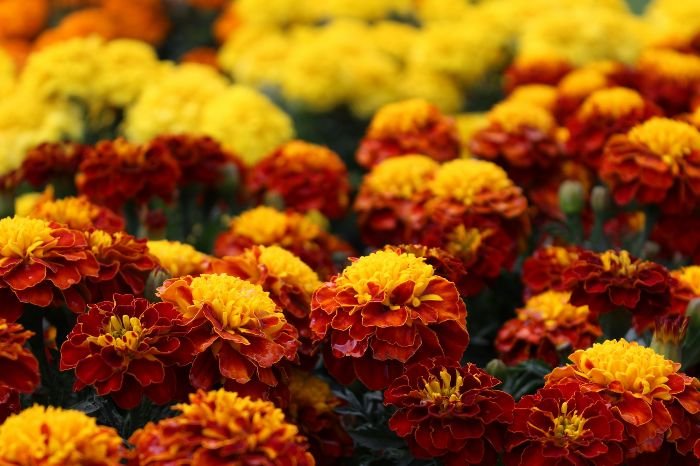
Zones tell you winter lows, but summer ceilings drive failure in hot gardens. If daytime highs sit at 90-95°F for weeks, pick varieties labeled for warm nights and bright exposure. Where highs regularly cross 100°F, lean on desert-adapted ornamentals and proven warm-region selections. In higher elevations with strong sun but cooler nights, you can use broader choices as long as foliage isn’t thin or lush.
Pro tip: pull weather normals for July-August and match plants to the hotter number, not the average.
Soil and humidity mapping
Soil controls water movement and root oxygen. Sandy beds drain fast and heat quickly, so use plants with deeper or thickened roots and leaves that slow transpiration. Clay holds moisture but can steam roots during hot spells; choose species with sturdy crowns and avoid forms prone to rot. In humid regions above roughly 60% afternoon humidity, pick mildew-tolerant lines with open canopies. In dry air, silver, gray, or small leaves handle exposure better than broad, soft foliage.
Exposure and reflected heat
South and west walls, stone patios, and driveways add a second heat source. Near pavement or stucco, favor plants with leathery leaves or silver surfaces that shed light. Keep plant faces at least 18-24 inches off light-colored walls to reduce radiant scorch. Wind funnels between buildings dry leaves faster; in those slots, choose tight internodes and thicker cuticles so foliage stays upright on bright days. I walk the site between 3-5 pm to see where glare and radiant pockets land before I confirm a plant list.
Quick mapping checklist:
- Highs 100°F+ for weeks – choose desert-adapted ornamentals and regional natives
- Sandy soil – deep roots and compact growth; avoid lush, broad leaves
- Heavy clay – sturdy crowns and rot-tolerant forms; avoid tight, wet pockets
- Humid afternoons >60% – open canopies and mildew-tolerant lines
- Near hardscape or south walls – silver or leathery foliage; set back 18-24 inches
- Wind corridors – plants with firm stems and short internodes
Match plants to the hottest spots on your site, not the average bed. When the layout respects heat sources and soil behavior, plantings hold posture through August without daily triage.
Edibles That Still Produce – Proven Vegetables and Herbs
Hot spells stall many crops, but a handful of varieties keep flowering and setting when nights stay warm. Focus on lines bred for heat set, then pace pruning and harvest so plants move energy to the next flush instead of holding spent fruit.
Fruit-set standouts for sustained harvests
Tomatoes drop pollen when nights hold above roughly 72-75°F, so choose lines selected to set under warm nights. Determinate slicers like ‘Heatmaster’, ‘Florida 91’, ‘Phoenix’, and ‘Solar Fire’ keep trusses moving when daytime highs ride 90-95°F. Keep vines tidy to a single or double leader and strip only the lowest leaves to maintain airflow without shocking the plant. Peppers handle bright sun but abort flowers when days sit above 95°F with warm nights. Thick-walled types such as ‘Carmen’, ‘Anaheim’, and ‘TAM Jalapeño’ keep setting if you harvest at color break and avoid hard pruning during hot weeks.
Pro tip: if blossoms shed, back off nitrogen for 2-3 waterings and pick every other day to pull energy toward new flowers.
Summer greens, legumes, and roots that like it hot
Leaf greens usually fade in heat, but Malabar spinach and New Zealand spinach climb or sprawl happily through long summers. They want regular picking to keep leaves tender. Cowpeas and yardlong beans set reliably when bush beans stall; pick pods while still slender and plants reload fast. Okra thrives once soil warms, pushing new pods daily if you cut at 3-4 inches. Sweet potatoes handle reflective heat near drives or patios; choose eating types like ‘Beauregard’ or ‘Covington’ for steady vines and dependable roots. Eggplant with narrow fruit such as ‘Ping Tung Long’ keeps blooming in bright, hot beds; harvest young to avoid seedy flesh and to trigger the next flush.
| Crop | Cultivar | Night tolerance | Days to harvest | Heat note |
|---|---|---|---|---|
| Tomato | Heatmaster | Sets with nights to 75°F | 75-80 | Determinate slicer, steady trusses |
| Tomato | Florida 91 | Sets with nights to 75°F | 72-80 | Suited to bright, humid summers |
| Tomato | Phoenix | Sets with nights to 75°F | 75-85 | Holds shape in hot, dry spells |
| Tomato | Solar Fire | Sets with nights to 75°F | 70-80 | Good pollen shed in warm nights |
| Pepper | Carmen | Flowers hold to warm nights | 65-75 | Pick at blush to keep setting |
| Pepper | Anaheim | Flowers hold to warm nights | 70-80 | Handles radiant heat near walls |
| Pepper | TAM Jalapeño | Flowers hold to warm nights | 70-80 | Thick walls, reliable fruit set |
| Cowpea | California Blackeye | Unaffected by warm nights | 60-80 | Pods reload fast after picking |
| Yardlong bean | Red Noodle | Unaffected by warm nights | 75-90 | Train on 6-7 ft support |
| Okra | Clemson Spineless | Likes very warm nights | 55-65 | Harvest pods at 3-4 inches |
| Sweet potato | Beauregard | Vine growth in warm nights | 95-110 | Roots size up under bright exposure |
| Eggplant | Ping Tung Long | Keeps blooming in heat | 60-70 | Harvest slender for tender texture |
Harvest cadence matters as much as genetics. When fruit comes off on a 2-3 day rhythm, plants cycle flowers faster and ride through hot weeks with fewer stalls.
Hot Patio Picks – Heat Tolerant Plants for Containers
Patio heat comes from two sources – direct sun and reflected surfaces. Containers handle both if you pick compact varieties, right-size pots, and gritty mixes that drain fast but hold enough moisture to bridge 24-48 hours between waterings.
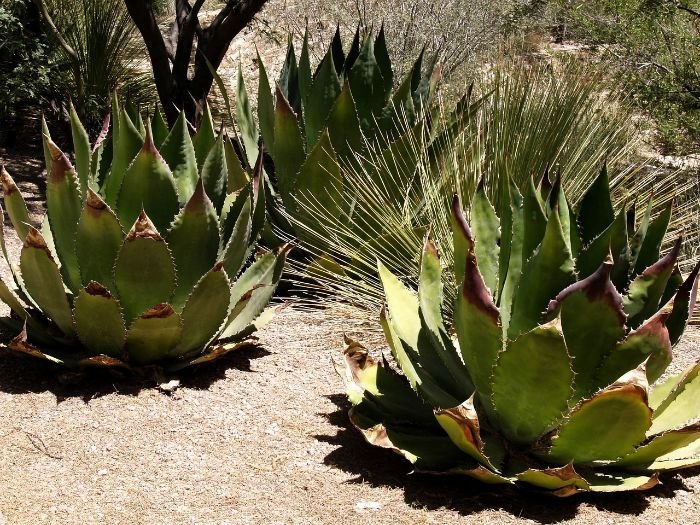
What is the most drought tolerant plant for pots?
For low watering frequency, agave in a wide, heavy container with a coarse, mineral-rich mix holds up best, followed closely by barrel cacti and ice plant. Use a pot at least 16-20 inches across with 40-60% mineral aggregate (pumice or coarse grit). If the site bakes above 100°F, give a 2-inch air gap behind pots near south walls to cut radiant scorch.
Pro tip: if leaf tips brown on agave, the mix is staying wet too long – increase mineral fraction and bump pot diameter one size.
Compact ornamentals and edibles that shrug off reflected heat
Choose named lines bred short or trailing so crowns shade their own mix. Lantana series like ‘Bandito’ pack color on tight frames. Angelonia ‘Serenita’ holds vertical spikes without flopping. Scaevola ‘Whirlwind’ and portulaca ‘Happy Trails’ pour over rims and reset flowers after bright days. For edible pots, use patio types that keep setting in heat: cherry tomato ‘Tumbling Tom’, eggplant ‘Patio Baby’, and pepper ‘Basket of Fire’ ride hot decks if the container volume is right and harvests stay frequent.
| Plant | Pot size | Mix type | Sun | Water need | Notes |
|---|---|---|---|---|---|
| Agave parryi | 16-20 in wide | 50-60% mineral, 40-50% bark | Full sun | Very low | Heavy pot; space 2 in from wall |
| Barrel cactus | 14-18 in wide | 60% mineral, 40% bark | Full sun | Very low | No saucer; winter dry-down |
| Ice plant ‘Lemon Ball’ | 12-16 in wide | 50% mineral, 50% peat-free | Full sun | Low | Spills over edges, fast rebound |
| Lantana ‘Bandito’ | 14-16 in | 30% mineral, 70% peat-free | Full sun | Low | Shear lightly midseason |
| Angelonia ‘Serenita’ | 12-14 in | 30% mineral, 70% peat-free | Full sun | Moderate | Pinch once at 6-8 in tall |
| Scaevola ‘Whirlwind’ | 12-14 in bowl | 40% mineral, 60% peat-free | Full sun | Low | Handles radiant heat near pavers |
| Portulaca ‘Happy Trails’ | 12-14 in | 40% mineral, 60% peat-free | Full sun | Very low | Flowers reset after bright days |
| Rosemary ‘Arp’ | 14-18 in | 40% mineral, 60% bark-based | Full sun | Low | Trim lightly; avoid soggy mix |
| Thyme ‘Elfin’ | 10-12 in bowl | 40% mineral, 60% bark-based | Full sun | Low | Tight mat, great edge filler |
| Tomato ‘Tumbling Tom’ | 16-18 in deep | 30% mineral, 70% peat-free | Full sun | Moderate | Pick every 1-2 days in hot spells |
| Eggplant ‘Patio Baby’ | 16-18 in | 30% mineral, 70% peat-free | Full sun | Moderate | Harvest small to keep flowers |
| Pepper ‘Basket of Fire’ | 14-16 in | 30% mineral, 70% peat-free | Full sun | Moderate | Fruits reload with steady picking |
Large volumes buffer roots when decks hit 3-5 pm peak heat, and mineral-heavy mixes stop stems from sulking after irrigation. If foliage flags by early afternoon, upsize one pot class or add 10-20% more mineral aggregate rather than watering twice a day.
Strong containers stand up to August when pot size, mix structure, and plant habit work together. Tune those three and patio plantings keep their posture without daily rescue.
Practical Wrap-Up
Treat selection like a small field trial. Pick 2-3 named cultivars for each plant role and plant them side by side in matched conditions. During a warm spell with highs at 90-95°F, score three signals at 3-5 pm: leaf posture, fresh bud formation, and color persistence. Keep cultivars that hold leaf angle with less than 5% edge scorch, show new buds within 7-10 days after a hot stretch, and keep flower or fruit quality when nights sit at 72-75°F.
Use fast, binary decisions. If foliage lies flat for 3 consecutive hot days, retire that cultivar from full-sun beds. If more than 30% of buds abort after warm nights, switch to a heat-set line in the same category. For containers, if the mix dries in under 24 hours even with correct placement, step up pot diameter by 2 inches or increase mineral aggregate by 10-20% on the next repot. Recheck performance two weeks later to confirm improvement before scaling plantings.
- Pull July-August normals for your ZIP code
- Shortlist 2-3 cultivars per plant slot
- Trial in the hottest, most exposed location
- Score posture, new buds, and color weekly
- Lock winners and source backups early
FAQ
How can I spot heat-ready plants at the nursery in under 2 minutes?
Check benches between 3-5 pm on a warm day and pick plants that keep leaf angle upright with minimal edge scorch. Pinch and release one mature leaf; firm tissue that rebounds usually copes better with hot, dry air. Look for recent buds forming near the top nodes and favor tags with regional trial stamps or native status.
Which landscape plants tolerate extreme yard heat around walls and pavement?
Desert willow, oleander, and bougainvillea stay functional where patios radiate heat, as long as roots have sharp drainage and plants sit a few inches off bright walls. Use light mulch only to avoid trapping heat near stems, and train early so canopies clear reflective surfaces.
What container materials and colors work best on sun-baked patios?
Glazed ceramic and thick-walled resin buffer roots better than thin plastic when decks sit in sun 8-10 hours. Light colors reflect heat and slow mix warm-up. Keep pots 1-2 inches off south or west walls and lift containers on feet to vent the base.
At what night temperatures do tomatoes and peppers stall, and what helps?
Tomato pollen release drops when nights hold near 72-75°F, while peppers abort more flowers when days sit above 95°F with warm evenings. Harvest frequently, lower nitrogen during hot spells, and keep canopies tidy rather than heavily pruned so plants keep pushing new clusters.
Do I need different picks for hot, humid summers versus hot, dry air?
In humid regions, choose open-canopy plants with mildew resistance and avoid dense mats that trap moisture. In dry air, silver or small leaves shed light and conserve water better than broad, soft foliage. If foliage tips crisp by early afternoon, shift to tougher leaf textures or relocate out of reflected heat.
What are reliable heat tolerant lawn alternatives for high sun and foot traffic?
Bermuda and zoysia handle bright, long summers and moderate wear once established; buffalo grass suits lighter traffic with minimal irrigation. Start with plugs or sod during stable warm weather and allow a solid rooting window before heavy use.
Which herbs ride out patio heat with fewer waterings?
Woody herbs such as rosemary and thyme manage bright decks if you use a gritty, bark-and-mineral mix and a pot diameter near 14-18 inches. Trim lightly after flushes to keep structure tight and reduce midday flagging.
Are there quick rules for picking heat tolerant plants when I only have one shopping trip?
Buy for the hottest spot, not the average bed. If days often touch 100°F or more, default to desert-adapted shrubs and proven warm-region perennials, then add annual color as a secondary layer. When in doubt, choose smaller, leathery foliage over lush growth and confirm at least one regional trial note on the tag.