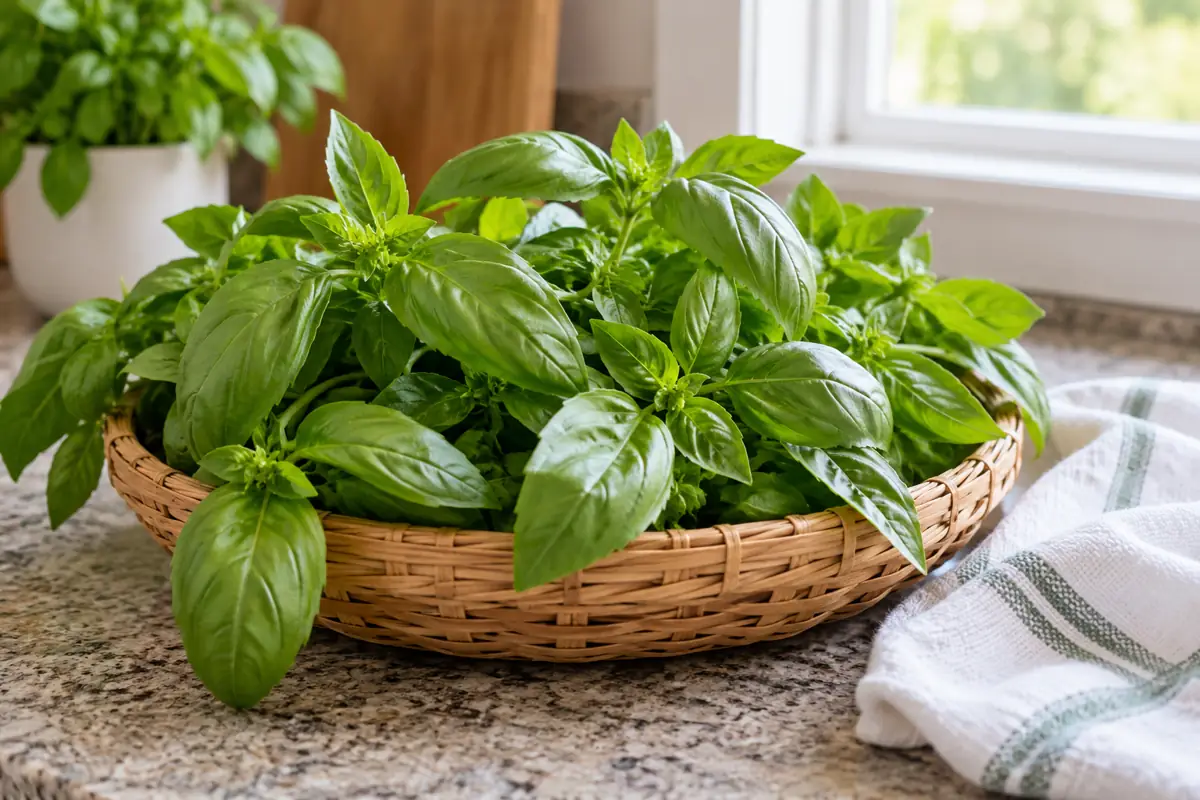

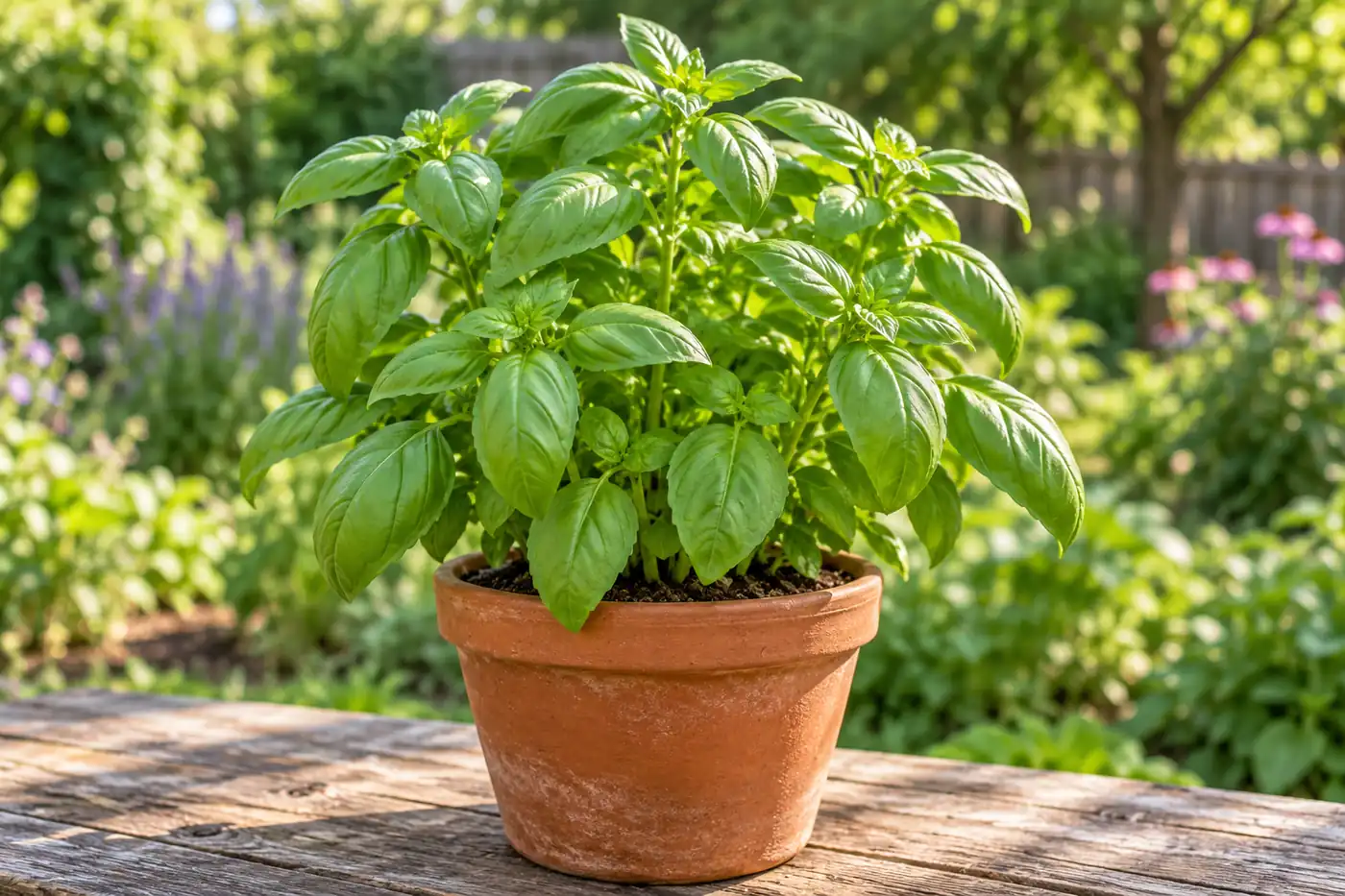
How to prune basil starts with finding a healthy pair of leaves below the growing tip, then cutting the stem just above that pair. Leave the leaves and the small buds beside their attachment points on the plant. Removing the tip gives those side shoots an opportunity to grow, changing one long stem into a more branched plant.
The amount to remove depends on what remains. A vigorous outdoor basil with several leafy branches can supply a larger harvest than a small transplant or a pot struggling through a dim indoor winter. Pulling off the largest leaves alone also gives a different result from shortening a whole shoot. Before reaching for scissors, find the growing point, trace its stem down to a suitable leaf pair, and check that the plant has enough healthy foliage to recover.
Find the cut, then check the plant
Where: cut just above a healthy pair of true leaves. Keep the leaves and the buds between their stalks and the main stem.
How much: for repeated harvests from an established, vigorous plant, leave at least half the plant. Take less from a small or stressed basil.
When again: wait for the remaining shoots to grow usable new leaf pairs. Slow growth calls for a longer recovery, not another scheduled cut.
Pause if the plant is wilted, losing leaves or showing spreading discoloration. Diagnose the problem before shaping it.
Key Takeaways
- Locate healthy leaf pairs before shortening any basil stem.
- Retain side buds and enough foliage for continued growth.
- Wait for new shoots before repeating a substantial harvest.
- Remove flower buds when continued leaf production is your goal.
- Correct poor growing conditions before pruning a struggling plant.
Table of Contents
How to Prune Basil Above a Living Leaf Pair
A basil node is the place where leaves attach to the stem. On sweet basil, two leaves usually sit opposite each other, with the next pair facing a different direction, as shown in NC State Extension’s plant description. Look into the angle between each leaf stalk and the upright stem: a small bud or emerging shoot may be tucked there. Those are the growing points you want to preserve below the cut.
Follow one shoot from its soft top down toward the pot. The soft, tightly folded green leaves at its end belong to the growing tip. Farther down, choose an intact pair of healthy leaves with living tissue around the node. Your cut goes through the stem above that attachment, leaving the pair connected to the roots.
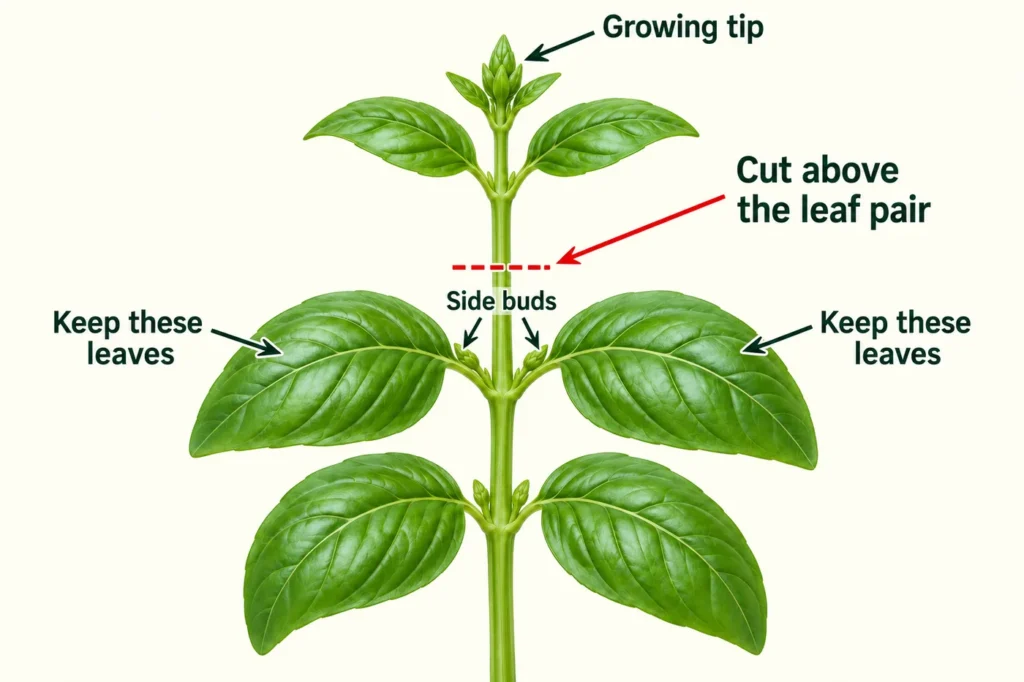
The growing tip helps regulate the shoots below it. Removing that tip changes the growth signals reaching the side buds; light, roots and remaining leaf area then affect how strongly they respond. A pair of buds does not promise two equally vigorous branches. One may develop faster, especially where neighboring foliage shades the other.
Picking leaves and pruning stems do different jobs
Taking a few individual leaves is a valid small harvest. It leaves the terminal growing point in place, so it does not produce the same branching response as shortening that shoot. Repeatedly stripping the large lower leaves can leave a tall stem with most of its foliage at the top.
For shaping and a useful handful of basil, remove a shoot tip above a retained pair. For one or two leaves, take them without tearing the stem and leave ample foliage. Avoid turning every quick leaf harvest into a hard cut simply because the scissors are nearby.
Let True Leaves and Root Recovery Guide the First Cut
A newly emerged basil seedling begins with seed leaves. Its later true leaves develop the familiar basil shape and arrangement. A tiny seedling with little leaf area has little capacity to replace a removed top; wait for several healthy true-leaf pairs and active growth before attempting a shaping cut.
Height alone can mislead you. A seedling stretched toward weak light may be tall and thin, with long spaces between its leaves. A compact plant of the same age can be shorter and better supplied with foliage. Check whether the stem holds itself up and whether fresh leaves are opening before treating height as readiness.
After transplanting, wait for growth to resume
A basil moved from a nursery cell into a bed or larger pot has roots adjusting to new soil, moisture and exposure. If the leaves stay limp or growth has stalled, postpone a substantial harvest. Fresh leaf expansion and a plant that holds its leaves through the normal day are better signs of recovery than the number of days since planting.
A thin, yellowing or collapsing young plant needs a seedling symptom check before more tissue is removed. Pinching cannot repair a damaged stem base, restore missing light or make waterlogged roots breathe.
| Plant condition | First action | Check before cutting again |
|---|---|---|
| Small seedling with few true leaves | Keep its foliage and improve growing conditions | Several healthy leaf pairs and active growth |
| Established plant with leafy shoots | Shorten selected tips above retained pairs | New lateral shoots carrying usable leaves |
| Vigorous plant needing a larger harvest | Harvest stems and retain at least half the plant | Leaf area and new growth restored before another large cut |
| Wilted, yellowing or diseased plant | Pause shaping and inspect leaves, roots and moisture | Cause identified and recovery visible, or replacement needed |
Make a Clean Cut Without Crushing the Node
Work after dew or rain has dried from the foliage. Wet leaves look glossy, feel slippery and cling together where your hands move through the plant. University of Illinois Extension’s basil growing and harvesting recommendations place the cut just above a pair of leaves and advise retaining at least half the plant for regrowth.
- Choose the retained pair. Trace the shoot downward and find healthy leaves with intact buds at their bases.
- Support the shoot gently. Keep a hand beneath the cutting so its weight does not pull a strip from the stem.
- Cut through the stem above the node. Leave a small clearance above the attachment without cutting into either bud or leaving a long bare stalk.
- Check what remains. The leaf pair should still be attached, and the stem should have a clean end without a ragged split.
- Reassess the whole plant. Move to another branch only if enough healthy foliage will remain after that cut.
A soft growing tip may pinch cleanly between a thumbnail and finger. A thicker stem can feel fibrous between your fingers and bend into a ragged split. Use clean, sharp scissors or small snips when pinching would crush the tissue. The working ends of garden cutting tools should suit the stem size; a large lopper is unnecessary for tender basil.
Stop when the tool squeezes the stem flat without severing it. Clean the blade, check its edge and make a controlled cut with a suitable tool. Do not pull the last attached fibers apart. A damaged node cannot be counted on to supply the side shoots you meant to keep.
Wait for Leafy Side Shoots Before Harvesting Again
After pruning, inspect the retained nodes for expanding side shoots. New leaves start small and folded, then spread into recognizable pairs. Once a lateral has made enough healthy growth to leave foliage below its next cut, it can become another harvestable shoot.
That cycle follows growing conditions. Warm weather, adequate light and functioning roots can produce quick regrowth; cold nights, a dim window or root damage can make it much slower. Regrowth may appear within about a week in favorable conditions, a timescale noted in Illinois and University of Minnesota Extension guidance. Allow longer when new leaves are not expanding.
Leave enough plant to power the next harvest
For an established plant intended to keep producing, retain at least half the plant during a larger harvest. Treat that as a limit for a vigorous basil, not a target every plant must tolerate. A small transplant, a recently stressed pot or a plant with damaged leaves needs a lighter cut or a pause.
Alternate among sufficiently leafy branches if they are developing at different speeds. Harvesting every stem to its lowest pair on the same day can leave little canopy, even when each individual cut is above a node. Step back and look at the whole plant before deciding that another branch is expendable.
The leaves left behind intercept light and supply sugars for growth. A bare stem has lost much of that working surface. Fertilizer cannot substitute for the foliage removed, and extra feeding is not a reliable way to force a heavily stripped plant back into growth.
Remove Flower Buds for Leaves or Keep Them for Blooms
A basil entering its reproductive phase develops clustered buds and then flowers near the shoot tips. For continued leafy growth, remove a budding tip above a healthy leaf pair below it. If the flower spike has lengthened, trace its stem to a suitable leafy node and cut there.
Removing flowers can help maintain a leafy plant, but it does not erase age, cold exposure or poor growing conditions. An old, sparsely leafed basil with woody stems will not automatically become a young compact plant after every flower is removed.
Flowers are also a legitimate goal. You may keep a flowering plant for its appearance or visiting insects and harvest leaves from another. Basil does not become poisonous simply because it flowers. Leaf flavor and texture can change with plant type, age and conditions; flower removal is a growing choice, not a food-safety cure.
Different basil varieties have different leaf shapes, aromas and growth habits. A flowering purple-leaved ornamental and a sweet basil grown for repeated handfuls of leaves need not be managed toward the same appearance.
Retain Living Nodes on Leggy or Woody Basil
A leggy basil has long gaps between leaves, often with a crowded tuft near the tip. Older lower stems may feel firm and look tan as they become woody. Before cutting it shorter, find where healthy leaves and usable buds remain. Shorten selected shoots above those points, keeping enough foliage to sustain recovery. Avoid reducing the whole plant to a bare brown stump.
Correct the condition that made the stems stretch
If usable light is weak, new shoots can stretch again after pruning. Move an indoor plant to a location that receives adequate direct light or use a suitable plant light, adjusting exposure gradually if the leaves have been shaded. Cutting more frequently does not compensate for a plant that cannot capture enough light.
Turn a one-sided pot so its developing shoots are not always shaded by the older canopy, and give neighboring plants room. A supermarket pot may contain several crowded seedlings; repeated top cuts do not remove competition among their roots. Check crowding and drainage before expecting one pruning session to fix the pot.
Separate a winter harvest from a recovery cut
Basil is frost-tender. Before a killing frost, a final outdoor harvest has a different purpose from pruning a plant for more growth. There is no benefit in preserving a large canopy for recovery if freezing weather will end that plant’s season.
For a pot moved indoors, inspect it first and expect growth to respond to the new light and temperature. In a cool, dim room, take only what the plant can replace. A slow winter basil should not receive the same repeated heavy cuts as a leafy plant growing outside in summer.
Diagnose Wilt and Discoloration Before Cutting More
Leaves should not be treated as expendable because they look untidy after a harvest. Limp growth in dry mix and limp growth in saturated mix can resemble each other. Check moisture below the surface, drainage holes and the stem base before adding water or making another cut.
Root oxygen loss is one of the problems behind wilting in wet soil. A pot standing in drainage water needs that cause corrected. University of Maryland Extension’s herb problem diagnoses distinguish waterlogging and root trouble from a simple need for more water.
| Visible sign | What to check | Action |
|---|---|---|
| Limp leaves, dry root ball | Moisture inside the pot, not only the crust | Water the root zone as needed; reassess after recovery |
| Wilt with persistently wet mix | Blocked drainage, standing water and root damage | Correct drainage and pause further harvesting |
| No expanding side shoots | Remaining buds, leaf area, light and temperature | Improve the limiting condition; do not recut bare stems repeatedly |
| Yellow areas between veins, gray growth underneath | Possible basil downy mildew; compare both leaf surfaces | Seek local Extension confirmation; remove confirmed affected plants |
| Soft, darkening tissue spreading below a cut | Possible rot or injury; compare with dry, firm cut tissue | Stop shaping and obtain a diagnosis if the damage spreads |
Yellowing alone does not diagnose downy mildew. Yellow areas limited by major veins and grayish growth on leaf undersides are warning signs described in University of Minnesota Extension’s basil disease guidance. In a home garden, confirmed infected plants should be removed; repeatedly pinching their tops does not cure the infection. A local Extension office can help distinguish it from nutrition or root problems.
A cut end may dry after pruning, leaving firm tissue with a dull brown surface. That differs from soft tissue that spreads down the stem, a collapsed base or discoloration appearing on additional leaves. Photograph both leaf surfaces and the stem, record recent watering and weather, and keep a suspect plant away from healthy basil during the assessment.
Conclusion
Choose each basil cut from the living growth you will leave behind. Keep a healthy leaf pair and its buds below the cut, preserve enough canopy, and let new shoots develop before another substantial harvest. Flower removal serves a leafy harvest goal; light, warmth and root health determine whether the plant can keep supplying it.
Photo credit
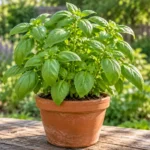
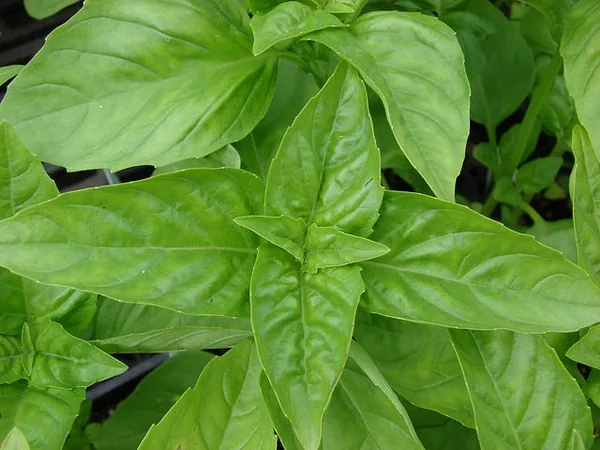
Sweet basil growing tip: Forest and Kim Starr, Ocimum basilicum. Source: https://plants.ces.ncsu.edu/plants/ocimum-basilicum/ License: Creative Commons Attribution 2.0, https://creativecommons.org/licenses/by/2.0/ Converted to WebP. The photograph retains its original license.