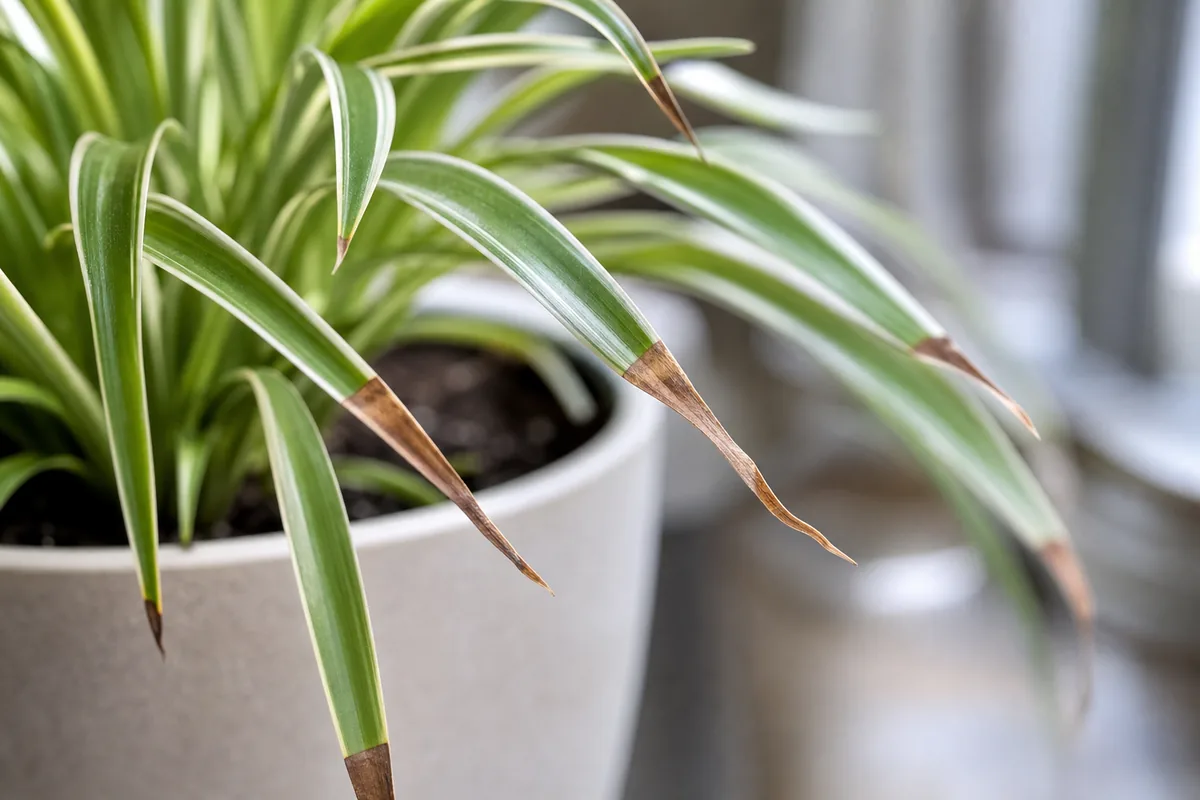
Leaves with brown tips usually point to tip burn, where the end of the leaf dries faster than the plant can replace water through its roots. The damaged point may feel papery, tan, dark brown, or crisp enough to crack under a fingernail. Several stresses can create that same brown triangle: dry air, uneven watering, mineral-heavy tap water, fertilizer salts, compacted mix, and injured roots.
The useful signal is the pattern. A narrow brown tip on an otherwise green leaf tells a different story from spreading spots, yellow halos, soft black tissue, or a whole leaf turning brown from the stem. Read the edge, the soil, the newest growth, and the pot before trimming anything away.
Brown Tip Diagnosis In 30 Seconds
Crisp tip only
Check humidity, watering gaps, heat vents, and mineral-heavy water first.
Brown edge band
Look for salt buildup, fertilizer burn, dry root pockets, or sun scorch.
Soft middle browning
Lift the pot and inspect roots before adding water or fertilizer.
Round spots
Treat it as a spot or disease pattern separate from ordinary tip burn.
Key Takeaways
- Read the pattern before trimming brown tissue away.
- Check roots and moisture before adding fertilizer.
- Flush salts after the pot drains freely.
- Avoid softened water on sensitive houseplants.
- Judge recovery by clean new growth.
Table of Contents
Leaves With Brown Tips Mean Tip Burn, Not Always Disease
A brown tip starts at the farthest end of the leaf blade because that tissue is last in line for water movement. When transpiration pulls moisture out faster than roots can replace it, the tip dries first. On narrow-leaved plants such as spider plant and dracaena, the damage often forms a clean triangle. On broad leaves, it may show as a dry edge or a thin brown crescent.
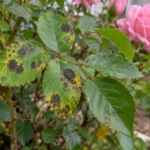
Tip burn stays different from brown spots on plant leaves. Spots appear as separate lesions, often with a halo, center, ring, or spreading pattern. Tip burn follows the outermost tissue. That difference matters because a salt, humidity, or root correction will not stop an active leaf-spot problem, and a fungicide will not repair a dry tip.
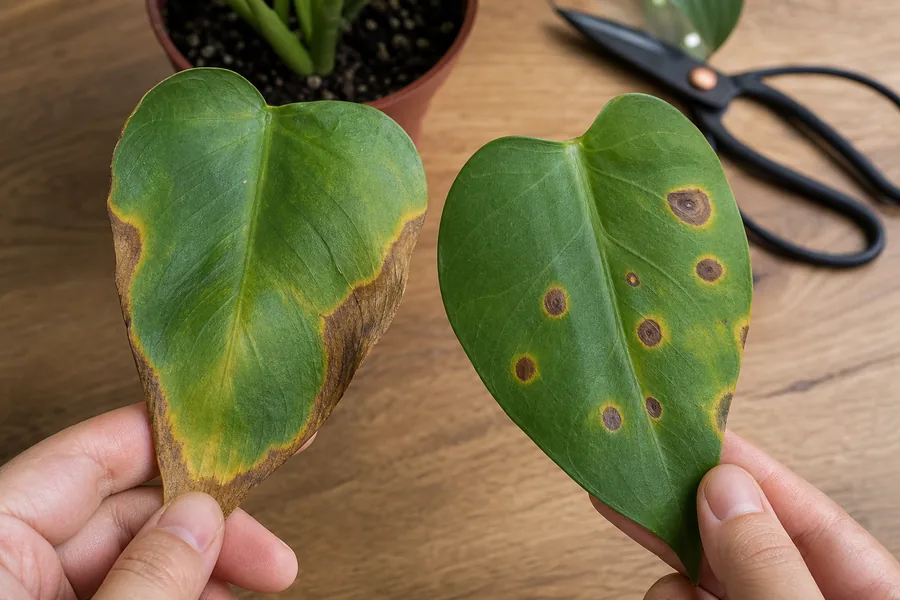
RHS houseplant leaf-damage guidance separates brown tips and margins from spots, yellowing, deformation, and leaf drop because the surrounding signs change the diagnosis. If the damaged area is crisp, dry, and limited to the tip or margin, start with water movement. If the tissue is soft, wet, sunken, or spreading inward from a spot, isolate the plant and inspect for disease or root rot.
Underwatering, Overwatering, And Low Humidity Change Water Movement
Tip burn often begins with a water supply mismatch. A dry root ball cannot move enough water into the leaf edge. A waterlogged root ball can fail in the same visible way because roots need oxygen to function. The leaf does not care whether the shortage began from drought or suffocation; the tip still dries when water transport falls behind loss from the leaf surface.
Use the pot as evidence. A dry pot feels light, pulls away from the rim, and may let water race down the sides without wetting the center. A wet pot feels heavy for days, may smell sour, and can hold dark, soft roots near the bottom. If browning appears with droop, yellowing, and a slow dry-down, compare the pattern with signs of overwatering plants before adding more water.
Low humidity adds a second pull. Dry indoor air can leave houseplants with crisp leaf tips and edges, especially in heated rooms. A pebble tray can raise moisture just around the plant when the pot sits above the water line. Sitting the nursery pot in water turns a humidity fix into a root problem.
Tap-Water Minerals, Salt Buildup, And Fertilizer Burn Leave Edge Clues
Tap water and fertilizer can leave dissolved salts in a container after the plant uses the water. Over time, those salts concentrate in the potting mix. Roots then have to pull water through a more mineral-heavy zone, and the leaf tips may brown even when the plant is being watered on schedule.
Low humidity, inconsistent watering, excess fertilizer salts, and water quality all appear in Iowa State’s houseplant brown-tip FAQ. Sensitive plants include spider plant, dracaena, prayer plant, calathea, and ti plant. Rain barrel water can suit houseplants, partly because some indoor plants with long narrow leaves are sensitive to softened water, chloride, and fluoride.
Look for the mineral clues before blaming humidity. A white crust on the soil surface, a pale ring on the pot rim, or residue around drainage holes points toward salt accumulation. Reduced growth, brown leaf tips, dead root tips, and wilting are common fertilizer salt buildup signs. Those signs carry more weight when feeding has continued through low-light winter growth or when fertilizer was applied to a dry root ball.
Fertilizer burn is easier to prevent than to reverse. Feed only when the plant is actively growing and the mix is already lightly moist. A soluble fertilizer poured into bone-dry mix can hit root tips too strongly, especially in small pots where there is little soil volume to buffer the salts.
Root Damage And Poor Drainage Decide Whether Flushing Helps
A flush helps after water can move through the pot. If the mix is dense, peat-heavy, compacted, or sitting in a cachepot with no drainage, extra water can trap roots in a low-oxygen zone. Brown tips then continue because the plant has fewer working root tips, not because the leaves need more moisture.
Tip the plant from its pot when browning spreads despite normal watering. Firm pale roots can stay. Brown, hollow, slimy, or foul-smelling roots should be cut away with clean tools. A plant with damaged roots needs a smaller watering volume until new roots grow into the mix again. Saturated soil around a reduced root system stays wet too long.
Drainage holes matter more than decorative containers. A nursery pot inside a cachepot is fine if the inner pot is lifted after watering and emptied. A saucer that holds water for more than 20 minutes keeps the lower mix wet. The next brown tip may be a root-oxygen problem in a room that still feels dry.
Leaves that brown at the tip and then curl can overlap with plant leaves curling. Direction helps. Upward curling with crisp edges often follows heat, dry air, or dry roots. Downward curling with yellowing and a heavy pot points more often toward wet roots, low oxygen, or salt stress.
How To Trim Brown Tips Without Harming The Leaf
Brown tip tissue does not turn green again. Trimming can make the plant look cleaner. The cause still needs correction. Cutting brown portions improves appearance, and new browning continues if the root cause remains.
Use clean scissors and leave a very thin brown edge outside the green tissue. Fresh green cuts dry and can create a new tan outline. Follow the natural leaf shape on narrow leaves, especially spider plants and dracaenas, so the trimmed point stays tapered. Wipe scissors with alcohol between plants when spots, soft tissue, or pest residue are present.
Remove the whole leaf when more than half of it is brown, soft, or collapsing. Keep a mostly green leaf when the tip is the only damaged part. It still feeds the plant. If several older leaves are fading yellow as tips brown, read the age pattern with yellowing leaves before deciding that every damaged leaf has the same cause.
A Practical Flush-And-Recovery Plan For Salt And Mineral Stress
Flush only after the pot passes three checks: drainage holes are open, the root ball is not sour or mushy, and the plant is not sitting in a decorative container full of water. If those checks fail, fix drainage or roots first. A flush through a sick root zone can make the problem worse.
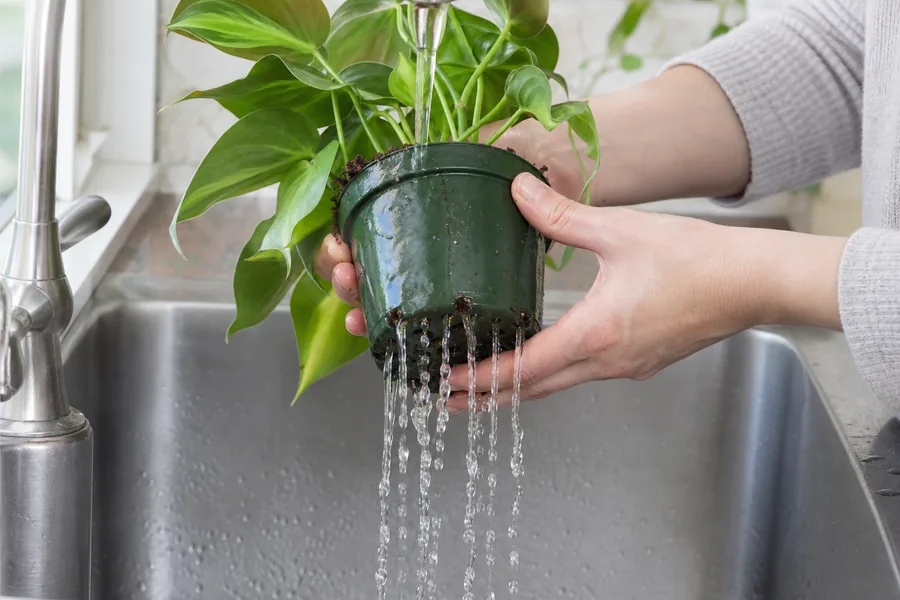
For a safe flush, water the mix thoroughly once and let it drain. Wait five to ten minutes so salts dissolve, then water again until liquid runs freely from the bottom. Discard every bit of drainage water. A UC Master Gardener explanation of leaching houseplants to remove salts uses the same two-step logic: the first watering dissolves salts, and the second carries them out through the drainage holes.
Do not fertilize immediately afterward. Let the plant dry to its normal watering point, then wait for clean new growth. If the plant is sensitive to fluoride or hard water, switch to rainwater, distilled water, or filtered water for several waterings. On dracaena, fluoride in tap water can damage foliage and brown the tips, which matches the common pattern on narrow-leaved plants.
| Signal | Likely cause | First correction | Wait before judging |
|---|---|---|---|
| White crust on soil or pot rim | Mineral or fertilizer salt buildup | Flush if drainage is good | Two to four weeks of new growth |
| Light pot and papery leaves | Dry root ball or missed watering | Rewet slowly, then reset schedule | One full watering cycle |
| Heavy pot and soft roots | Overwatering or poor drainage | Repot into airier mix | Three to six weeks |
| Crisp tips near a vent | Dry air or heat exposure | Move plant and raise local humidity | New leaves only |
How To Prevent Brown Tips From Returning
Prevention works best when watering, air, and feeding match the plant more than the calendar. Check the pot by weight and finger depth before watering. Let the top inch or two dry for many foliage plants. Avoid letting moisture-sensitive plants collapse before every drink. What should change first if the newest leaf opens clean as old tips stay brown?
Keep fertilizer light. Use half-strength feed during active growth, then pause or reduce it when winter light drops. Flush the pot every two or three months if you see crust, use hard tap water, or feed often. Plants in bright light and active growth can use more nutrients than plants sitting six feet from a window in winter.
Raise humidity around tropical foliage without soaking the roots. Group compatible plants, use a humidifier, or set the pot above water on pebbles. Misting gives a brief surface wetting and can leave mineral spots when water is hard; it does not replace a stable room humidity change.
Match water quality to plant sensitivity. Spider plants, dracaenas, calatheas, prayer plants, and some orchids often show tip burn before tougher plants in the same room. If one sensitive plant browns while pothos and philodendron look fine, test a month of rainwater, distilled water, or filtered water before changing every part of the care routine.
Conclusion
Brown tips are old damage, so the best proof is not a cleaner-looking trimmed leaf. The proof is a new leaf that opens green, holds its edge, and stays firm through the next watering cycle.
Start with roots and moisture, then move to humidity, water quality, and fertilizer. When the cause is corrected, the plant stops adding new crisp points, and the next growth feels smooth instead of papery at the edge.
Frequently Asked Questions
How do I fix brown tips on plant leaves?
Fix the cause, then trim only the dead tissue. Check moisture, roots, humidity, water quality, and fertilizer salts before cutting. The brown part will not turn green. Clean new growth shows the correction is working.
Does overwatering cause brown leaf tips?
Overwatering can cause brown tips when roots lose oxygen or begin to rot. The pot usually stays heavy, leaves may yellow or droop, and roots can look dark or soft. Letting the mix dry slightly helps only if the roots are still firm.
Can a plant recover from brown tips?
A plant can recover. The damaged tips remain brown. Recovery shows in new leaves that open without crisp edges, stronger root growth, and a normal dry-down rhythm. Most houseplants need several weeks to show that change.
What does it mean when the tips of the leaves are brown?
Brown tips usually mean the leaf edge dried or burned from water stress, low humidity, mineral buildup, fertilizer salts, poor drainage, heat, or sensitive roots. Separate round spots, soft tissue, or spreading lesions point to a different problem.