

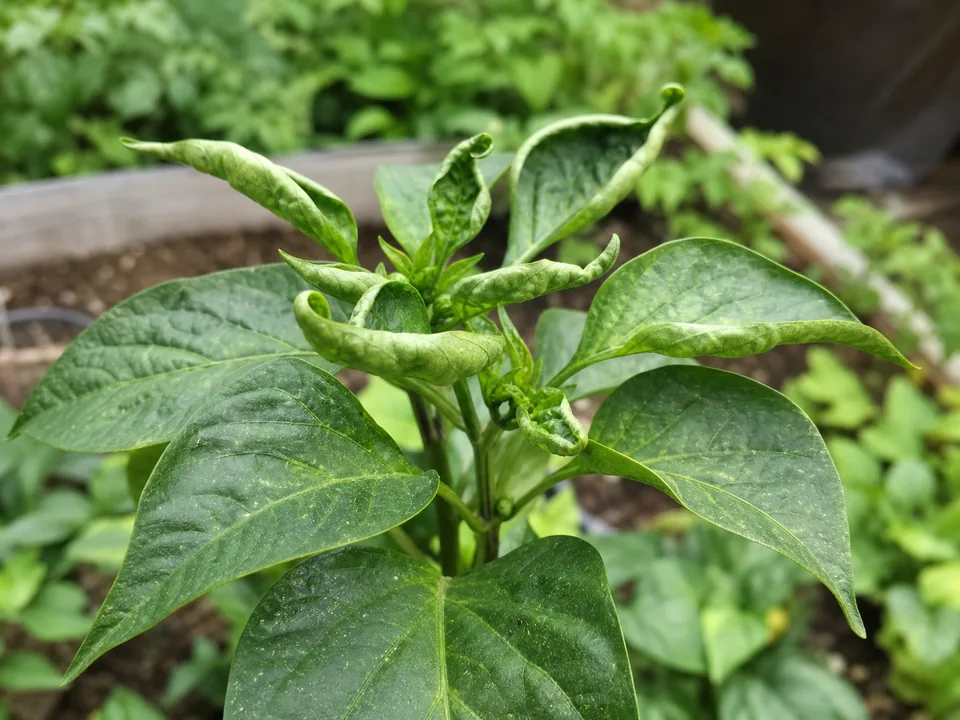
Plant leaves curling usually means the leaf is losing water faster than roots can replace it, the newest growth is being distorted, or the plant is reacting to pests, chemicals, heat, or root stress.
A curled leaf is useful only when you read the pattern. Tight upward cups on older leaves after a hot afternoon point somewhere different from twisted new tips, sticky shoots, or a wet pot that still makes the plant droop. The fastest fix starts with the leaf direction, then the age of the affected growth, then the soil and underside of the leaves.
Plant Leaves Curling Quick Diagnosis
Start with the pattern you can see before adding water, fertilizer, or sprays.
Key Takeaways
- Read curl direction before changing the watering routine.
- Check newest growth first for pests or chemical injury.
- Test soil depth before treating curl as thirst.
- Avoid fertilizing plants with stressed or damaged roots.
- Remove leaves only after the cause is controlled.
Table of Contents
Plant Leaves Curling Upward Means Heat, Drought, or Leaf Protection
Upward curling often starts when the leaf surface gets hotter or drier than the roots can support. The edges roll toward the midrib, the surface may feel firmer than usual, and the plant may look worse at 2 pm than it does at dusk.
This pattern can be a water-conservation response, especially on tomatoes, peppers, citrus, houseplants near sunny glass, and container plants on hot patios. When roots still have usable moisture, the plant may relax after sunset. When the root zone is dry through the active depth, the curl keeps tightening and the edges may turn tan or papery.
Do not water only because leaves are curled at midday. Push a finger, wooden skewer, or soil probe below the dry surface. Roots that cannot supply enough moisture can leave stems and leaves wilted or curled even when the surface sign looks simple. If the soil is damp below the surface, shade, airflow, and root temperature matter more than another soak.
Outdoor pots add a second clue. Dark plastic, thin nursery containers, and pots sitting on concrete can heat the outer root zone fast. A plant may have water in the pot and still curl because hot roots and hot leaves are moving water out faster than roots can move it in.
Downward Curl Points More Often to Roots, Overwatering, or Heavy Stress
Downward curl usually feels heavier. Leaves bend under, stems soften, and the plant may stay dull even after the day cools. That pattern deserves a root check before a hose check.
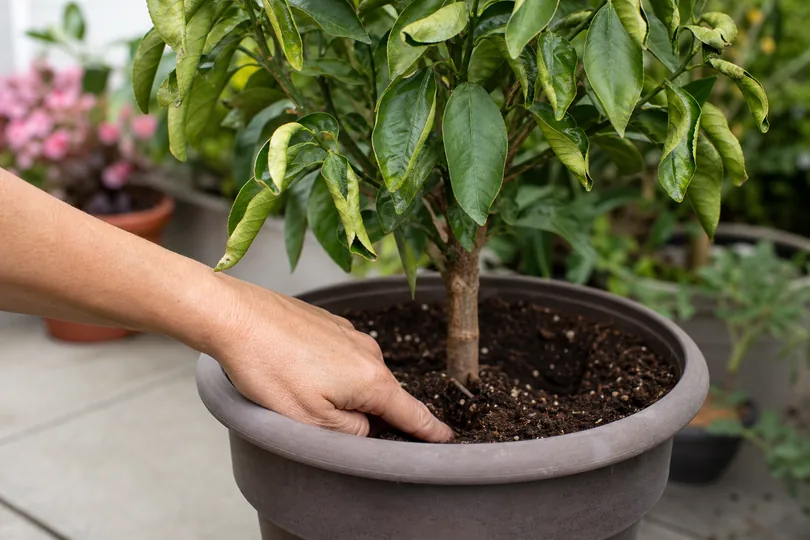
Overwatered soil loses air space. Roots need oxygen around them to absorb water, and a saturated pot can leave leaves limp even when the soil still feels wet. Indoor plants are especially vulnerable when a decorative cachepot holds drainage water under the nursery pot. Over-watering and poor drainage can cause root rot, so a wet pot with curled, yellowing, or drooping leaves should dry and drain before it receives more water.
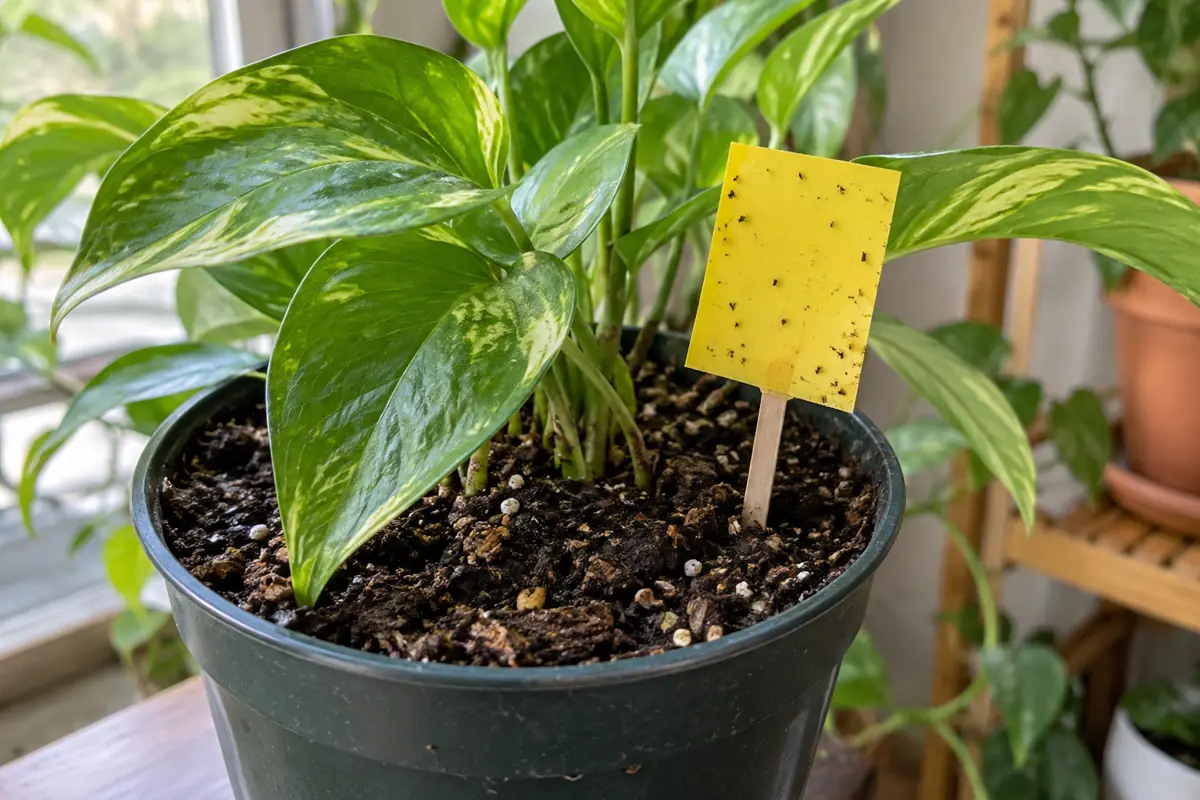
Smell the soil near the drainage holes. A sour smell, blackened roots, algae on the surface, or fungus gnats around the pot all move the diagnosis toward root stress. In a garden bed, compacted clay, buried hardpan, or mulch packed against stems can create the same low-oxygen problem after rain.
Fertilizer makes this situation worse when roots are damaged. Salts pull water across root membranes and can add leaf-edge burn to a plant that already cannot move water well. Wait for firm new growth, clean drainage, and a normal dry-down rhythm before feeding again.
New Growth Curling vs. Older Leaves Curling Changes the Diagnosis
New growth is the plant’s most sensitive tissue. When the newest leaves curl, twist, pucker, or come out smaller than expected, the cause often sits at the growing tip, not in yesterday’s weather.
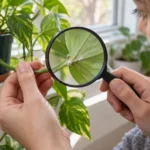
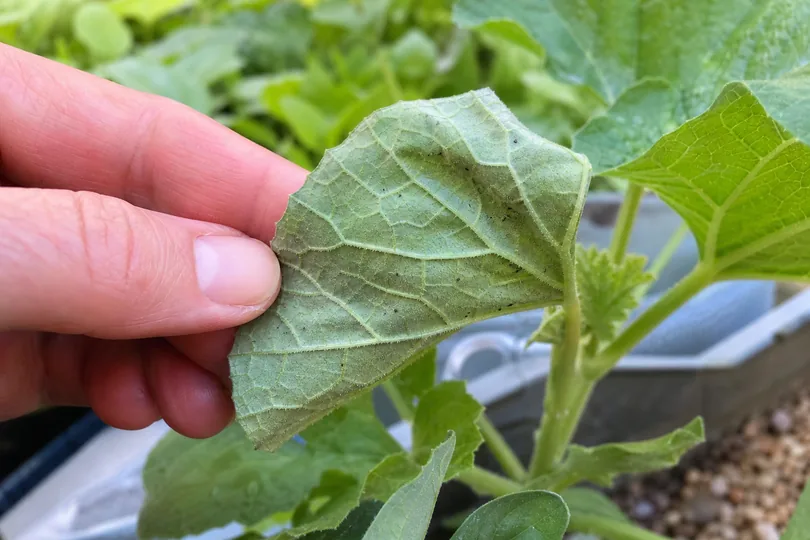
Aphids feed on tender shoots and can leave sticky residue, shed skins, and curled young leaves. Thrips can scar and distort fresh growth. Spider mites often begin on the underside of leaves, where feeding leaves fine pale speckling before the plant looks broadly tired. Stippling and webbing on leaf undersides are stronger evidence than curl alone.
Older leaves tell a different story. When mature leaves curl first, check water rhythm, heat, root volume, soil texture, and salt buildup. A container that dries from the side wall can curl lower leaves even if the center of the pot still feels damp. A bed with shallow watering can keep the top inch dark as the active roots below stay dry.
Ask one question before acting: did the curl begin at the growing tips or across the older canopy? Tip-first curl pushes you toward pest, virus, drift, or growth-regulator injury. Older-leaf curl pushes you toward water movement, heat load, roots, and soil.
Water, Heat, Humidity, and Root Stress Should Be Fixed in That Order
Water stress is not one problem. A dry root ball, a wet root ball, hot leaves, low humidity, compacted soil, and damaged roots can all end with curled leaves. The correction changes with the path.
Start with depth. In a pot, feel the mix near the wall and closer to the stem. If the wall is dry and the center is damp, water may be running down a gap instead of soaking the root ball. Bottom-soaking for 20 to 30 minutes can rewet a dry container more evenly than repeated quick pours from the top.
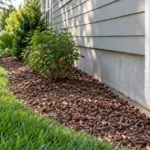
In a bed, check below the mulch and into the root zone. Shallow daily watering can keep the surface pleasant as deeper roots stay dry. A slower soak that reaches active roots usually beats another light sprinkle. If you are also seeing wilt, compare the curl with plant drooping and wilting patterns, because droop plus curl gives a better read than either symptom alone.
Heat stress needs a different first move. Leaves that curl during bright afternoon light and recover at night often need temporary shade, a cooler pot position, mulch over exposed soil, or morning watering before the heat peak. Severe heat-damaged plants may need the recovery sequence in heat-stressed plant recovery after the root zone has cooled.
Low humidity matters most indoors and under dry wind. Prayer plants, calatheas, ferns, citrus, and thin-leaved tropicals curl when the leaf surface dries too fast. Grouping plants, moving them away from vents, or using a pebble tray near the plant can slow water loss. Soggy soil still damages roots when humidity becomes an excuse to water too often.
| Pattern | First check | Likely cause | Best first fix |
|---|---|---|---|
| Upward curl, recovers by evening | Soil moisture below surface | Heat load or short-term drought stress | Add afternoon shade and water only if the root zone is dry. |
| Downward curl, wet soil | Drainage holes and root smell | Low oxygen or root rot pressure | Let soil drain, remove standing water, and pause fertilizer. |
| Curled new tips | Undersides and shoot tips | Pests, virus-like distortion, or chemical drift | Isolate movable plants and inspect with magnification. |
| Crisp curled older leaves | Pot edge and deeper soil | Dry root zone, salt, or reflected heat | Rewet evenly, cool the pot, and flush only when drainage works. |
Pests, Disease, and Chemical Injury Leave Different Curl Signatures
Pest curl often arrives with surface evidence. Aphids cluster on soft tips. Thrips leave silvery scars, black specks, or distorted young leaves. Spider mites leave stippling, fine webbing, and a dusty look that spreads during hot, dry weather. A white paper tap test under the leaf can reveal moving specks before webs become obvious.
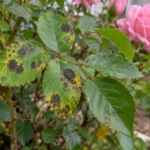
Disease-related curl usually brings extra symptoms: mosaic color, ring patterns, stunting, one-sided yellowing, spots, or distorted leaves that never expand normally. Tomato, squash, pepper, and many ornamentals can show virus-like curl after insect feeding. Once a virus is likely, pruning off curled leaves will not cure the plant; pest control, sanitation, and removal of badly affected plants matter more.
Chemical injury has a sharper story. Herbicide drift, cleaner overspray, high-rate foliar sprays, and fertilizer burn can curl leaves soon after exposure. New growth may look narrow, cupped, strapped, or twisted. Chemical phytotoxicity can cause leaf curling, stunting, chlorosis, necrosis, and premature drop, especially when sprays hit stressed plants or are applied in heat.
Timing separates many of these causes. Leaf curl that appears one or two days after spraying nearby weeds points toward drift. A slow build over weeks with sticky tips points toward insects. Heat-wave curl that improves after cooling points back to water movement and heat load.
What to Fix First When Leaves Curl
Fix the condition that can kill roots or spread first. Standing water, severe heat, active pests, and chemical exposure outrank cosmetic pruning. A curled leaf may look dramatic. The root zone and growing tips decide whether the plant can recover.
Dry soil through the root zone calls for slow watering until the full root area is evenly moist. Wet soil with limp leaves calls for drainage, saucer removal, and a pause before the next watering. Heat curl calls for shade before the next afternoon peak and a cooler pot wall. Active pests call for underside treatment and repeat inspections every few days.
For garden beds, connect curl with the wider watering pattern. underwatering signs in garden plants show up differently from root rot or overwatering, and the wrong correction can push the plant further from recovery. A dry plant needs water at depth. A wet, oxygen-starved plant needs air around roots.
Do not spray first and diagnose later. Oils, soaps, and pesticides can burn leaves when temperatures are high or when the plant is already water-stressed. Pest treatment works best after the plant is hydrated, shaded from harsh sun, and confirmed to have a pest problem.
Can Curled Leaves Recover or Should You Remove Them?
Curled leaves can flatten when the cells are still flexible and the cause was temporary. Heat curl, short dry spells, low humidity, and mild transplant stress often improve after conditions stabilize. The leaf may not look perfect, and it can keep feeding the plant if it remains green and firm.
Leaves that are crisp, torn, heavily spotted, chemically burned, or badly distorted usually will not return to normal shape. They may still photosynthesize if enough green tissue remains. Remove them only when they are mostly dead, rubbing against healthy growth, harboring pests, or blocking airflow around a disease-prone plant.
New growth is the real recovery signal. If fresh leaves come out flatter, larger, and correctly colored, the plant is moving past the stress. When every new leaf curls harder than the last, the cause is still active. Recheck pests, roots, chemical exposure, and soil conditions before trimming the symptom away.
Observation: Gardeners often remove curled leaves too early on peppers and houseplants. The plant loses working leaf area, then slows just when it needs energy to rebuild roots and new tips.
When to Isolate a Plant With Curling Leaves
Isolation makes sense when the curl points to something mobile or contagious. Move potted plants away from others if you see webbing, sticky residue, moving insects, suspicious mottling, or distorted new growth. Keep the plant bright and out of harsh direct sun during inspection and treatment.
Outdoor beds are harder to isolate, so create a working zone. Avoid brushing against affected plants, clean pruners between plants, and inspect nearby hosts with similar tender growth. Pest pressure often begins on the undersides of lower or shaded leaves, then appears suddenly across the canopy once the population builds.
If disease is suspected, remove fallen leaves and avoid overhead watering during identification. For general disease triage, plant disease identification by symptom can help separate spots, rot, mildew, blight, and virus-like distortion before you treat the wrong problem.
Plants exposed to herbicide drift or household chemical overspray should be moved only if they are in containers. For in-ground plants, rinse foliage with clean water if exposure was recent, avoid pruning until damage stops spreading, and watch new growth. Mild injury can stop with the exposed tissue; severe injury keeps appearing in new shoots.
Conclusion
Curled leaves are a signal, not a single diagnosis. Read direction first, then compare new growth with older leaves, check soil depth, and inspect the underside before choosing water, shade, drainage, pest control, or cleanup.
If the next leaves open flatter and greener, the correction is working. If fresh growth keeps twisting, return to the root zone, growing tips, and recent spray history until the plant gives you a cleaner, firmer leaf to read.
Frequently Asked Questions
How do you fix curling leaves on plants?
Fix curling leaves by matching the curl pattern to the cause. Check soil moisture below the surface, inspect leaf undersides and new growth, reduce heat stress, and correct drainage before adding fertilizer or sprays.
Can curled leaves go back to normal?
Some curled leaves flatten when the stress was brief and the tissue stayed green and flexible. Crispy, chemically burned, pest-distorted, or virus-distorted leaves usually keep their damaged shape, so judge recovery by the next healthy leaves.
Can overwatering cause leaf curl?
Yes. Overwatering can remove air from the root zone, damage roots, and make leaves curl or droop even when the soil feels wet. A wet pot with limp curled leaves needs drainage and drying time before more water.
Should you remove leaves that have leaf curls?
Remove curled leaves only when they are mostly dead, pest-covered, diseased, or blocking airflow. Green curled leaves can still feed the plant as new growth recovers, so pruning every curled leaf can slow recovery.