



Beautiful home surrounded by lush hedges and greenery, illustrating the role of hedges in reducing wind speed and enhancing property aesthetics.
Wind Hedging – Hedges as Natural Wind Barriers for Gardens

Planting dense, well-placed hedges can dramatically lower wind speed in gardens and exposed landscapes. By reducing wind force, hedges help shield sensitive plants from mechanical damage, moisture loss, and temperature fluctuations. The effectiveness of each barrier depends on species selection, growth density, and thoughtful placement within the site. Well-designed hedgerows serve as living windbreaks, making…

Read More
Farmer walking through terraced fields, demonstrating soil management strategies after heavy rains to prevent soil erosion.
Soil Erosion – How Rainfall Causes Soil Loss and Degradation

Heavy rainfall can strip away years of careful soil building, leaving exposed roots, nutrient loss, and plant instability. Effective erosion management requires rapid intervention and a multi-layered approach, combining immediate stabilization with long-term design improvements. Addressing runoff, protecting vulnerable zones, and improving soil structure are critical steps to safeguard plant health and preserve topsoil integrity….

Read More
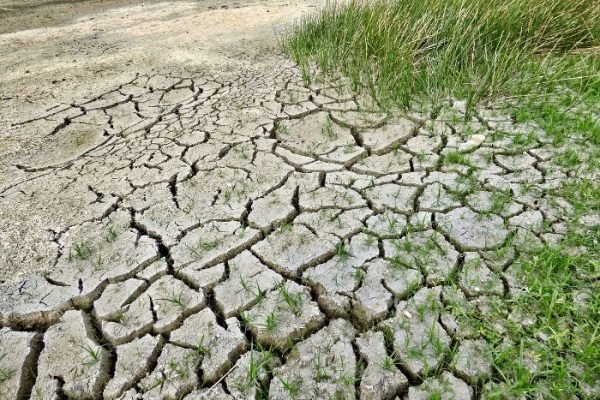
Cracked, dry soil recovering after a drought with emerging green plants, illustrating steps to rebuild soil health and restore fertility.
Rebuilding Soil Health After Drought

Rebuilding soil health after drought brings back fertility, structure, and resilience so gardens can thrive again. Drought leaves soil sealed, compacted, and low in microbial activity. Adding 1-2 inches of compost restores infiltration, while watering in slow cycles rehydrates to a 4-6 inch depth. Microbial partners return with organic matter and inoculants, strengthening nutrient cycling…

Read More