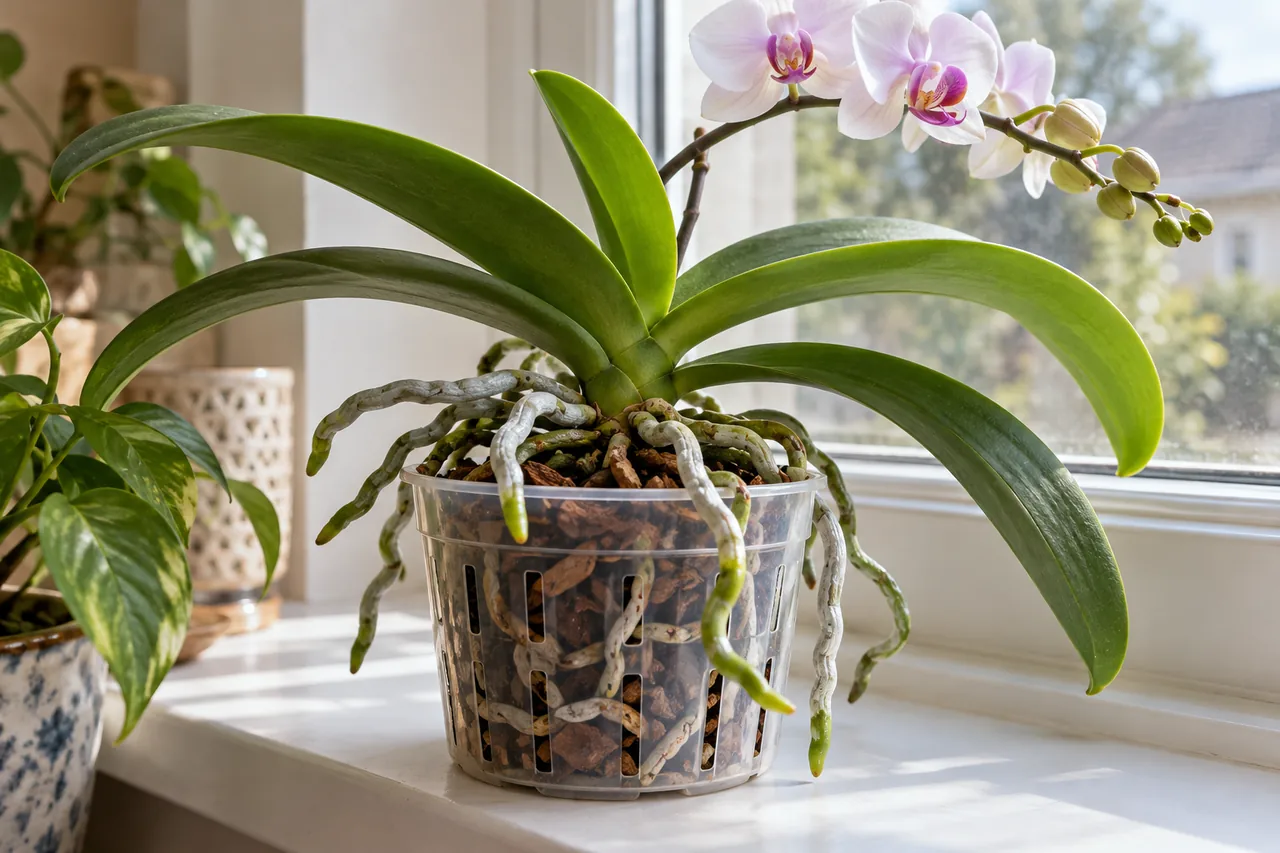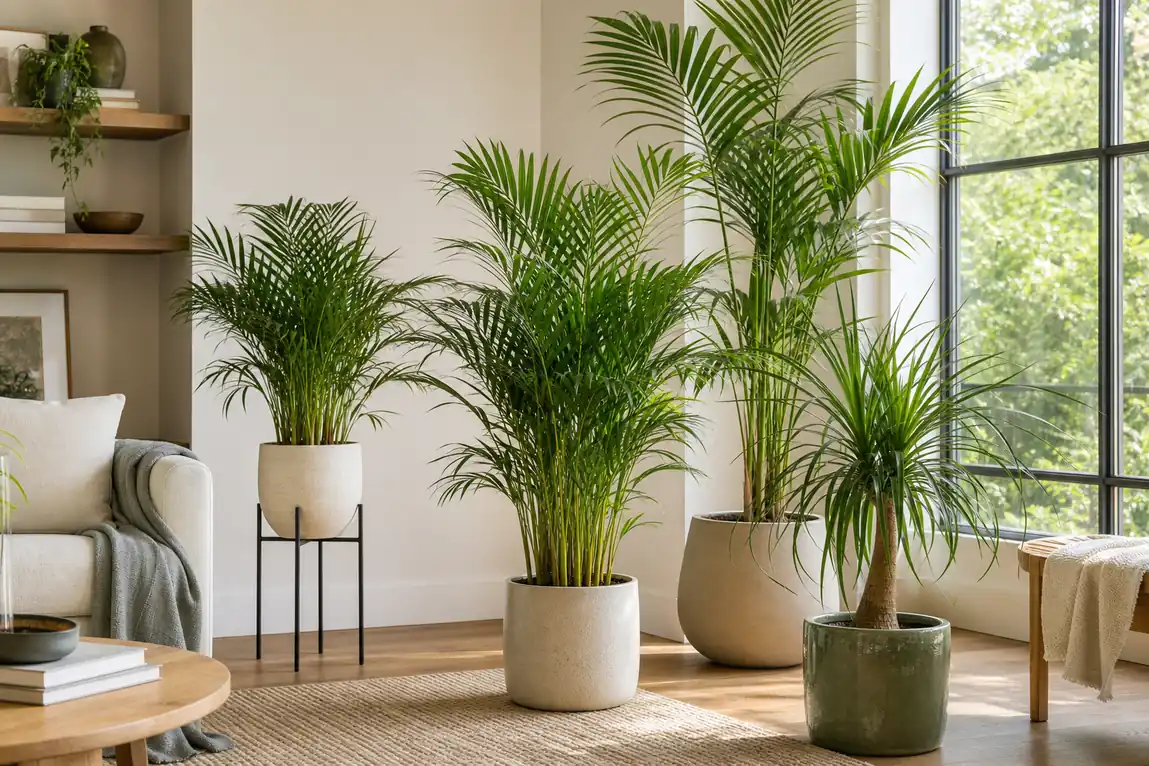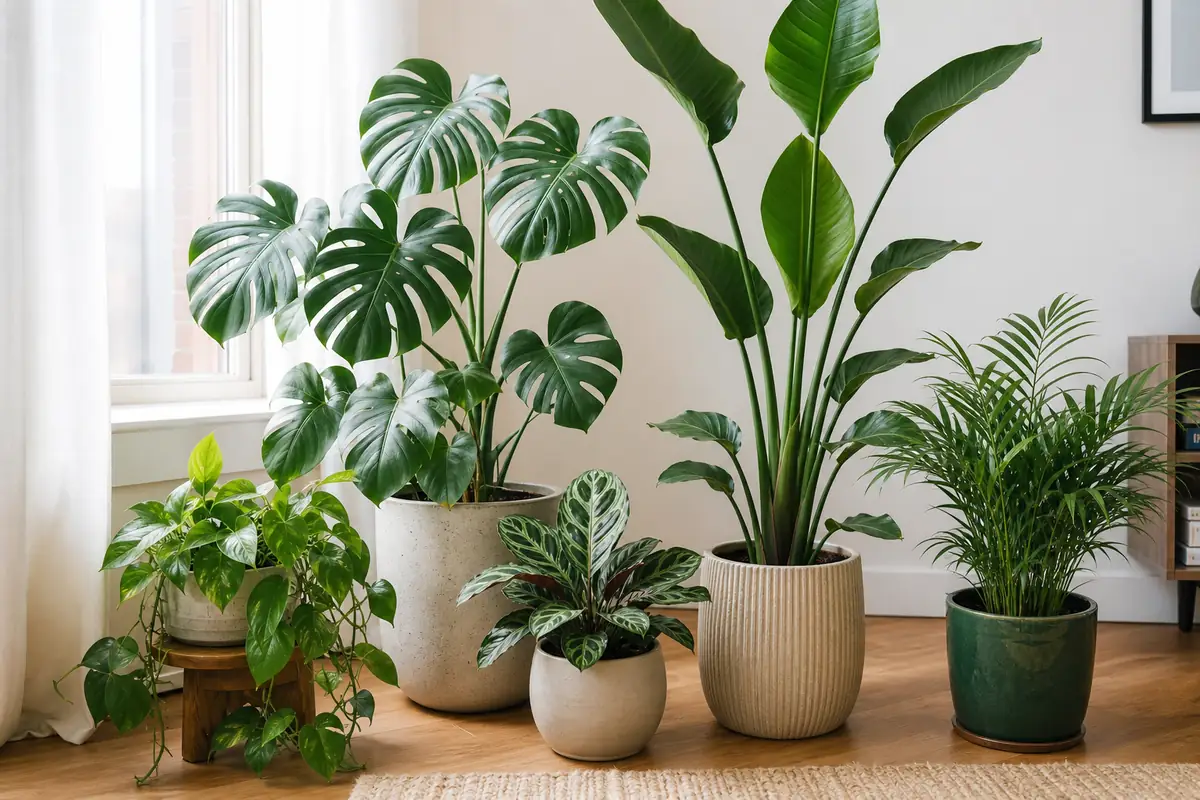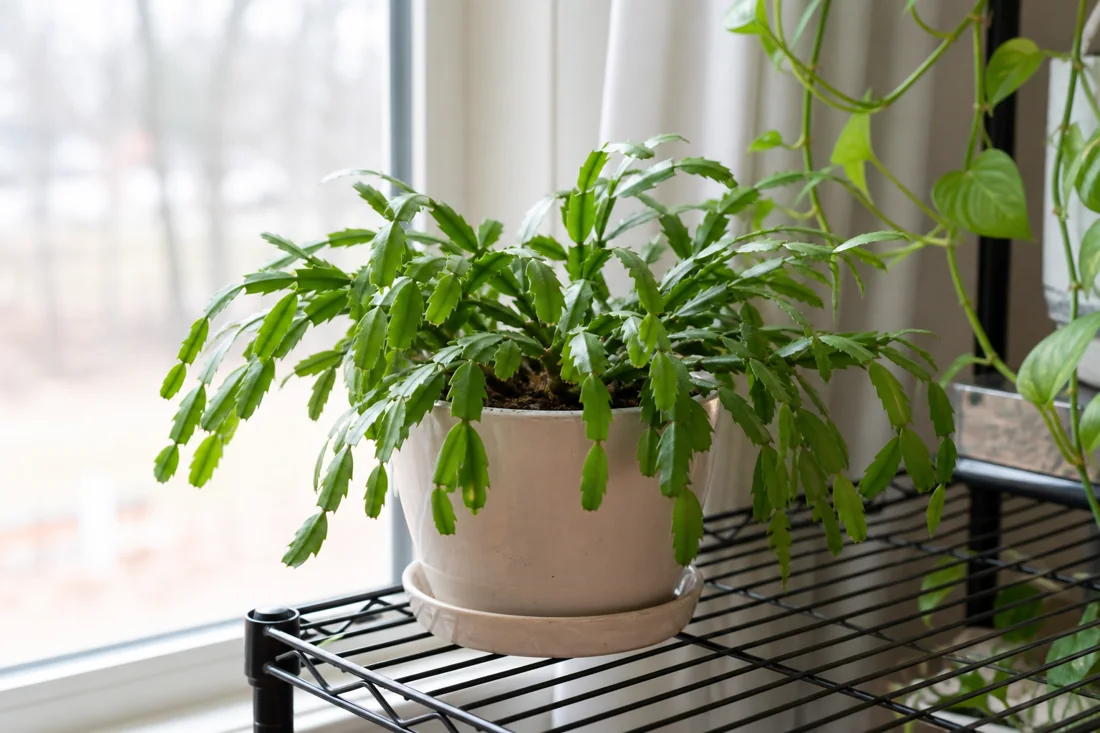




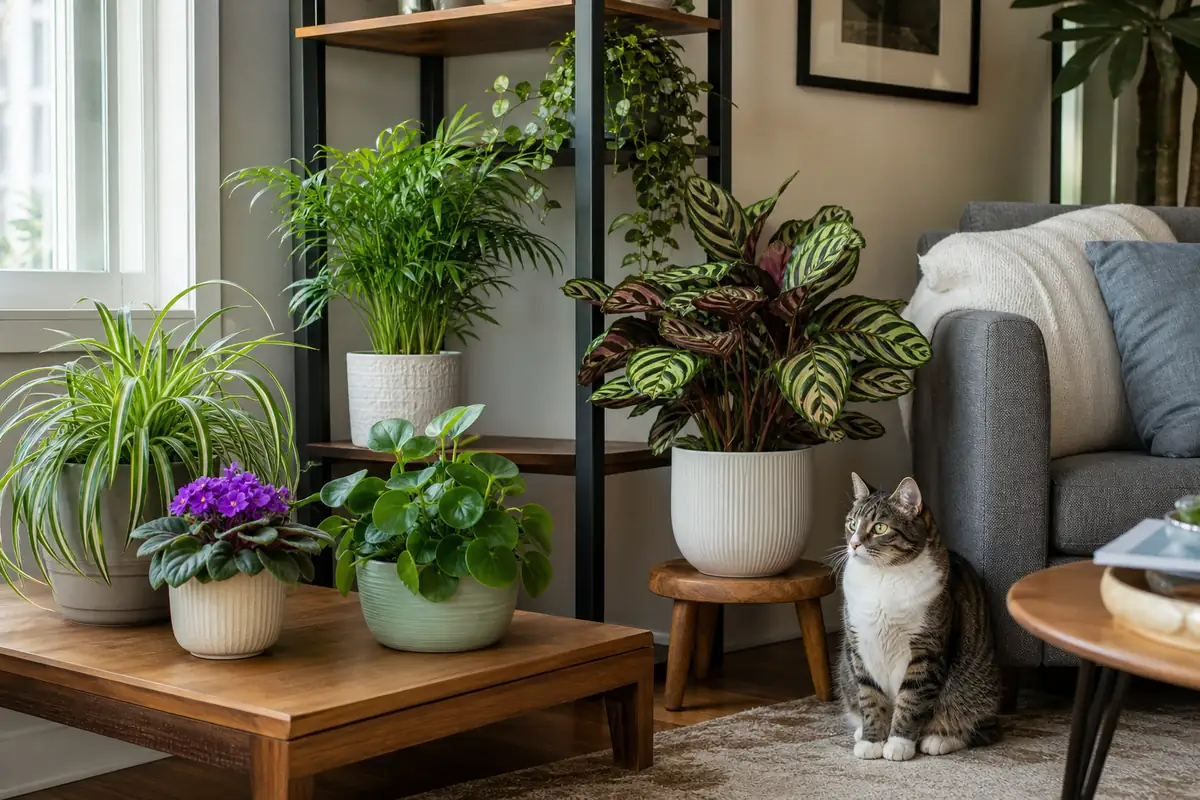
Cat safe house plants should be verified as non-toxic to cats and then matched to the light and care conditions in your home. A plant can appear on a pet-friendly list and still fail in a dark room, collapse from wet soil, or become a chewing target if it sits at nose height. The safest choice is a plant with a verified toxicity status, a realistic care fit, and a placement plan your cat cannot easily turn into a toy.
Use botanical names whenever possible. Common names shift between nurseries, and a single label can point to different plants. For cat households, the plant tag is a starting clue, not the final safety check.
Fast Cat-Safe Plant Selector
Bright indirect light
Compare spider plant, African violet, prayer plant, and baby rubber plant. Protect them from harsh afternoon sun.
Medium indoor light
Start with parlor palm, calathea, peperomia, or spider plant. Check soil before watering because slower light slows drying.
Hanging or shelf spot
Spider plant and Boston fern can work when dangling leaves and fronds stay above playful cats.
Floor plant role
Parlor palm is the stronger starting point. Use a stable pot, a heavy stand, and a spot away from jumping paths.
Key Takeaways
- Verify cat safety by botanical name before buying.
- Choose by light first, then care difficulty and placement.
- Non-toxic plants can still cause vomiting after heavy chewing.
- Stable pots matter as much as plant choice in active cat homes.
- Unknown plant exposure belongs with a veterinarian or poison service.
Table of Contents
Cat Safe House Plants Still Need the Right Light and Placement
A non-toxic plant can become the wrong plant for a cat household when the room works against it. Dry air makes fern fronds shed. Low tables turn spider plant leaves into toys. Lightweight palm pots can tip when a cat jumps beside them. Safety starts with toxicity status, then continues through light, water, pot weight, and access.
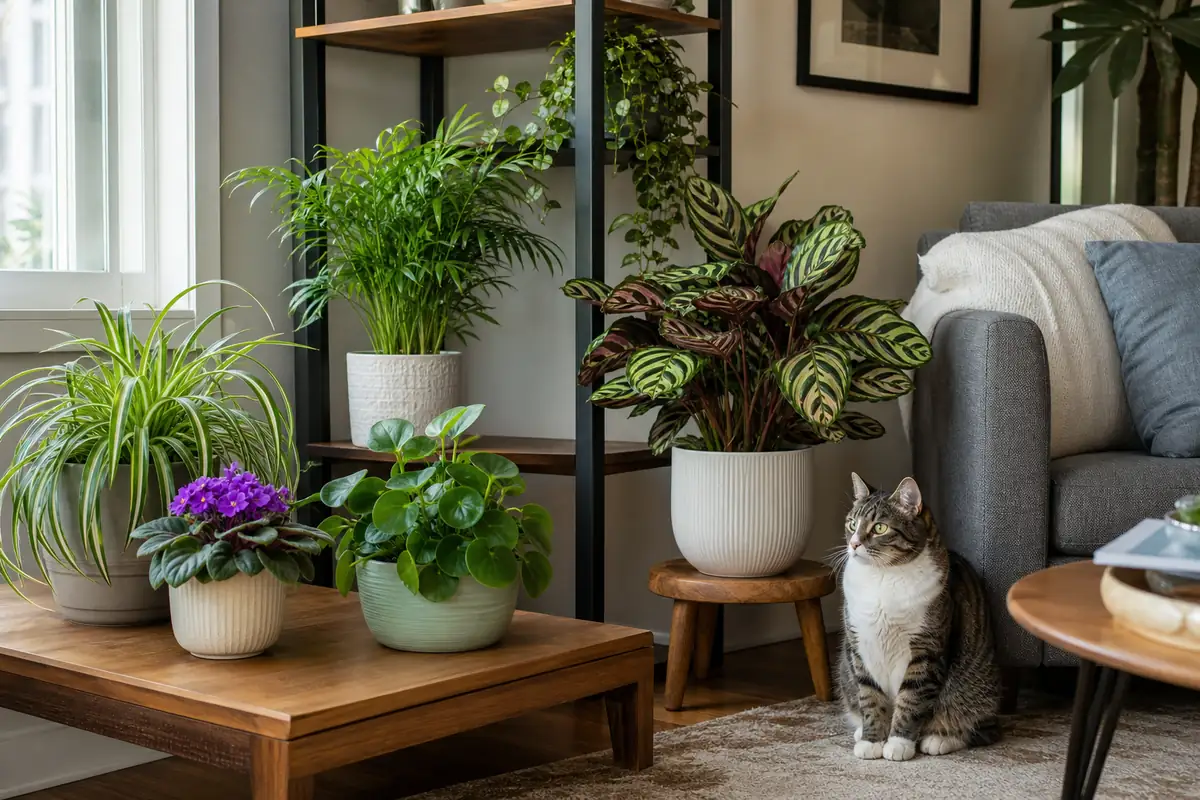
The best first shortlist comes from plants that have a documented non-toxic classification for cats and a forgiving indoor habit. Spider plant, parlor palm, Boston fern, prayer plant, calathea, baby rubber plant, and African violet are common starting points. Their light and water needs differ, so the plant that works beside a window may fail in a shaded bedroom.
| Home condition | Better starting choices | Main caution | Placement rule |
|---|---|---|---|
| Bright indirect window | Spider plant, African violet, prayer plant | Leaf scorch and quick drying | Keep pots out of direct hot glass contact |
| Medium-light room | Parlor palm, calathea, peperomia | Wet soil from slow drying | Check the mix before watering |
| Hanging planter | Spider plant, Boston fern | Dangling foliage encourages swatting | Keep fronds above jumping range |
| Open floor corner | Parlor palm | Tip risk and soil digging | Use a heavy pot and clear landing path |
General plant care decides whether the safer choice survives. Drainage, pot size, soil moisture, and light assessment are easier to manage with a basic houseplant care routine in place before the plant enters the room. Broader houseplants planning also helps when the same room needs several plants with different heights and light needs.
How “Non-Toxic to Cats” Should Be Interpreted
Non-toxic classification means the plant is not listed as a poisonous plant for cats in the referenced database. It does not mean the plant is food. Cats can vomit or develop stomach upset after chewing plant fiber, even when the species is not classified as toxic. Soil, fertilizer, pesticide residue, decorative moss, and moldy fallen leaves can create separate risks.
Plant condition matters too. A nursery plant may have been treated before sale. A non-toxic plant sprayed with an unsafe pesticide is no longer a simple pet-safe decision. Newly purchased plants should be inspected, cleaned of loose debris, and kept away from cats until you know how interested the cat is in the leaves and soil.
The safest language is narrow: the plant is listed as non-toxic to cats by a named veterinary toxicology source. The broader household decision depends on chewing behavior, potting materials, placement, and your cat’s health history.
Cat-Safe Choices by Light Level
Indoor light changes both plant health and cat risk. Weak light slows growth and drying, so the pot may stay wet long enough to sour the root zone. Bright windows help many plants grow, and hot glass with direct afternoon sun can burn leaves. A stressed plant drops more material, and dropped leaves often become the first thing a curious cat investigates.
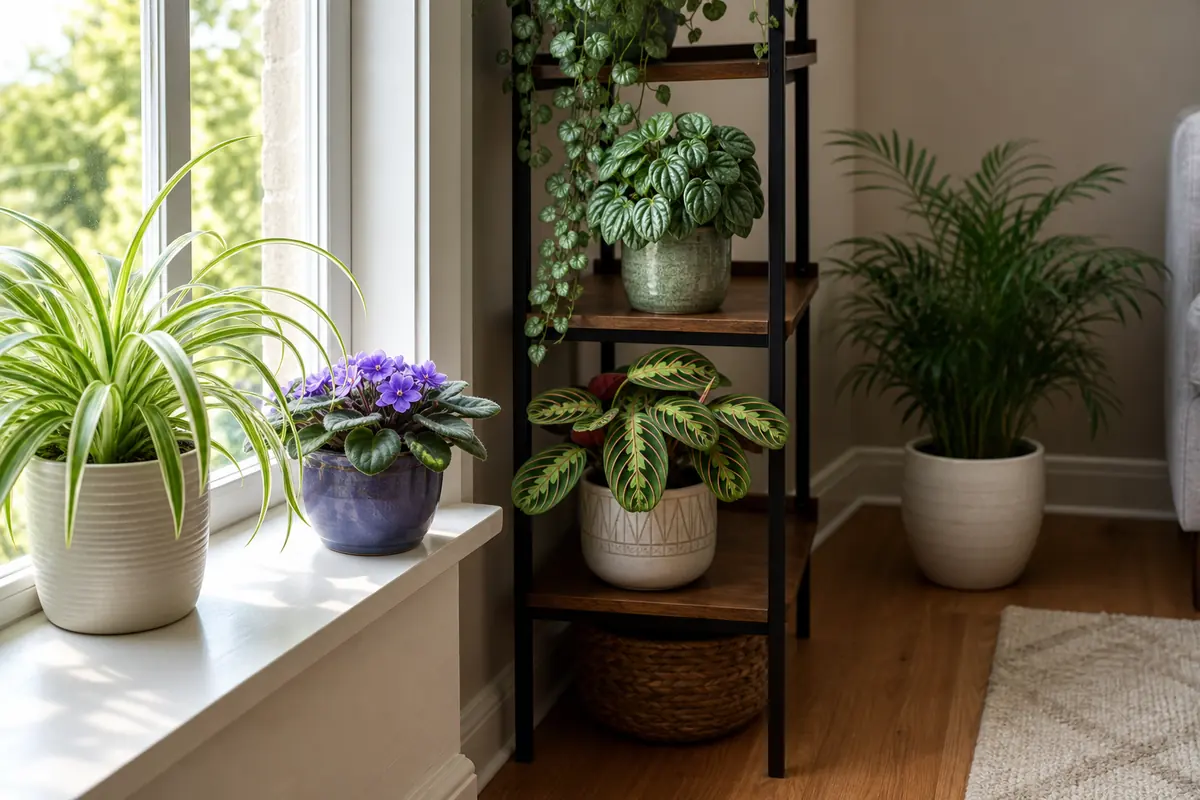
Bright indirect light suits spider plant, African violet, and prayer plant. These plants usually prefer light near a window without long hours of harsh sun on the leaves. African violet stays compact; spider plant sends arching leaves and plantlets that can attract cats.
Medium light suits parlor palm, baby rubber plant, calathea, and many peperomias. A parlor palm gives a softer floor-plant shape without the same toxicity concern as many dramatic tropical foliage plants. Baby rubber plant works well where a compact, thicker-leaved plant fits a table or shelf.
Lower-light rooms narrow the choices. Parlor palm and some calatheas may tolerate lower indoor light better than many flowering plants. They need enough light to produce healthy leaves. A room that stays dim all day may need a grow light rather than a different plant.
Air-cleaning claims should not drive a cat-safety choice. A plant advertised for air quality can still be unsuitable for a cat household if the species is toxic, the label is unclear, or the plant invites chewing. Indoor air claims belong behind toxicity verification, room ventilation, and practical placement. The evidence limits behind top indoor plants air quality are worth separating from pet-safety decisions.
Cat-Safe Choices by Growth Habit and Space
Growth habit matters because cats interact with shape. Arching leaves invite swatting. Trailing stems invite pulling. Feathery fronds shed pieces that can become floor toys. A plant with a verified non-toxic status may be a poor fit if its shape constantly triggers chewing, batting, or digging.
Tabletop plants work best when they are compact and stable. African violet, baby rubber plant, and small prayer plants can sit on a sideboard or bright shelf without trailing across a walking path. Their pots should be heavy enough that a cat brushing against the edge does not tip them.
Hanging plants reduce soil access when the foliage stays out of reach. Spider plant is a common hanging option, and a focused spider plant care routine helps keep the plant full without leaving weak, dangling runners within paw range. Boston fern can also hang well in humid rooms where dry air does not shed leaflets across the floor.
Floor plants need the most placement discipline. A cat can dig soil, use the pot as a stepping point, or hide behind broad foliage. Parlor palm is a reasonable floor-plant candidate for many cat homes. The pot should be heavy, the stand should be broad, and the leaf tips should not brush a favorite perch.
| Growth habit | Cat-safe candidates | Where it works | Risk to manage |
|---|---|---|---|
| Compact tabletop | African violet, baby rubber plant | Bright shelf, sideboard, office desk | Tip risk and overwatering |
| Arching foliage | Spider plant | Hanging basket or high stand | Plantlets and leaves attract play |
| Soft palm form | Parlor palm | Medium-light floor corner | Soil digging and unstable stands |
| Patterned foliage | Prayer plant, calathea | Warm room with filtered light | Dry air and mineral-stressed leaves |
| Fern texture | Boston fern | Humid room or hanging basket | Dry air shedding and frond access |
Compare Care Difficulty Before Buying
Care difficulty changes the real safety picture. A stressed plant drops leaves, invites pests, or develops soft stems that cats investigate. A plant that stays healthy in your routine creates fewer loose pieces and fewer emergency decisions.
Leaf texture affects recovery after a curious cat tests the plant. Thick, compact leaves often show a few bite marks without collapsing the whole plant. Fine fronds and thin patterned leaves can look ragged quickly, which leads to more pruning, more fallen material, and more plant movement around the room. A plant that needs constant cleanup creates more chances for the cat to re-engage with it.
Spider plant and baby rubber plant are usually more forgiving than ferns and calatheas. They handle normal indoor routines better, especially where light is adequate and the pot drains cleanly. Spider plant dislikes staying wet and recovers from missed watering better than many thin-leaved plants.
Parlor palm is moderate. It wants even moisture without a saturated root ball, and it can brown at the tips in dry air or poor water quality. The plant remains useful because its upright shape fills space without trailing stems.
Boston fern and calathea need more attention. Boston fern often drops leaflets when indoor air is dry. Calathea reacts to dry air, salts, and missed watering with curling or crisping leaves. Those symptoms do not make the plant toxic; they make the plant messier and more tempting to a curious cat.
| Plant | Care difficulty | Resilience after minor leaf damage | Best placement |
|---|---|---|---|
| Spider plant | Easy to moderate | Usually rebounds if crown stays healthy | High shelf or hanging basket |
| Baby rubber plant | Easy to moderate | Thick leaves hide small marks well | Bright table away from paw reach |
| Parlor palm | Moderate | Older fronds may stay marked | Heavy floor pot in medium light |
| Boston fern | Higher | Fronds shed when air is dry | Humid room or secure hanging basket |
| Calathea | Higher | Damaged leaves remain visible | Filtered light away from drafts |
Start with the plant that matches your actual maintenance habits. A lower-drama plant in the right place is easier to keep out of a cat’s daily routine than a delicate plant that needs frequent moving, misting, trimming, and soil adjustment.
Reduce Chewing, Digging, and Potting-Soil Risk
Some cats ignore plants for years. Others treat every leaf as movement, texture, or attention. A safer plant list cannot predict that behavior. Placement has to assume the cat may chew, pull, dig, climb, or knock.
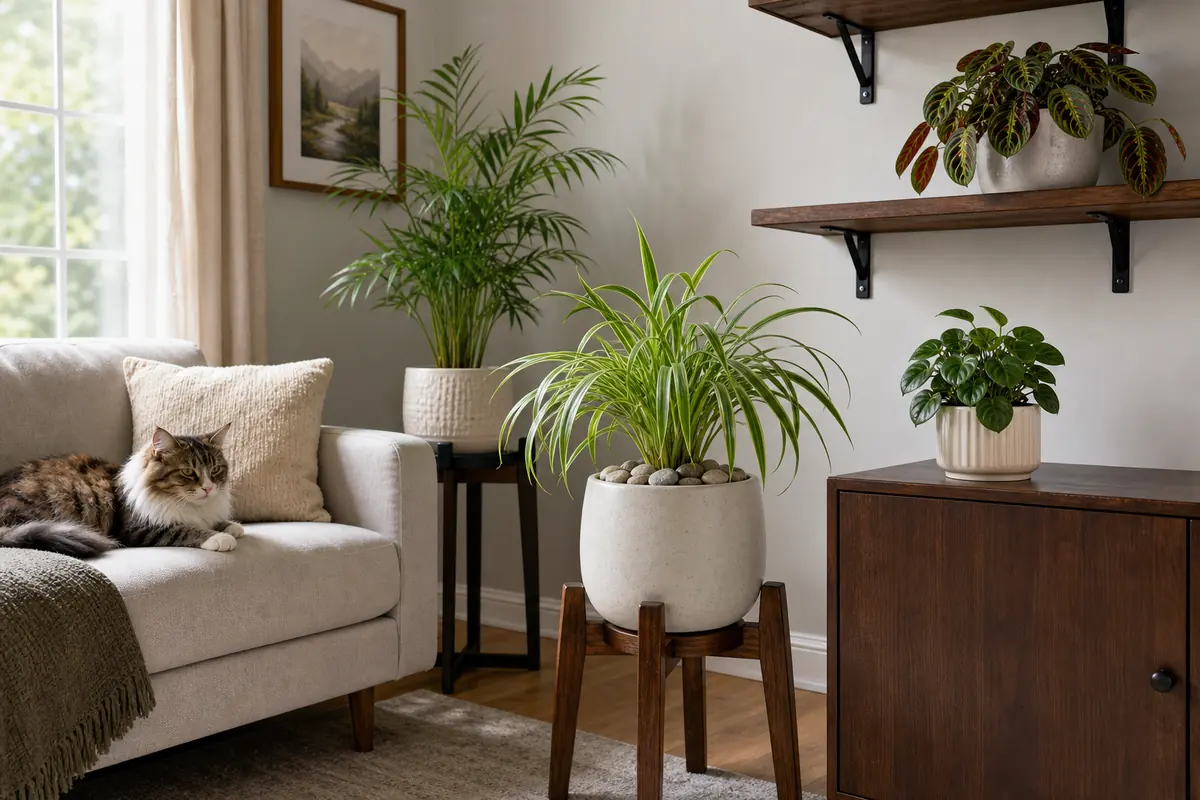
Keep plants away from favorite windowsills, food bowls, litter boxes, and climbing routes. Cat-tree placement turns nearby foliage into part of the climbing route. Dangling shelf leaves become moving toys. Floor plants beside narrow walking paths become rubbing posts.
Potting soil needs its own controls. Large smooth stones can reduce digging on the surface. They must be too large to swallow and should not block air movement through the mix. Avoid cocoa mulch, treated decorative moss, loose fertilizer pellets, and any pesticide or systemic product that is not safe around cats.
Chewing often decreases when the plant is less reachable and the cat has better alternatives. Cat grass can redirect chewing for some cats. It does not make houseplants safe to sample. If a cat keeps returning to the same plant, move the plant rather than relying on repeated correction.
Verify a Plant Before Bringing It Home
Plant safety should be verified before the pot reaches the cart. Read the nursery label, then check the botanical name against a veterinary toxicology resource. The ASPCA cat plant list is useful because it separates toxic and non-toxic entries for cats.
Common names create the biggest mistake. “Palm” can mean several plants. Some are common indoor palms; sago palm is a dangerous cycad and should never be treated as a pet-safe palm. “Rubber plant” can also point to different plants, so baby rubber plant should be checked by its botanical identity rather than by the rubber-plant phrase alone.
Cultivar names add another layer. A plant may be sold under a trade name, a shortened common name, or an old botanical name. Calathea and Goeppertia labels can also vary because of taxonomy changes in the group. When the label is unclear, skip the plant or ask the nursery for the scientific name before bringing it into a cat-accessible home.
What to Do After an Unknown Plant Exposure
An unknown plant exposure needs fast information, not home experimentation. Remove the plant from reach, take clear photos of the plant, pot label, leaves, flowers, and any chewed pieces, and save a sample in a bag if you can do so safely. Note when the exposure may have happened and how much plant material seems missing.
Call your veterinarian or a pet poison service when the plant is unknown, when the cat has symptoms, or when a toxic plant may be involved. The ASPCA Animal Poison Control Center exists for exposure guidance. Do not induce vomiting, give food, give medication, or try a home remedy unless a veterinary professional tells you to do it for that specific case.
The choice here is prevention: verified non-toxic plants, realistic room fit, and lower access risk. Toxic plant identification and exposure response need a separate decision path because the stakes and decisions are different.
Conclusion
Cat safe house plants work best when the safety check comes before the decorating decision. Verify the plant by scientific name, match it to the room’s light and your care routine, and place it where the cat is less likely to chew, dig, or knock it over. A verified non-toxic plant in a stable, well-lit, low-access spot is a stronger choice than a prettier plant that invites daily contact.