




Organic vs non organic vegetables nutrition comparisons usually start with the wrong expectation: a label cannot rescue a wilted spinach bunch or a broccoli crown that sat warm for three days. Nutrients move, break down, concentrate, dilute, and shift with variety, soil, maturity, storage, washing, cutting, and cooking. The farm system matters, and it is only one part of the plate.
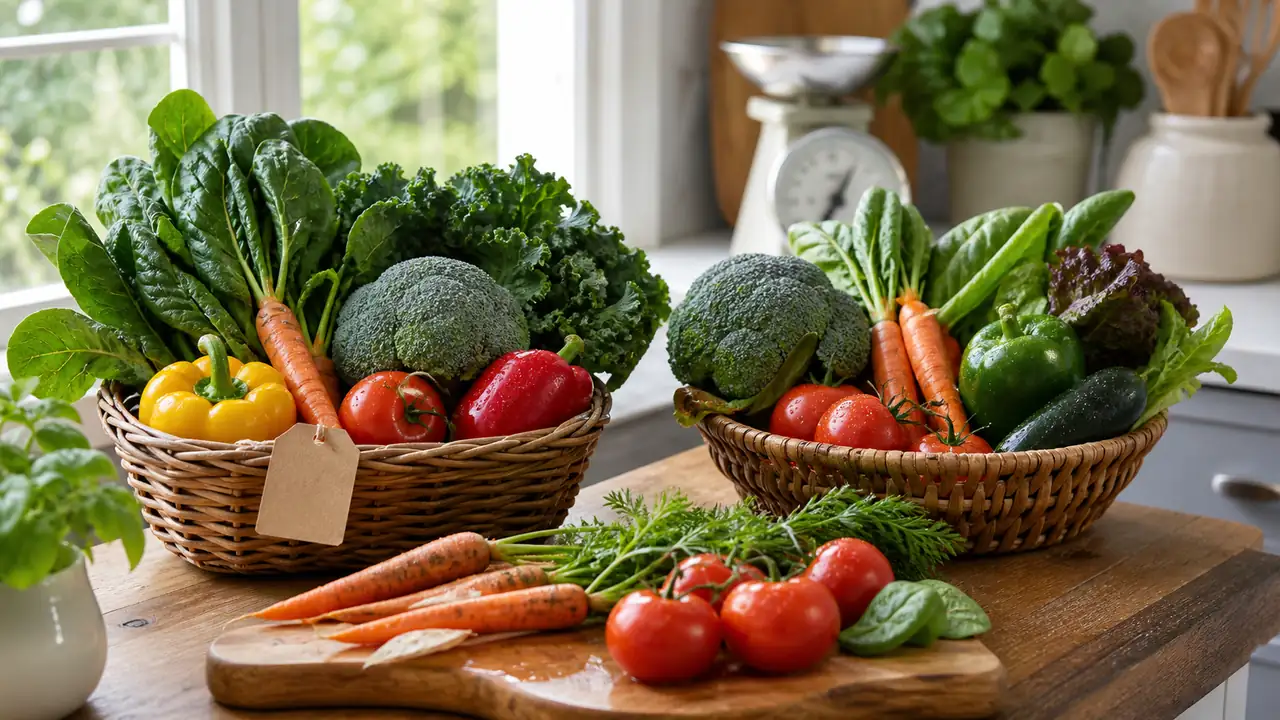
Organic vegetables can show higher levels of some plant compounds in certain studies, especially phenolics and other antioxidant-related compounds. Non-organic vegetables can match them closely for many core vitamins and minerals. The grocery aisle makes the difference feel larger than the evidence usually supports. Most of the time, the bigger nutrition win is a full, varied vegetable basket that gets cooked and eaten before texture, color, and aroma fade.
Key Takeaways
- Judge nutrition by vegetable type, freshness, and preparation.
- Expect small nutrient differences, not a guaranteed advantage.
- Prioritize variety before paying more for organic labels.
- Store leafy greens cold and dry after washing.
- Cook gently when vitamin C and texture matter.
Table of Contents
Organic vs Non Organic Vegetables Nutrition – The Label Is Only One Variable
A carrot’s nutrient profile starts with genetics before the seed ever touches soil. A deep orange carrot usually brings more beta-carotene potential than a pale one, and a spinach leaf carries a different nutrient pattern from a tomato or a cucumber. Organic certification changes how the crop is managed; it does not rewrite the crop’s basic biology.
The USDA FoodData Central database shows why vegetable type matters first. Kale, potatoes, carrots, spinach, peppers, and tomatoes do not compete on the same nutrients. Some bring more vitamin C, some bring more potassium, some bring carotenoids, and some mainly add water, fiber, and eating volume. A mixed basket beats a single perfect label.
Organic production rules still matter because they shape fertilizer choice, soil management, pest control, and prohibited synthetic inputs. Federal organic certification rules define the production system, not a promise that every organic vegetable contains more nutrients than every conventional vegetable beside it.
| Nutrition factor | Often changes more than label | Why it matters | Best practical move |
|---|---|---|---|
| Vegetable species | Yes | Different crops store different nutrients | Eat several vegetable groups weekly |
| Variety or cultivar | Yes | Color and genetics affect pigments and compounds | Choose deeply colored, fresh crops |
| Harvest maturity | Yes | Immature, mature, and overmature crops differ | Use firm, brightly colored produce |
| Storage time | Yes | Water loss and vitamin loss can rise after harvest | Buy what you can use soon |
| Organic label | Sometimes | Some studies find compound differences | Treat it as one factor, not the main diet fix |
The label also overlaps with other choices. A local conventional broccoli crown harvested yesterday may keep better texture and vitamin C than an organic crown that traveled farther and sat longer. A homegrown organic tomato picked ripe can taste and smell richer than a hard, early-picked tomato because maturity changes sugar, acid, aroma, and texture at the same time.
Nutritional Differences In Organic Vegetables – Antioxidants Get The Most Attention
The strongest nutrient difference reported in organic crop research often involves plant secondary metabolites, especially phenolic compounds and antioxidant-related measures. Plants produce many of these compounds as part of growth, stress response, light exposure, pest pressure, and defense chemistry. A slower-growing leaf under different nitrogen and pest conditions may build a different chemical profile from a leaf pushed by high available nitrogen.
A 2014 meta-analysis of organic crops led by Marcin Baranski reported higher antioxidant activity and higher concentrations of several antioxidant-related compounds, along with lower cadmium and lower pesticide residue occurrence. That result is useful, and it still needs careful reading. The study grouped many crops and study conditions, so it does not mean every organic lettuce, pepper, carrot, or tomato will beat the conventional version in a home kitchen.
Some nutrient shifts may come from dilution and growth rate. When nitrogen is highly available, some crops can grow faster and hold more water in tissue. Faster growth can lower the concentration of certain dry-matter compounds per gram of fresh weight. That does not make the vegetable poor quality; it changes how concentration is measured.
Observation: Shoppers often notice color before nutrition. Deep green leaves, firm stems, crisp carrot snap, and a clean fresh smell usually tell more about eating quality this week than the label alone.
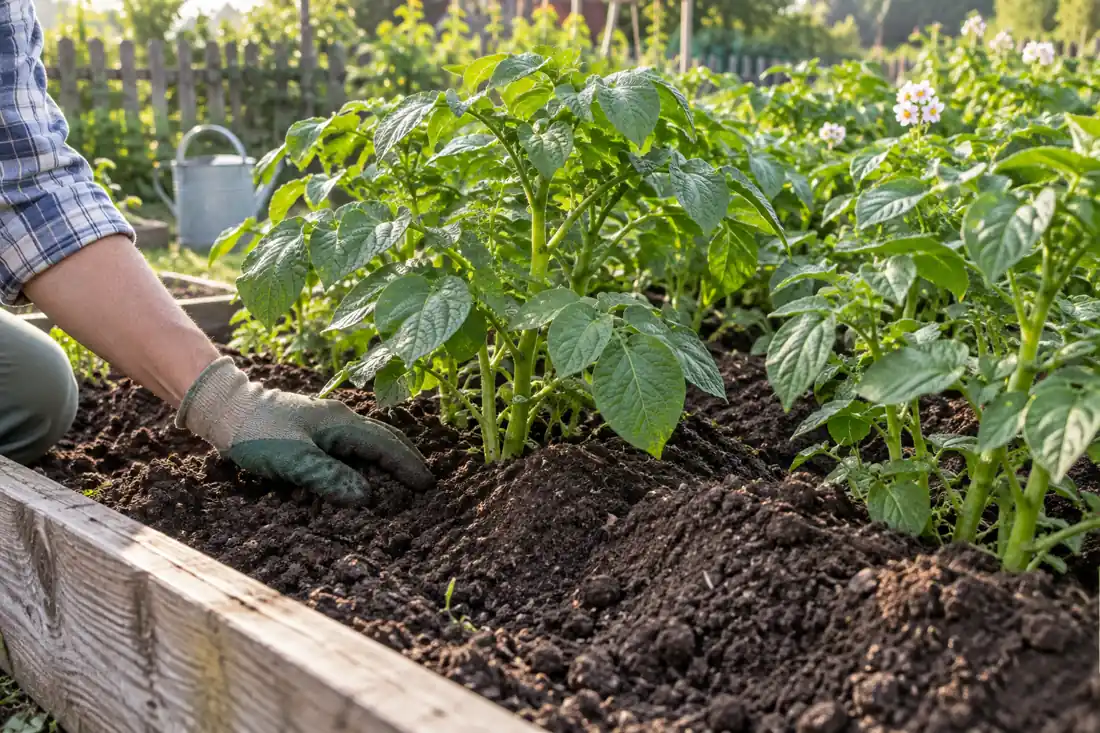
For gardeners, the same pattern points back to soil and stress management. Compost, mulch, drainage, balanced nitrogen, and regular harvest can change leaf tenderness, water content, and plant stress. The nutrition angle connects naturally to compost and organic matter, because soil structure changes moisture and root function before nutrients show up on the plate.
Vitamins And Minerals – Freshness Often Beats The Organic Label
Vitamins and minerals do not move as one group. Minerals such as potassium, magnesium, calcium, and iron come from soil availability, plant genetics, pH, moisture, and root activity. Vitamin C can decline after harvest, especially when produce is warm, cut, bruised, or stored too long. Carotenoids often depend strongly on crop type, color, maturity, and cooking method.
A 2012 review of organic and conventional foods led by Crystal Smith-Spangler found no consistent vitamin and mineral advantage that would make organic foods clearly more nutritious across the full diet. It did find lower pesticide residue risk in organic produce, which belongs more to the safety and exposure discussion than the nutrient-density discussion.
A 2009 systematic review of organic food nutrition led by Alan Dangour reached a similar restrained conclusion for many commonly measured nutrients. The available evidence did not support a broad nutrition superiority claim for organic foods. That does not erase smaller crop-specific differences; it keeps them in proportion.
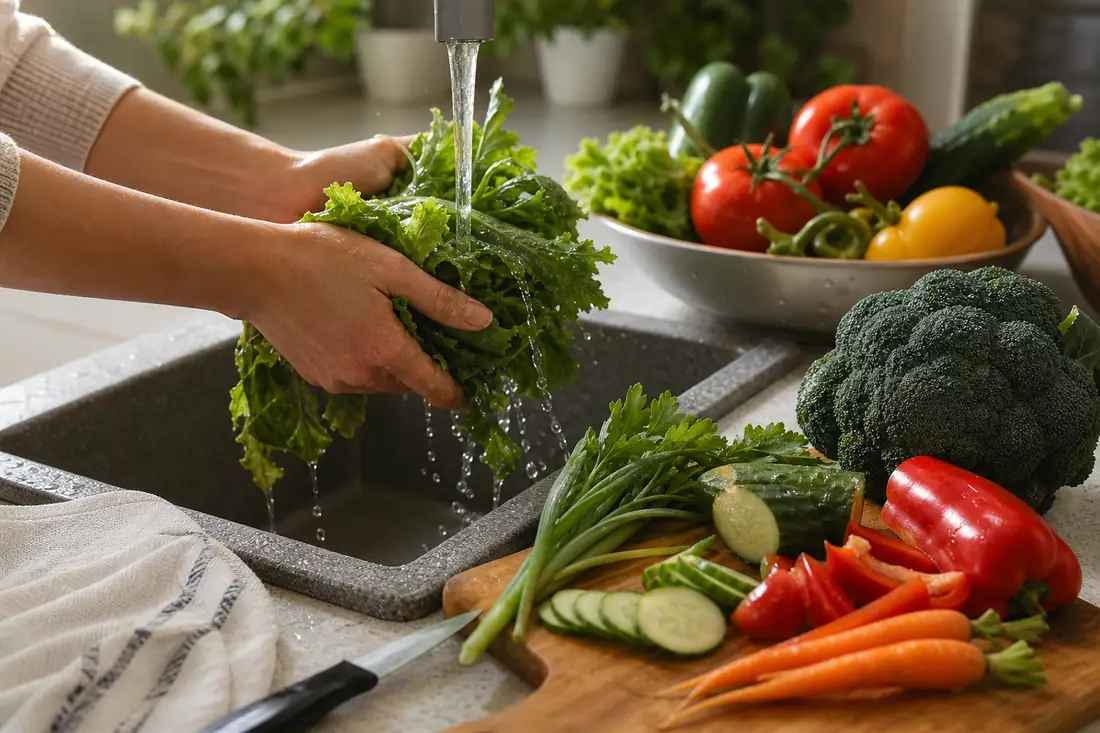
Pro Tip: Buy leafy greens in amounts you can finish within three to five days. Wash only what you need right away, or dry washed greens thoroughly before storage. A wet bag of greens turns limp and sour-smelling fast, and lost texture usually means the best eating window has already passed.
Cooking And Storage – The Hidden Nutrient Loss Happens At Home
Nutrition can change quickly after the vegetable leaves the field. Heat, oxygen, light, water, and time all matter. A pepper cut into strips loses surface protection. A wet lettuce bag traps moisture against damaged leaf edges. Broccoli boiled hard in a large pot can lose water-soluble nutrients into the cooking water. A carrot roasted gently may lose some heat-sensitive compounds and make carotenoids easier to absorb with a little fat.
That is why the organic label should not carry the whole nutrition decision. A crisp conventional spinach bunch that is washed, dried, chilled, and eaten this week can deliver more practical nutrition than an organic bunch that wilts in the back of the refrigerator. Texture is a useful warning sign. Slimy edges, sour smell, yellowing leaves, and collapsed stems mean the crop is moving away from its best eating quality.
Nutrition Difference Check
Handling rules are simple enough to use every week. Keep leafy greens cold. Store carrots and peppers dry enough to avoid rot. Cut vegetables close to mealtime when practical. Steam or roast instead of boiling hard when the cooking water will be discarded. Eat the vegetables you bought before buying a new perfect-looking basket.
Organic Nutrition Benefits – What The Evidence Can And Cannot Say
The evidence supports a cautious middle ground. Organic vegetables may contain higher levels of some antioxidant-related compounds in some crop groups. They also tend to carry fewer detectable pesticide residues, which is a different question from nutrition. Core vitamins and minerals do not show a reliable enough advantage to say organic vegetables are nutritionally superior across the board.
That matters because overclaiming can lead to worse eating habits. A shopper who buys fewer vegetables because organic costs more may lose more nutrition than they gain from a small difference in one compound. A family that eats conventional vegetables daily is usually in a stronger nutrition position than a family that buys organic vegetables occasionally and wastes half of them.
The first priority is vegetable intake. The next priority is variety across leafy greens, orange vegetables, legumes, cruciferous crops, alliums, and fruiting vegetables such as peppers and tomatoes. Organic can be a good choice when budget, access, and values fit. It should not become a reason to reduce total vegetable volume.
Residue exposure, organic spray rules, and crop risk need a different scale from vitamins and minerals. Those pesticide tradeoffs are handled more directly in organic and non-organic pesticide systems. Nutrition needs its own scale, where freshness, crop mix, storage, and cooking carry more weight.
Buying Organic Or Non-Organic Vegetables – Use A Nutrition-First Priority
Start with the vegetables you will actually eat. If organic greens cost twice as much and lead to a smaller basket, the label is working against the meal. If the price difference is small and the organic bunch is fresher, organic may be the better choice. The nutrition decision should happen with your eyes and hands, not only with the sign above the shelf.
Look for crisp leaves, firm stems, bright color, heavy weight for size, and a clean fresh smell. Avoid wilted greens, soft broccoli crowns, rubbery carrots, and peppers with wrinkled shoulders. Those signs say storage and water loss have already changed the vegetable.
| Buying situation | Nutrition-first choice | Why it works | What to do this week |
|---|---|---|---|
| Organic is fresh and affordable | Choose organic | Good label plus good eating window | Use delicate greens first |
| Conventional is fresher | Choose conventional | Freshness protects texture and use | Wash, dry, and cook promptly |
| Budget limits the basket | Buy more conventional variety | Volume and variety beat label scarcity | Add one leafy and one orange vegetable |
| Home garden harvest is available | Pick ripe and use fast | Short harvest-to-plate time helps quality | Harvest in the cool part of the day |
Home gardeners have an advantage because harvest timing is visible. A tomato can ripen on the plant until aroma develops. Kale can be picked before leaves turn tough. Carrots can stay in the ground until the kitchen needs them. That harvest control often matters more than the organic-versus-conventional label on a distant store shelf.
For broader food-pattern context, vegetable consumption patterns matter because many households still under-eat vegetables. If the real gap is daily intake, nutrient comparison should push the plate toward more vegetables, not toward a smaller and more expensive basket.
Container gardeners can use the same nutrition-first logic with crop choice. Fast leafy greens, herbs, peppers, compact tomatoes, and carrots often work well when light and pot volume fit the crop. The best results start with container vegetables matched to size and light, then move to harvest timing and storage.
Where To Start
Households that eat few vegetables should buy the vegetables most likely to be eaten this week. Choose a leafy green, an orange or red vegetable, and one easy cooked crop before worrying about organic upgrades.
Two bunches of spinach should be judged by freshness first. Crisp leaves, dry stems, and a clean smell beat a label attached to yellowing or wet leaves.
Gardeners harvesting from raised beds or containers should pick in the cool part of the day and chill greens quickly. Use tender leaves first, then save sturdier carrots, cabbage, or peppers for later meals.
Families paying extra for organic should start where the purchase changes behavior. If organic greens make salads happen more often and waste less, the premium is doing useful work.
Conclusion
Organic vegetables can differ nutritionally from non-organic vegetables, especially in some antioxidant-related compounds. The difference is not strong or consistent enough to make the label the main nutrition rule. Crop type, freshness, storage, preparation, and how often vegetables are eaten usually matter more.
Start with a full basket, a short storage window, and a plan for using the most delicate vegetables first. The best sign is simple: crisp leaves, bright color, firm stems, a clean green smell, and vegetables that make it onto the plate before the week gets away.
Frequently Asked Questions
Are organic vegetables more nutritious than non-organic vegetables?
Sometimes, but not reliably across all nutrients and crops. Some studies find higher antioxidant-related compounds in organic crops, while many vitamins and minerals show no consistent advantage across the full evidence base.
Do organic vegetables have more vitamins?
Usually not in a way that changes the whole diet. Vitamin C, carotenoids, folate, and minerals vary by crop type, variety, maturity, storage, and cooking, so freshness and vegetable mix often matter more.
Is organic better if I care about antioxidants?
Organic may have an edge for some phenolic and antioxidant-related compounds. Deep color, freshness, sunlight exposure, crop type, and fast use still matter, so a fresh conventional pepper or kale bunch can remain a strong nutrition choice.
Should I buy organic vegetables for children?
Buy organic when it fits the budget and helps you serve more vegetables. If cost reduces variety or total intake, conventional vegetables that are washed, stored well, and eaten often are still a strong choice.