

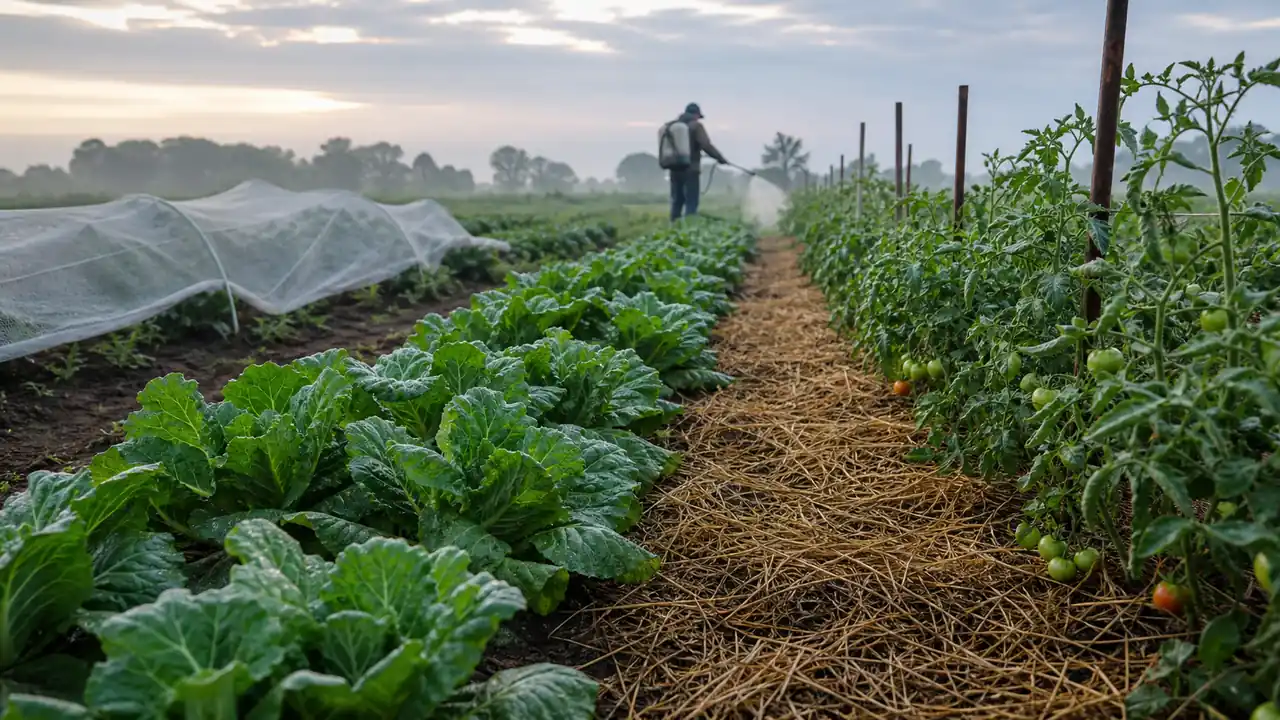
Pesticides organic vs non organic farming comparisons start with a simple field reality: pests do not care what a farm label says. Aphids still cluster under tender brassica leaves, fungal spores still move after warm rain, and flea beetles can lace young arugula with pinholes in a few days. The difference is the control system around that pressure.
Organic farming limits which materials can be used and forces more prevention before a spray is allowed. Non-organic farming has a wider pesticide toolbox, including many synthetic products, and can often respond faster when disease or insects move through a crop. That wider toolbox can protect yield and can also leave more detectable residues, with more weight on timing, drift control, and worker protection. The useful comparison looks at prevention, product choice, residue monitoring, ecological cost, and what a grower does when the first leaves show damage.
Key Takeaways
- Compare farming systems before judging a spray label.
- Expect fewer residues from organic crops, not zero residues.
- Wash all vegetables under running water before storage or eating.
- Prioritize organic for thin-skinned, heavily sprayed crops when budget allows.
- Check pest thresholds weekly before any garden spray.
Table of Contents
Pesticides Organic Vs Non Organic – The Real Difference Starts Before Spraying
Organic vegetable fields usually put more labor into prevention before any pesticide reaches the sprayer tank. Row cover, crop rotation, resistant varieties, sanitation, trap crops, beneficial insects, and soil fertility all reduce the number of moments when a pesticide decision becomes urgent. The organic crop pest standard requires prevention through rotation, sanitation, cultural practices, mechanical methods, and biological controls before allowed substances are used.
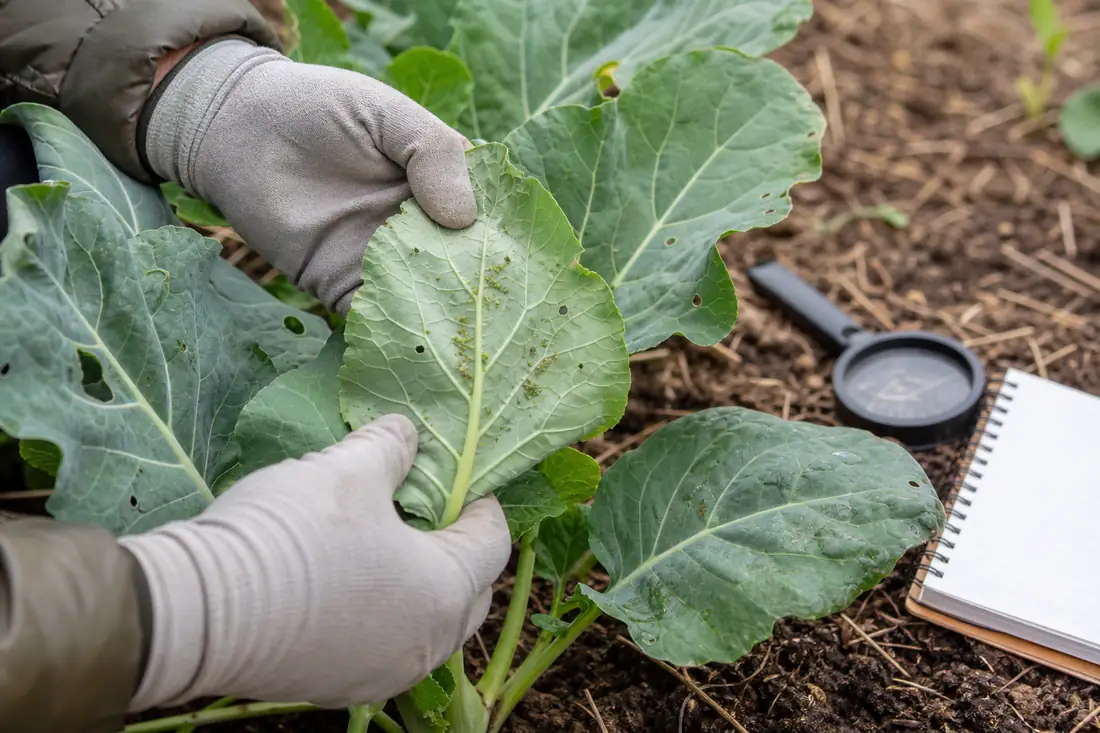
That order changes the field rhythm. A grower scouting cabbage may lift leaves, feel the waxy surface, smell the sharp green odor of bruised brassica tissue, and look for eggs before larvae chew into the growing point. If the pest pressure stays low, the crop may never need a spray. If the pressure rises fast, organic tools are usually narrower and more timing-sensitive.
Non-organic farms can use many of the same prevention tactics, and good conventional growers do. The main difference is the rescue lane. A conventional tomato field with fast-moving disease may have more fungicide options, longer residual activity, and more flexibility across weather windows. That can protect harvest volume when rain, heat, and dense foliage create the exact conditions disease needs.
| Field decision | Organic system | Non-organic system | Reader takeaway |
|---|---|---|---|
| First pest pressure | Rotation, sanitation, row cover, scouting | Scouting plus wider chemical options | Prevention matters in both systems |
| Spray choice | Allowed biological, botanical, or mineral inputs | Registered pesticides selected by crop and pest | Organic does not mean unsprayed |
| Timing pressure | Often tighter because materials may break down faster | Often wider because some products persist longer | Weather can decide success |
| Residue pattern | Lower detectable residue frequency on average | Higher detectable residue frequency on average | Residue presence differs from legal risk |
For home gardeners, this mirrors the difference between organic pest control and a shelf of stronger rescue products. The strongest garden plan starts with inspection, plant spacing, air movement, mulch, and hand removal. Sprays work best after the growing conditions stop feeding the pest problem.
Organic Pesticides – Allowed Materials Still Need Careful Timing
Organic pesticides are often biological, botanical, or mineral-based, and they are still pesticides. A Bt product targets caterpillar larvae when they are actively feeding. Spinosad affects insect nervous systems and can harm bees if sprayed on blooming plants or during active foraging. Repeated copper use can build up in soil even when it slows fungal disease on leaves. Hot weather can turn sulfur from useful to leaf-burning.
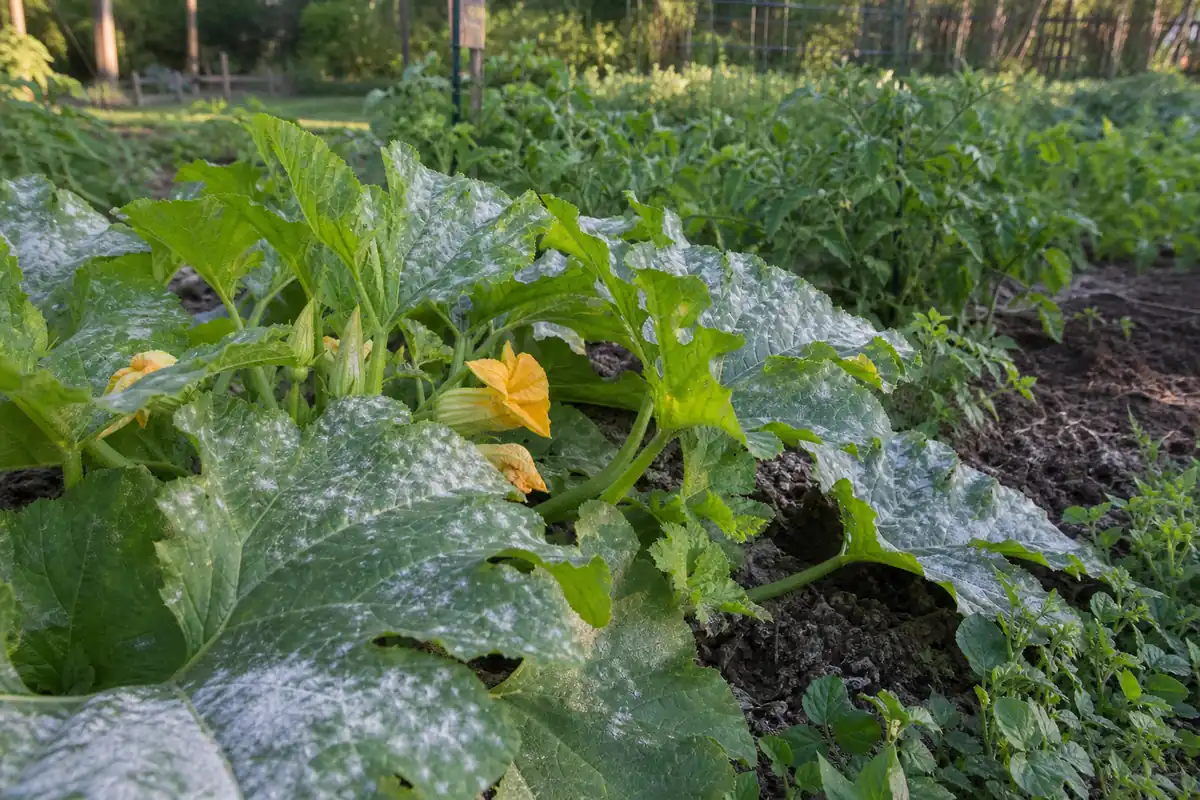
The word natural does not measure risk by itself. Dose, timing, formulation, weather, crop stage, and non-target exposure matter. Spraying a mineral fungicide too often can create a soil issue. Botanical insecticides applied at midday can hit pollinators when flowers are open. Microbial products sprayed after larvae have already tunneled into leaves may miss the pest that caused the damage.
Pro Tip: In a home vegetable garden, turn over ten leaves on three different plants before spraying. If pests stay clustered on a few leaves, remove those leaves first and recheck in two days. The leaf underside feels slightly waxy and cool when it is healthy; sticky honeydew, gritty frass, or soft collapsed tissue tells you the problem is already changing the plant surface.
Organic systems also rely on soil and plant resilience because a pesticide-only organic program fails quickly. Compost, cover crops, balanced nitrogen, and drainage change leaf tenderness, canopy density, and disease pressure. If nitrogen pushes lush, soft growth, aphids and mildew often get a better foothold. The same logic connects pesticide decisions to compost and organic matter, because soil structure changes moisture, root stress, and canopy growth.
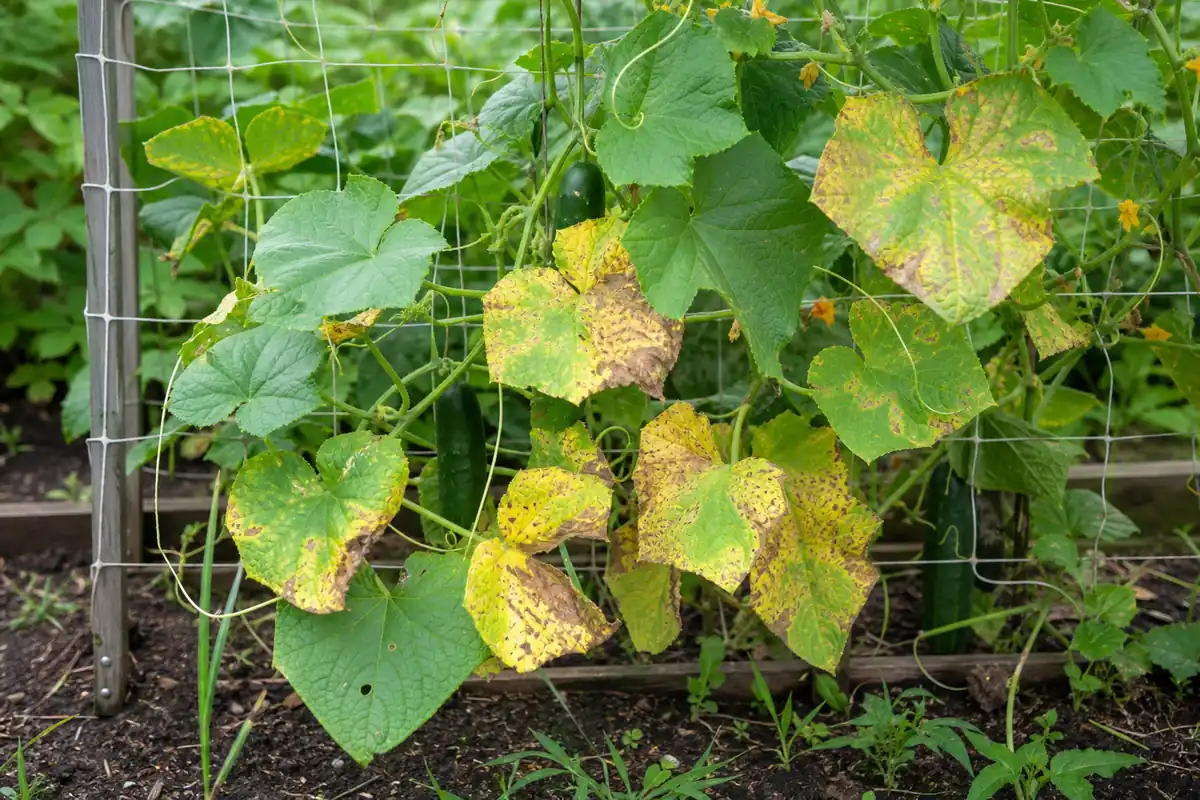
Organic crop production can still lose yield when pests outrun those tools. That tradeoff shows up most clearly in wet seasons, humid regions, and crops with tender edible leaves. The grower may avoid a synthetic pesticide and still face lower marketable harvest if flea beetles, downy mildew, or fruit worms move faster than the allowed control window.
Conventional Pesticides – Wider Tools Can Protect Yield And Raise Residue Questions
Conventional farming is not one behavior. Some farms use integrated pest management, weather models, resistant varieties, rotation, and precise sprayer calibration. Others lean more heavily on calendar sprays. The wider pesticide toolbox gives conventional growers more options for insects, weeds, and diseases, especially when a crop has a narrow harvest window.
That range matters in vegetables because many crops are perishable and cosmetically judged. Lettuce with chewing injury may be safe to eat and still fail market standards. Tomatoes with fungal scars may taste fine and still lose shelf value. A grower facing a thin profit margin may choose a registered pesticide because the crop must reach harvest clean enough to sell.
The residue question belongs to monitoring, not fear. The EPA tolerance system sets maximum pesticide residue levels allowed on specific foods as part of pesticide regulation. Those limits differ by pesticide and crop because exposure depends on how the food is eaten, how often it is eaten, and how the pesticide behaves.
USDA residue monitoring adds another layer. The Pesticide Data Program samples and tests agricultural commodities in the U.S. food supply, with extra attention to foods often eaten by infants and children. That database helps EPA assess dietary exposure, so the residue discussion should separate detectable residues from residues above a legal limit.
Observation: Shoppers often treat a pesticide residue result as a yes-or-no answer. A detectable residue is a measurement. The next questions are crop type, residue level, legal tolerance, washing, peeling, and how often that food appears on the plate.
Pesticide Residues On Vegetables – Organic Usually Tests Lower And Washing Still Matters
Organic produce usually shows fewer detectable pesticide residues, though it is not automatically residue-free. Drift, soil history, postharvest handling, and approved organic materials can all affect what testing finds. A field beside a conventionally treated crop also has a different exposure risk from an isolated field with windbreaks and careful neighbor communication.
Two large evidence reviews point in the same direction, and the health interpretation stays narrow. A 2014 meta-analysis led by Marcin Baranski found that pesticide residue occurrence was about four times higher in conventional crops than in organic crops. A 2012 review led by Crystal Smith-Spangler found a lower risk of detectable pesticide residues in organic produce; differences in exceeding maximum allowed limits were small.
Those findings support a practical shopping rule: organic can reduce residue exposure, especially for crops more likely to carry residues. Eating vegetables still matters more than skipping vegetables because organic is unavailable or expensive. A budget that buys enough conventional produce often beats a smaller basket of organic produce that leaves meals short on vegetables.
Residue Priority Check
Washing still matters with both systems. Rinse produce under running water and rub firm surfaces with clean hands. Remove outer leaves from lettuce or cabbage when they are torn, gritty, or wilted. Peeling can lower residues on some crops, though it also removes fiber and nutrients near the skin. Soap is not needed for produce and can leave its own residue.
Farm Ecology And Worker Exposure – The Biggest Effects Happen Before The Grocery Store
Consumer residue risk gets most of the attention. The larger pesticide consequences often sit in the field. Spray drift can move beyond the target row. Insecticides can hit beneficial insects if timing is poor. Fungicides and herbicides can change soil and edge habitat patterns. Farmworkers and applicators carry the highest exposure risk because they handle concentrates, equipment, treated foliage, and reentry intervals.
Organic farming can reduce reliance on many synthetic pesticides and often pushes more attention toward rotation, habitat, and soil biology. That can help beneficial insects and soil structure when the system is well managed. It can also use repeated tillage for weed control, which can disturb soil, expose weed seeds, and dry the surface. No farming system gets a free pass.
Conventional integrated pest management can reduce unnecessary spraying when growers use thresholds, scouting, disease forecasting, and targeted products. A conventional pepper field sprayed only after threshold pressure is a different ecological story from a field sprayed by calendar. A farm’s decision quality matters as much as its label.
The label background in what defines organic vegetables helps explain certification; the pesticide decision still comes down to the crop, pest, timing, and allowed material. For gardeners comparing inputs at home, the same restraint applies to organic and synthetic fertilizers: the material category matters, and the rate, timing, and site condition decide whether it helps or creates a new problem.
Choosing Organic Or Non-Organic Vegetables – Match The Risk To The Crop
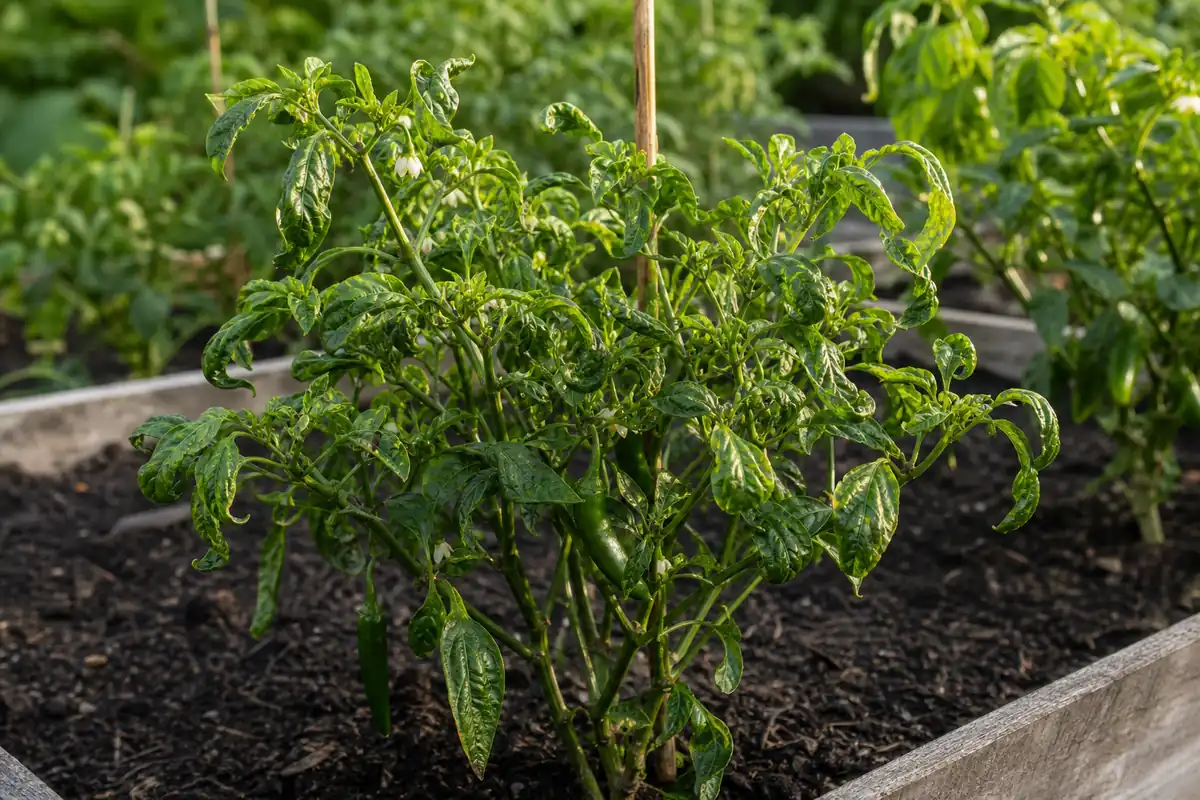
The best buying decision starts with the vegetable, how it is eaten, and how often it appears in your kitchen. Leafy greens, berries, celery, peppers, and some thin-skinned fruits often get higher organic priority because more edible surface is exposed. Onions, sweet corn, cabbage, and peeled root crops often sit lower on the priority list, especially when the budget is tight.
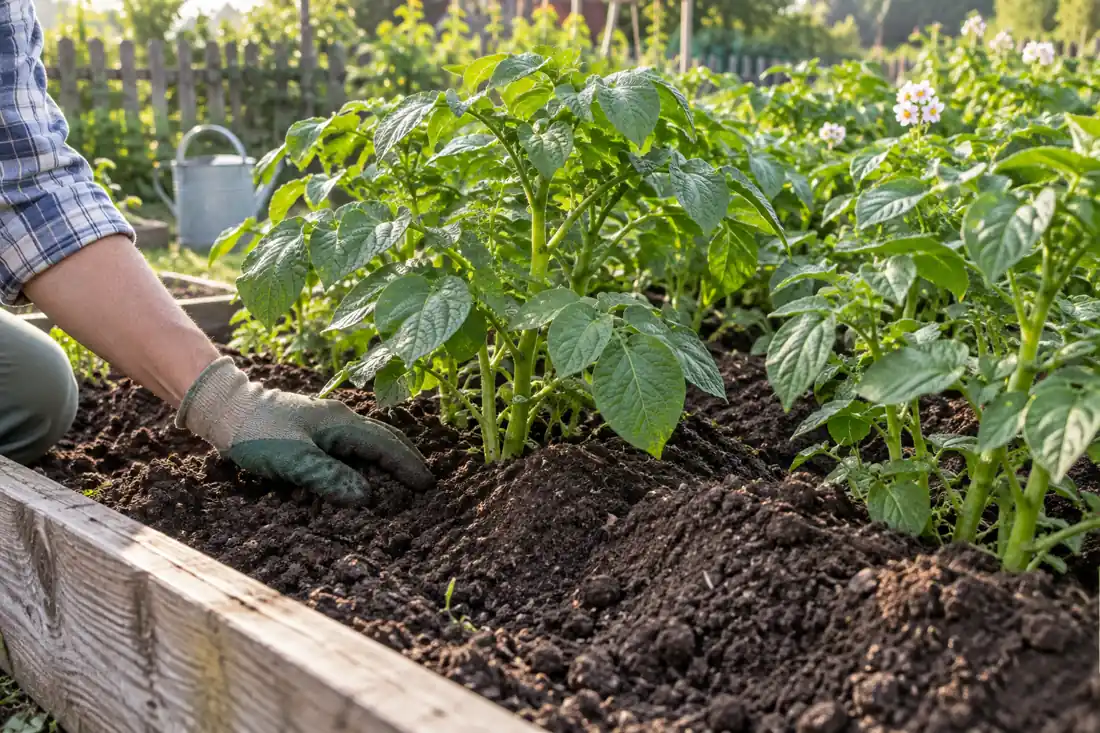
For gardeners, the choice is more direct because you control the field conditions. Start by reducing pest pressure before buying any spray: rotate crop families, remove diseased leaves, space plants for airflow, water at soil level, and avoid excess nitrogen that creates soft growth. Then scout. A quiet plant canopy has a faint green smell, dry leaf surfaces by midmorning, and few sticky or ragged leaves. A stressed canopy feels damp inside, holds stale air, and hides pests where sprays often miss.
Use this decision table when the label choice gets confusing.
| Situation | Better priority | Why it matters | First action |
|---|---|---|---|
| Raw leafy greens eaten weekly | Organic when affordable | Large edible surface and frequent intake | Wash, dry, and remove damaged leaves |
| Peeled or cooked vegetables | Conventional often reasonable | Preparation lowers surface residue concern | Rinse before peeling or cutting |
| Home garden pest flare | Scout before spraying | Small outbreaks may be removed by hand | Inspect leaf undersides twice weekly |
| Wet disease-prone season | Prevention plus careful product choice | Humidity shortens the correction window | Improve airflow and remove infected tissue |
The same logic fits broader vegetable growing decisions. A clean harvest comes from crop choice, soil condition, water timing, pest monitoring, and harvest handling. The label helps; the living system still decides where pressure builds.
Where To Start
Families that eat salad greens several times a week can make organic leafy greens the first upgrade when price allows. Rinse them under running water, spin them dry, and use them before bruised leaves turn slimy in the bag.
A tight food budget still deserves a full vegetable basket. Choose firm conventional produce, rinse before cutting, and put the savings toward more vegetables across the week.
Garden pest outbreaks on one crop need scouting before any spray is mixed. Check ten leaves, remove the worst clusters by hand, and spray only if damage is spreading after two days.
Farm market price decisions get easier when practices come before the label alone. Rotation, cover crops, scouting, drift control, and harvest handling tell you more than a sign at the market table.
Conclusion
Organic and non-organic pesticide systems differ most in prevention rules, allowed materials, residue patterns, and response speed. If a crop is raw, thin-skinned, and eaten weekly, organic can be a useful exposure-reduction choice. If cost blocks that choice, conventional vegetables still belong on the plate, washed well and eaten often.
In the garden, make the first move with scouting, airflow, sanitation, rotation, and balanced growth. Spray only when the pest is present, the damage is spreading, and the product fits the crop stage. The best sign is a row that dries by midmorning, smells clean and green when you brush the leaves, and carries harvestable vegetables without sticky residue or ragged new growth.
Frequently Asked Questions
Are organic vegetables pesticide-free?
No. Organic vegetables can be grown with allowed pesticides, usually biological, botanical, or mineral-based materials. Organic standards restrict the material list and require preventive practices first, so residue patterns often differ from conventional crops.
Are organic pesticides always safer?
No. Safety depends on the material, dose, timing, weather, crop stage, and exposure route. Copper, sulfur, spinosad, oils, soaps, and microbial products each behave differently, so the label directions still matter.
Does washing remove all pesticide residues?
Washing lowers surface residues, soil, and microbes, though it does not remove every residue. Running water, rubbing firm produce, discarding damaged outer leaves, and peeling when appropriate are practical steps for both organic and conventional vegetables.
Which vegetables should I buy organic first?
Start with raw, thin-skinned, frequently eaten vegetables if your budget allows. Leafy greens and peppers usually deserve higher priority than peeled, cooked, or lower-frequency vegetables.