




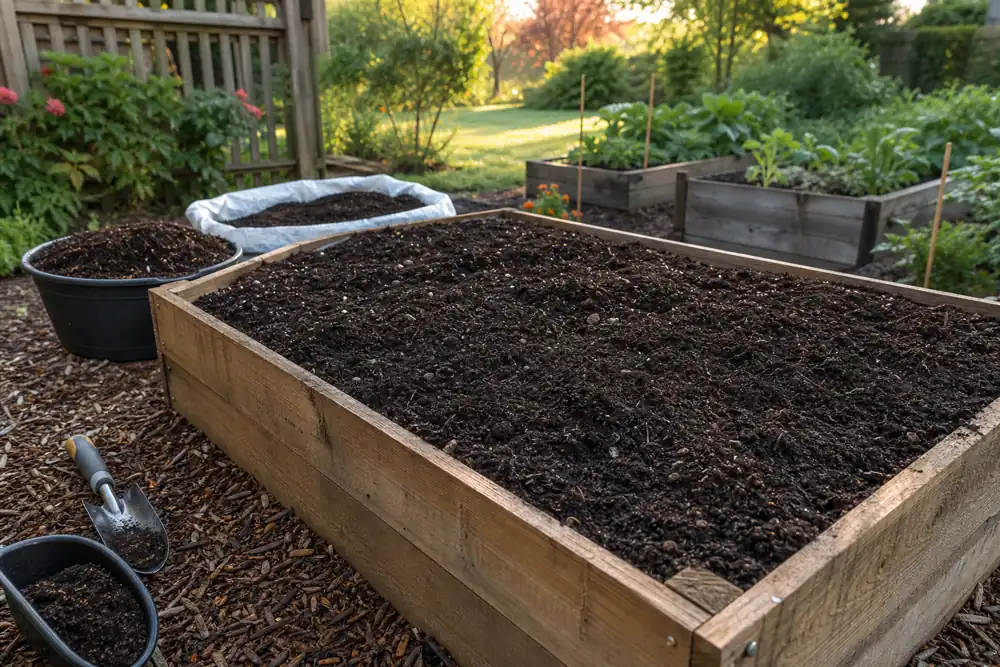
Raised bed soil fails fastest when the fill is too fluffy, too rich, or too much like a potting mix. A new bed can look perfect on day one, then sink several inches, shed water at the surface, or grow soft leafy plants with weak roots. The better mix starts with mineral soil, then uses compost as a measured amendment across the blend. That gives roots pore space, weight, moisture reserve, and enough biology to turn a wooden frame into a real growing bed.
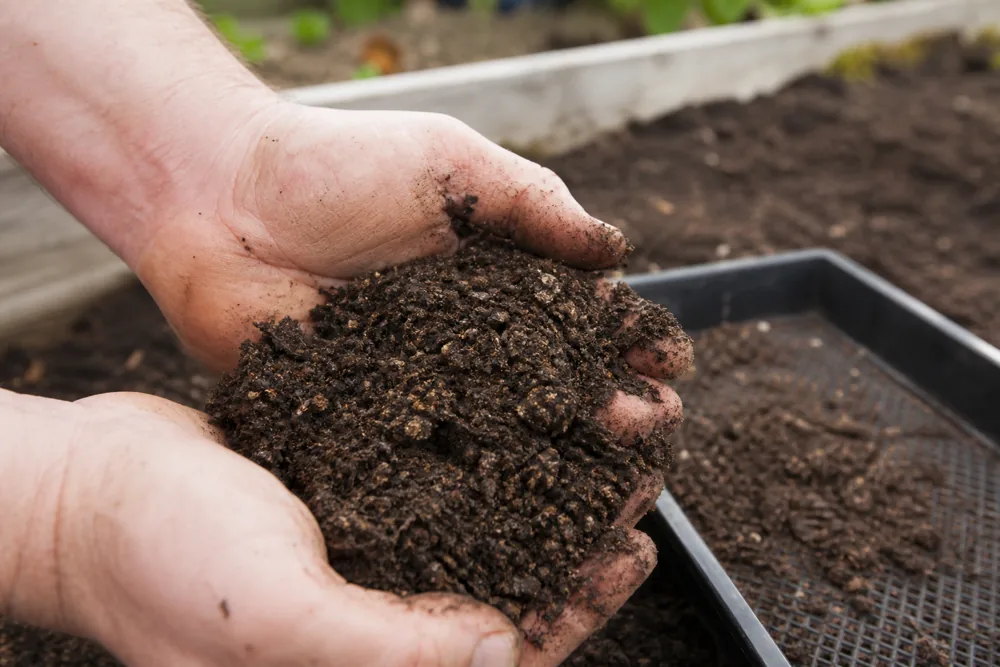
The soil should feel crumbly in your hand, with a faint earthy smell and enough body to hold together when squeezed. If it floats like peat, packs like wet clay, or smells sour, the bed will tell you quickly.
Raised Bed Soil Mix Quick Ratio
For most vegetable raised beds, start with 60 percent screened loam topsoil, 30 percent finished plant-based compost, and 10 percent aeration or coarse mineral material if the topsoil is heavy. For a cheaper tall-bed fill, place clean woody material in the lower third, then keep the top 10 to 12 inches as real growing soil.
Key Takeaways
- Start with mineral topsoil before adding compost.
- Save fluffy potting mix for containers.
- Calculate volume before buying bags or bulk soil.
- Keep cheap fill below the main root zone.
- Refresh after settling with measured compost.
Table of Contents
Best Raised Bed Soil Mix Ratio For Vegetables
A useful raised bed mix behaves like improved garden soil with enough body for a full season of roots. Mineral topsoil gives the bed weight, cation exchange, and water-holding body. Finished compost feeds soil life and improves aggregation. Aeration material earns a place when the base soil is dense enough to close its pores after rain.
The University of Minnesota raised bed soil ratio puts the starting range around one-half to two-thirds topsoil and one-third to one-half plant-based compost. That range matters because every batch of topsoil is different. Sandy loam may need more compost. Heavy clay loam may need less compost and more coarse structure.
| Bed situation | Topsoil | Compost | Aeration or mineral adjustment | Best use |
|---|---|---|---|---|
| Standard vegetable bed over soil | 60% | 30% | 10% | Most new framed beds |
| Good loam from a reliable supplier | 65% | 30% | 5% | Beds that need body and moderate fertility |
| Clay-heavy screened topsoil | 50% | 30% | 20% | Wet sites that need more pore space |
| Sandy topsoil | 60% | 35% | 5% | Fast-draining beds that need moisture hold |
| Leafy greens and shallow crops | 55% | 35% | 10% | Quick crops, with careful nitrogen control |
| Tomatoes, peppers, squash | 65% | 25% | 10% | Fruiting crops that need stable roots |
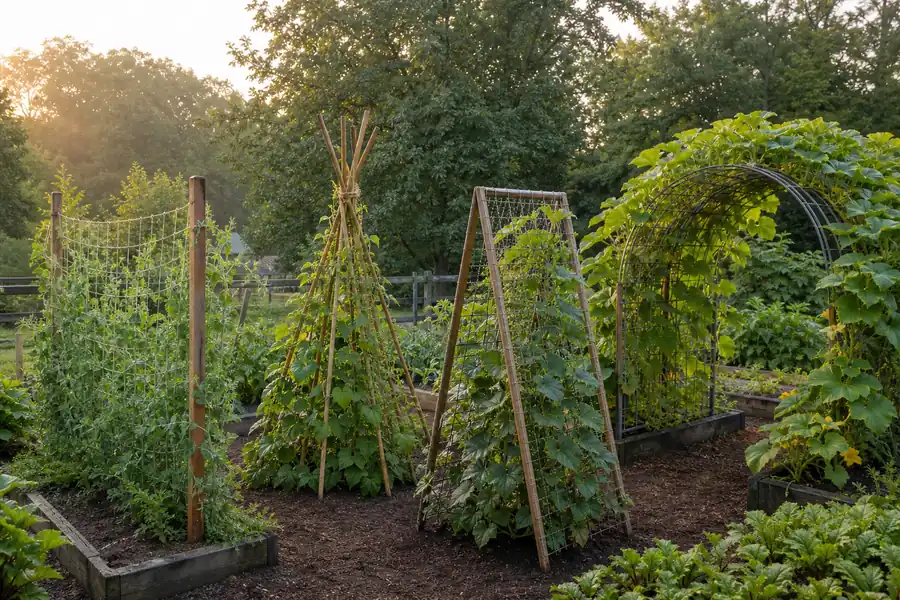
Fruiting vines need a root zone that holds moisture without losing air. A stable mineral-and-compost blend gives cucumber planting a better start than a peat-heavy fill that shrinks and dries unevenly by midsummer.
Compost above about one-third of the blend can look generous and still create trouble. It shrinks as microbes digest it, can repel water when it dries hard, and may load the bed with phosphorus if repeated heavily every year. A rich-looking black bed that collapses by midsummer usually had too much decomposable material and too little mineral soil.
How Much Soil A Raised Bed Needs
Soil buying gets expensive when the math happens at the store. A 4-by-8-foot bed filled 12 inches deep holds 32 cubic feet, or about 1.19 cubic yards. That same bed filled 18 inches deep holds 48 cubic feet, or 1.78 cubic yards. Bagged soil often comes in 1.5- or 2-cubic-foot bags, so the difference between a shallow fill and a tall fill can mean a trunkload versus a delivery.
Calculate from actual fill depth. A 12-inch board bed may need 10 inches of soil after leaving space for mulch and watering. Clean native soil below the frame allows a shallower fill because roots can move downward. Pavement, compacted rubble, or contaminated soil moves the usable root zone into the bed itself.
| Bed size | 8-inch fill | 10-inch fill | 12-inch fill | Bulk soil estimate |
|---|---|---|---|---|
| 3 x 6 feet | 12 cu ft | 15 cu ft | 18 cu ft | 0.44 to 0.67 cu yd |
| 4 x 4 feet | 10.7 cu ft | 13.3 cu ft | 16 cu ft | 0.40 to 0.59 cu yd |
| 4 x 8 feet | 21.3 cu ft | 26.7 cu ft | 32 cu ft | 0.79 to 1.19 cu yd |
| 4 x 10 feet | 26.7 cu ft | 33.3 cu ft | 40 cu ft | 0.99 to 1.48 cu yd |
| 4 x 12 feet | 32 cu ft | 40 cu ft | 48 cu ft | 1.19 to 1.78 cu yd |
The bulk order should include a little extra for settling and surface leveling. Five to ten percent is usually enough if the supplier screens the soil well. Larger settling usually points to loose organic material that will sink faster than a stable soil blend.
For the frame itself, keep the soil decision separate from lumber, metal, and path layout. A bed built for poor native ground needs reachable width, permanent paths, and an open bottom when the site is clean. The physical build details in raised beds for poor soil and drainage fit before the soil order, because width and height decide the final volume.
Bagged Raised Bed Soil, Garden Soil, And Potting Mix
The label on a bag can hide a big texture difference. Raised bed soil is usually meant for outdoor bed volume. Garden soil is often a heavier amendment for mixing with native ground. Potting mix is engineered for containers, where light weight and fast drainage matter more than long-term bed structure.
That difference shows up after watering. A peat-heavy potting mix can swell, dry at the surface, pull away from the bed edges, then collapse as organic material breaks down. The same material may work well in a pot because a container has sides, drainage holes, and a smaller root volume. In a raised bed, too much of it turns the growing zone into a sponge that ages fast.
| Product | Texture signal | Use in raised beds | Risk |
|---|---|---|---|
| Bulk screened topsoil | Brown mineral body, slight grit, holds shape lightly | Main ingredient | Can be clayey, sandy, weedy, or untested |
| Finished plant compost | Dark, crumbly, earthy, no sour odor | 25% to 35% of blend | Too much shrinkage and phosphorus buildup |
| Bagged raised bed mix | Variable, often lighter than bulk soil | Usable if texture has mineral body | Cost and peat-heavy settling |
| Garden soil bag | Heavier, sometimes dense | Blend with compost, not alone | Compaction if used straight |
| Potting mix | Light, fibrous, springy | Small correction only, or containers | Dries fast, sinks, and loses structure |
| Manure compost | Rich, dark, sometimes salty | Use sparingly after a soil test | High phosphorus or salts |
Smell is a good first filter. Finished compost smells earthy. Sour, ammonia-like, or manure-heavy material belongs outside the main blend until it finishes curing or a test shows it is safe to use. A handful test helps too: squeeze damp mix, open your palm, and tap it. A good bed mix forms a loose clump, then breaks apart with light pressure.
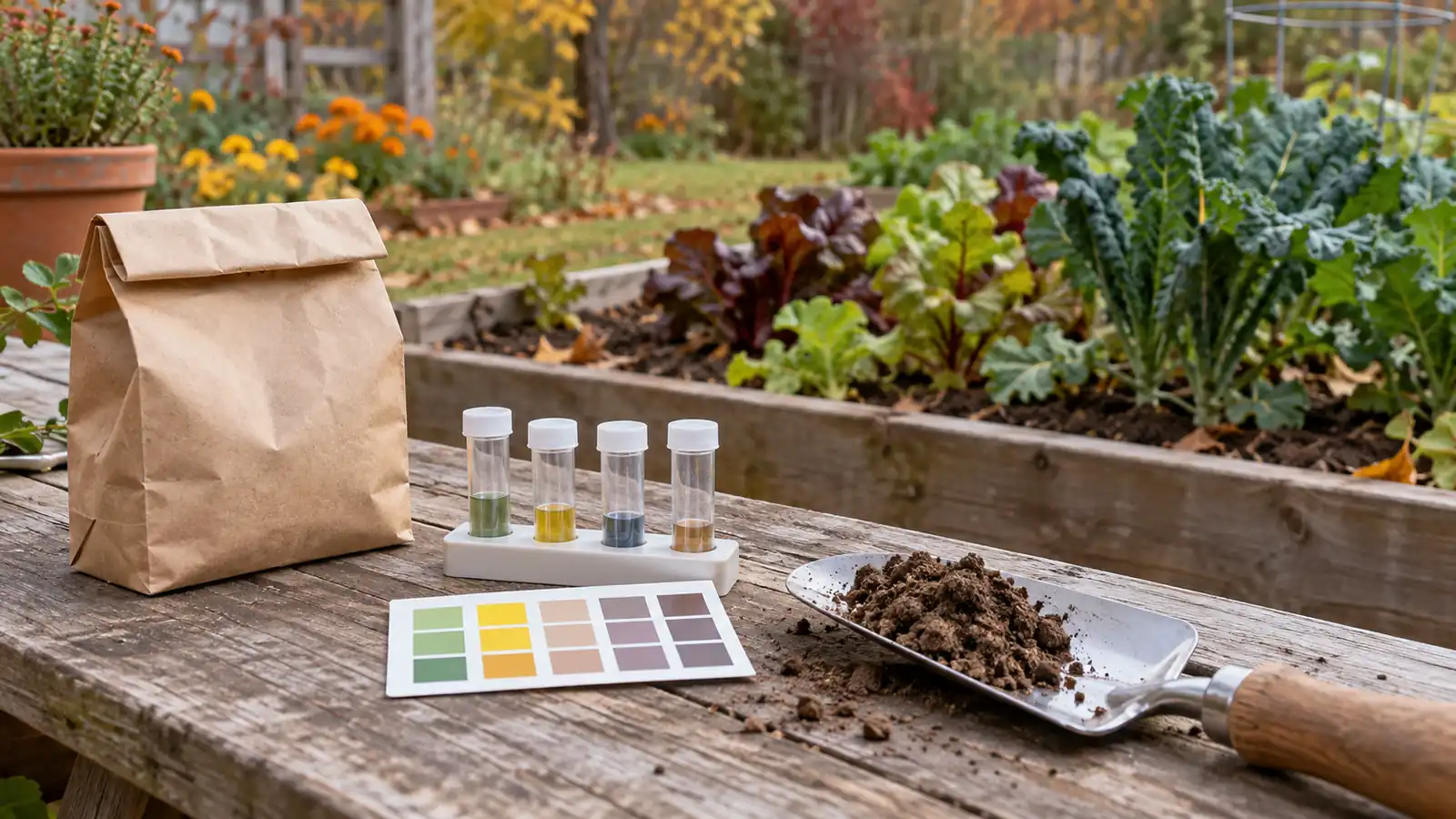
The nutrient side deserves testing. Before adding lime, sulfur, fertilizer, or repeated compost, use a lab test along with color and texture. The same logic behind testing garden soil before amendments applies strongly to raised beds because imported compost can already carry high nutrient levels.
Filling A Raised Bed Cheaply Without Ruining The Root Zone
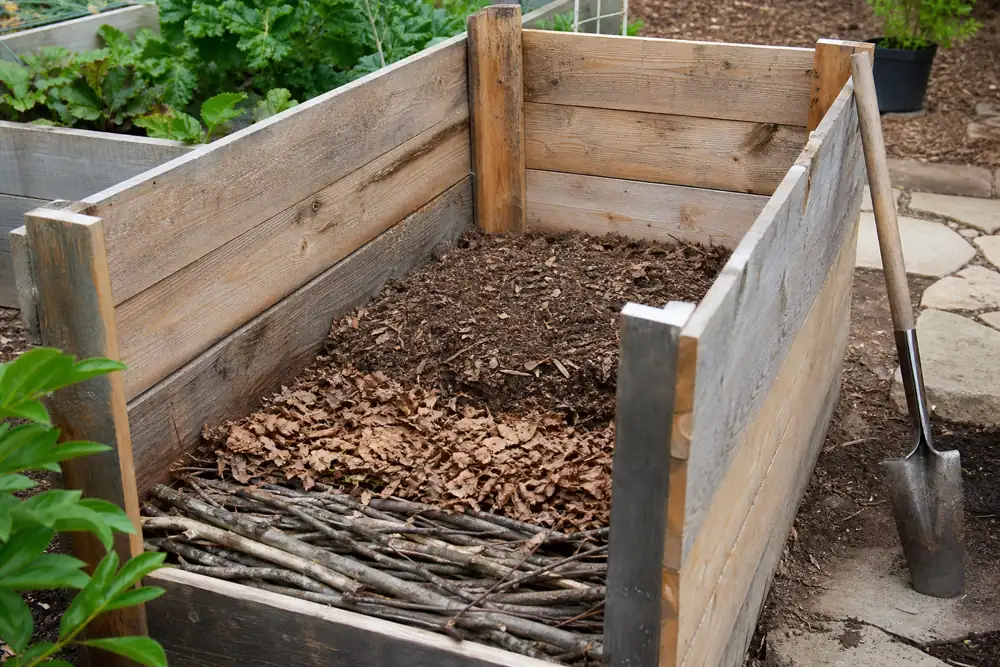
Tall beds invite shortcuts. Logs, branches, leaves, straw, cardboard, unfinished compost, and old potting mix can all reduce cost when they stay below the main crop root zone and avoid a wet, oxygen-poor layer. The upper 10 to 12 inches should be a real soil mix for vegetables.
Woody fill changes as it decomposes. It settles, creates air gaps, and can temporarily tie up nitrogen where fresh wood touches active roots. That is manageable in the lower third of a 24-inch bed. It becomes a problem in the top layer where seedlings need fine contact, even moisture, and available nitrogen.
Keep cheap fill clean. Avoid painted wood, treated scraps, glossy cardboard, diseased plant waste, walnut chips, unknown construction debris, and hay full of seed heads. In edible beds, a low-cost material has to stay free of herbicide residue, lead risk, and weeds that keep returning.
Drainage, Depth, And The Bottom Layer
The bottom of a raised bed should usually stay open when the bed sits on clean soil. Roots can move down, water can drain, and soil organisms can connect the new mix with the ground below. A plastic sheet across the base stops that movement and can turn a well-built bed into a shallow tub after rain.
Raised beds placed over clean ground function as in-ground gardens because roots can grow through the raised bed soil into the soil below. The raised bed size and filling guidance from University of Maryland Extension also gives the common 2- to 4-foot width and 2- to 12-inch height range, which fits most home beds built over soil.
Hardware cloth is the main exception. Use it when voles, gophers, or other burrowing pests are a real problem, and attach it tightly to the frame before filling. Landscape fabric across the bottom can slow drainage and root movement. Gravel at the bottom rarely fixes soggy soil; it can create a perched wet zone above the gravel because water does not move freely from fine soil into a coarse layer until the fine layer is saturated.
Drainage problems need site correction before the bed is filled. If water flows toward the frame after storms, fix the grade or move the bed. The practical fixes in soil drainage solutions matter more than adding extra compost to a bed that keeps receiving runoff.
Annual Top-Up And Soil Refresh
Raised bed soil settles because air pockets close and organic matter breaks down. A small drop is normal after the first watering cycles. A bed that sinks several inches in one season probably started with too much fluffy organic material, too many uncompacted voids, or a lower layer of brush that is decomposing quickly.
Top up the bed with compost and mineral soil based on what changed. If the surface simply dropped and crops grew well, add a thin layer of finished compost and enough topsoil or raised bed mix to restore grade. If plants were pale, stunted, or burned at the edges, test before adding more fertility. Too much annual compost can create salt and phosphorus problems even while the bed looks dark and rich.
Observation: The best second-year raised beds often look less dramatic than the first fill. The color trends brown-black instead of jet black. The surface has small crumbs, root channels, and a few bits of broken organic matter, and water sinks in without glazing the top.
Mulch helps hold the refreshed surface in place. A thin layer of straw, shredded leaves, or fine bark reduces crusting and slows evaporation after the bed warms. The same moisture logic behind mulching to conserve soil moisture applies especially to raised beds because exposed sides and loose fill dry faster in hot weather.
Add compost as a measured seasonal refill after the bed has settled. The practical work in improving garden soil with compost and organic matter is structure, moisture control, and biological activity. A raised bed needs all three, along with enough mineral soil to stay stable.
Common Raised Bed Soil Mistakes
Most raised bed soil problems come from treating the frame as the solution. The frame holds the profile. The soil needs mineral body, pore space, drainage, moisture reserve, nutrient balance, and a surface that can be replanted without turning sour or crusted.
- Filling the whole bed with compost creates shrinkage and nutrient imbalance.
- Using potting mix as the main fill makes the bed too light and fast-aging.
- Buying unscreened topsoil can bring rocks, weed roots, clay lumps, or debris.
- Putting plastic under the bed blocks roots and slows drainage.
- Adding manure every year can push phosphorus and salts too high.
- Ignoring volume math turns a cheap bed into an expensive bagged-soil project.
One question should come before every purchase: will this material still behave like soil after a full season of rain, irrigation, heat, roots, and microbial breakdown? If the answer depends on fluff, color, or marketing language, buy less of it and blend it with something more stable.
Conclusion
Good raised bed soil starts with restraint. Use enough compost to improve structure and life, enough topsoil to keep the bed stable, and enough aeration when texture demands it. If the top 10 to 12 inches crumble in your hand and accept water without sealing or floating, most vegetables have the root zone they need.
After the first season, judge the bed by behavior and color together. A productive bed settles a little, drains after rain, holds mulch neatly, and smells earthy when you pull a trowel through it.
Frequently Asked Questions
What is the best soil for a raised bed?
The best raised bed soil is usually a mineral topsoil and finished compost blend. A practical starting point is 50% to 65% screened topsoil, 25% to 35% compost, and up to 10% to 20% coarse adjustment if the soil is heavy. The finished mix should crumble, drain, and hold moisture without feeling fluffy.
How do I make my own soil mix for raised beds?
Measure the bed volume first, then blend screened loam topsoil with finished plant-based compost. For most vegetable beds, use about 60% topsoil and 30% compost, then adjust the last 10% with coarse sand, fine bark, or another aeration material if the topsoil is dense. Mix before filling when possible.
Is there a difference between raised bed soil and garden soil?
Yes. Raised bed soil is usually blended for a framed outdoor bed. Garden soil is often heavier and meant to mix with native ground. Potting mix is different again; it is made for containers and can dry, shrink, and lose structure too quickly when used as the main fill in a raised bed.
Can I fill a raised bed with cheap materials at the bottom?
Yes, in tall beds. Keep cheap fill below the main root zone. Clean logs, branches, leaves, and partially broken-down organic matter can occupy the lower third of a deep bed. Keep the top 10 to 12 inches as real growing soil so seedlings and vegetables root into a stable mix.
How often should raised bed soil be replaced?
Raised bed soil usually stays in place from year to year. Top it up as it settles, add modest compost based on crop demand, and test every 2 to 3 years if fertility or pH is uncertain. Full replacement is usually reserved for contamination, severe disease issues, or a failed fill mix.