
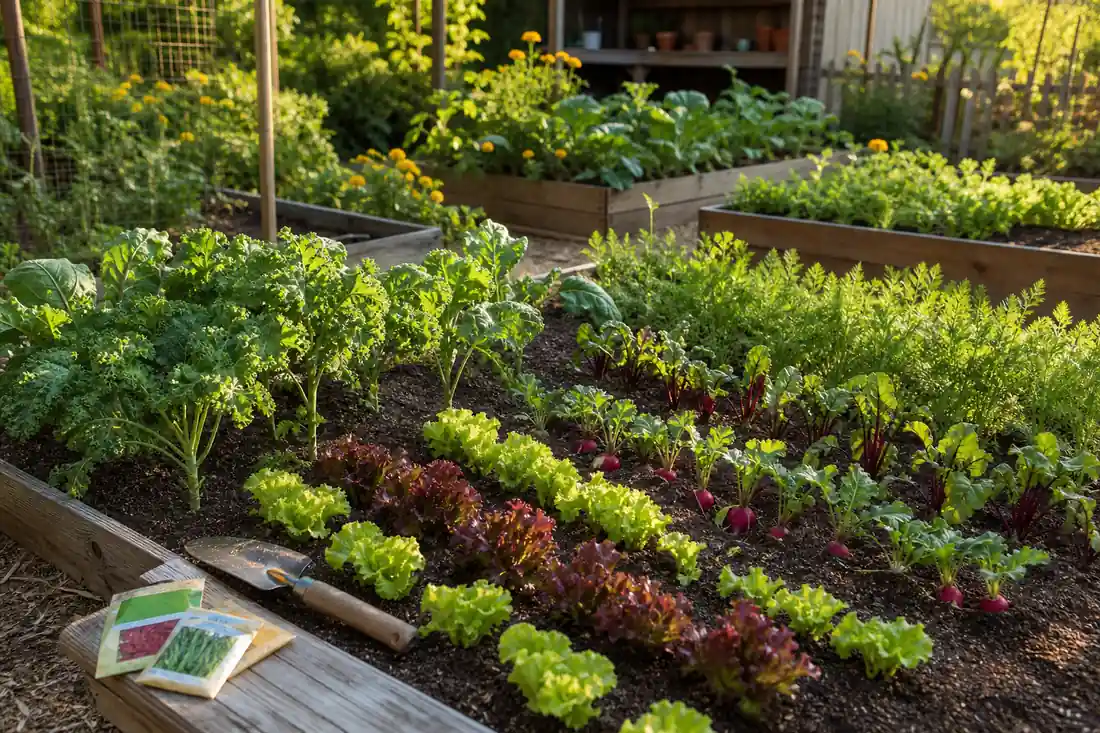
Fall crops succeed when the planting date is counted backward from cold weather, not guessed from the month on the calendar. A bed can still feel hot enough to sting bare knees in August as the crop you sow there is already racing a frost date six or eight weeks away.
The second harvest comes from matching crop speed, seed behavior, and cold tolerance. Fast greens, radishes, turnips, and transplants can turn late-summer space into food before winter. Slower roots and brassicas need earlier starts, cooler germination tricks, and a few extra days built into the math because fall light shortens growth even before the first hard freeze arrives.
Count Back Before You Sow
Use this rule for a late-summer planting window: average first frost date minus crop days to maturity minus 14 extra fall days. Those extra days cover shorter light and slower growth as the season cools.
For baby greens or partial harvests, the seed packet’s baby-leaf date matters more than the full-size date.
Key Takeaways
- Count backward from frost before buying fall seed.
- Add 14 buffer days for shortening fall light.
- Sow fast greens when summer beds open suddenly.
- Avoid slow brassicas unless transplants are ready.
- Check moisture daily during late-summer seed germination.
Table of Contents
Work Back From Frost Before Choosing Fall Crops
The first date that matters is the average first fall frost for your garden, and that date is local. A low pocket near a creek can frost before a nearby slope. A city lot with brick walls may stay warmer several nights longer. The USDA Plant Hardiness Zone Map helps with winter survival. Fall crop timing still needs a first-frost estimate from local weather history or your extension office.
Once that frost date is clear, the seed packet’s days to maturity becomes a deadline. A 45-day radish is not a 45-day promise in October. Cooler soil, lower sun angle, and shorter days slow leaf expansion and root fill. Add about 10 to 14 days to the packet number for most fall sowings. In cloudy, northern, or shaded gardens, add more.
The August and September windows behave differently. August can still support carrots, beets, kale, bush beans in warm regions, and transplanted brassicas. September often belongs to baby greens, radishes, turnip greens, spinach in mild climates, and garlic for next year. The month name matters less than the remaining growing days.
The current August gardening checklist treats fall planting as one task among harvesting, watering, and deadheading. A fall vegetable garden needs a tighter crop decision: which seed can germinate in hot soil, mature before frost, or survive long enough after frost to keep producing.
July And August Crops That Can Beat The Frost
July and August are the strongest second harvest planting months because warm soil still pushes germination as the crop can finish in cooler weather. Heat creates the main early risk. Lettuce seed may sit stubbornly in hot soil. Spinach may refuse to germinate when soil stays too warm. Broccoli seedlings can stretch or stall if they are started during a heat wave.
Fast crops give the safest return. Radishes, arugula, mustard greens, mizuna, baby lettuce, and turnip greens can fill gaps after peas, early potatoes, onions, or tired bush beans. They do not need a whole season to justify the bed. A shallow row of radish seed in late August can produce food as slower crops beside it are still making leaves.
Middle-window crops need more discipline. Beets, carrots, bok choy, Swiss chard, kale, collards, and spinach can work when the sowing date is early enough and moisture stays even. Fall carrots often taste sweeter after cold nights because the root shifts stored carbohydrates, and the root still needs enough warm weeks first. Root thickening takes time even when leaf growth looks active – the carrot development stages follow that lag week by week.
Slow brassicas need the earliest start. Broccoli, cabbage, cauliflower, and Brussels sprouts usually perform better from transplants in late summer because the seedling stage has already been paid for. A direct-sown broccoli row after mid-August often makes leaves without giving the head enough time to size. The same temperature sensitivity that shapes broccoli growth stages becomes sharper when fall days are running out.
Heat Changes Germination Before Cold Arrives
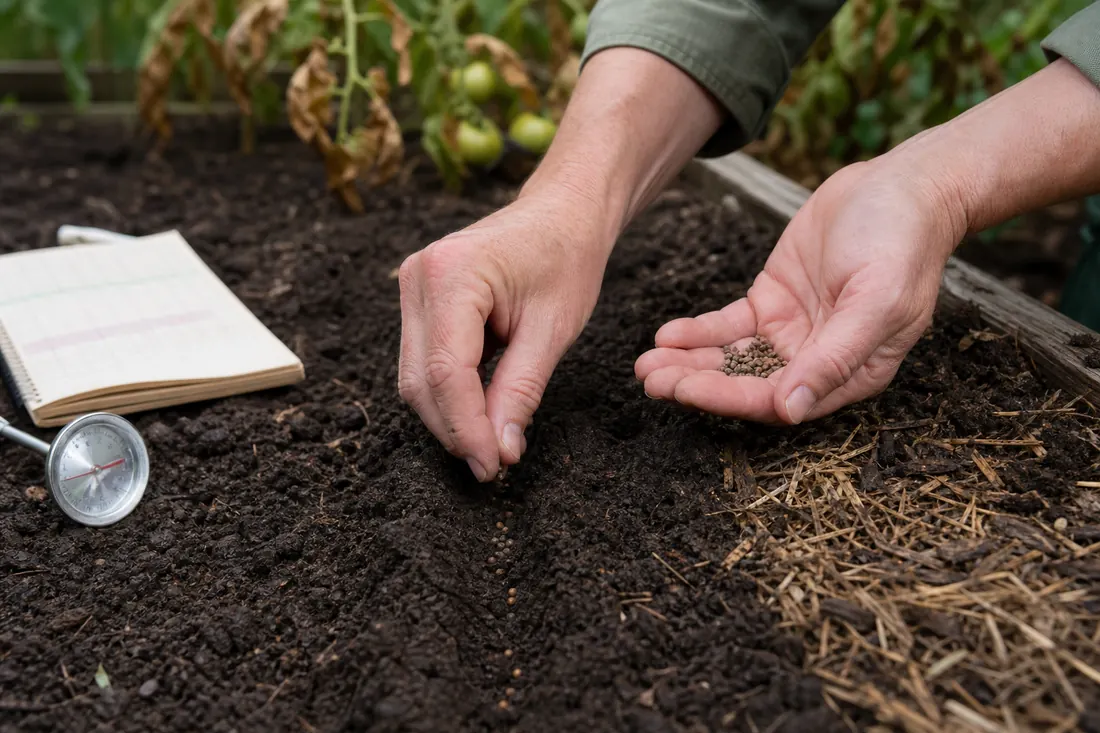
The hardest part of a fall garden often happens when the weather still feels like summer. Seed must absorb water before it can germinate, and a shallow seedbed can dry within hours under August sun. The soil surface may crust, mulch may be too coarse for tiny seed, and irrigation can wash seed into clumps.
Prepare a fine, moist seedbed before sowing small seeds. Water the row first, let the surface settle, sow, then cover with the light amount listed on the packet. For lettuce, spinach, carrots, and brassicas, keep the top half inch evenly damp until seedlings break through. A board, burlap strip, shade cloth, or light row cover can protect the row for a few days. Remove solid covers as soon as seedlings appear.
Cool-season vegetable timing from NC State Extension separates crops by season and temperature response, which is the same reason fall sowing needs more than a crop list. A crop can be cold-tolerant as a mature plant and still germinate poorly in hot soil. Lettuce is the common example: it likes cool growth, and the seed can hesitate when soil stays hot.
Use afternoon shade when the seedbed is too hot. A scrap of shade cloth on low hoops, a temporary screen, or sowing on the east side of taller summer crops can lower surface stress during germination. Keep the bed moderated, not cold. Seed needs enough protection to stay damp until roots can reach deeper moisture.
Fall Vegetables To Plant By Crop Group
The best fall vegetables to plant are the ones whose edible part can form before your frost window closes. Leaves are fastest. Small roots are next. Big heads, storage roots, and sprouts take more time and often need transplants. The planting window should follow the edible part you expect to harvest.
| Crop group | Good fall choices | Planting window logic | Main failure signal |
|---|---|---|---|
| Fast greens | Arugula, mustard, baby lettuce, mizuna, turnip greens | Best for late August and September where frost is close | Seed dries before germination |
| Small roots | Radish, turnip, beet, baby carrot | Sow early enough for root swelling, not only leaf growth | Leafy tops form over thin roots |
| Leafy brassicas | Kale, collards, bok choy, tatsoi | Direct sow early or transplant into open summer beds | Heat-stressed seedlings stall |
| Headed brassicas | Broccoli, cabbage, cauliflower | Start from transplants unless the season is long | Plants make leaves without a usable head |
| Cool legumes | Peas in mild or long-fall climates | Needs enough cool weeks before hard freezes | Flowers arrive after cold shuts growth down |
| Next-year crops | Garlic, shallots, overwintering onions | Plant in fall for spring or summer harvest | Planted too early and makes weak top growth |
The University of Georgia vegetable garden calendar shows how planting windows shift by crop and season. That pattern matters in every region, even when the exact dates change. A fall crop list without timing windows can push a gardener toward slow crops after the useful window has already passed.
Radishes are the easiest proof. A spring radish can mature quickly, and the same speed makes it useful in fall. If roots stay pencil-thin, the row was too crowded, too dry, or too late – the radish growth stages show how fast the crop should move when conditions are right.
September Planting Has A Narrower Job
Fall crops to plant in September are usually smaller, faster, or meant for overwintering. A September planting can still be valuable, and it should not be asked to behave like an August sowing. The remaining light is weaker, nights are cooler, and the bed may need protection before the crop reaches full size.
Baby greens are the safest September crop in many gardens. Arugula, mustard, leaf lettuce, and spinach can be harvested young. Radishes and turnip greens also fit a short window. Bok choy, tatsoi, and kale can work in mild climates or under row cover, especially from sturdy transplants.
The September garden checklist includes fall crops beside cleanup and lawn work. September rewards a narrower goal: baby leaves, transplants, protection, or garlic.
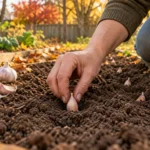
Garlic is the exception that makes fall planting feel odd. It is planted in fall, roots before winter, rests in cold weather, then grows strongly in spring. It does not belong in the same timing math as radishes or spinach because the harvest target is next year. Plant it after soil cools and before the ground freezes hard, so cloves root without making too much leafy growth.
Cold Tolerance Changes What Counts As Harvest
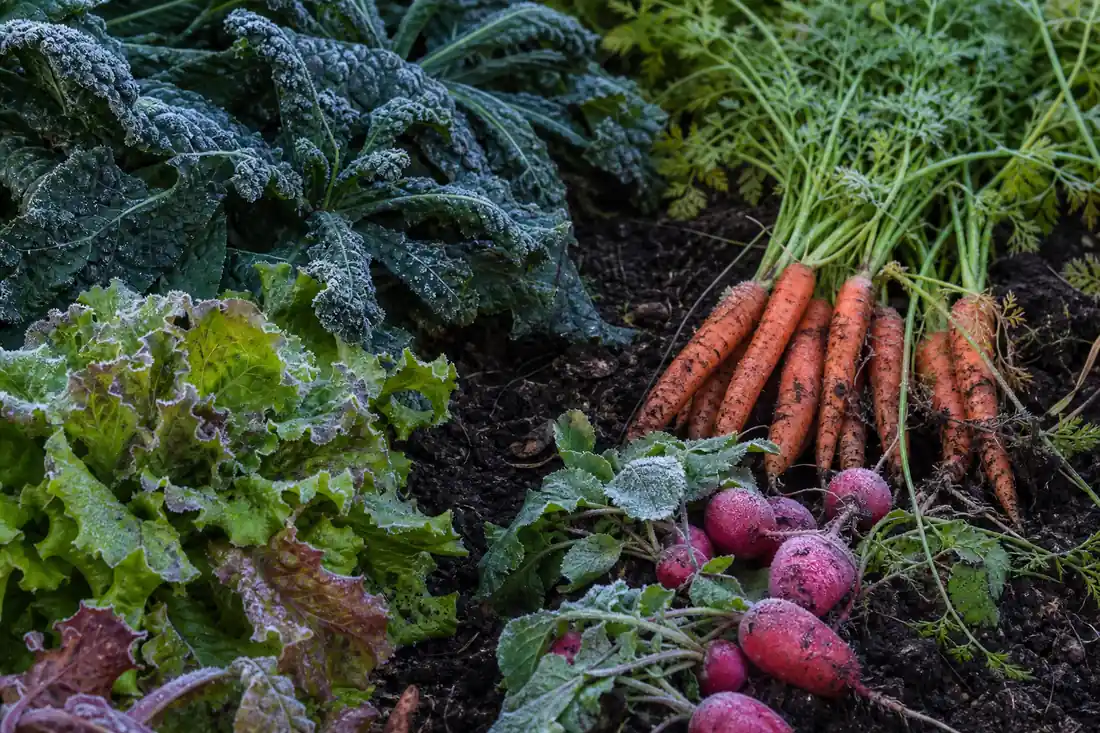
Some fall crops must be harvested before frost. Others improve after light cold. Kale, collards, spinach, carrots, and parsnips can handle more chill than lettuce or beans. The harvest target changes from “finish before frost” to “reach usable size before hard cold.” That difference opens the season if the crop is already well established.
Cold tolerance is not a shield for immature plants. A tiny carrot seedling may survive a chill and still never make a useful root before growth slows. A kale transplant with a sturdy stem and several true leaves can keep making harvestable foliage longer. Size before cold matters as much as species.
UF/IFAS vegetable gardening guidance groups vegetables by cool-season and warm-season behavior, which helps explain why beans and cucumbers fade as leafy greens gain value. Timing still works as a count-back decision, not as a simple fall crop list.
Light frost can improve flavor in some greens and roots because the plant changes how sugars and water behave in cold tissue. Tender crops still need an end point. Harvest tender lettuces before damaging freezes, pull roots before the ground locks, and use row cover when you need a few extra nights without building a full winter system.
Second Harvest Beds Need Water, Shade, And Nitrogen Restraint
A fall vegetable garden often starts in tired summer soil. The previous crop took nutrients, irrigation patterns may have left dry pockets, and mulch can hide uneven moisture. Before sowing, clear spent roots, loosen the top few inches, and add finished compost if the bed has lost structure. Keep fresh, woody material away from the seed zone where small seeds need close soil contact.
Water is the first week-by-week control. Late-summer seed needs frequent light watering until germination, then deeper watering as roots form. A crusted surface, pale seedlings, or seedlings that topple at midday usually mean the root zone cannot keep up with heat. For leafy crops, uneven moisture also turns texture coarse.
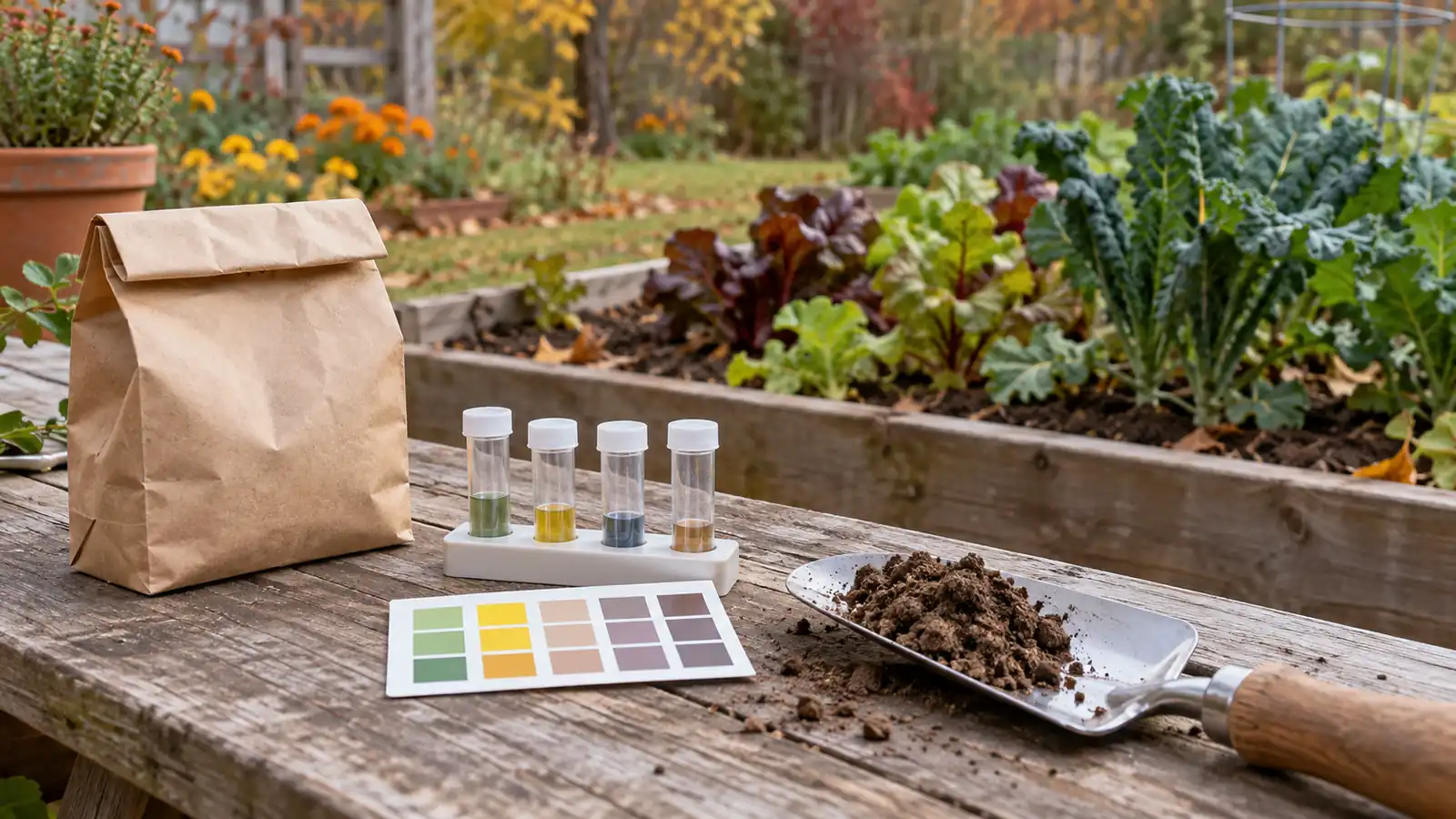
Nitrogen helps leafy growth. Heavy late feeding can push soft leaves that pests and cold damage more easily. Use a modest application according to soil test guidance or a vegetable fertilizer label, then let crop response guide any second feeding. Dark leaves with firm growth are better than lush, floppy plants.
Mulch comes after seedlings are established. Fine straw, shredded leaves, or compost can cool the soil surface and slow evaporation. Keep it thin around tiny stems. Heavy mulch placed too early can block seed emergence or shelter slugs, especially once nights cool and moisture lingers.
Start With The Crop Window You Still Have
When the math says the main crop window has passed, the best move is to shrink the harvest goal. Plant baby greens, not full heads. Grow radish greens, not perfect roots. Use transplants to save seedling time. Put garlic in the bed if the real harvest target is next summer.
Container sowing can also rescue a short window. A shallow box of arugula or leaf lettuce can start outdoors, then move under protection when nights drop. The container will not replace a full bed. It can produce several cuttings from space that would otherwise sit empty.
Think about what the bed needs after harvest. Bare soil through fall and winter loses structure faster under rain, wind, and freeze-thaw. If food crops are no longer realistic, sow a cover crop suited to your region or mulch the bed after cleanup. A second harvest is useful, and soil that enters spring in better condition also has value.
Conclusion
Fall crops reward the gardener who counts days before sowing. Start with your average first frost, subtract the crop’s days to maturity, then add a 10- to 14-day fall buffer for shortening light. If the latest safe sowing date has passed, switch to baby greens, transplants, protected containers, or garlic for next year.
The best second harvest bed looks calm before it looks productive: fine soil, even moisture, thin shade when heat is sharp, and seedlings that never had to fight a dry crust. Get that first week right, and the fall garden can carry crisp leaves and sweet roots long after the summer crops have faded.
Frequently Asked Questions
What crop is best for fall?
The best fall crop is usually a fast cool-season crop matched to your frost date. Arugula, radish, turnip greens, kale, spinach, and baby lettuce are safer than slow heading crops when the window is short. In long-fall climates, broccoli, cabbage, beets, and carrots become more realistic.
What crops are in season in fall?
Leafy greens, brassicas, roots, and some herbs fit fall best. Kale, collards, spinach, lettuce, radishes, carrots, beets, turnips, broccoli, cabbage, parsley, and cilantro all prefer cooler weather once established. Warm-season crops such as cucumbers, beans, peppers, and squash fade as nights cool.
What crops are planted in the fall?
Garlic is the classic fall-planted crop for a next-year harvest. In mild climates, gardeners also plant overwintering onions, spinach, kale, and some cover crops in fall. For same-season food, most fall crops are actually planted in July, August, or early September so they can size up before hard cold.
Can I plant fall vegetables in containers?
Yes, containers work well for baby lettuce, arugula, spinach, radishes, parsley, and compact kale. Use fresh potting mix, keep moisture even, and protect containers earlier than in-ground beds because exposed roots cool faster during cold nights.
Is August too late to plant a fall vegetable garden?
August is often the right month for a fall vegetable garden, especially in regions with a first frost in October or November. The crop list must be matched to the remaining days. Fast greens and roots fit late August better than slow cabbage-family crops from seed.