


Last Updated June 27, 2026
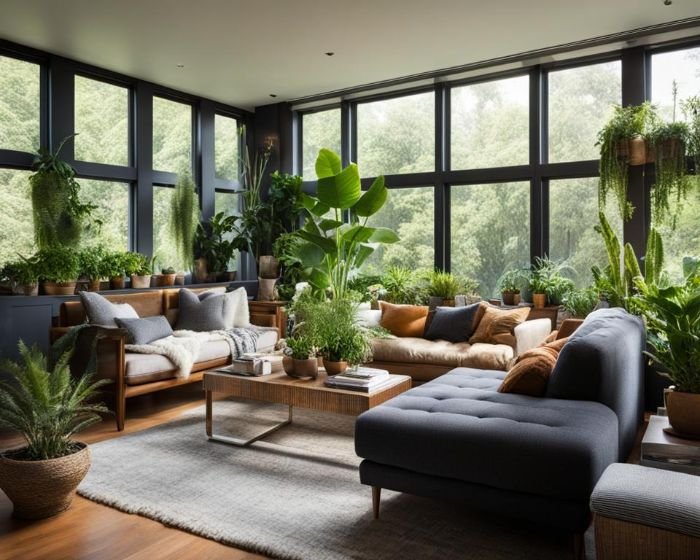
Top indoor plants for improving air quality are worth choosing for leaf area, easy care, and room fit, with one clear limit: a normal home is much larger and leakier than a sealed test chamber. A spider plant on a kitchen shelf, a snake plant by a dim hallway, or a fern breathing in a bright bathroom can make a room feel fresher because the space is greener and better tended. Air-cleaning promises need narrower evidence. Plants interact with volatile organic compounds, dust, humidity, and carbon dioxide in limited ways; ventilation, source control, filtration, and moisture control still carry the real indoor-air work. The best choice is a plant you can keep healthy in drained soil with clean leaves and safe placement.
Key Takeaways:
- Choose plants that match light, watering, and room use.
- Treat NASA results as chamber evidence with limited room-scale proof.
- Favor leaf area, clean foliage, and healthy root zones.
- Avoid soggy pots that add mold, gnats, and odor.
- Review pet toxicity before placing reachable floor plants.
Table of Contents
What NASA Found About Indoor Plants And Air Pollutants
The plant-air-quality idea became famous because sealed chamber tests showed that certain houseplants could remove pollutants such as benzene, trichloroethylene, and formaldehyde. The 1989 NASA plant chamber study tested common indoor plants under controlled conditions, with pollutant gases introduced into enclosed chambers. That setting matters as much as the plant list.
A living room has door gaps, HVAC movement, cooking particles, cleaning products, pet dander, furniture off-gassing, and changing outdoor air. Cummings and Waring reviewed 12 chamber studies and converted 196 results into clean-air delivery rates, the same kind of metric used for air cleaners. Their real-room clean-air delivery analysis found a median single-plant CADR of 0.023 cubic meters per hour, a number far below normal building air exchange.
Real-room airflow changes the promise. Houseplants can be part of a healthier-feeling room, especially when they are dusted, watered correctly, and placed where people actually spend time. Smoke, gas appliances, radon, mold, new paint odors, and heavy VOC exposure need building-level controls.
| Indoor air issue | Plant-level effect | Higher-impact control |
|---|---|---|
| VOC removal | Interact with some VOCs in sealed chamber tests | Source control, ventilation, and filtration |
| Oxygen release | Photosynthesis releases oxygen during lighted growth | Outdoor air exchange in occupied rooms |
| Humidity support | Transpiration can add slight moisture near foliage | Measured indoor humidity and mold prevention |
| Dust reduction | Leaves catch dust that must be wiped away | Cleaning routines and HVAC filter care |
| Odor control | Healthy plants may make a room feel cleaner | Removing the odor source |
Choose The Right Indoor Plant By Room And Risk
A plant works best in the room where its care can stay boring. The worst air-quality plant is the one that sits in a decorative pot with no drainage, damp soil, yellowing leaves, and a sour smell when the pot is moved. Good placement starts with light, then water habits, then pets and children.
Rooms with bright indirect light can support palms, ferns, rubber plants, pothos, and aloe. Dimmer rooms need tougher plants such as snake plant, ZZ plant, dracaena, or heartleaf philodendron, though many need pet-safe placement. A bathroom may suit a fern because the air is humid and the light is softened by glass; the same fern can crisp on a dry office shelf beside a heat vent.
The main room problem should decide the plant before the air-purifying label does. Dust, dry air, darkness, crowding, pet access, and damp odor after watering all change the safest choice.
| Room condition | Best plant type | Why it fits | Watch closely |
|---|---|---|---|
| Low-light hallway | Snake plant or dracaena | Tolerates slower growth and dry soil | Pet access and overwatering |
| Bright kitchen shelf | Spider plant or pothos | Easy to dust, prune, and rotate | Trailing stems near pets |
| Humid bathroom | Boston fern | Fine fronds suit moist air and filtered light | Standing water in saucers |
| Dry living room | Areca palm or rubber plant | Large leaves add visual softness and easy wiping | Leaf edge browning and scale insects |
| Desk or side table | Aloe or small spider plant | Compact footprint with simple care | Strong sun through glass |
Smart monitors help when the concern is actual indoor air conditions. A sensor shows patterns; smart indoor air quality tools can reveal humidity swings, particle events, and ventilation gaps that houseplants leave hidden.
Best Indoor Plants For Air Quality And Everyday Home Comfort
Familiar plants win because they survive normal homes. Full foliage through winter gives more leaf surface and less maintenance trouble than a fussy plant that drops leaves when rooms dry out.
Spider Plant
Spider plant is one of the easiest choices for a kitchen, bedroom shelf, or hanging basket. Its arching leaves collect dust visibly, so it reminds you when cleaning is due. The plant also sends out small plantlets, which makes it simple to refresh a tired pot without buying a new one.
Keep spider plant in bright indirect light and water after the upper soil feels dry. Brown tips often point to dry air, mineral-heavy water, or salt buildup from fertilizer. It fits many pet-aware homes, though chewing can still upset a pet’s stomach.

Snake Plant
Snake plant, now commonly placed in Dracaena, earns its spot because it tolerates low light and long dry stretches. The upright leaves make it useful in tight corners where a sprawling plant would collect dust against the wall. Its stiff blades look cleanest when wiped with a damp cloth from base to tip.
The main failure is wet soil. A snake plant in a heavy cachepot can rot before the leaves show much distress. Use a draining nursery pot inside the decorative container and empty water from the outer pot after watering.
Pothos
Pothos gives fast leaf coverage in ordinary rooms. It trails, climbs, and rebounds after pruning, so a fuller plant can be maintained without difficult care. For plant health, bright indirect light gives fuller vines and stronger variegation than a dark shelf across the room.
Long vines can gather dust along the wall or curtain. Prune them back to a fuller shape, root the cuttings in water, and restart sparse sections. Pothos light requirements decide leaf density and vine strength before any air-cleaning label matters.
Peace Lily
Peace lily has broad green leaves and white spathes that feel more polished than many utility houseplants. It was included in NASA-era discussions because it can interact with several VOCs in chamber conditions. At home, drooping leaves show water stress quickly, so the plant teaches you its rhythm.
Peace lily dislikes harsh sun and soggy soil. It also contains calcium oxalate crystals, so it belongs away from pets and young children who chew leaves. A high shelf or plant stand may solve the placement problem if the room has enough light.
Dracaena
Dracaena brings height without the footprint of a broad palm. Red-edged dracaena and corn plant types can handle average indoor light, then show stress through brown tips, soft stems, or leaf drop when watering becomes uneven. Their upright shape works well near furniture because leaves can be wiped easily.
Fluoride sensitivity can cause tip burn in some dracaenas. If tap water leaves a white crust on pots or soil, switch to filtered water or let water sit overnight. Choosing a dracaena variety changes the final room fit because cane height, leaf width, and tip sensitivity vary by type.
Boston Fern
Boston fern suits a room with softened light and a little humidity. Its fine fronds give a cool, feathery texture that can make a bathroom or north-facing window feel calmer. The tradeoff is mess: dry air turns fronds crisp, and the plant sheds small leaflets when neglected.
Water before the root ball dries hard, then drain the pot well. Ferns hate alternating between bone dry and swampy. A pebble tray can raise local humidity a little. A saucer full of stagnant water creates the opposite of a fresh room.
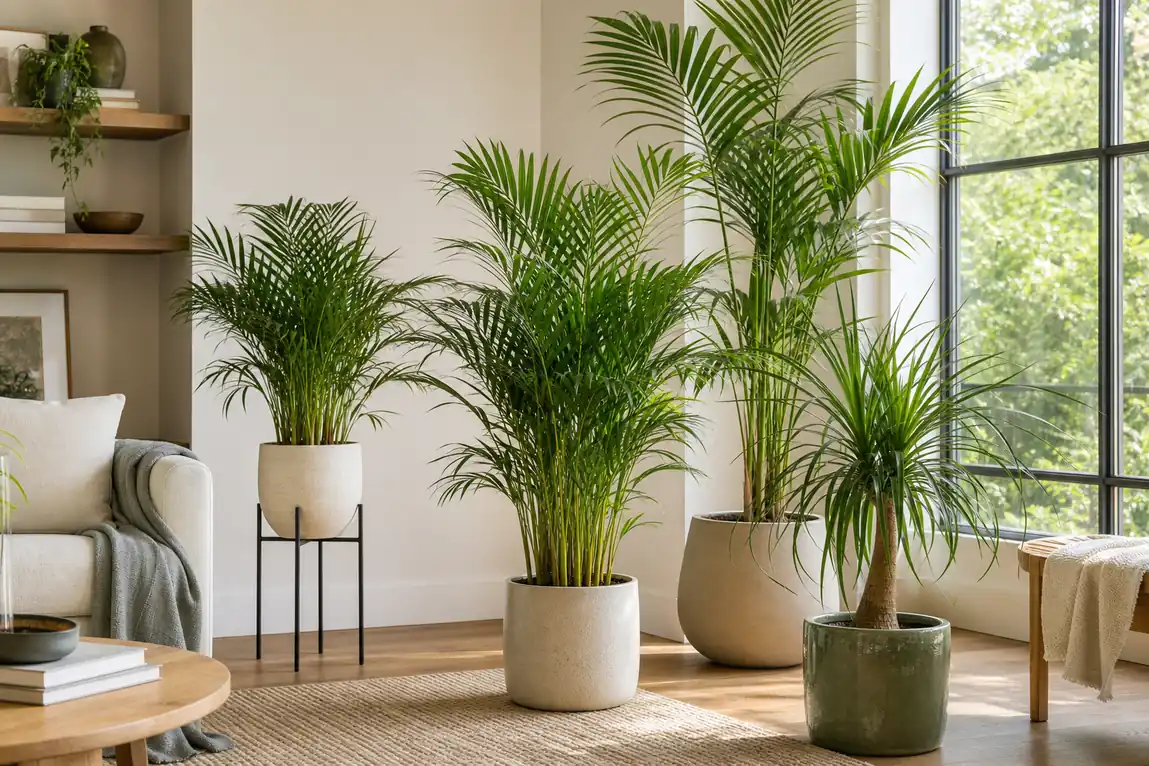
Areca Palm
Areca palm adds a soft screen in living rooms and offices. It has more leaf area than a small tabletop plant, so it changes how the room feels right away. The leaves also show dust quickly, which is useful if you build leaf cleaning into weekly chores.
Give areca palm bright indirect light, even moisture, and room around the pot. Crowded fronds pushed against a wall trap dust and invite spider mites. If the leaflets feel gritty or look speckled, rinse the foliage and check the undersides.
Aloe Vera
Aloe vera is a compact choice for a sunny sill or desk with strong light. It stays tidy, asks for little water, and handles dry indoor air better than many leafy plants. The thick leaves should feel firm, full, and lightly waxy.
Use a gritty potting mix and let the soil dry well between waterings. Aloe is a poor match for dim bathrooms and over-attentive watering. Healthy indoor aloe starts with the right size, firm leaves, and roots that suit the pot; selecting an aloe vera plant should begin with firm tissue, clean roots, and a pot size the plant can dry through.
| Plant | Best placement | Main air-quality value | Care risk | Pet caution |
|---|---|---|---|---|
| Spider plant | Bright shelf or hanging basket | Easy leaf cleaning and fast renewal | Brown tips from salts or dry air | Usually lower concern |
| Snake plant | Low-light corner | Durable upright foliage | Root rot in wet soil | Keep away from chewers |
| Pothos | High shelf or trellis | Fast foliage coverage | Dusty trailing vines | Keep out of reach |
| Peace lily | Filtered light near seating | Broad leaves and clear wilt signal | Soggy soil and brown leaf edges | Keep out of reach |
| Dracaena | Floor pot with indirect light | Vertical leaf area | Tip burn and wet roots | Keep out of reach |
| Boston fern | Bright bathroom or humid window | Fine foliage and humidity comfort | Dry fronds and shedding | Usually lower concern |
| Areca palm | Bright living room corner | Large visual leaf mass | Mites in dry, dusty air | Usually lower concern |
| Aloe vera | Sunny sill or desk | Low-maintenance dry-room plant | Rot in dim, wet conditions | Keep away from chewers |
NASA-Era Plants To Use With Extra Caution At Home
| Plant often listed from NASA-era sources | Why it appears in air-quality lists | Main home caution | Better home decision |
|---|---|---|---|
| English ivy | Appears in sealed-chamber VOC testing | Pet access, trailing reach, pests, and drying stress | Use only in bright, pet-safe placement or skip it |
| Bamboo palm | Large leaf area and NASA-era chamber history | Needs space, light, and mite checks in dry rooms | Use where the palm can be cleaned and inspected |
| Chinese evergreen | Common low-light foliage plant in NASA-era lists | Pet chewing risk and wet soil sensitivity | Use as a low-light plant only when placement is safe |
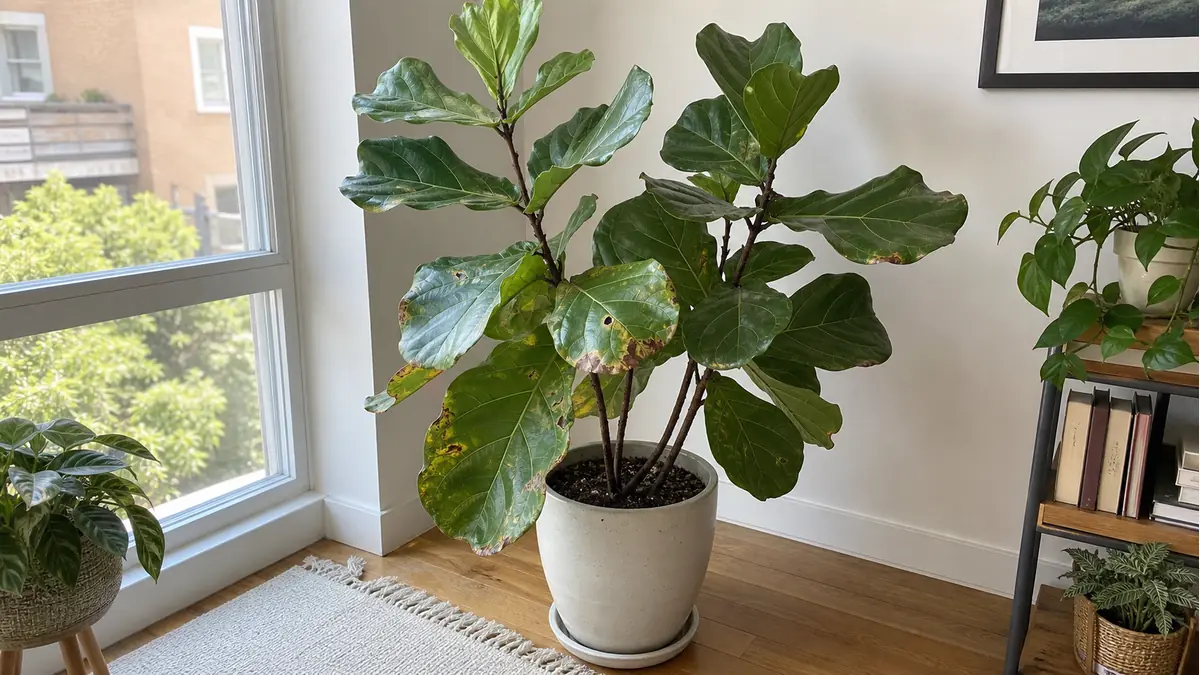
| Ficus types | Large leaf surface and chamber-testing history | Leaf drop, latex sensitivity, and pet chewing concerns | Choose only where light is stable and leaves can be wiped |
| Gerbera daisy and pot mum | Strong chamber-test presence in NASA-era lists | Short indoor life, higher light needs, and pet caution | Treat as seasonal flowering plants |
Plant Care That Keeps Indoor Air From Getting Worse
A plant can improve the feel of a room and still create a maintenance problem. Wet potting mix smells earthy at first, then sour when roots decline and fungi take over. Fungus gnats hovering near the soil are a practical warning that the pot is staying damp too long.
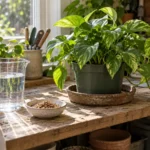
Use a pot with drainage, water deeply, and let the upper layer dry according to the plant type. Empty saucers after 10 to 15 minutes. If a decorative pot has no hole, keep the plant in a nursery pot inside it so water can drain before the plant goes back on display.
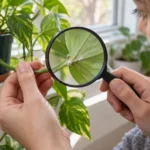
Leaf cleaning matters because dusty leaves block light and make a plant look tired. Wipe broad leaves every two to four weeks with a damp cloth. Rinse ferns and palms gently when dust settles into the foliage. Shiny leaf products can leave residue; plain water is usually enough.
Pro Tip: Lift the nursery pot before watering. A light pot plus dry top inch usually needs water; a heavy pot with cool soil should wait.

Overwatering is the fastest way for an indoor air plant to become an indoor odor problem. Yellow lower leaves, soft stems, black roots, and soil that stays wet for more than a week point toward drainage trouble. The warning signs match many of the same patterns covered in signs of overwatering plants, especially when a cachepot hides standing water.
What Houseplants Cannot Fix In Indoor Air
Indoor pollutants often come from the source inside the room: tobacco smoke, combustion appliances, cleaning sprays, paint, pressed-wood furniture, scented products, damp materials, and outdoor smoke that enters through leaks. Americans spend about 90 percent of their time indoors, where some pollutant concentrations are often 2 to 5 times higher than typical outdoor concentrations. Indoor-air improvement still depends first on source control, ventilation, and filtration.
Gas leaks, blocked flues, damp wall cavities, and wildfire smoke drifting indoors need source removal, ventilation when outdoor air is safe, mechanical filtration, dehumidification, repair, or professional testing. Plants should be added after the actual pollutant source has been controlled.
Real-room limits make the plant choice easier to trust. You can enjoy houseplants for comfort, attention, color, texture, and gentle routine. The psychological side has its own value, and keeping indoor plants for mental comfort rests on firmer evidence than passive room purification.
Use an actual air purifier when smoke, particles, persistent odors, or allergies are the concern. Plant foliage may soften the look of the room around the machine. Filtration does the measurable particle work, and smart air purifier placement determines how clean air moves through the space.
Room Placement For Healthy Air-Quality Plants
Placement should make the plant easy to care for and easy to see. A floor plant wedged behind a chair gets watered late, dusted rarely, and checked only when leaves fall. A plant near a normal walking route gets noticed before the soil turns sour or the foliage browns.
Keep foliage away from supply vents, radiators, fireplaces, and cold window glass. Air blasts dry leaf edges and push dust into the plant canopy. Cold glass can mark tender leaves overnight, especially on peace lily, pothos, and dracaena.
Leave space around large plants so air can move and leaves can dry after cleaning. A palm packed against curtains may look lush in a photo, then develop mites where the fronds stay dusty and still.
The healthiest indoor plant corner often has fewer pots than expected because each plant gets light, drainage, and room for a hand to reach the soil.
Group plants by care rhythm and daily access. Ferns and palms can share a brighter, slightly more humid area. Snake plants and aloe belong in a drier group. Pothos can trail from a high shelf where it receives light and stays away from chewing pets.
Pet, Allergy, And Mold Cautions For Air-Cleaning Plants
Pet placement needs a species check because peace lily, pothos, philodendron, snake plant, dracaena, aloe, and rubber plant can irritate or upset pets when chewed. Check toxic and non-toxic plant listings before placing floor plants, hanging baskets, or reachable shelf plants.
Reach matters more than the label on the pot. A toxic plant on a high shelf may be safe in one home and risky in another if a cat climbs. A hanging basket can still drop leaves. If a pet chews greenery, choose lower-concern plants first and keep questionable plants behind a closed office door.
Allergy and mold risks usually come from damp soil, pollen, dust, and decaying leaves. Remove yellow leaves before they rot on the soil surface. Top-dress with small stones only if the pot is draining well; stones can hide wet soil and delay the warning signs.
Indoor humidity should be measured when several plants gather in one room. If windows sweat, musty odor lingers, or soil stays wet for days, reduce watering and split the plant group. A plant collection should smell like clean leaves and damp potting mix after watering, then dry back without sour odor.
Common Indoor Plant Air Quality Mistakes
The first mistake is counting plants as an air-cleaning system. A few pots cannot keep up with smoke, heavy cooking particles, solvent odors, or a damp basement. Treat plants as living decor with modest environmental interactions, then use the right building control for the actual pollutant.
Buying one of every plant from an air-purifying chart creates the second mistake. Mixed care needs make watering messy. A fern, aloe, peace lily, and snake plant in matching pots may look organized on day one, then fail because each pot dries at a different pace.
Hidden drainage is the third mistake. Cachepots look tidy and often trap water below the nursery pot. Roots sit in a hidden puddle, lower leaves yellow, and the soil surface grows a film. If the room smells musty after watering, pull the inner pot and check the bottom.
Ignoring leaf surface is the fourth mistake. Dusty leaves receive less light and look dull. A monthly wipe changes more than appearance; it also gives you a close look at scale insects, mites, sticky residue, brown tips, and early stress.
Before adding another plant, confirm enough light, drainage, space, and safe access for the people and pets who live there.
Conclusion
Indoor plants for air quality make the most sense when the promise stays honest. Choose plants for healthy foliage, manageable watering, and pet-safe placement. Use ventilation, filtration, moisture control, and source removal for smoke, combustion gases, mold, radon, and heavy odors.
A strong setup may be simple: one spider plant where leaves can be wiped, one snake plant in a dry corner, one fern in a bright bathroom, and no pot sitting in hidden water. The room should look alive, smell clean after watering, and dry back quietly between care days.
FAQ
Do indoor plants really improve air quality?
Indoor plants can interact with some airborne chemicals in sealed chamber tests, and they can make rooms feel fresher through greenery, care routine, and clean foliage. In a normal room, a few plants remove VOCs far too slowly to replace ventilation, source control, or filtration.
Which indoor plant is best for air quality?
Spider plant is the best first choice for many homes because it is easy to grow, easy to clean, quick to replace from plantlets, and usually safer around pets. Snake plant, pothos, peace lily, dracaena, Boston fern, areca palm, and aloe can also work when the room matches their care needs.
How many plants do I need to clean a room?
For measurable VOC cleaning at room scale, the number would be impractical. Cummings and Waring’s review found that passive potted plants would require far more plant density than a normal home can hold to match ordinary outdoor-to-indoor air exchange.
Are NASA air-purifying plants still worth buying?
Yes, when they are bought as healthy houseplants with a realistic role. The NASA work is useful for understanding plant-pollutant interaction in enclosed tests. The better home decision is matching a plant to light, drainage, pet safety, and care rhythm.
Can houseplants make indoor air worse?
They can when pots stay wet, leaves collect dust, dead foliage rots on soil, or a toxic plant is placed where pets chew it. Good drainage, regular leaf cleaning, and prompt removal of dead leaves prevent most plant-related indoor air problems.