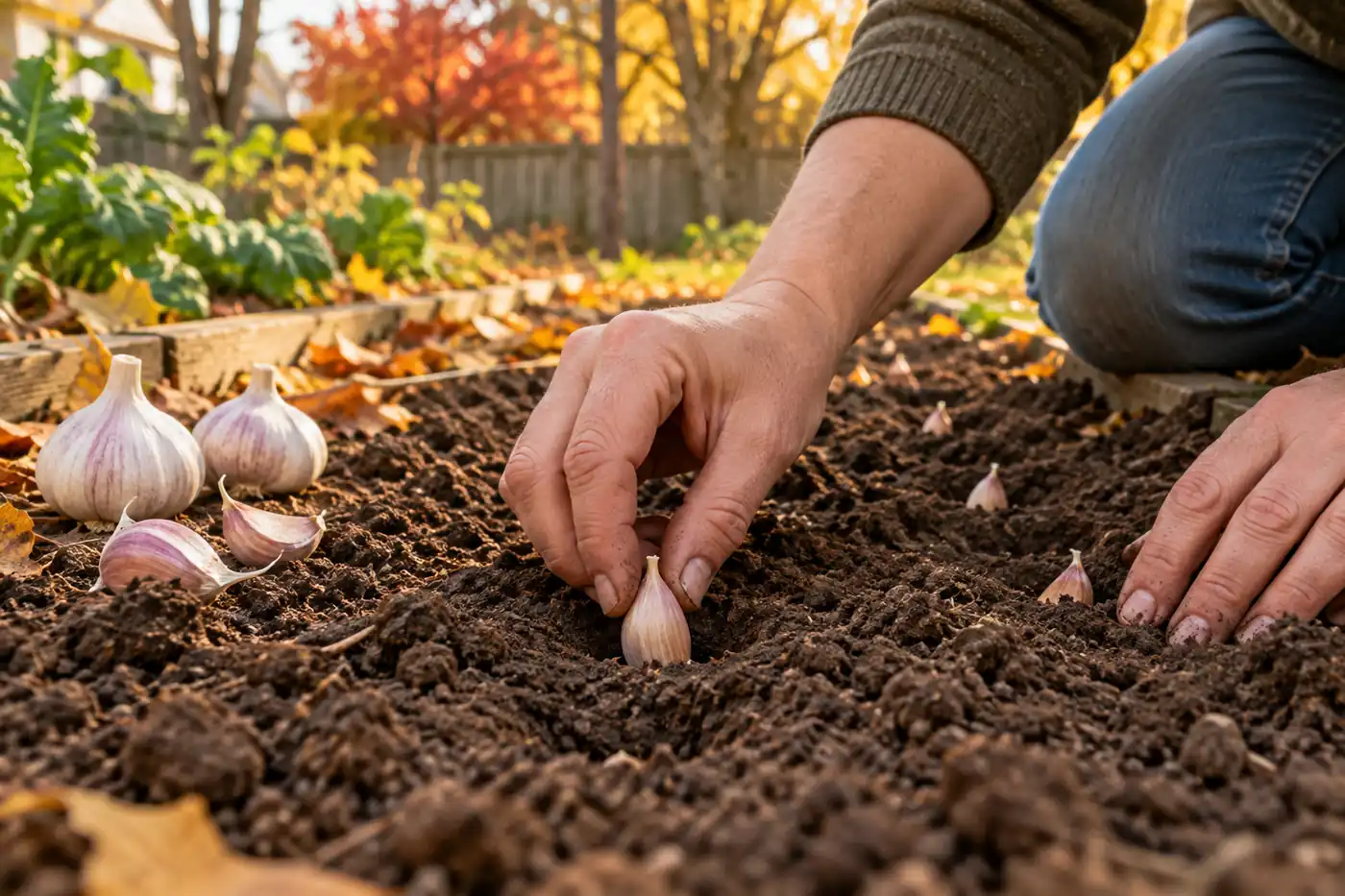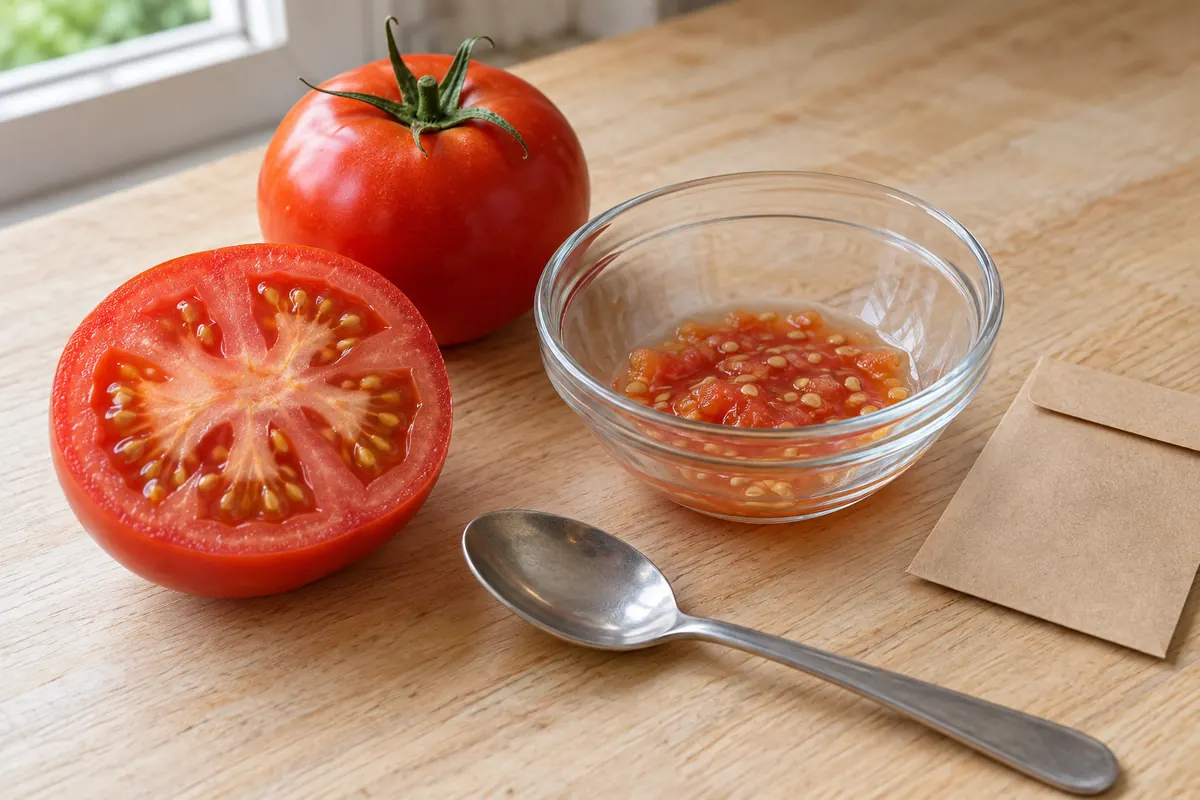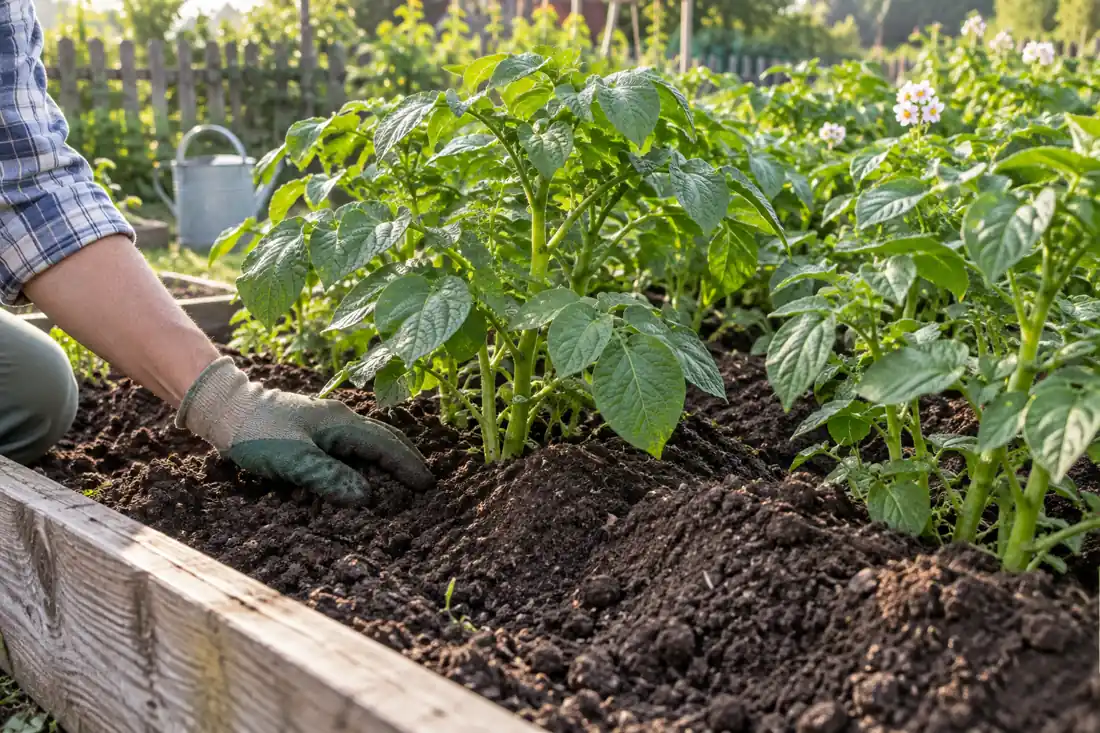

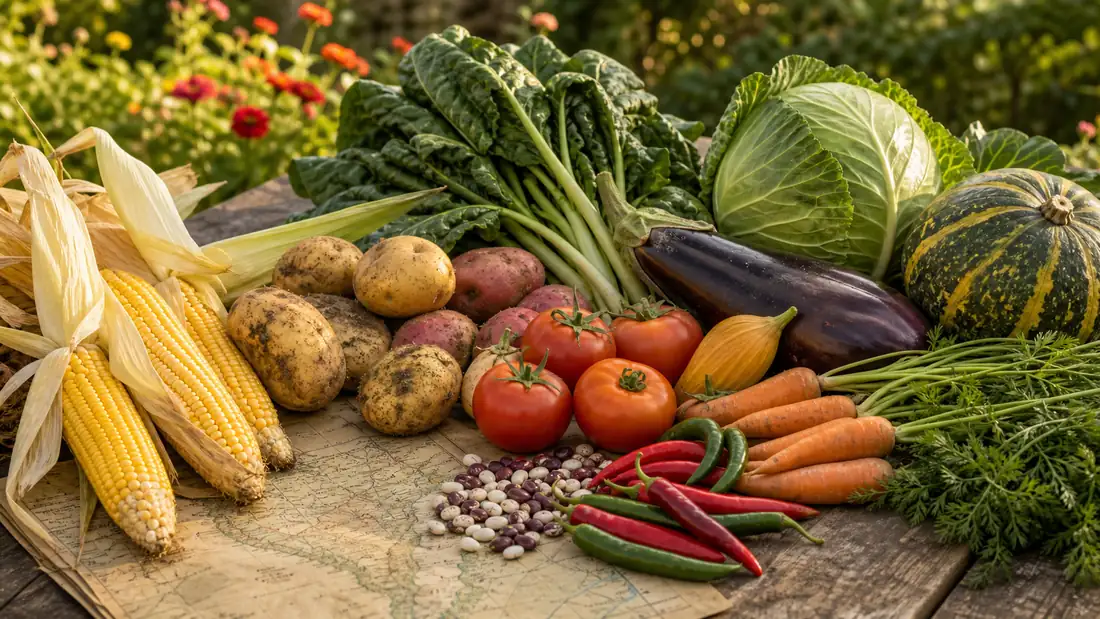
The history of vegetables starts in many places, because people did not domesticate one single vegetable and then spread it everywhere. A cabbage head, a carrot root, a corn ear, a potato tuber, and a tomato fruit all carry different origin stories, different plant parts, and different reasons for becoming food. The useful pattern is origin, movement, storage, cooking, and selection.
That matters in a garden because vegetable history is not only old trivia. A storage cabbage, a paste tomato, a dry corn, and a waxy potato ask for different harvest timing and different kitchen use. When a seed packet names an heirloom, a landrace, or a regional type, it points back to a human choice that solved a food problem somewhere.
Vegetable Origins At A Glance
Vegetables did not come from one country or one oldest crop. Modern garden vegetables come from many domestication regions, and the word vegetable groups roots, leaves, stems, fruits, bulbs, flowers, seeds, and tubers by kitchen use rather than by one botanical family.
| Vegetable group | Common examples | Broad origin pattern | Why people kept growing it |
|---|---|---|---|
| Roots and bulbs | Carrot, onion, beet, turnip, radish | Europe, West Asia, Central Asia, and East Asia, depending on crop | Storage, flavor, cool-season reliability, and soup or stew use |
| Leaf and stem crops | Cabbage, kale, lettuce, celery, chard | Mediterranean, Europe, West Asia, and East Asia lines | Fresh greens, fermentation, bitterness, texture, and winter food |
| Fruit vegetables | Tomato, pepper, eggplant, squash, cucumber | Americas, South Asia, East Asia, and Africa, depending on species | Sauce, spice, roasting, pickling, drying, and seed saving |
| Tubers and storage crops | Potato, sweet potato, yam, taro | Andes, tropical Americas, Africa, Southeast Asia, and Pacific regions | Calories, storage, drought or altitude fit, and harvest security |
| Grain-like and seed crops eaten as vegetables | Corn, peas, beans, broad beans | Mesoamerica, Andes, West Asia, and other independent centers | Protein, starch, drying, grinding, and crop-system value |
Key Takeaways
- Trace vegetables by origin, route, plant part, and use.
- Separate domestication from later trade and cuisine adoption.
- Check crop evidence before naming any oldest vegetable.
- Avoid treating modern cuisines as fixed ancient traditions.
- Choose heirlooms by cooking job, not color alone.
Table of Contents
History Of Vegetables Starts With Many Origins
The history of vegetables begins with wild plants that people gathered, protected, replanted, and selected. Some were leafy plants. Some were roots, bulbs, stems, fruits, seeds, or underground storage organs. The shared feature was human use. A vegetable is usually a kitchen and production category, not a strict botanical one; tomatoes, peppers, beans, and cucumbers are botanical fruits that behave as vegetables in cooking and horticulture.
That loose definition is why the oldest-vegetable question breaks down quickly. People gathered edible leaves, shoots, roots, tubers, gourds, legumes, and seeds long before all of them left clear archaeological remains. Soft greens decay. Tubers preserve poorly. Seeds and charred plant fragments survive more often. The evidence record favors some crops because they leave harder traces, not because they were always more meaningful.
A vegetable history and classification chapter from CABI describes vegetables as a usage-based group and places domestication inside long human selection. That distinction keeps the answer grounded: early crops, early gathered vegetables, and early domesticated plant groups all existed in different evidence records. No single first vegetable explains the rest.
| Crop or group | Probable domestication region | Approximate evidence window | Route or cultural role | Confidence note |
|---|---|---|---|---|
| Peas, lentils, broad beans, chickpeas | Southwest Asia and the Fertile Crescent | Neolithic farming, roughly 10,000 years ago | Dry seed crops that stored well and supported settled food systems | High for broad region; exact local sequence varies by crop |
| Cabbage and related brassicas | Europe and Mediterranean coastal regions | Ancient and classical cultivation, with later selection into many forms | Leaves, heads, stems, and flower buds became different vegetables from one crop group | Medium-high; modern forms are later selections |
| Carrot | Central and West Asia, with strong Persian and Central Asian links | Domesticated roots developed over centuries before orange types dominated | Root color, sweetness, and texture changed through selection | High for broad region; color history needs crop-specific detail |
| Maize or corn | Mexico, from teosinte ancestry | About 9,000 to 10,000 years ago for early selection | Starch crop tied to grinding, nixtamalization, and Indigenous food systems | High for origin; later improvement involved movement and mixing |
| Potato | Andes of South America | Often placed around 7,000 to 10,000 years ago for domestication | Altitude farming, storage, drying, and later global staple use | High for Andean origin; archaeological preservation is uneven |
| Tomato | Western South America and Mesoamerican domestication pathways | Pre-Columbian use before global spread after 1492 | Moved from American crop to global sauce, salad, and cooking fruit | Medium-high; wild ancestry and domestication route are complex |
| Eggplant | South and Southeast Asia | Ancient Old World cultivation | Cooking transformed a spongy, seedy fruit into stew, pickle, roast, and sauce food | High for broad region; local routes vary |
| Squash and beans | Several American domestication regions | Pre-Columbian domestication, with crop-specific timelines | Storage, protein, starch partnership, and intercropped food systems | High for American origin; exact timelines differ by species |
Origin Of Vegetables Means Region, Plant Part, And Use
The origin of vegetables becomes clearer when each crop is treated as a plant with a job. Roots store carbohydrates below ground. Bulbs store energy in layered leaf bases. Leaves give quick seasonal food. Fruits carry seeds in fleshy tissue. Tubers and storage organs hold starch. A culture did not choose a plant only because it was edible; people kept plants that matched weather, labor, cooking fuel, storage space, and taste.
Dry climates favored crops that could mature seed and store after harvest. Cool seasons favored cabbages, onions, roots, peas, and hardy greens. Wet tropics favored tubers, gourds, taro, yams, and leafy plants that could regrow. Mountain regions rewarded crops that handled short seasons, altitude, cold nights, and storage pressure. That is why vegetable origin country lists can be misleading. A crop may have a broad native range, one domestication region, several improvement centers, and many later cultural homes.
The table also explains why the vegetable aisle feels mixed. A single shelf can hold a Central Asian carrot, a Mexican-origin corn ear, an Andean potato, a Mediterranean cabbage, a South Asian eggplant, and a Mesoamerican tomato. They meet in one modern store because trade, breeding, refrigeration, and shipping compressed many histories into one display.
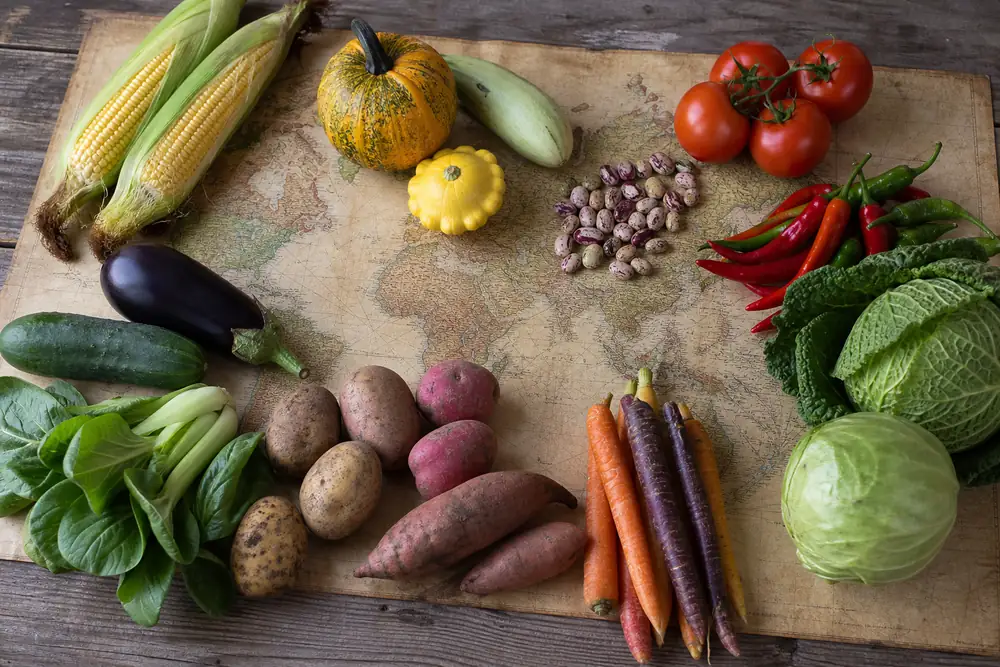
For gardeners, the practical lesson is variety choice. Paste tomatoes were selected for cooking down. Slicing tomatoes were selected for fresh use. Storage cabbage has a different leaf structure from tender early cabbage. Dry beans carry a different future from snap beans. History shows up in the way the crop behaves in the hand and in the pan.
Vegetables Through History Moved By Trade, Migration, And Empire
Vegetables moved when people moved, traded, conquered, fled, planted gardens, and carried seed. Some movement was intimate: a family saved a bean or cabbage line because it cooked the right way. Some movement was violent and global: colonial routes moved American crops across oceans along with people, land control, labor systems, and disease.
The Columbian Exchange changed vegetable history after 1492 because maize, potatoes, tomatoes, chili peppers, beans, squash, cassava, and sweet potatoes left the Americas and entered Old World food systems. Old World crops moved the other direction too, including cabbage relatives, onions, wheat, rice, and many orchard crops. The exchange was biological, culinary, economic, and political at the same time.
| Route | Crops affected | What changed | Garden-level clue |
|---|---|---|---|
| Americas to Europe, Africa, and Asia after 1492 | Tomato, potato, corn, chili, beans, squash, sweet potato | New staples, sauces, spice systems, and storage crops entered older cuisines | Many familiar global dishes use American-origin crops |
| Europe and West Asia through gardens and trade | Cabbage, onion, garlic, lettuce, peas, fava beans, turnips | Cool-season vegetables supported soups, storage, fermentation, and market gardens | These crops still prefer cooler planting windows |
| South and East Asia into wider food cultures | Eggplant, cucumber, Asian greens, mustard greens, radish forms | Pickling, stir-frying, curries, broths, and fresh crunch shaped crop value | Texture and harvest size often matter more than total yield |
| Andean and tropical root-crop routes | Potato, sweet potato, cassava, taro, yams | Storage, starch, altitude, and warm-climate resilience shaped food security | Harvest timing and curing decide storage success |
| Modern breeding and shipping routes | Sweet corn, hybrid tomatoes, uniform carrots, boxed greens | Uniform size, shelf life, disease resistance, and transport strength gained value | Market varieties may differ from best-flavor garden varieties |
Travel also changes meaning. Tomatoes are American by origin, and tomato sauce became part of Mediterranean identity. Chili peppers are American by origin, and dried, fermented, and powdered chilies now shape Korean, Indian, Chinese, Thai, Balkan, and West African cooking. A vegetable can become local somewhere else after generations of seed, recipe, and harvest practice.
Cultural Significance Of Vegetables Comes From Solving Food Problems
The cultural significance of vegetables grows when a crop solves a problem that returns every season. Storage crops carry households through gaps. Bitter greens provide early food before heavy crops mature. Fermented vegetables turn a short harvest into winter acid and crunch. Sauce vegetables make plain starch satisfying. Dry beans and peas add protein and storage value.
Cabbage is a clean example. A fresh head is crisp, wet, and sharp under the knife. Salt pulls water from the leaves, lactic acid bacteria take over, and a perishable head becomes sauerkraut, kimchi, curtido, or another fermented food. The crop becomes cultural because the method changes time. A short harvest can feed people months later.
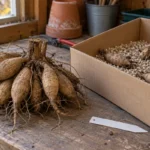
Roots and tubers carry a different kind of power. A potato feels heavy because it holds water and starch. Dried or freeze-dried tuber products become lighter, harder, and easier to keep. In mountain regions, that change could matter more than flavor. The crop gave food after cold nights, poor grain years, or hard travel.
Leafy vegetables often sit closer to season and body memory. Collards, mustard greens, kale, bok choy, spinach, amaranth leaves, and turnip greens all change under heat. Tough greens need time and seasoning. Tender stems need speed. The cooking method grew around the leaf texture, and the texture helped define the dish.
Pro Tip: When choosing an heirloom vegetable, start with the dish or storage method first. A variety bred for drying, fermenting, roasting, grinding, or sauce often makes more sense than the most unusual color.
Carrots, Corn, And Tomatoes Show Different Kinds Of Vegetable History
Carrots, corn, and tomatoes belong in this overview because each shows a different historical pattern. They should stay as short examples here. Their full timelines belong on their own pages because each crop has enough evidence, myth, breeding, and cultural movement to stand alone.
Carrots show selection through root color, texture, flavor, and cooking preference. Older cultivated carrots included purple, yellow, white, red, and later orange forms. The deeper history of carrots explains why the orange-root story needs more care than the familiar Dutch myth.
Corn shows domestication at a different scale. Teosinte did not look like a modern sweet corn ear, and maize became a crop through long selection, movement, processing, and Indigenous food systems. The separate history of corn follows the teosinte-to-maize path in more detail.
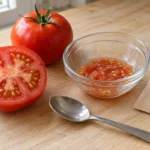
Tomatoes show how a crop can travel before it becomes trusted. A ripe tomato eventually became a cooking fruit, sauce base, salad crop, and garden marker. Its nightshade family and unfamiliarity slowed adoption in parts of Europe. The history of tomatoes keeps that suspicion-to-staple story separate from this broader vegetable route map.
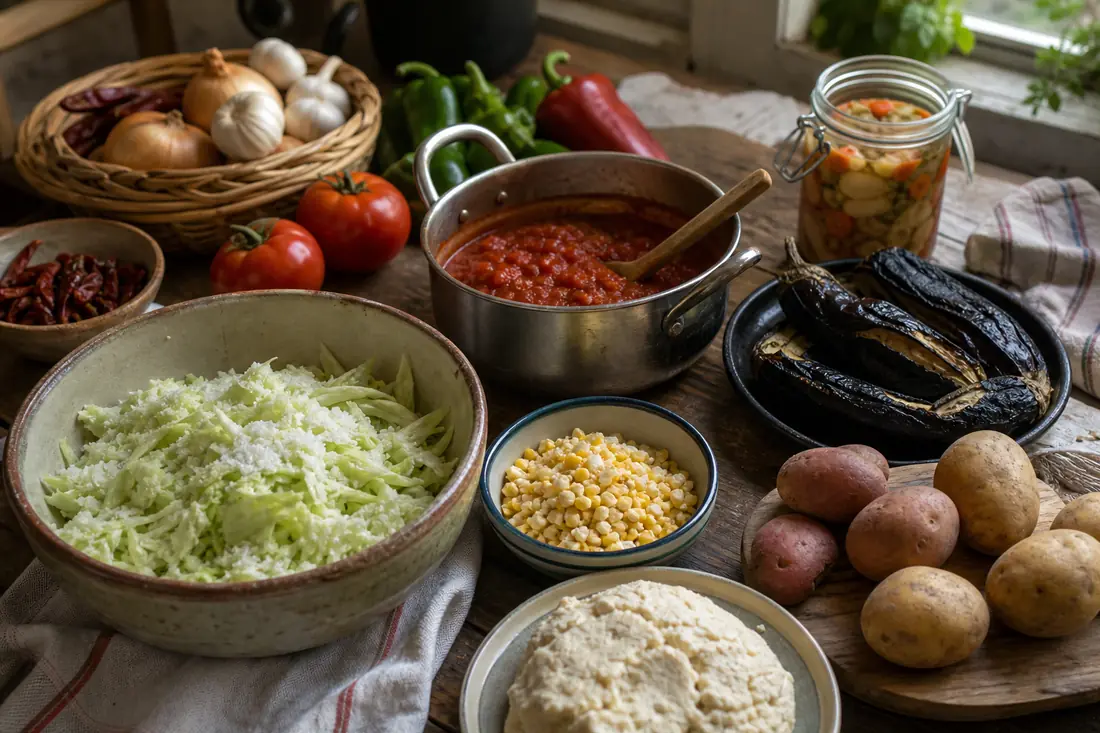
Those three examples also protect the main point. Vegetable history is strongest when the crop’s biology, route, and cooking method stay visible. A broad overview can show the pattern; a crop-specific history can carry the full evidence.
There Is No Single Oldest Vegetable
The question about the oldest vegetable sounds simple because grocery stores make vegetables look like one category. Archaeology does not work that way. The earliest evidence depends on what preserved, what people used, and whether the plant was gathered, cultivated, or fully domesticated. A charred pea seed, a gourd rind, a tuber trace, a squash seed, and a pollen sample do not tell the same kind of story.
Some early food plants were not vegetables in the modern kitchen sense. Some were grains, pulses, gourds used as containers, fruits, or multipurpose plants. Peas and lentils sit close to early Southwest Asian farming. Gourds have very old use. Squash and beans have deep American histories. Tubers may be older in use than their surviving remains can prove.
That uncertainty keeps the answer honest. The oldest vegetable depends on the definition: oldest gathered edible plant part, oldest cultivated plant used like a vegetable, oldest domesticated crop now treated as a vegetable, or oldest archaeological vegetable remain. Each definition points to a different candidate.
Gardeners can use that caution when reading seed stories. A packet may say ancient, heirloom, old-world, native, landrace, or traditional. Those words are useful only when they connect to a region, a use, a community, a plant trait, or a documented route. Without that detail, they are packaging language.
Modern Garden Vegetables Still Carry Their Old Jobs
Modern breeding changed many vegetables for uniformity, disease resistance, sweetness, shelf life, and predictable harvest. The older jobs still remain under the surface. A storage onion still needs curing. A cabbage still responds to salt. Corn still depends on pollination. A tomato still changes with heat and time. A potato still asks for curing and darkness before long storage.
That is why historical vegetables can be practical choices with real kitchen jobs. Dry corn makes sense when grinding or seed saving matters. Paste tomatoes make sense when sauce is the goal. Waxy potatoes hold shape in salad. Floury potatoes break down for mash. Long eggplants cook quickly because their shape changes heat movement. Storage carrots and fresh-eating carrots do different work.
One honest failure state belongs with heirlooms: old does not always mean better for a modern garden. A traditional variety may have weaker disease resistance, a longer season, a lower yield, or a shape that stores poorly in your climate. The better question is whether the old trait matches your site and kitchen.
Home gardens are good places to keep that match alive, even as large-scale vegetable production statistics show how far modern supply has moved toward uniformity and volume. A small bed can hold a sauce tomato, a storage cabbage, a dry bean, a colored carrot, or a corn variety grown for a real use. The crop then becomes more than a name in a seed catalog. It has a harvest window, a texture, a smell, and a reason to return next season.
Conclusion
Vegetable history is easiest to see when origin, route, plant part, and cooking method stay together. A carrot root, cabbage leaf, corn kernel, tomato fruit, and potato tuber tell different stories because people selected each one for a different kind of usefulness.
Start with one crop and follow the old job it still performs. The past becomes visible in a jar of salted cabbage, a floury potato breaking under a fork, a dry bean rattling in a bowl, or a tomato thickening slowly in a pan.
Frequently Asked Questions
Where Did Vegetables Originally Come From?
Vegetables originally came from many regions, including Southwest Asia, Europe, the Mediterranean, Central Asia, East Asia, South Asia, Africa, Mesoamerica, and the Andes. The answer changes by crop because vegetable is a food-use category, not one plant family.
What Is The Oldest Vegetable On Earth?
There is no single oldest vegetable that can be named cleanly. Peas, lentils, gourds, tubers, squash, and wild greens all have old human use. Preservation and definitions change the answer. The safest answer is that early vegetables came from several plant groups and regions.
When Did Vegetables Become A Thing?
People gathered edible plant parts long before farming, then began cultivation and domestication in several regions after the last Ice Age. Many major crop-domestication stories sit roughly within the last 10,000 years, though gathered greens, roots, and tubers are older as human foods.
What Is The Significance Of Vegetables?
Vegetables matter because they supply seasonal food, storage food, flavor, texture, fermentation material, sauce bases, and crop diversity. Their cultural value grows when they help a household bridge hunger, preserve harvests, or make staple foods more usable.
Which Cultures Eat The Most Vegetables?
Vegetable intake varies by country, measurement method, climate, income, and food tradition. East Asian, Mediterranean, South Asian, and many agrarian food cultures use vegetables heavily. Production statistics and diet surveys do not always measure the same thing.
What Cultural Significance Does Food Have?
Food carries memory, season, place, labor, religion, migration, and household skill. Vegetables become part of that meaning when a crop and method repeat across generations, such as cabbage fermentation, corn grinding, potato storage, or tomato sauce making.