Vegetable Statistics 2026 For Production, Prices, And IntakeRead More
Vegetable statistics for 2026 covering U.S. production, prices, intake, imports, and garden decisions from USDA and CDC data.

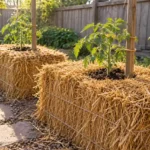
Vegetable statistics for 2026 covering U.S. production, prices, intake, imports, and garden decisions from USDA and CDC data.
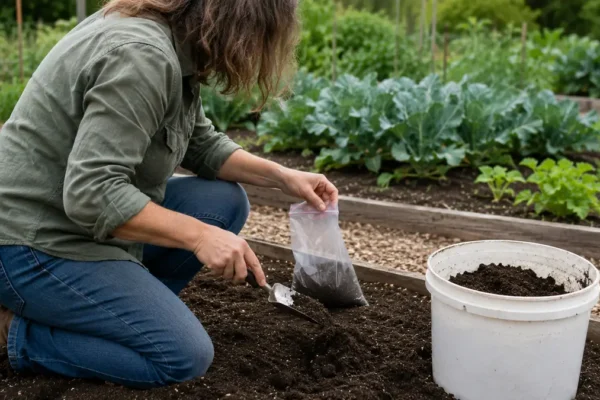
Garden soil can look poor for several different reasons. Yellow leaves, weak seedlings, slow fruiting, crusted soil, and stunted roots may point toward low nutrients, pH trouble, compaction, wet soil, dry soil, or a crop that was planted into the wrong condition. A soil test helps separate chemistry from texture and watering problems before amendments…
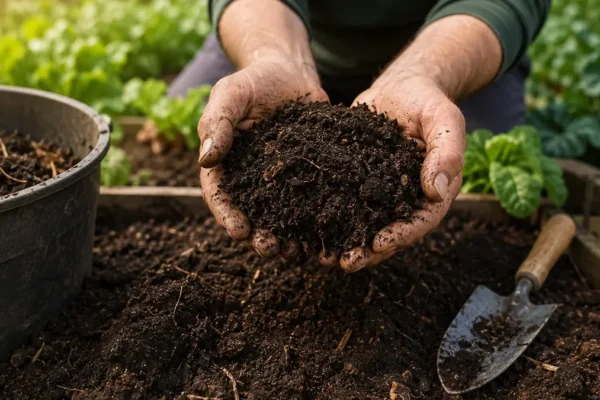
Garden soil usually tells you what went wrong before it tells you what to add. Water may sit on top after rain, seedlings may stall with pale leaves, or the surface may bake into a hard crust between waterings. Compost and organic matter can help, but they work best when the soil problem is read…
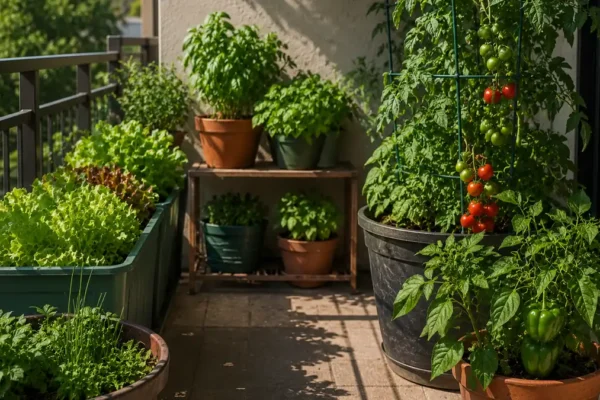
Container garden placement decides how quickly a pot dries, how hot the root zone gets, and whether the plant can hold itself upright after wind reaches the leaves. A tomato that looks strong in morning sun can curl by midafternoon on hot paving. A lettuce box that grows cleanly near an east wall may turn…
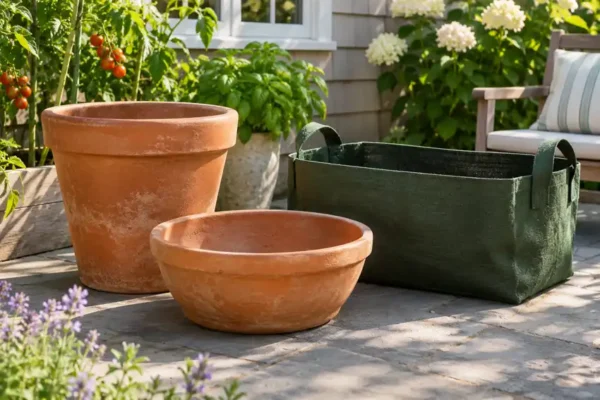
Container depth changes how a vegetable behaves long before the plant looks crowded above the rim. A lettuce box can keep producing with shallow roots and regular cutting, while a carrot in the same depth may hit the base, fork sideways, and finish short. A pepper may still stand upright in a shallow pot, then…
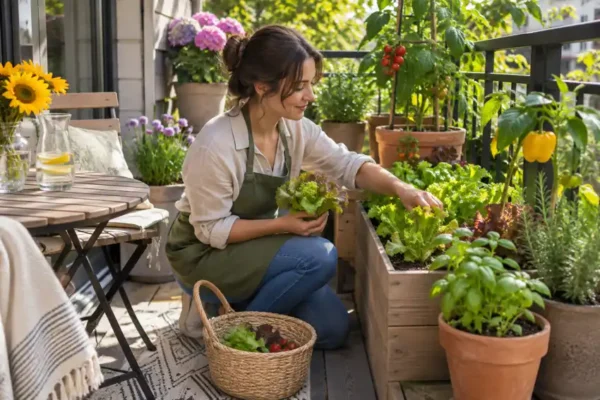
The best container vegetables are the ones that match the pot, the sunlight, and the space before the first seedling goes in. A lettuce box can stay productive on a cool railing. A tomato in the same spot may dry hard by lunch, lean into the walkway, and need more support than the balcony can…
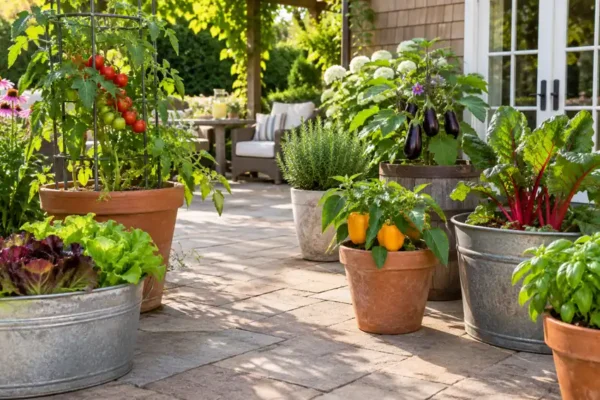
Container pot size by crop matters because roots, water, and plant weight change at different speeds once a vegetable starts growing in a pot. Lettuce finishes in a shallow box while a tomato turns the same box into a hot, dry root trap. A pepper that looked fine in spring stalls in July when the…
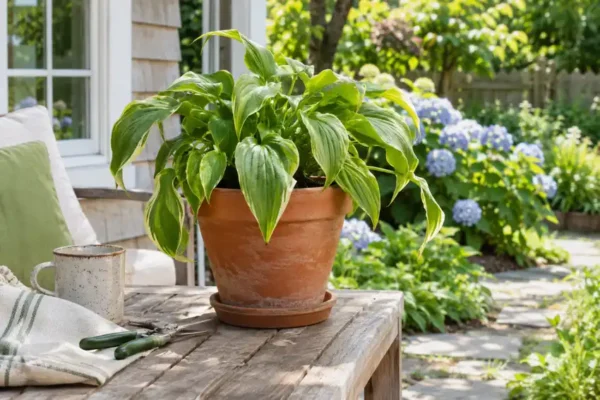
Underwatering is one of the most common reasons garden plants stall, wilt, and produce less than they should – and the earliest damage happens underground where nobody checks. A bed that looked fine last week can turn crispy at the tips, or a pot that felt damp two days ago can pull away from its…
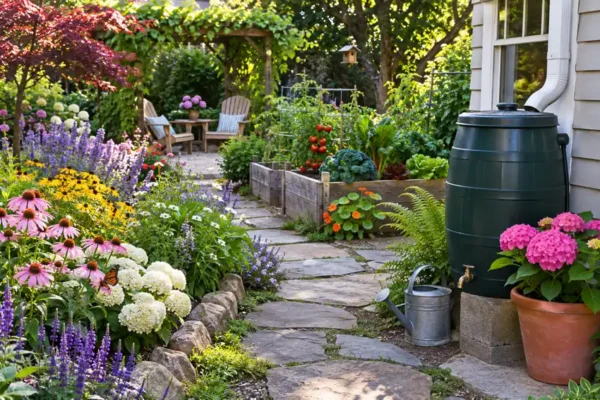
Most gardens are net consumers of the ecosystem they sit in. They take water, take nutrients, take pest management – and give very little back. That is not a moral failing. It is what happens when a garden is built on inputs rather than systems. Sustainable gardening flips that equation. Not through sacrifice or extra…
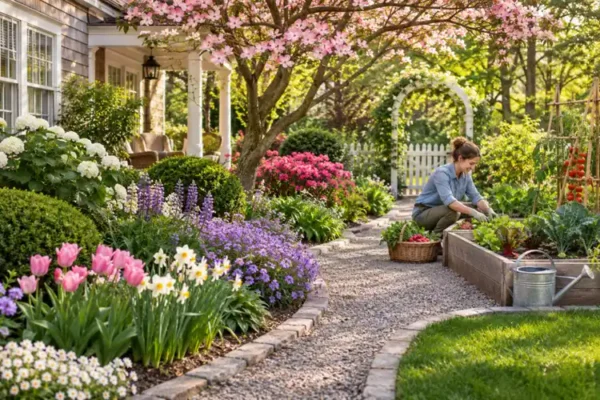
Seasonal garden care is the rhythm that keeps a garden productive through every climate shift – and when it falls out of sync, the results show fast. A wilted tomato at noon, a lawn that never fully greened up, or perennials that returned half as strong as last year – these are rarely bad luck….
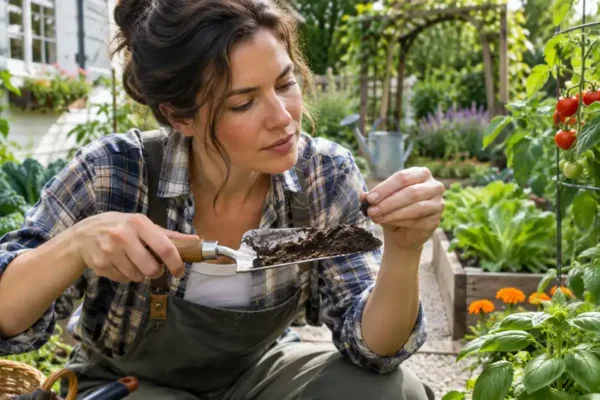
Last Updated May 29, 2026 A tired garden bed usually gives warnings before it fails outright. Water sits on the surface after rain. The top inch turns pale and hard between waterings. Seedlings grow for two weeks, then stall. A tomato plant gets fed again and still curls by afternoon because the roots are working…
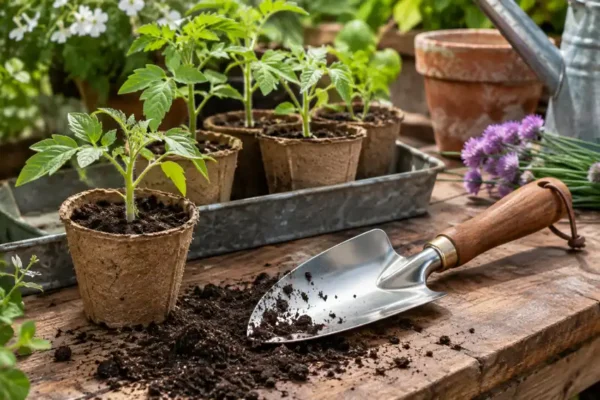
A garden trowel feels wrong fast when planting holes cave in, seedlings wobble, or digging takes more force than it should. Most problems come down to a simple mismatch between blade shape, soil condition, and how the tool gets handled day to day. Small slips add up – torn roots, wasted starts, sore wrists, and…
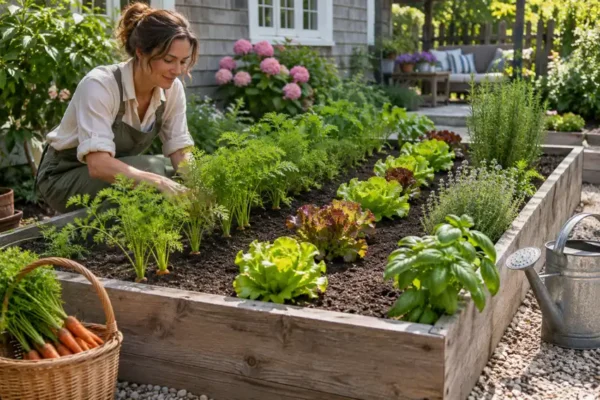
Updated July 27, 2026 Companion plants for vegetables work best when each neighbor has a practical job: filling unused space, attracting beneficial insects, shading heat-sensitive leaves, or finishing before the main crop needs the room. Start with the crop you want to harvest, use the chart below to shortlist compatible neighbors, then check mature size,…
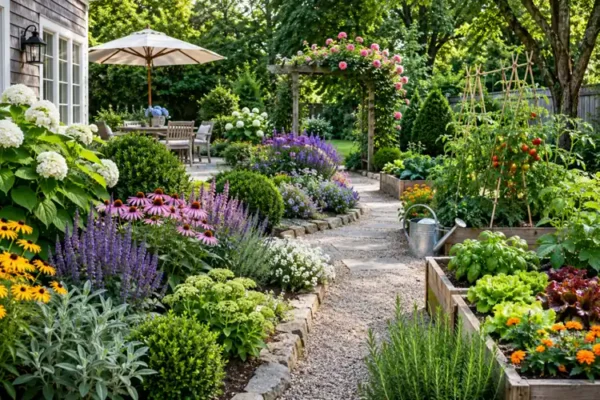
Garden planning and design often looks finished in June, then feels thin by October. A bed that was packed with blooms can turn into bare patches, messy stems, and awkward gaps right when you still want the yard to feel inviting. Small early choices like plant timing, spacing for mature size, and where access runs…
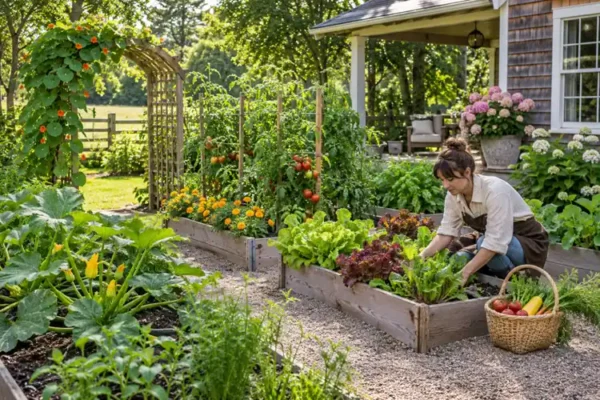
When soil management for gardens gets ignored, plants can stall even with regular watering, feeding, and weeding. A bed that looks fine can still act wrong – puddles after rain, crusting in dry spells, roots that stay shallow, and growth that never quite takes off. Problems like patchy germination, yellowing leaves, and sudden wilting often…
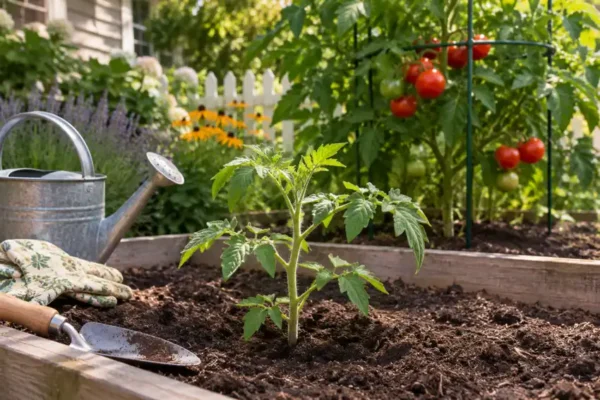
Updated July 23, 2026 Vegetable growth stages follow the same broad path from germination to harvest; the part you eat changes what successful growth looks like. Lettuce can be ready during leaf building, carrots need a long root-filling phase, and tomatoes must flower, set fruit, and ripen before the first full harvest. The useful question…