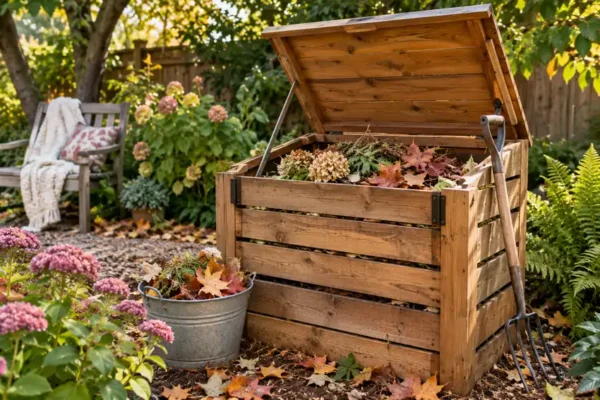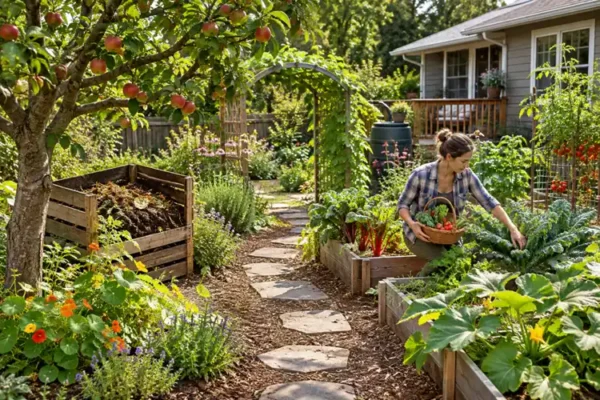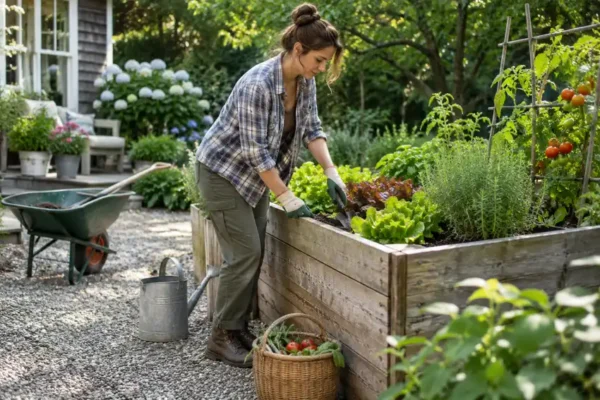
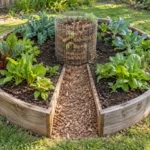
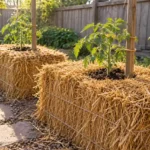
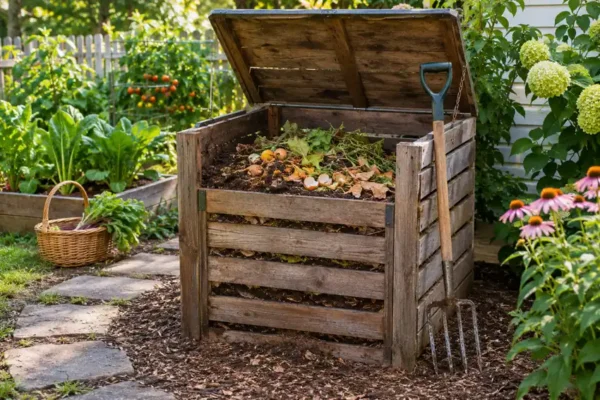
Backyard garden with a fruit tree, compost bin, and raised vegetable beds.
Permaculture Garden Design – How to Plan a Self-Sustaining Garden

Updated October 17, 2025 Conventional gardening often treats nature as something to control. Permaculture takes the opposite approach – designing systems that align with natural processes instead of resisting them. The goal is long-term productivity with minimal external inputs. By observing how water flows, how sunlight moves, and how plants interact, you can structure a…

Read More
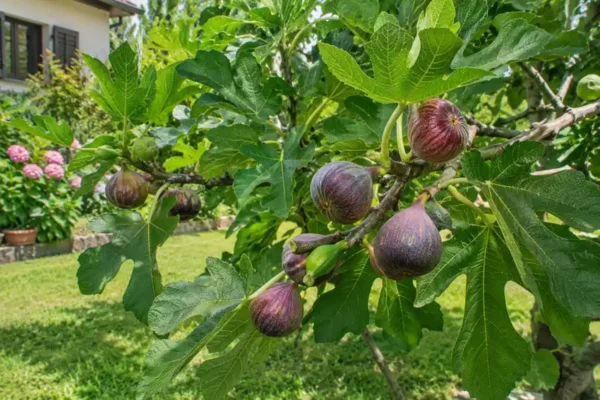
Purple figs growing among green leaves on a fig tree.
How to Grow Fig Trees

Last Updated August 10, 2026 How to grow fig trees successfully starts with a fruiting cultivar that fits your winters, a site with at least eight hours of direct summer sun, and soil that releases excess water. Common figs are forgiving once established. Shade, wet roots, hard winter freezes, and heavy nitrogen feeding can leave…

Read More
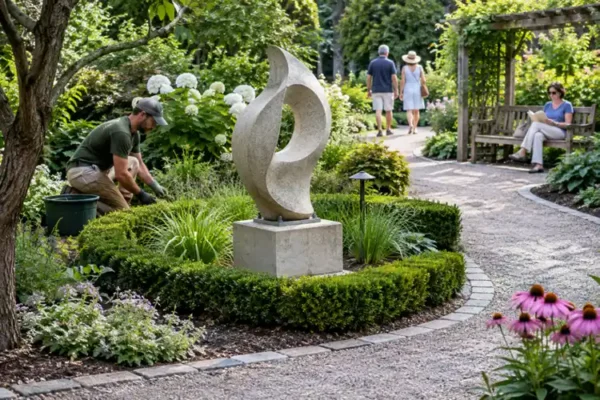
Abstract pale sculpture on a plinth at the end of a garden path.
Durable Outdoor Sculpture Materials – What Lasts Outside Over Time

The longevity and beauty of outdoor sculptures depend largely on the materials used. Some sculptures endure for decades, while others quickly deteriorate under the forces of nature. Selecting weather-resistant and structurally durable materials is critical for creating garden art that remains both striking and intact. This guide examines the best materials for outdoor use, helping…

Read More
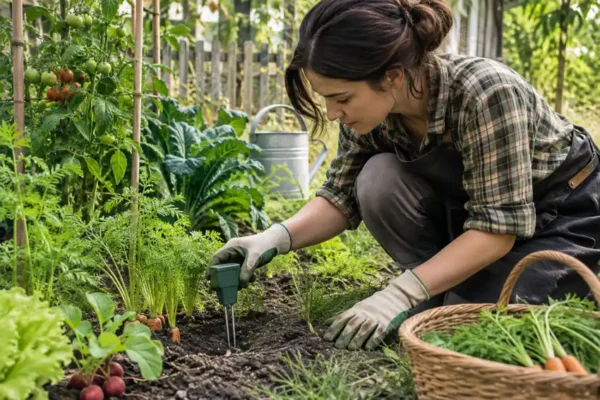
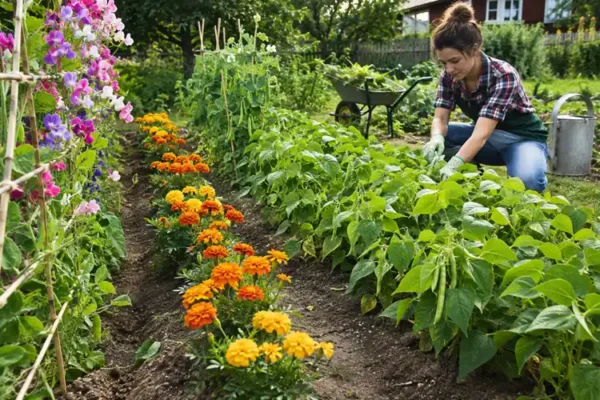
Gardener tends vegetables beside a row of orange flowers.
The Science Behind Companion Planting – How Plant Partnerships Boost Growth

Companion planting has been practiced for thousands of years, particularly by Indigenous peoples in North America. While some modern growers prefer industrial methods, companion planting remains crucial for sustainable agriculture and restoring soil biodiversity. Understanding plant interactions is critical as we face soil degradation, increasing pest pressure, and declining biodiversity. The traditional Three Sisters method,…

Read More
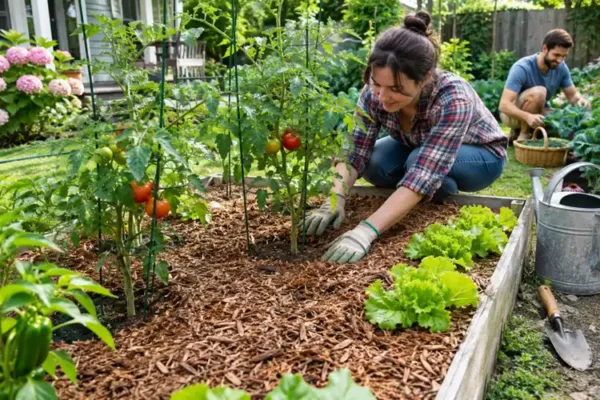
Gardeners tend vegetables in a mulched raised bed.
Mulching for Soil Health – Weed Control and Better Growth

Mulching is a foundational gardening practice that improves soil quality, suppresses weeds, and stabilizes moisture levels, playing a key role in long-term soil health improvement. By applying a consistent layer of organic or inorganic material to the soil surface, gardeners can enhance plant growth, reduce maintenance, and improve overall garden resilience. Both organic and inorganic…

Read More